
An elite strategic briefing on Washington’s shifting geopolitical priorities, analyzing the economic blockades, legal indictments, and potential tactical interventions driving the administration’s high-risk campaign against the Cuban leadership.
Defying the structural constraints of overextended military deployments, the current administration seeks a rapid geopolitical theater to offset its strategic stagnation. A decisive victory over the Castro legacy would allow Washington to pivot away from its intractable entanglements, transforming regional posture through a targeted campaign of regime change and legal brinkmanship. However, this high-stakes maneuver risks escalating localized resistance into a wider hemispheric crisis, proving that forcing a regime change under tight military limitations carries consequences that may mirror previous diplomatic failures.
Regime change strategy faces severe pushback
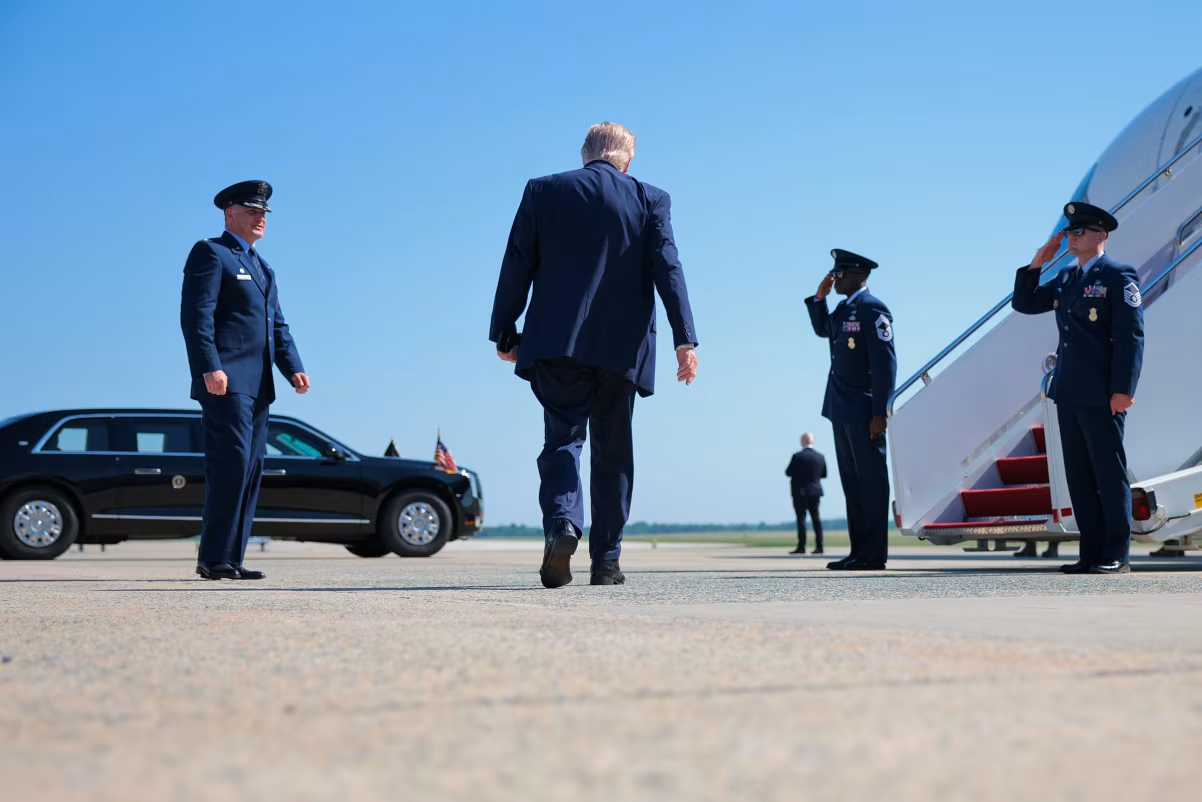
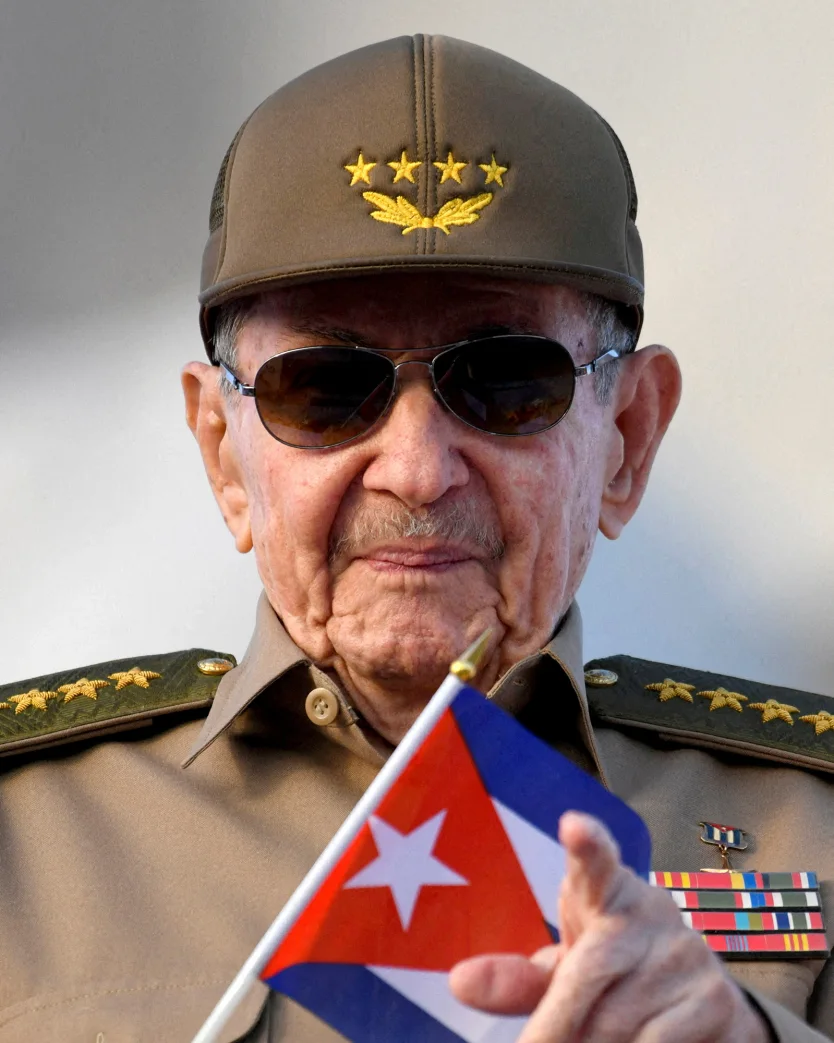
President Donald Trump is chasing the kind of regime-altering triumph in Cuba that has eluded him in Iran. But any move toward yet more action by the stretched US armed forces would come with high political and military risks. The US government’s indictment of 94-year-old former Cuban President Raúl Castro for murder and conspiracy to kill US nationals is a remarkable twist in a nearly 70-year American showdown with the communist island. Wednesday’s indictment — which came on Cuban Independence Day — is also a significant step up Trump’s escalation ladder.
It coincides with a US oil blockade that has caused a grave humanitarian crisis and threatens to collapse Cuban society; steadily rising diplomatic pressure; and a recent list of demands delivered in Havana by CIA Director John Ratcliffe. Trump has been threatening Cuba for weeks, saying he can do “anything” he wants with the impoverished state and may have “the honor of taking Cuba.” On Wednesday, he said he was “freeing up” the country. “It’s a failing nation. You see that. It’s falling apart. They have no oil, they have no money,” Trump told reporters. “But we’re there to help — we’re there to help the families, the people.”
The Castro indictment, over the 1996 shooting-down of two civilian aircraft that killed four people, including three Americans, looks like an administration double play. Trump may hope to further strain the regime in Havana, perhaps by dislodging weaker or more pragmatic members who might be willing to talk. But the new legal front could also be a pretext for military action or a special forces raid like the one that ousted Venezuelan President Nicolás Maduro in January.
Assessing the regime change escalation risks
Lee Schlenker, a research associate at the Quincy Institute for Responsible Statecraft, warned that the Justice Department indictment unsealed in Florida could backfire on the White House if it was meant to elicit Cuban concessions. “I think this is going to be a death sentence for any potential deal with Cuba,” Schlenker said. “This is going to produce a rally-around-the-flag effect and harden the Cuban leadership siege mentality,” he added. The Cuba gambit is the latest test of the administration’s strategy of ratcheting up economic duress by imposing a blockade while raising the prospect of the use of force to get enemies to capitulate.
This worked in Venezuela and helped identify Delcy Rodríguez, a senior regime figure who became acting president and is dealing with the Trump team. But Venezuelans are yet to see their hopes for democracy made good. A similar approach has also been such a failure in Iran that Trump may have no option but to restart the war. Cuban President President Miguel Díaz-Canel blasted the indictment as a political maneuver that shows the “arrogance and frustration” of the US empire.
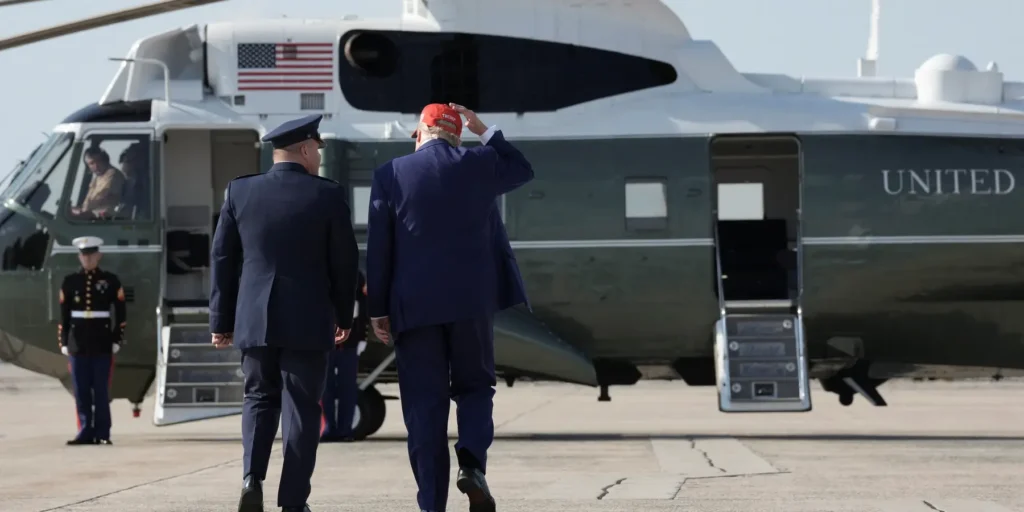
His country’s defiance challenges the foundational belief of Trump’s foreign policy: that every situation is a deal waiting to happen and that the possibility of violent US action against smaller adversaries can lead them to fold and to open their borders, real estate and raw materials to US firms. Trump’s rock-bottom war complicates Cuba threats There is currently no sign near Cuba of the large-scale military buildups that preceded US military action in Venezuela and Iran. But CNN reports that US military intelligence flights are surging off the Cuban coast. An uptick in such activity preceded the attacks on Iran and Venezuela.
But Trump’s tanking approval ratings over the war in Iran mean he has little political capital to support a new military venture. Recent polling from CNN, the New York Times and other outlets shows that majorities of Americans oppose the Iran war. Many have started to directly connect Trump’s policies to their personal economic challenges. And polls also show that majorities of Americans oppose Trump’s Cuba policy.
Domestically opposing regime change initiatives
A direct US confrontation with Cuba — while it would no doubt be popular with anti-communist exiles in Florida, who are a significant political force — would pose another enormous challenge for Republicans in midterm elections. The GOP is already saddled with Trump’s historically low approval ratings, and a new conflict would play into Democratic claims the president is oblivious to voters’ pain.
Even a foreign policy triumph in Cuba might mean little to voters struggling to pay for housing and groceries. “The American people are not asking for another war. They want us focused on building housing in Arizona – not bombing housing in Havana,” Democratic Sen. Ruben Gallego said in a statement last month when Democrats failed to block the use of US forces in any unauthorized military action against Cuba.
“They want us to lower the cost of healthcare – not condemn a generation of veterans to a lifetime of hospital visits. They want us to make their lives more affordable – not spend their tax dollars on unnecessary wars.” Any US assault or special forces raid, meanwhile, would risk far greater pushback and potential US casualties than the lightning strike by US operatives against Maduro. Cuba’s military is short on resources, with often-outdated equipment.
But it could still inflict casualties on any US expeditionary forces. And security around Castro is likely to be exceedingly tight in order to ward off any Maduro-type snatch-and-grab special forces spectacular. Decades of synergy between the regime and its people might also mean that the cooperation with US officials and diplomats seen in Venezuela would be unlikely in Cuba, notwithstanding reported Trump administration contacts with Raúl Guillermo Rodríguez Castro, Raúl Castro’s grandson and bodyguard.
Regime change policies threaten regional stability
Schlenker pointed out that Cubans subscribe to a defensive doctrine that requires the entire populace to respond in the event of a foreign invasion. “That would cause US casualties that would (also) lead to dozens, if not hundreds, of Cuban civilians and security forces dying,” he said. “We really wouldn’t see a wholesale transformation of the Cuban government. If anything, we would see increased repression, very little progress towards moving towards democracy and a free market.
” The tightening US blockade on Cuban oil imports, meanwhile, is setting up an unstable situation by causing extreme deprivation that risks societal collapse. This could cause a mass refugee exodus that might quickly turn into an immigration crisis for an administration that has vowed to secure US borders. Yet the administration’s affinity for sharp, quick military operations — at least until the Iran war — means US military action can never be ruled out. Trump often fondly recalls the Maduro raid in speeches.
The operation may have led him falsely to expect that toppling Iran’s regime and winning the war would be easy. Why the administration thinks it’s got a winning hand in Cuba Given the risks and skepticism of Trump’s military adventures, which sit uneasily with his vows to wage no more foreign wars, why would the administration even think of initiating a new crisis in Cuba?
Well, the president badly needs a victory to bolster a foreign policy that his team says has restored US prestige and respect overseas but that in reality is looking rather battered, given his inability to end the war in Iran and his failures thus far to end the Ukrainian conflict or advance through the stages of the Gaza ceasefire plan.
Regional dominance framing regime change motives
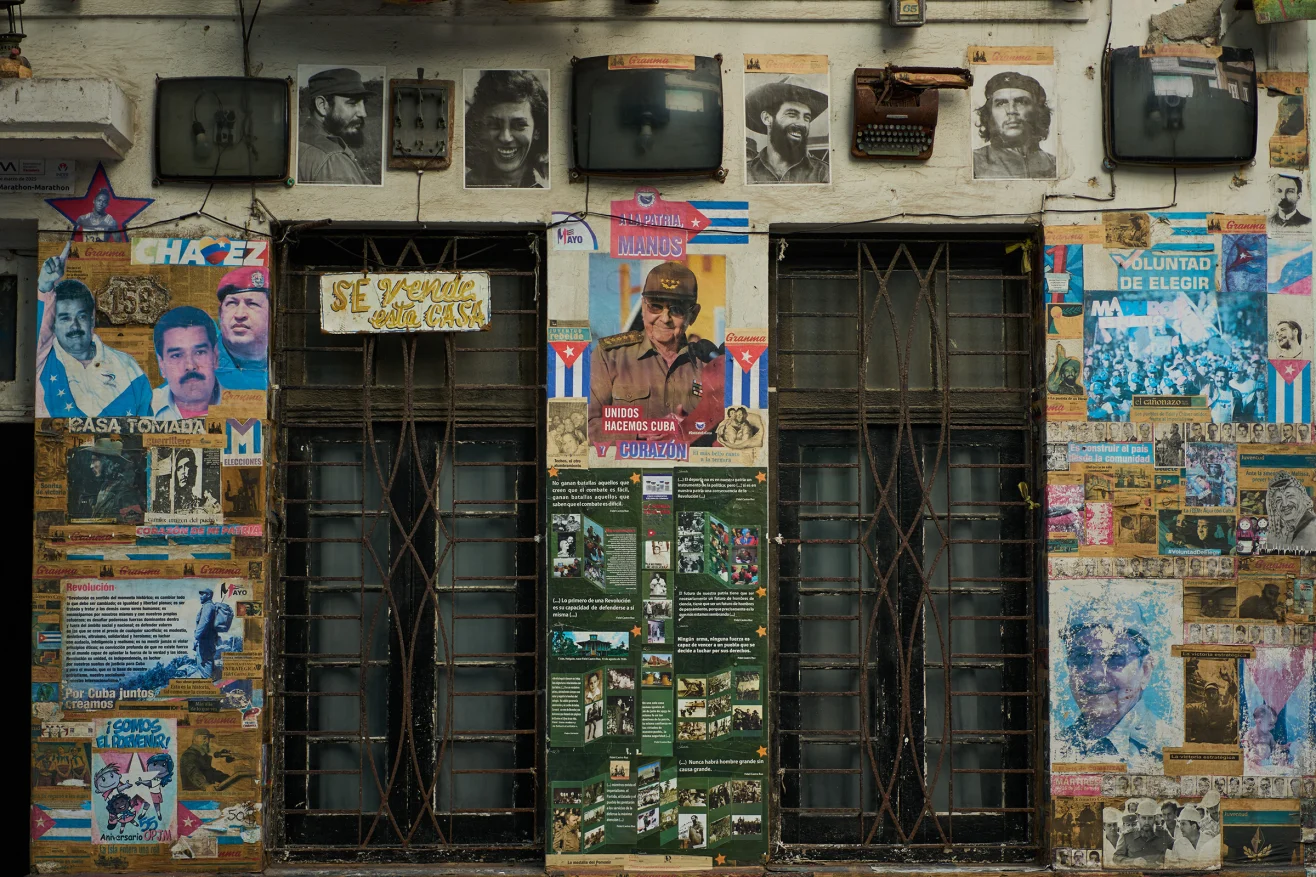
The prospect of becoming the president who succeeded where predecessors from John F. Kennedy onward failed in slaying the regime of late dictator Fidel Castro promises the kind of historic recognition that Trump craves. And his Secretary of State Marco Rubio, a son of Cuban immigrants, has long sought to undermine the government in Havana as a driving force of his career. Turning Cuba from an adversary to a client would solidify the “Donroe Doctrine” — the administration’s push to control the entire Western Hemisphere. In addition to the Maduro raid, the policy has seen Washington offer a financial bailout to a MAGA-supporting president in Argentina and back right-wing populists in elections across the region.
Trump’s Cuba policy has some aspects that might be familiar to previous administrations. US governments have long worried about Cuba-based espionage and surveillance off the US coast by adversaries like Russia and China. Turning the regime would also deprive those powers of political soul mates in Havana.
Cuban civilians have lived in repressive and economically dire conditions for decades. Destroying the regime would also offer them hopes of political freedoms and more prosperous lives — although the administration’s track record raises doubts about its sincerity here. And Trump’s embrace of harsh, coercive methods that are having a devastating impact on the population mean he faces accusations of inhumanity and infringing international law. UN experts warned in February that the US oil blockade and associated sanctions were threatening “fuel indispensable for electricity generation, water and sanitation systems, hospitals, public transportation, and food production, including irrigation, harvesting, refrigeration and food distribution.
” But on Wednesday, Rubio told Cubans in a video message that “the real reason you don’t have electricity, fuel, or food is because those who control your country have plundered billions of dollars.” He added that “nothing has been used to help the people,” according to a translated transcript. No one argues the Cuban government is anything but cruel and repressive. The same might be said for Iran, where another Trump blockade is exacerbating the pain endured by civilians who’ve also faced years of internal persecution. But neither regime has yet fallen. And the tactics the president is using to try to bolster his own place in history means any triumphs will come at a high cost.