
For Palestinian statehood to emerge post-Iran War, five impossible conditions must align: Gaza ceasefires, a new Israeli government, legitimate Palestinian leadership, confidence-building measures, and White House prioritization. Without these, demographics doom the two-state solution permanently.
Achieving Palestinian statehood demands a rare alignment of hostile regional factions, yet the post-Iran War landscape may force the issue back onto the table. For Palestinian statehood to become viable, five near-impossible conditions must synchronize—from Hamas disarmament to legitimate leadership—making Palestinian statehood less a diplomatic goal and more a geopolitical miracle.
Palestinian statehood demands ceasefires first
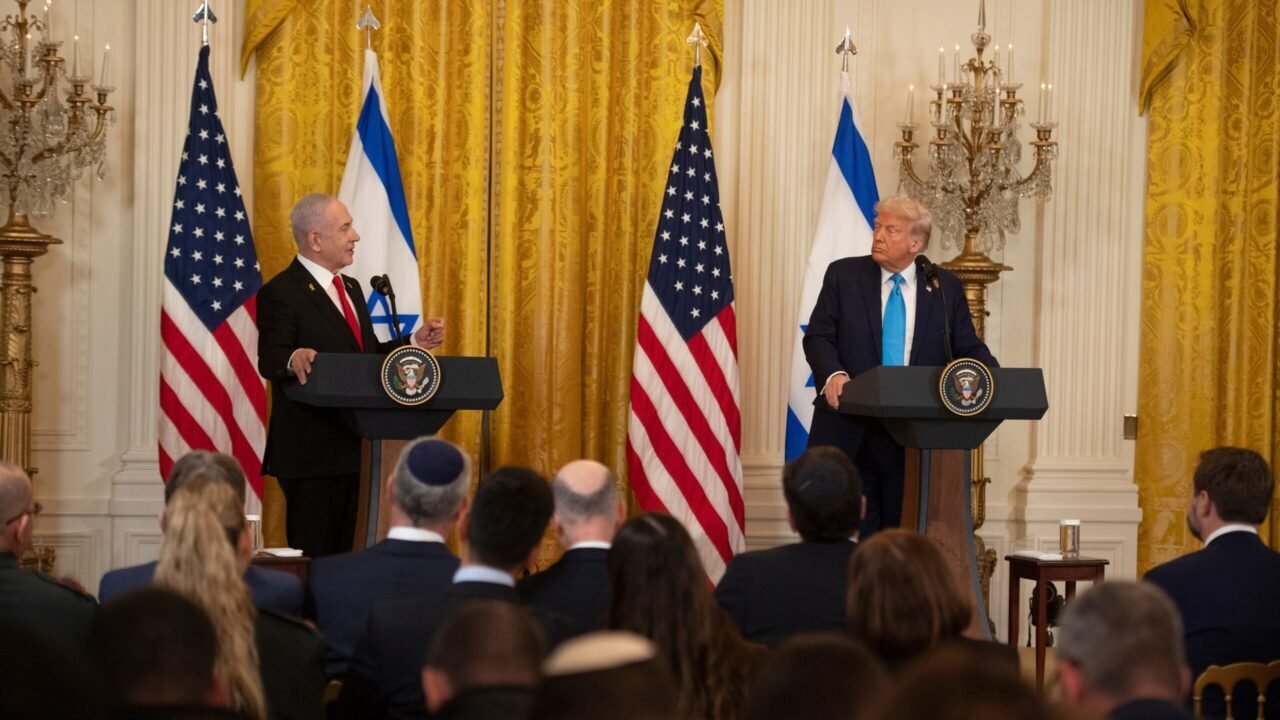
President Donald Trump wants Saudi Arabia and other Middle East nations to join the 2020 Abraham Accords—essentially formal recognition of Israel—as a component of any US-Israeli-Iran peace agreement. Saudi Arabia shows no interest, having long insisted on a clear roadmap to Palestinian statehood as a condition for joining the accords. This throws a spotlight on one of the most important issues obscured by the Iran War: the long-standing search for a settlement of the Palestinian-Israeli conflict. Abraham Accords aside, this issue is certain to return with renewed urgency when the war in Iran eventually ends. It is worth thinking now about whether and how such an outcome might be achieved.
The goal of an independent Palestinian state living in peace with Israel has proven elusive to every American president who has attempted it. Even getting close has required a vexing combination of conditions coming into place simultaneously: leaders must hold ancient hatreds in check, manage complex internal politics, take risks by trusting the other side, and prepare for the near-certain bomb—literal or figurative—as the brass ring comes within reach. And yet, when world leaders are pressed for a remedy, they almost always default to the “two-state solution.” One reason is that the parties have sometimes come so close—most notably in 1999–2000, when Israel, the United States, and Palestinian leadership seemed within a hair’s breadth of success.
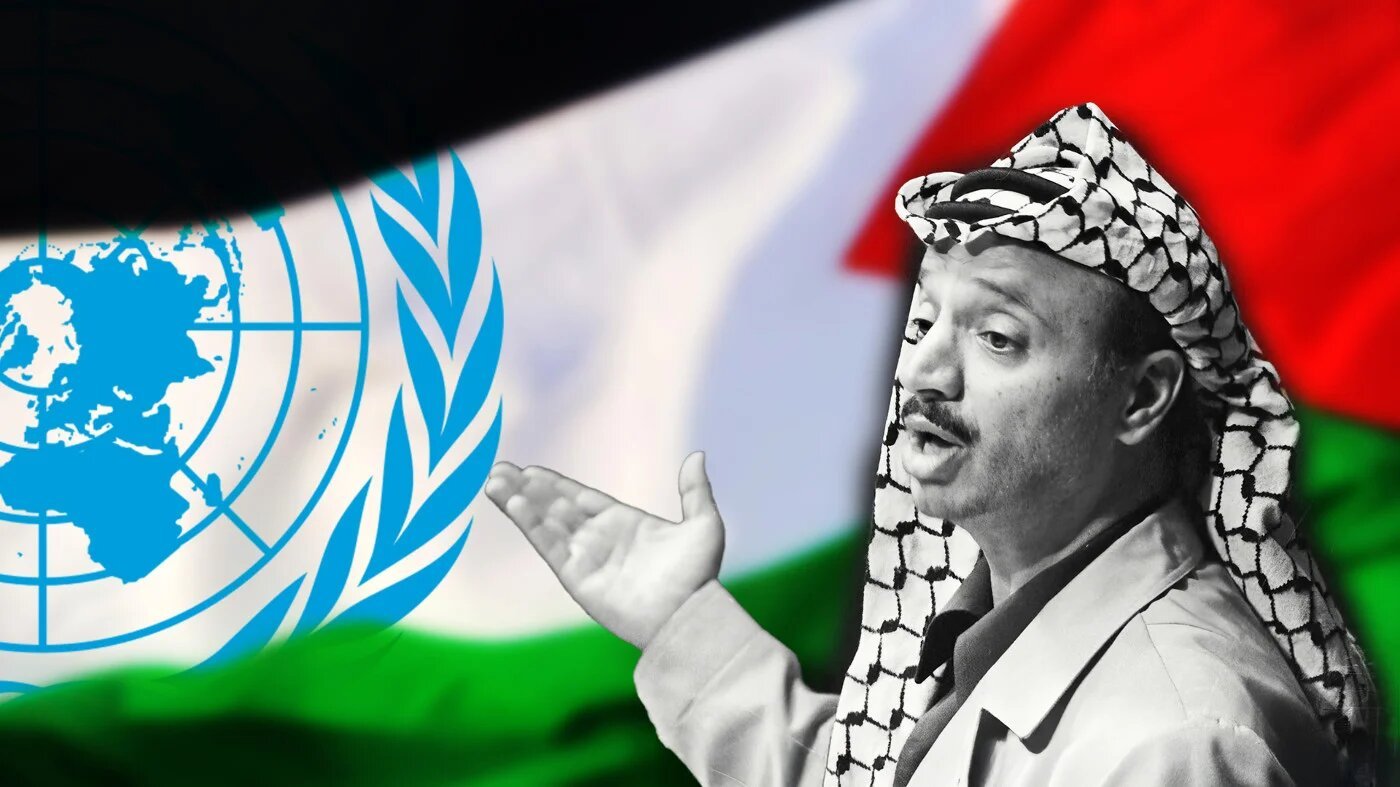
People still argue about why they didn’t succeed. Experts said then, and since, that it was the best deal the Palestinians would ever get—an offer from Israeli Prime Minister Ehud Barak of 92 percent of the West Bank and all of Gaza. As the CIA’s deputy director back then, I was briefing President Bill Clinton, and my sense is that it broke down mostly over the disputed jurisdiction in Jerusalem. This was compounded by then-Palestinian leader Yasser Arafat’s failure to put serious bargaining points on the table. He could not shift from revolutionary leader to statesman.
So, can it happen in a post-Iran-War environment? Maybe. But it would require at least five things of progressively growing difficulty to happen roughly all at once.
First, ceasefires would have to hold in Iran and Gaza, and Trump’s Gaza peace plan, launched in September, must move forward. Phase two calls for a complete Israeli withdrawal from Gaza, the disarmament of Hamas, reconstruction of the enclave, and installation of an International Stabilization Force backed by a Palestinian police force. The sticking points are many: lukewarm enthusiasm from candidate countries for the Board of Peace concept, incomplete Israeli withdrawal, and, mainly, Hamas’s refusal to disarm. With Gaza still a potential conflict zone, there will be few volunteers for a stabilization force.
Israel needs a new Palestinian statehood government
Second, Israel would need a new government. Prime Minister Benjamin Netanyahu’s far-right coalition tilts so heavily against the two-state model that it would never seriously endorse it. His government has appropriate West Bank territory for new settlements—a policy the responsible minister says is intended to “bury the idea of a Palestinian state.”
Israeli elections are set for 2026, and they are unpredictable, although it is worth noting that Trump’s popularity there is such—69 percent approval—that he could probably affect the outcome. Any new government would need to stop adding settlements and begin reducing existing ones. Back in 1999, settlements comprised only 2 percent of the West Bank; today the figure is around 6 percent, with upwards of 700,000 Israelis living there compared to 176,000 in 1999. It is no longer a largely contiguous territory that can realistically qualify as a potential state.
Legitimate leadership for Palestinian statehood
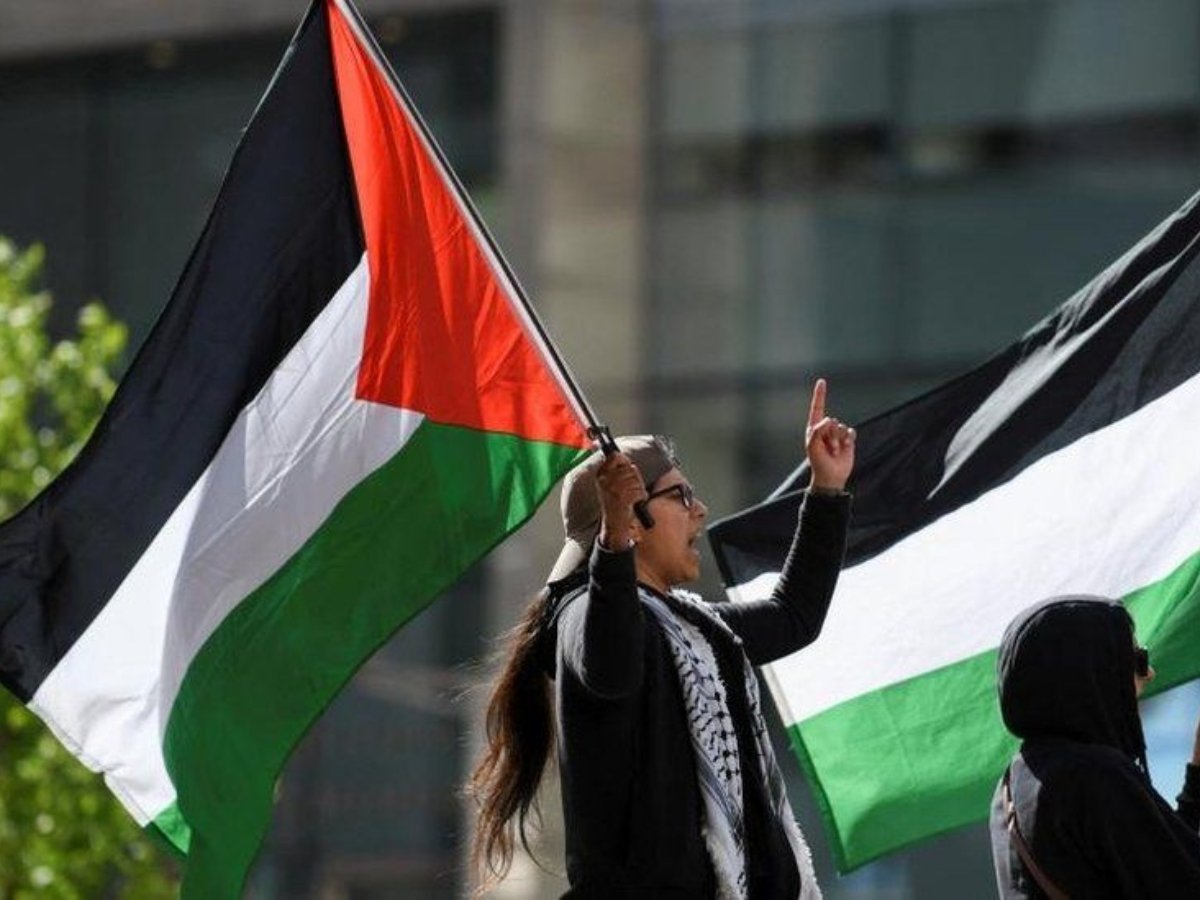
Third, the Palestinians would need a government that is legitimate, widely supported, and competent—which they do not have. There have been no Palestinian Legislative Council elections since 2006, and the movement is split between remnants of Hamas in Gaza and the authoritarian West Bank government of 90-year-old Mahmoud Abbas, whose resignation is wanted by 80 percent of West Bank Palestinians.
The person widely viewed as the most popular Palestinian leader, Marwan Barghouti, has been in an Israeli jail since 2004. The bottom line: the Palestinians cannot have a state as long as they have no one who can legitimately negotiate on their behalf. Whatever his faults, Arafat could plausibly claim in 2000 to speak for the Palestinian majority. No one can today.
Palestinian statehood requires confidence-building first
Fourth, the two sides need a period of confidence-building before even beginning to renew the discussion between the two states. The 1999–2000 talks came after Palestinian security services had developed a joint security plan with Israel and demonstrated willingness to act against Hamas militants. The CIA played an honest-broker role, hosting bi-weekly trilateral meetings – as recounted in former CIA Director George Tenet’s memoir At the Center of the Storm—and the US provided counterterrorism training for Palestinian services. An early test of whether this can be recreated will be whether Palestinians can assemble a credible security force for Gaza.
Top priority for Palestinian statehood
Fifth, this effort would need to sit among the administration’s top priorities, led by a senior official with a direct line to the Oval Office and a full-time team deeply experienced with the history and culture of the conflict—waking up every morning with nothing else on the plate.
If the situation is left to drift, demographics become determinative. Toward the end of the last decade, Israeli Arabs and Palestinians had begun to outnumber Israeli Jews. Without a major push toward two states, the logic pushes toward an implausible unitary state or continuation of the status quo: Israelis on high alert, Palestinians smoldering in resentment—a situation that permanently teeters on the edge of renewed war.
Despite all these obstacles, it is worth persisting—and eventually, when the dust of the Iran War settles, someone in Washington will need to pick this up again. If President Trump ever has a chance to win the Nobel Peace Prize, this is it; some of his sharpest critics have said they would support such a nomination if he brought about a two-state solution.
This is because an independent Palestinian state living in peace with Israel would be the single thing most likely to diminish incentives for conflict across the region, advance normalization between Israelis and Arabs more broadly, and allow the United States to step back and refocus elsewhere. It is the hardest thing imaginable in American foreign policy. It is also, for that very reason, one of the most consequential.