
Iranian missile interceptions over Turkish airspace trigger a strategic realignment, reshaping turkey into a NATO credibility test. Collective defense works, yet Russia’s S-400 remains silent when hypersonic projectiles cross borders.
The interception of Iranian missiles over Turkish airspace has triggered a strategic realignment, with reshaping turkey into a test case for NATO’s credibility. This reshaping turkey forces Ankara to confront a core paradox: collective defense works, yet Russia’s S-400 remains silent when actual projectiles cross sovereign borders.
Reshaping turkey Through Collective Defense
Turkey’s Position in the Iran War
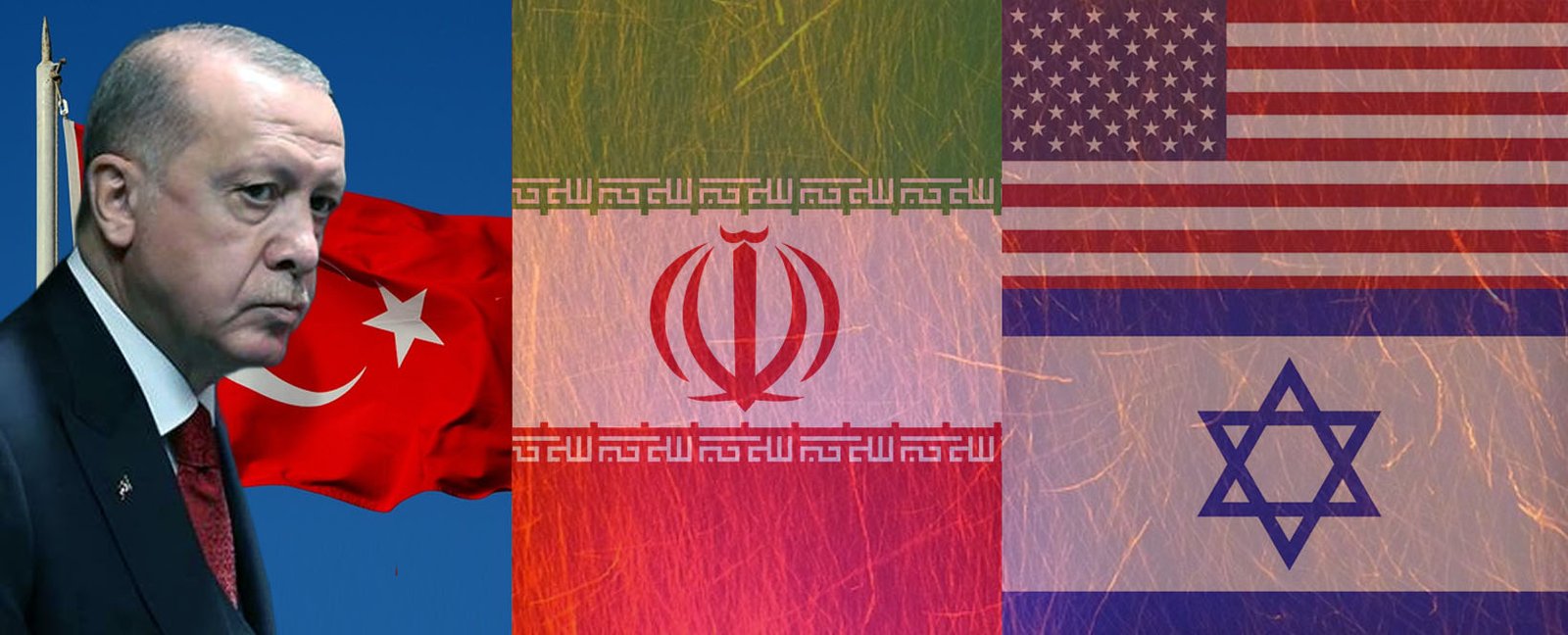
On Feb. 28, 2026, the United States and Israel launched Operation Epic Fury — a joint campaign of airstrikes aimed at a range of Iranian targets. An Iranian response including retaliatory missiles and drone strikes followed and focused on Israeli and American targets as well as the Gulf region, likely to weaken the U.S. commitment to the war.
As of March 13, three reportedly Iranian missiles aimed at Turkey were intercepted by NATO missiles. While Iran officially denied intentional targeting and attributed these incidents to technical issues, the developments render Turkey’s geographic exposure as immediate and multidimensional: energy vulnerability, migration risk, the entanglement of Kurdish actors in an expanding conflict, and territorial integrity.
The war’s initial phase illustrates that Turkey’s two primary risks in this conflict —namely territorial integrity and Kurdish security threat — are interconnected. More specifically, the nature of Turkey’s relationship with NATO and its position within the organization shapes how these risks will likely evolve. That NATO served as the primary line of defense for Turkey in a war that could spread across the Middle East raises the question of whether Turkey should reconsider its ambiguous relationship with the Western security structure, anchored by its NATO membership.
How Reshaping turkey Tests NATO
NATO’s Interception of Iranian Missiles
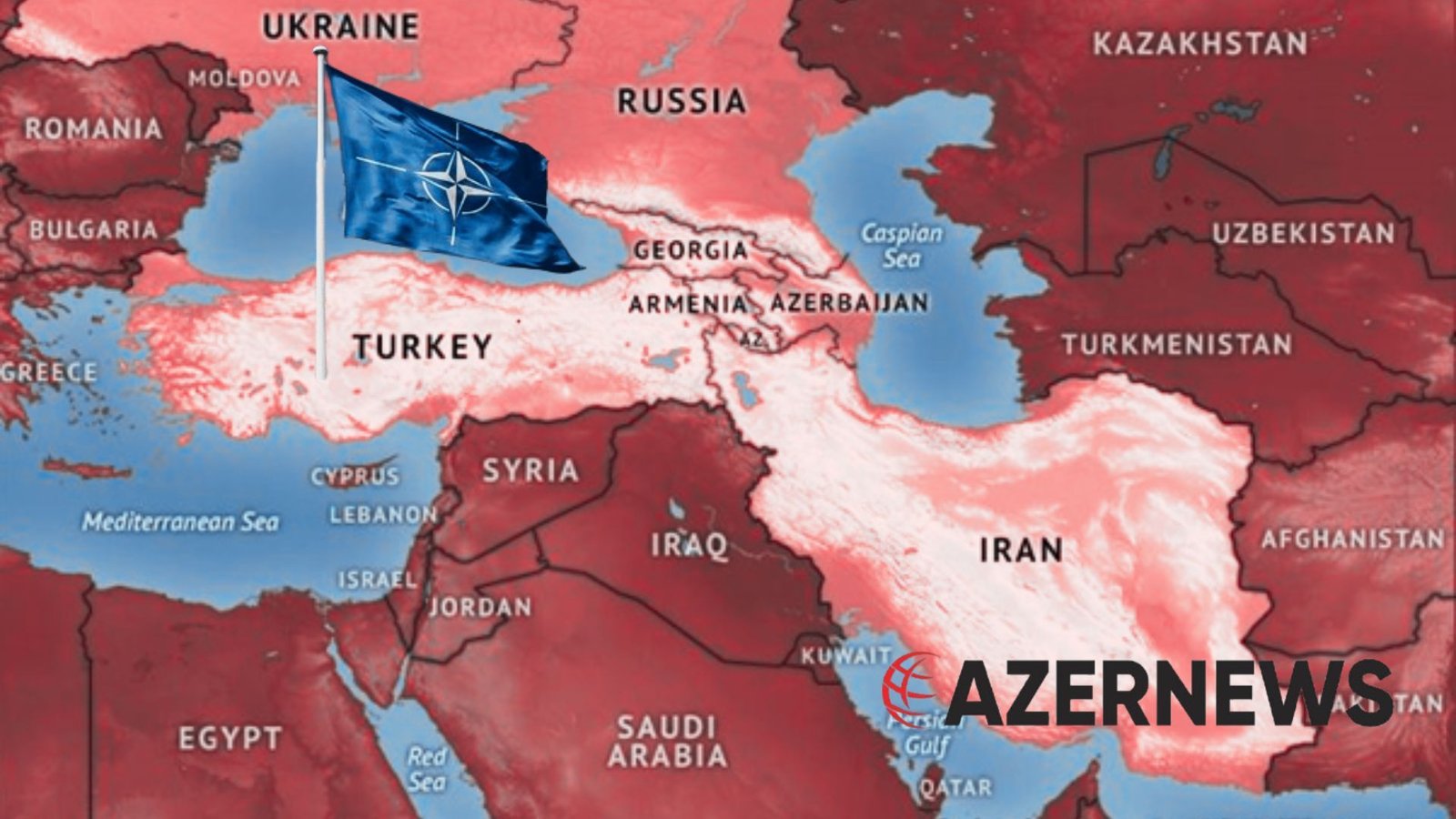
NATO air and missile defense systems deployed in the Eastern Mediterranean — systems that Turkey hosts and integrates with as a member of the alliance — have intercepted three reportedly Iranian ballistic missiles thus far. This is not only a symbolic gesture but also a significant concrete demonstration of the benefits of Turkey’s NATO membership. Amid the ongoing war, NATO’s missile defense system has proven effective in upholding Turkish security.
Notably, it was not Turkey’s newly acquired S-400 system that responded to the missiles. According to the Turkish Ministry of National Defense, the most practical and quickest system is deployed automatically in these scenarios. This suggests that either the S-400 system is less capable than NATO’s defense systems or is not fully operational. Thus, both possibilities challenge the rationale behind Turkey’s decision to purchase the Russian system in 2019.
The response from the Iranian Embassy in Ankara claiming that no ammunition from Iran was targeting Turkey illustrates Iran’s deterrence calculus. Iran’s actions, such as reportedly attacking a NATO member’s airspace with missiles and subsequently denying intentionality, indicate that it has sought to avoid inciting the alliance. Iran’s statements and actions reflect a multilayered deterrence calculation that takes the following factors into account: NATO membership, the presence of U.S. nuclear weapons at Incirlik, and Turkey’s own military capabilities.
Ultimately, NATO membership offers Turkey tangible security. NATO’s interception of the three Iranian missiles demonstrates that collective defense infrastructure is operationally effective, and that Turkey benefits from it materially. The episode also strongly aligns with what political scientists have long argued: Formal alliances with defense commitments provide measurable deterrent value, particularly against states that calculate escalation thresholds carefully.
The Unseen Force Reshaping turkey
US and Kurdish Roles in the Conflict
The unfolding conflict among the United States, Israel, and Iran has exposed the underlying tensions in the Turkey-NATO-U.S. relationship, particularly regarding Kurdish policy. Ankara’s concern about Iran-based Kurdish groups’ involvement in the conflict is compounded by reports suggesting that as of March 4, the U.S. was moving to arm Iranian Kurdish opposition groups to develop an internal opposition to the Iranian regime. If these reports materialize, it would likely strain U.S.-Turkey relations and complicate the transatlantic trust.
Ankara’s clear boundary on Kurdish autonomy near its borders is largely well-established, especially given their recent agreement with the Kurdish opposition in Turkey to disarm. The Trump administration’s stated willingness to collaborate with Kurdish forces in Iran without consulting Ankara, while relying on NATO infrastructure on Turkish soil, places Turkish President Recep Tayyip Erdoğan at a structural impasse: The ally providing the country’s security infrastructure could be simultaneously empowering forces that Ankara considers existential threats.
Reshaping turkey Via S-400 Paradox
Turkey’s Purchase of Russian S-400 System
Erdoğan’s decision to purchase the Russian S-400 system and accept delivery in 2019, despite American and NATO opposition, was the product of several internal and external factors: a fundamental aim to assert strategic autonomy within a formal alliance; insistence by Turkish aerospace industries on technology transfer; pricing of the U.S.’ Patriot system; a notable air defense gap; and post-coup domestic politics. These factors were compounded by Russian pressure following the accidental Turkish shoot-down of a Russian military aircraft and the subsequent Russian economic sanctions.
Turkey’s S-400 acquisition has come at a considerable economic and security cost. It resulted in the weakening of interoperability, capability, and confidence within NATO and led to Turkey’s exit from the F-35 program — a prospective source of significant income and technology benefits for the country. The Iran war has now crystallized an underlying paradox: The system Turkey acquired at high economic and political costs seems to have remained dormant while NATO intercepted Iranian missiles over Turkish territory.
Turkey’s refusal to grant the U.S. basing access for Iran operations aligns with its post-2003 doctrine of maintaining operational independence within the alliance, a stance characterized as “strategic ambiguity” in the current multipolar world. While the strategic autonomy to which Turkey aspires has tangible costs, its position in NATO has offered effective defense and security architecture and, thus, should remain the country’s baseline.
At the same time, such autonomy has limitations. When missiles crossed into Turkish airspace, NATO systems intercepted them, not Turkey’s autonomous partnerships with Russia or China. This asymmetry and real-world incident will likely garner attention from Turkish strategic planners, leading to a serious reconsideration in Turkey’s international orientation.
What’s Reshaping turkey Most Now
US and Israeli Views on Turkey’s Defense
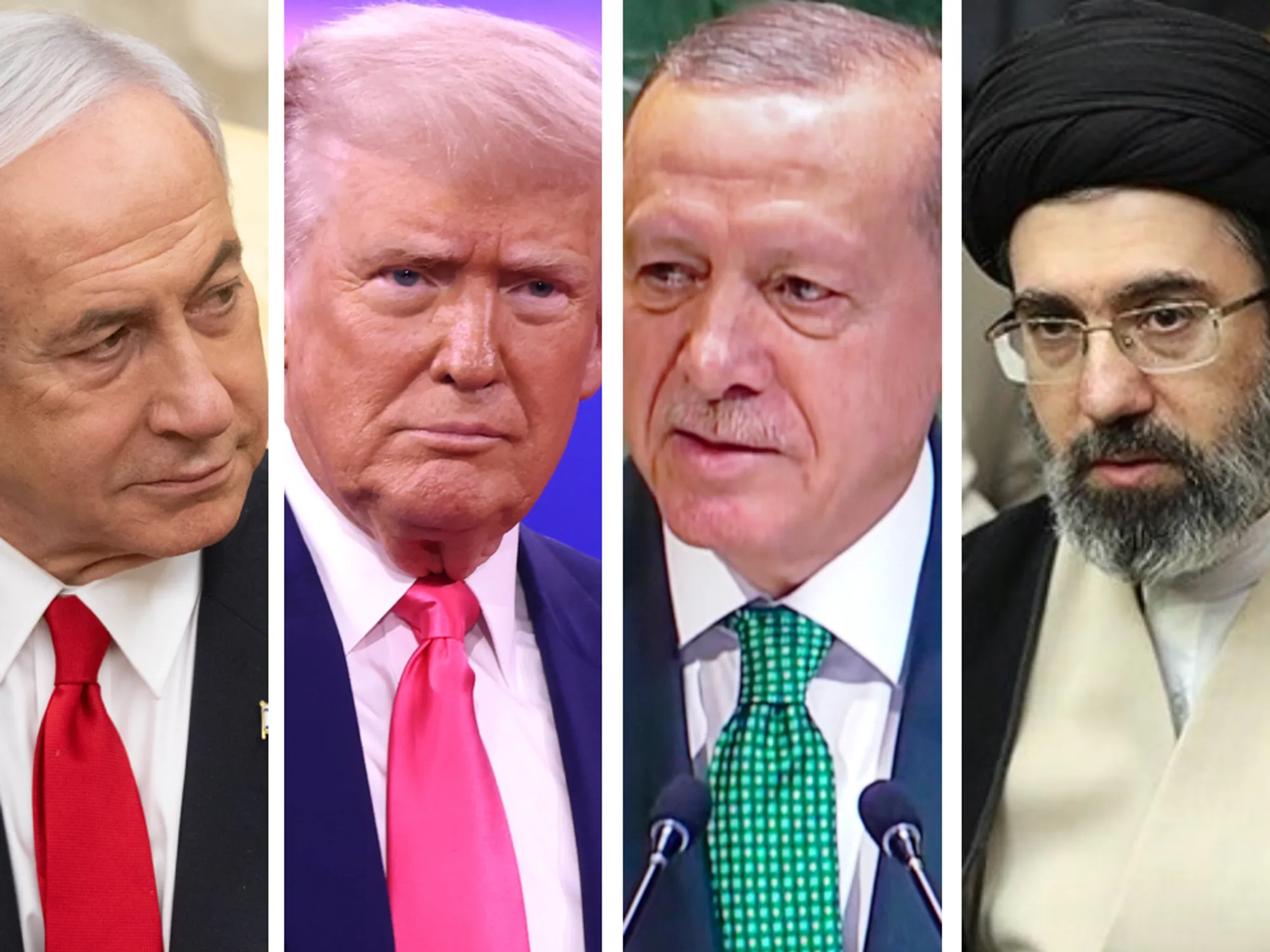
President Donald Trump’s approach to Turkey largely aligns with his broader pattern of treating NATO relationships more as bilateral deals than institutional commitments. He appears to perceive the S-400 impasse as a solvable issue, not an alliance principle. Thus, reports indicate his willingness to use the Countering America’s Adversaries Through Sanctions Act (CAATSA) waiver authority — which allows the U.S. president to exempt countries from sanctions for purchasing Russian or other sanctioned country’s defense equipment — creatively.
On Sept. 25, 2025, Trump hosted Erdoğan at the White House. The primary defense agenda item was resolving the ongoing impasse. Reports suggest that Trump expressed openness to selling F-35s to Turkey, provided Ankara formally declares its S-400 system “inoperable.” This would then allow Trump to invoke the “vital national security interests” waiver mechanism in CAATSA and notify U.S. Congress. In late 2025, U.S. Ambassador to Turkey Tom Barrack stated that Ankara was moving closer to a resolution on the S-400 system and toward a path to purchase F-35s, possibly within months.
While Trump’s approach could present a genuine opportunity for resolution, Congress and Israel continue to pose significant challenges to this agreement. Regarding Congress, the path forward remains uncertain. In addition to CAATSA — which Trump can waive — Section 1245 of the 2020 National Defense Authorization Act explicitly prohibits the transfer of F-35s to Turkey so long as it possesses the S-400 system; “inoperable” does not satisfy the statutory text requirement of divestment, according to critics.
Another central political challenge lies in Israel. A Turkey equipped with F-35s could potentially weaken Israel’s “qualitative military edge” in the Middle East. Recent statements from Israel have positioned Turkey as a potential regional adversary. Any deal between Trump and Ankara will likely require navigating Israel’s expected objections.
Turkey’s Future in NATO
Turkey is set to host the 2026 NATO Summit in July. The ongoing Iran war is likely to shape its agenda and amplify Ankara’s influence within the alliance, particularly on issues ranging from mutual security responsibilities and Middle East security architecture to the terms of collective defense in contested gray zones.
Ankara is expected to use diplomatic channels to press the U.S. to limit its engagement with Kurdish forces in exchange for continued NATO cooperation. The success of Erdoğan’s strategy to translate the current conflict into a lasting defense realignment with the West hinges both on his ability to act swiftly and on Trump’s ability to fulfill the reported agreement on Turkey’s military equipment.