
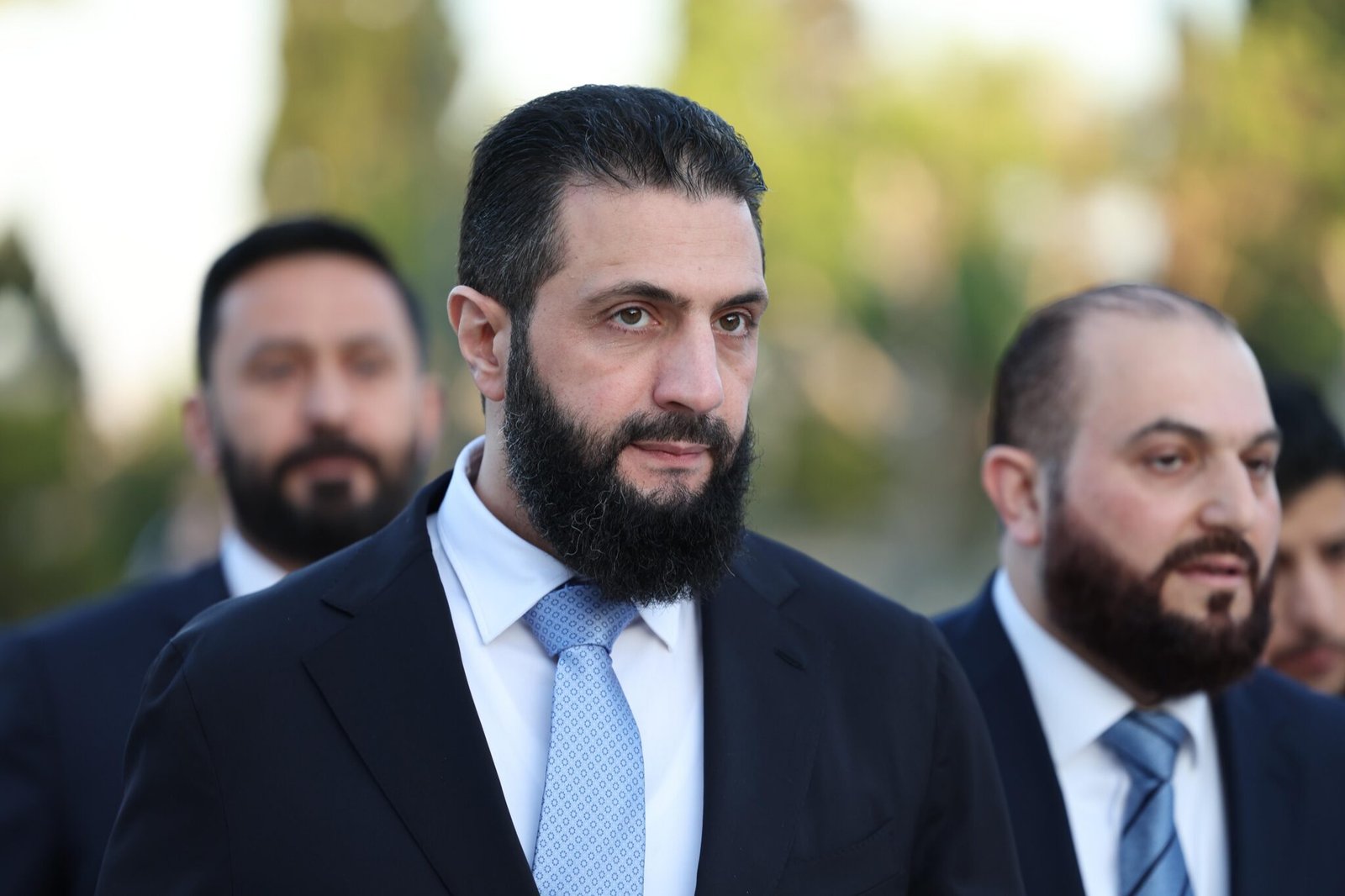
To lift Syria’s terrorism designation without enforceable conditions risks empowering extremist factions inside its military. Washington must demand verifiable demobilization of foreign fighters and monitor SDF integration before any final SST removal.
To lift Syria’s terrorism designation without enforceable benchmarks would repeat past strategic errors. Washington must leverage its remaining leverage to compel structural demilitarization of extremist factions inside Syria’s armed forces, ensuring any Syria’s terrorism designation removal is conditional, not ceremonial.
Syria’s terrorism designation demands leverage first
“The lifting of sanctions is the primary step toward revitalizing the Syrian economy,” Syrian President Ahmed al-Sharaa told President Donald Trump during a phone call on May 31.
In fact, Trump had already rolled back most sanctions on Syria. In June 2025, the president revoked a set of executive orders that anchored the Syria sanctions regime. With Trump’s support, Congress repealed the Caesar Act in December, lifting tough human rights sanctions aimed at the regime of former President Bashar al-Assad.
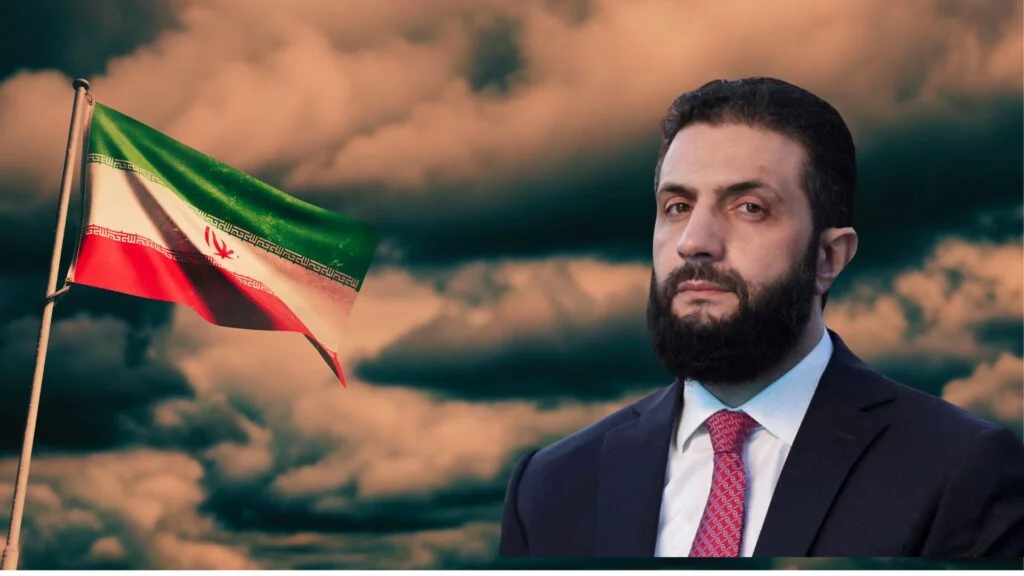
The only remaining comprehensive U.S. restriction on Syria is its 1979 designation as a State Sponsor of Terrorism (SST) due to the previous regime’s support for violent Palestinian groups. Subsequent State Department reports also mentioned Assad’s support for Hezbollah and Iran’s use of Syrian territory to back regional proxies.
The cost of Syria’s terrorism designation today
The designation continues to block arms sales, cut off foreign aid, prevent financial dealings with U.S. citizens, and expose Syria to lawsuits from terrorism victims. Washington can lift the designation if the president certifies that Damascus has not supported terrorism for six months or determines that the government has fundamentally changed. This lifting of the designation is subject to congressional review.
However, despite the fall of the Assad regime and the disappearance of many of the original justifications, there is an ongoing threat of terrorism from Syria, including the presence of thousands of foreign extremists in the Syrian army and persistent activity by the Islamic State.
Why Washington needs Syria’s terrorism designation
Syrian Finance Minister Yisr Barnieh described removal from the SST list as the “last milestone” needed to unlock American investment. The designation has deterred not only U.S. companies but also foreign governments and firms wary of the legal and financial risks of investing in Syria.
Despite optimism following the broader sanctions rollback, major Gulf investment pledges — totaling roughly $30 billion and led by Saudi Arabia, the United Arab Emirates, and Qatar — have not materialized as banks continue to hesitate over processing Syria-related transactions.
According to Al-Monitor, the Syrian government was in talks with Microsoft to purchase 50,000 software subscriptions for government employees, but the deal collapsed after the company declined to apply for an export license. Because Microsoft is an American company, Syria’s SST designation restricts sales to the Syrian government absent a specific license, a process complicated by high legal costs and difficult approval requirements.
Syria’s terrorism designation ignored by army
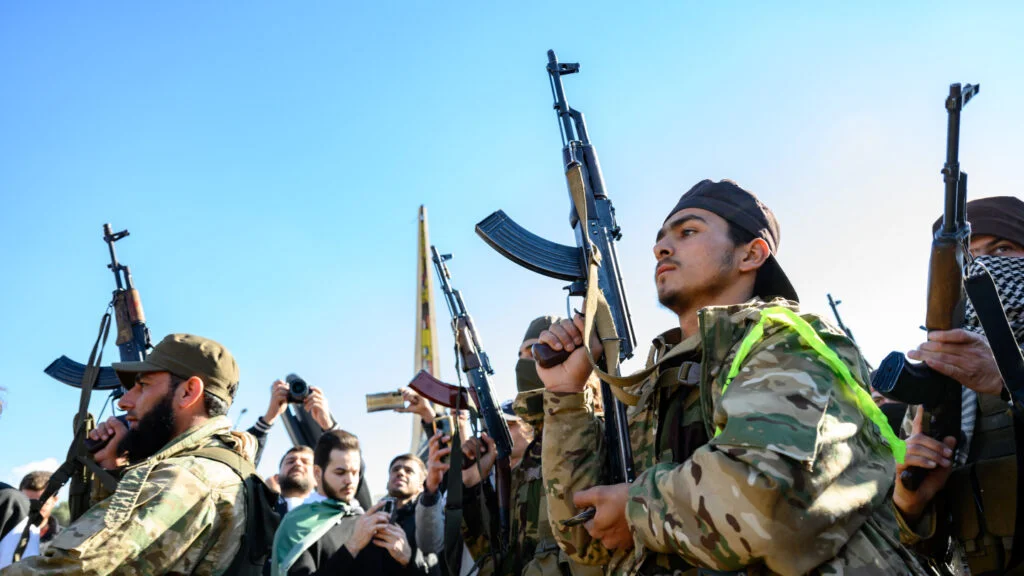
The Syrian government integrated several U.S.- and UN-designated terrorist groups into its armed forces, including Katibat al-Tawhid wal-Jihad, an Uzbek terrorist faction folded into the Syrian army’s 84th Division, and the Turkistan Islamic Party, a Uyghur group designated by the United Nations. The latter group’s leader, Abdul Haq al-Turkistani, continues to serve on al-Qaeda’s Shura Council.
According to the UN Security Council Monitoring Report, ISIS had separately “infiltrated newly formed Syrian security structures, particularly at the lower and mid-level ranks.” In December 2025, a newly recruited Syrian soldier with allegedlinks to ISIS killed two U.S. soldiers in Palmyra.
The Syrian government has also failed to manage the issue of ISIS prisoners in the al-Hol camp in northeastern Syria. Last month, a U.S. government oversight report found that “as many as 20,000 residents, including thousands of ISIS family members, fled the camp without monitoring” following clashes between Damascus and the Kurdish-led Syrian Democratic Forces (SDF). The clashes resulted in a U.S.-mediated agreement to integrate the SDF into the Syrian army.
Lifting Syria’s terrorism designation with conditions
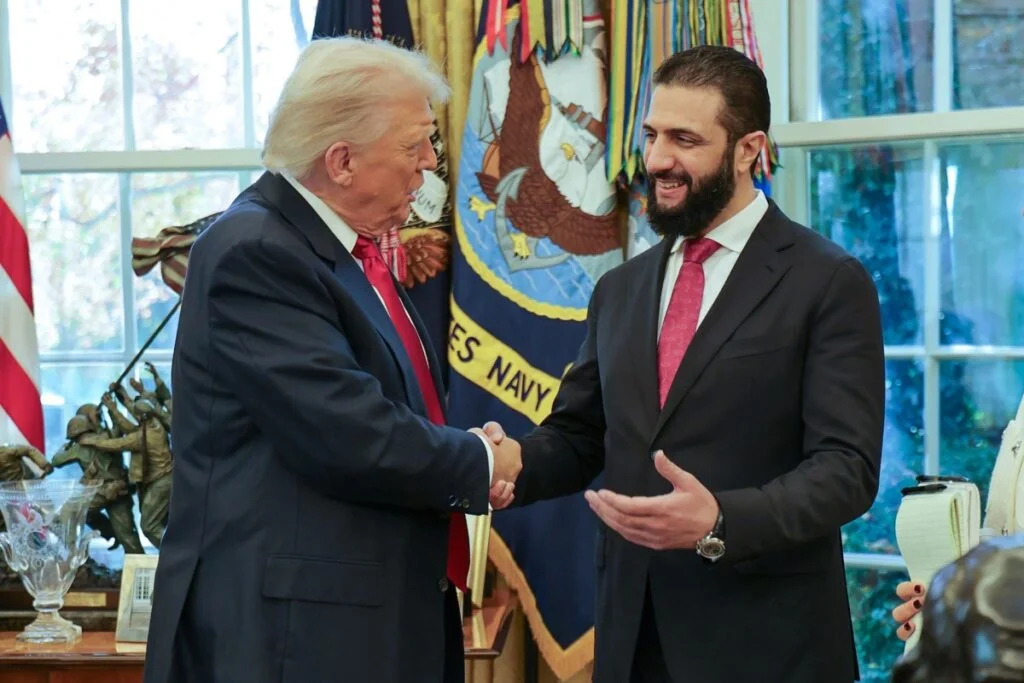
Trump has continued to praise Sharaa and maintain his commitment to lifting sanctions. Despite not receiving any formal concessions in return, the United States still holds leverage through the SST designation to steer Syria toward alignment with U.S. counterterrorism interests.
Washington should therefore use the designation to pressure Damascus to remove and demote foreign fighters within its security forces, particularly members of U.S.-designated terrorist organizations in the Syrian military. Additionally, Washington should continue monitoring the implementation of the SDF-Damascus integration agreement, as fully and carefully integrating the SDF into the state military structure could help counterbalance terrorist elements that remain within the Syrian army.