
Damascene security forces harbor al-Qaeda affiliates as Washington proceeds with regional terror de-escalation tracks. While state channels block Hezbollah logistics, integrated foreign paramilitaries exploit domestic infrastructure to run illicit border smuggling rings.
Economic recovery plans collide with deep defense integration vulnerabilities across Damascus as Washington plans its policy shifts. Unilateral diplomatic maneuvers create acute vulnerabilities if state organs fail to purge embedded jihadist factions. Dealing with the reality of Syria’s Terrorism requires clear security compliance, not unearned concessions that expose regional interests to resurgent radical groups.
Syria’s Terrorism Delisting Underway
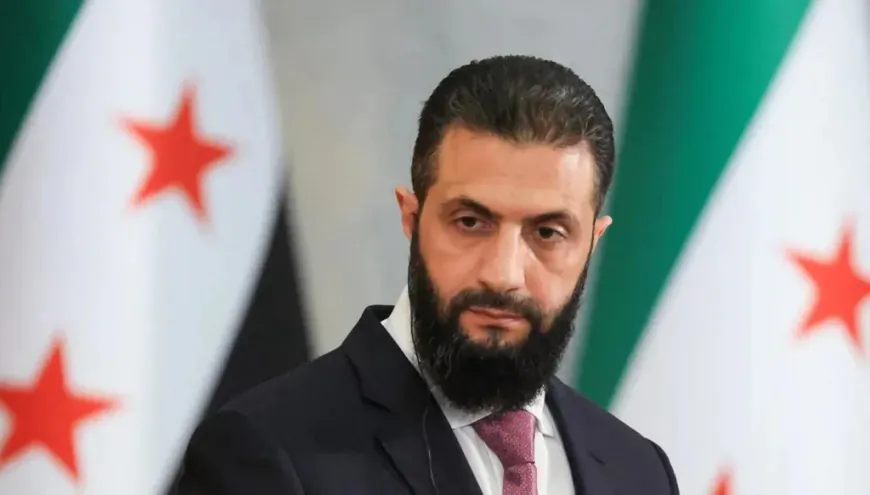
“I promised to remove all barriers stopping you from rebuilding your country, and very soon, you will finally be able to do so,” President Donald Trump wrote in a letter to Syrian President Ahmad al-Sharaa after agreeing to remove the last major sanctions regime on Syria.
The State Sponsors of Terrorism (SST) designation was first imposed in 1979 due to the former Assad regime’s support for Palestinian terrorist organizations. The designation blocked arms sales, cut off foreign aid, prevented financial dealings with U.S. citizens, and exposed Syria to lawsuits from terrorism victims.
The delisting process Trump alluded to requires the White House to submit a report to Congress certifying either a fundamental change in Syria’s leadership and policies, or that the Syrian government has not supported international terrorism during the previous six months and has provided assurances that it will not do so in the future. Congress then has 45 days to review the proposed rescission and can block it through a joint resolution.
Syria has indeed undergone a fundamental change in leadership since the regime of Bashar al-Assad was overthrown. Progress on U.S. counterterrorism priorities remains uneven, however. There are serious concerns about the presence of U.S.-designated foreign terrorist groups within Syria’s security apparatus, as well as unresolved issues related to counterterrorism financing.
Security Apparatus Incorporates Syria’s Terrorism Factions
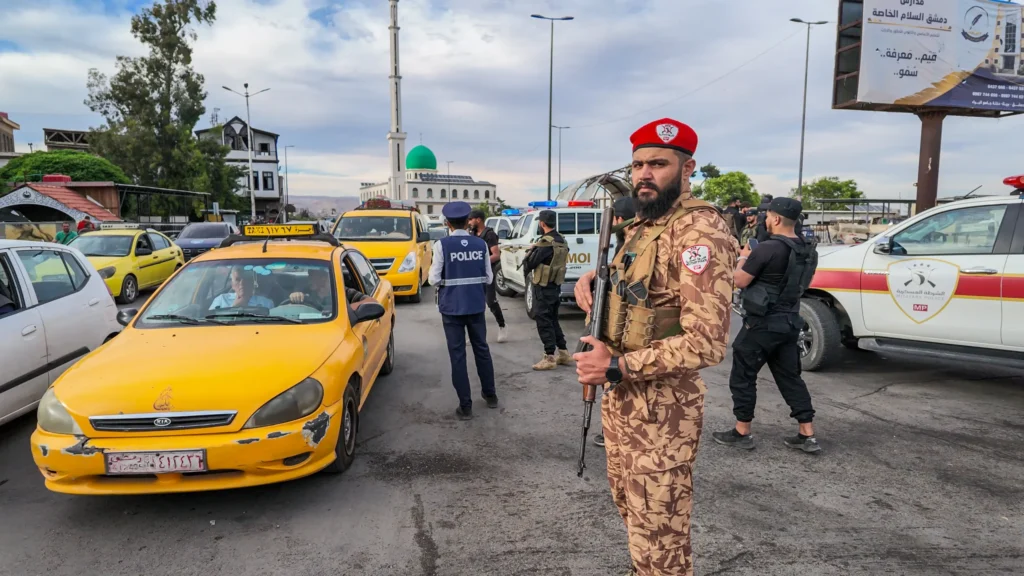
The Syrian government has integrated several U.S.- and UN-designated terrorist groups into its armed forces, including Katibat al-Tawhid wal-Jihad (KTJ), an Uzbek terrorist faction folded into the Syrian army’s 84th Division, and the Turkistan Islamic Party (TIP), a Uyghur group designated by the United Nations. TIP leader Abdul-Haq al-Turkistani continues to reside in Afghanistan, and despite TIP’s presence in Syria, its faction in Syria remains beholden to the commands of al-Turkistani, who retains close links with the Taliban and al-Qaeda. The same applies to KTJ, which, despite being smaller in numbers than TIP, has also maintained close ties with both the Taliban and al-Qaeda.
Foreign fighters in Syria have already been implicated in activity that undermines U.S. counterterrorism priorities. In January 2026, after the government assumed responsibility for camps in northeastern Syria holding the families of Islamic State (ISIS) fighters, detainees at al-Hol were released by foreign fighters within the Syrian army. According to five unnamed sources who spoke to Syrian journalists, “the first large, organized smuggling operation out of the camp was led by a foreign commander in the Syrian army.” The sources added that Syrian government-aligned foreign fighters opened the camp’s northern fence and helped remove foreign women through a coordinated convoy of vehicles.
Hezbollah Finance Networks Threaten Syria’s Terrorism Policies
When it comes to Hezbollah, Damascus has made real progress in disrupting the Iranian proxy’s networks for smuggling weapons into Lebanon. While some shipments have likely slipped through, the flow has decreased significantly compared to the Assad era. But Hezbollah’s financial infrastructure in Syria remains largely unaddressed.
Under Assad, Hezbollah built an extensive network of front companies in Syria, often in partnership with regime-linked businessmen. Since Assad’s ouster, Damascus has prioritized economic recovery over dismantling these networks by providing amnesty to Assad-era businessmen in exchange for a one-time fee. In June, the U.S. Treasury Department designated al-Ahd Trade and Investment, a Syrian company, for providing material support to Hezbollah. Al-Ahd is only one example of a Hezbollah-linked company continuing to operate inside Syria.
Syria’s Terrorism Benchmarks For Washington
Trump has maintained his commitment to Sharaa by lifting sanctions without putting any conditions on the relief.
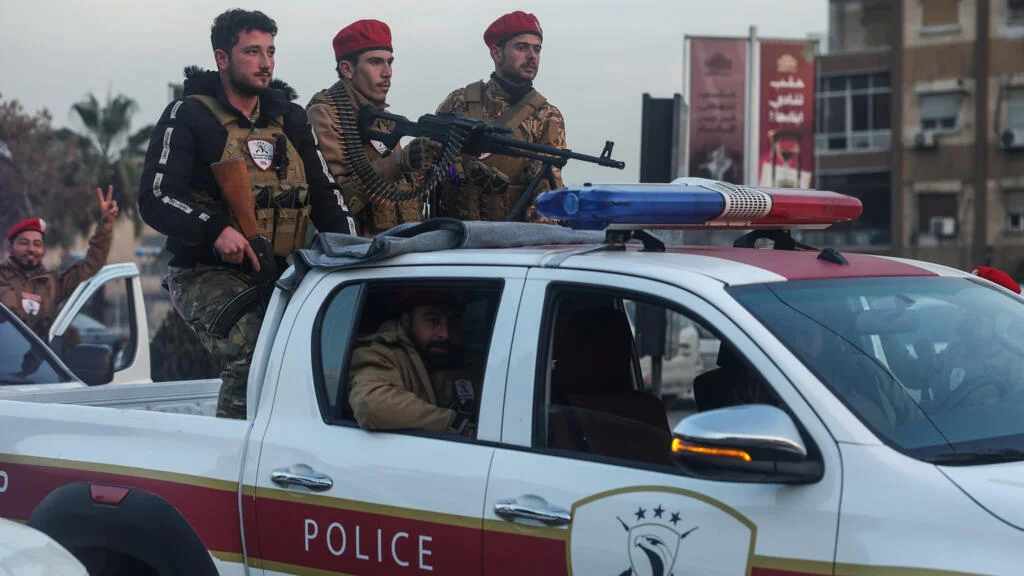
The United States should now prioritize its counterterrorism interests by pressing Damascus to remove foreign fighters within its security forces, especially those affiliated with U.S.-designated terrorist organizations. If Damascus fails to act, Washington should designate as terrorist entities the Syrian army divisions that incorporate these factions. Washington should also continue targeting Hezbollah’s residual financial infrastructure in Syria and make clear it expects Damascus to do the same. Nor should Washington hesitate to sanction those Assad-era businessmen granted amnesty by Damascus despite their ongoing support for Hezbollah.