
A high-level strategic evaluation of anti-corruption campaigns across Iraq, Tunisia, and Saudi Arabia, analyzing whether structural judicial arrests signify genuine institutional rule-of-law reforms or political mechanisms to reallocate domestic state influence.
The strategic reconfiguration of Middle Eastern governance frameworks is increasingly driven by systemic initiatives targeting state malfeasance. Evaluating whether these campaigns signal an institutional transition toward accountability or a tactical consolidation of elite authority remains critical, as the political utility of fighting corruption often shifts between authentic rule-of-law execution and factional purges. Ultimately, tracking how regional capitals manage judicial transparency reveals whether fighting corruption serves structural modernization or merely acts as a facade for domestic power rebalancing.
Fighting corruption in Baghdad contexts
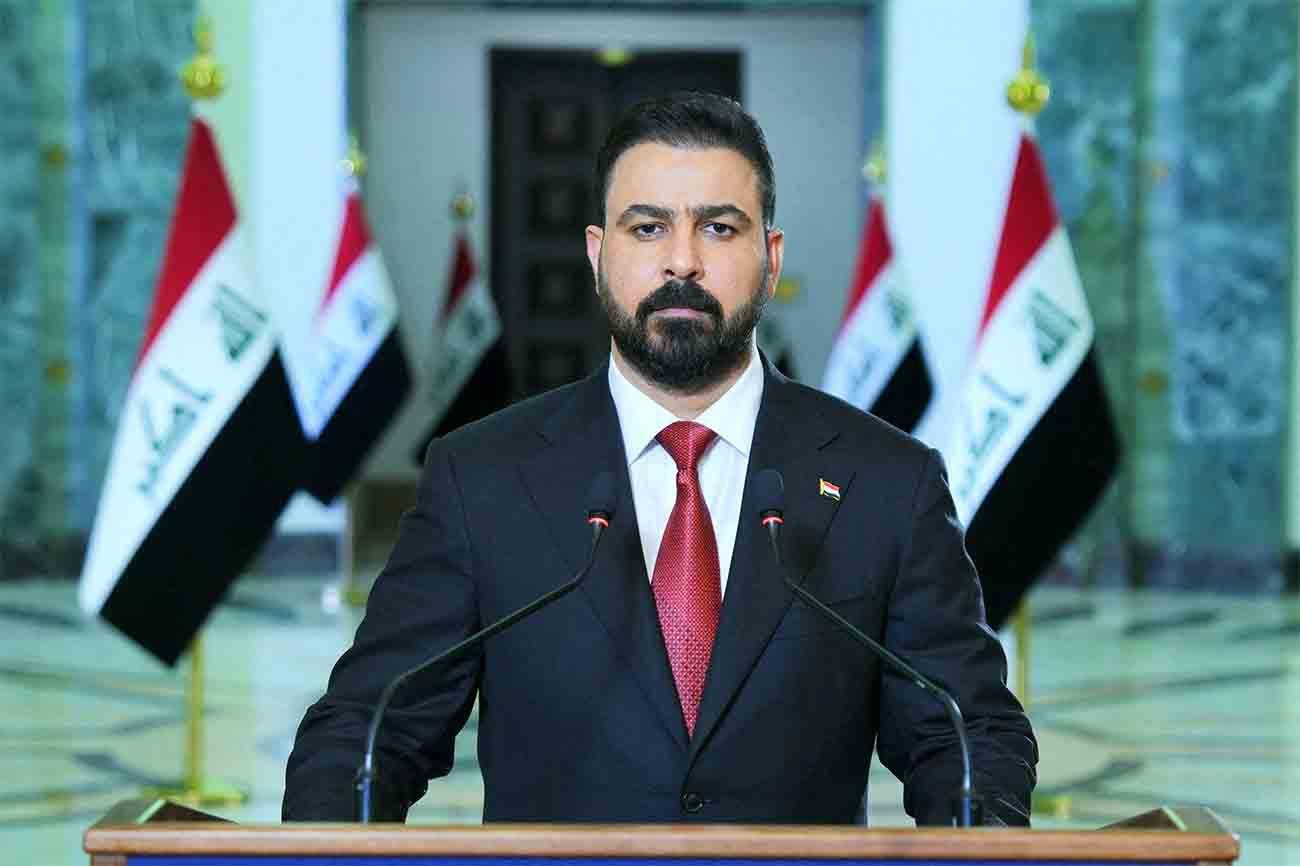
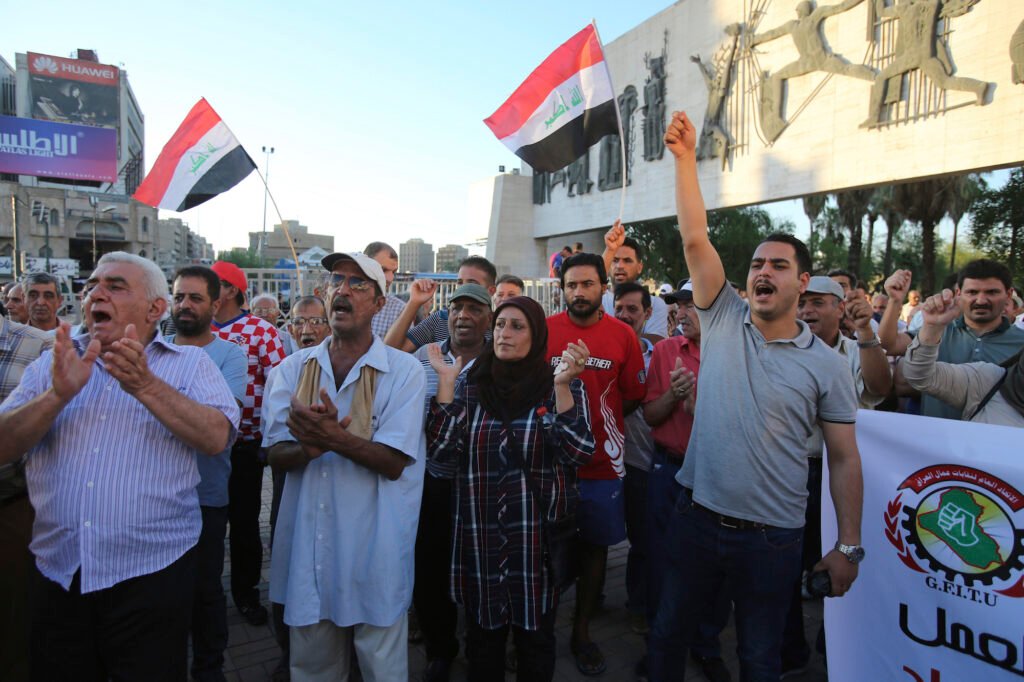
What Baghdad witnessed on June 28 was not just a passing security news update. The wave of arrests targeting politicians, officials, and influential figures—announced by the Iraqi government as an anti-corruption campaign—has opened the door to a question far bigger than the names and numbers of those detained: Are we witnessing the beginning of genuine institutional reform, or a political moment aimed at redistributing power within the state under the banner of fighting corruption?
Iraq, long exhausted by sectarian power-sharing (muhasasa), corruption, and the entanglement of political money with party influence, undoubtedly needs a serious confrontation with corruption. However, recent Arab experiences show that the fight against corruption is not measured solely by the number of arrests, but by the management of the file, the degree of transparency, the independence of the judiciary, and whether the campaign will apply to everyone equally or transform into a tool to weaken rivals and empower others.
The Tunisian fighting corruption model
In Tunisia, following the measures of July 25, 2021, President Kais Saied utilized the rhetoric of the “war on corruption” within the context of centralizing power in his hands. He spoke of hundreds of businessmen accused of plundering public funds and proposed the idea of a “penal reconciliation”—meaning the return of funds through development projects instead of prison time.
The idea was appealing in principle: reclaiming public wealth and channeling it into local development. However, it was not a single, self-contained campaign, but rather an extended political and judicial process in which the slogan of fighting corruption became intertwined with a broader conflict over the nature of governance, institutional checks, and the balance of power.
Regional precedents of fighting corruption
Meanwhile, in Saudi Arabia, the scene was sharper and more sudden. On the evening of November 4, 2017, King Salman bin Abdulaziz issued a royal decree establishing the Supreme Anti-Corruption Committee, appointing Crown Prince Mohammed bin Salman as its chairman.
The committee was granted sweeping powers, including investigation, arrest, travel bans, and asset freezing. Just hours later, a massive sweep of arrests began, ensnaring 11 princes, dozens of ministers and former officials, and several top businessmen—most notably Prince Al-Waleed bin Talal—in what became known internationally as the “Ritz-Carlton hotel” case.
Fighting corruption alters institutional dynamics
The official Saudi narrative stated that corruption had cost the state hundreds of billions of dollars over decades, and that the goal was to reclaim public funds. Indeed, the files of many detainees concluded with financial settlements, involving the forfeiture of funds or assets in exchange for their release, while other cases were referred to the judiciary.
However, the campaign was not read solely as an anti-corruption operation; many observers noted that it also served to subjugate a portion of the old economic and political elite, while centralizing political decision-making in the hands of the new leadership.
Future tests facing fighting corruption frameworks
The test before Iraq
Herein lies the significance of the comparison with Iraq. The Iraqi campaign holds the promise of real reform if it adheres to the law, transparency, and equality before the judiciary. Yet, in the absence of solid guarantees, it risks turning into another version of Arab campaigns that raised the banner of fighting corruption while ultimately serving to rearrange the scales of power within the state.
The fundamental question is not: Is there corruption? The answer to that has been well known in Iraq for years. The real questions are: How will this confrontation be managed? Will evidence be presented to the public? Will the trials be open? Will the rights of the accused be respected? Will the judicial process affect all parties, or will it be restricted to political opponents and specific networks?
The strength of the Iraqi campaign will not be measured by the scale of the arrests, but by its capacity to rebuild trust between the state and society. Iraqis do not just need to see corrupt individuals behind bars; they need to see an independent judiciary, clear procedures, public evidence, and fair trials. Transparency here is not a legal detail, but a fundamental prerequisite for restoring trust.
Therefore, following the experiences of Saudi Arabia and Tunisia, Iraq stands before a decisive test: Will the fight against corruption mark the beginning of state reform, or just another moment for redistributing influence? The answer will not emerge on the day of the arrests, but inside courtrooms, in how evidence is presented, and in the government’s ability to convince Iraqis that the law stands above everyone—not just the weak.