
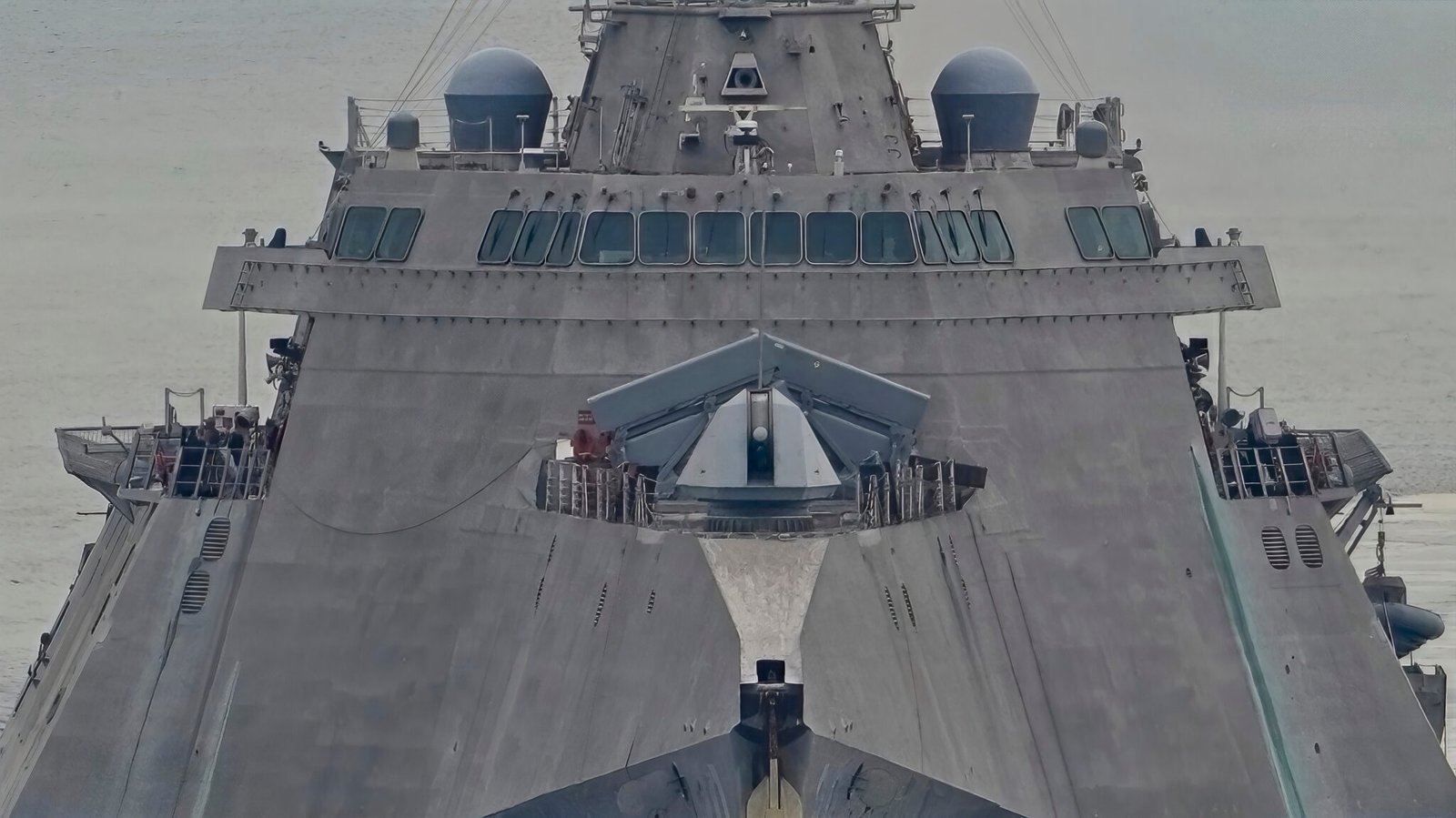
Fleet constraints force immediate global maritime re-indexing. Western forces must prioritize the Arabian Sea and South China Sea over the Eastern Mediterranean to check Chinese energy lifelines, neutralize Iranian strikes, and exploit a diminished post-war Russian Black Sea threat.
Global maritime volatility demands an immediate reallocation of Western naval assets to secure critical bottlenecks. Washington must aggressively adjust its deployment footprint, as this specific US Navy pivot represents the only viable method to counter dual-theater coercion from Beijing and Tehran. This necessary US Navy operational evolution must occur before industrial shipbuilding can realistically close the structural tonnage gap.
US Navy Structural Tonnage Realities
Back in 2016, when the US Navy was determining the size of its fleet, it settled on 355 warships. That’s likely not adequate today. But the world won’t wait the decade-plus required to build that larger fleet, so in the immediate future, the Navy will need to focus its operations differently, as the Iran conflict demonstrates.
When the Iranian regime again violated the ceasefire by attacking neutral shipping on June 25, it elicited strikes from nearby US naval forces. The prospect of sustained strikes earned a retort from President Donald Trump: “…for violating the Cease Fire Agreement, AGAIN! It is very possible that they will never learn!” This conflict, as well as events in the Caribbean, China’s rising naval profile in Asia, and the ongoing war in Ukraine, are ushering in a new geopolitical reality that the United States must act to dominate—or else be its victim.
Rethinking The US Navy Regional Footprint
After a hiatus of a couple of years, US naval deployments have been shifting back to the Arabian Sea since the October 7, 2023 Hamas attack on Israel—arguably the beginning of the current conflict with Iran. Moreover, should the conflict in Ukraine come to a favorable conclusion—and there is growing cause for optimism—the focus of sustained naval operations will necessarily change.
This assumes negotiations to end the conflict in Ukraine preclude or cap future Russian Black Sea Fleet naval operations and its reconstitution. Ideally, this outcome could lead to a diminution of Russian naval threats in the European theater that our Navy and NATO allies would have to contend with.
Two Decisive Theaters For The US Navy
Prior to the current conflict with Iran and its proxies, a 2020 report postulated the need to focus limited US naval forces in two “decisive theaters” for greatest strategic effect against Russia and China. Given the simmering tensions in East Asia, the primary decisive theater for winning today’s New Cold War must remain the South China Sea.
However, given shifting threats (Russia, narco-terror cartels, dark fleets, Iran) and the importance of the Arabian Sea to China’s energy needs, emphasis on the Eastern Mediterranean is being eclipsed. As such, the Navy should reassess deployment planning to emphasize two regions: the Arabian Sea and the South China Sea.
US Navy Indian Ocean Expansion Plans
Getting this done with a too-small Navy requires new thinking. Building on the recent renaming of the Indo-Pacific Command (INDOPACOM) as the “Pacific Command,” an embrace of the strategic importance of the Indian Ocean region could include reforming joint combatant commands—perhaps an “Indo Command.” For the Navy, this would include expanding the 5th Fleet’s area of responsibility, based in Bahrain, to the entire Indian Ocean. Such a move is common sense, given the operational and threat continuity across this maritime theater.
Additionally, the emphasis on the Pacific that INDOPACOM’s recent name change indicates requires a focus on maritime military operations for greater strategic effect in the South China Sea. Step one is restoring the 1st Fleet on a currently Singapore-deployed Expeditionary Fast Transport as its mobile command ship. This added regional presence would also provide fleet-level operational focus and numbered fleet-level support for AUKUS in nearby Western Australia.
Urgent Structural Changes Within The US Navy
Despite significant investment and leadership by President Trump and Congress, the Navy will reach a nadir next year before beginning a delayed expansion to meet the China threat. As such, structural changes that enable most effective sustained naval operations are urgently needed. This begins with the president making bold moves, as he has done before, including the creation of Space Force and moving Israel under Central Command’s responsibility—decisions that have had a huge effect. We need these structural changes now.