
Trump’s Iran Options form a strategic paradox where escalation and withdrawal both reinforce Tehran’s leverage. The failed MOU and new strikes expose a conflict without exit, forcing a choice between costly war expansion and accepting a defeat that reshapes global energy security.
The Penrose stairs of Trump’s Iran strategy reveal an inescapable trap: each escalation loops back to the same strategic dead end, yet withdrawal offers no cleaner exit. With Trump’s Iran Options narrowing to either costly war expansion or a flawed truce, the administration’s Trump’s Iran Options now hinge on managing defeat rather than securing victory.
Trump’s Iran Options Escalation Trap
President Donald Trump’s Iran entanglement is beginning to resemble a visual illusion known as the Penrose stairs, which endlessly climb and descend but always end up in the same place.
The predicament is of Trump’s own making after he launched a war that never promised a definitive exit and crafted a memorandum of understanding that failed to address the reasons for the conflict.
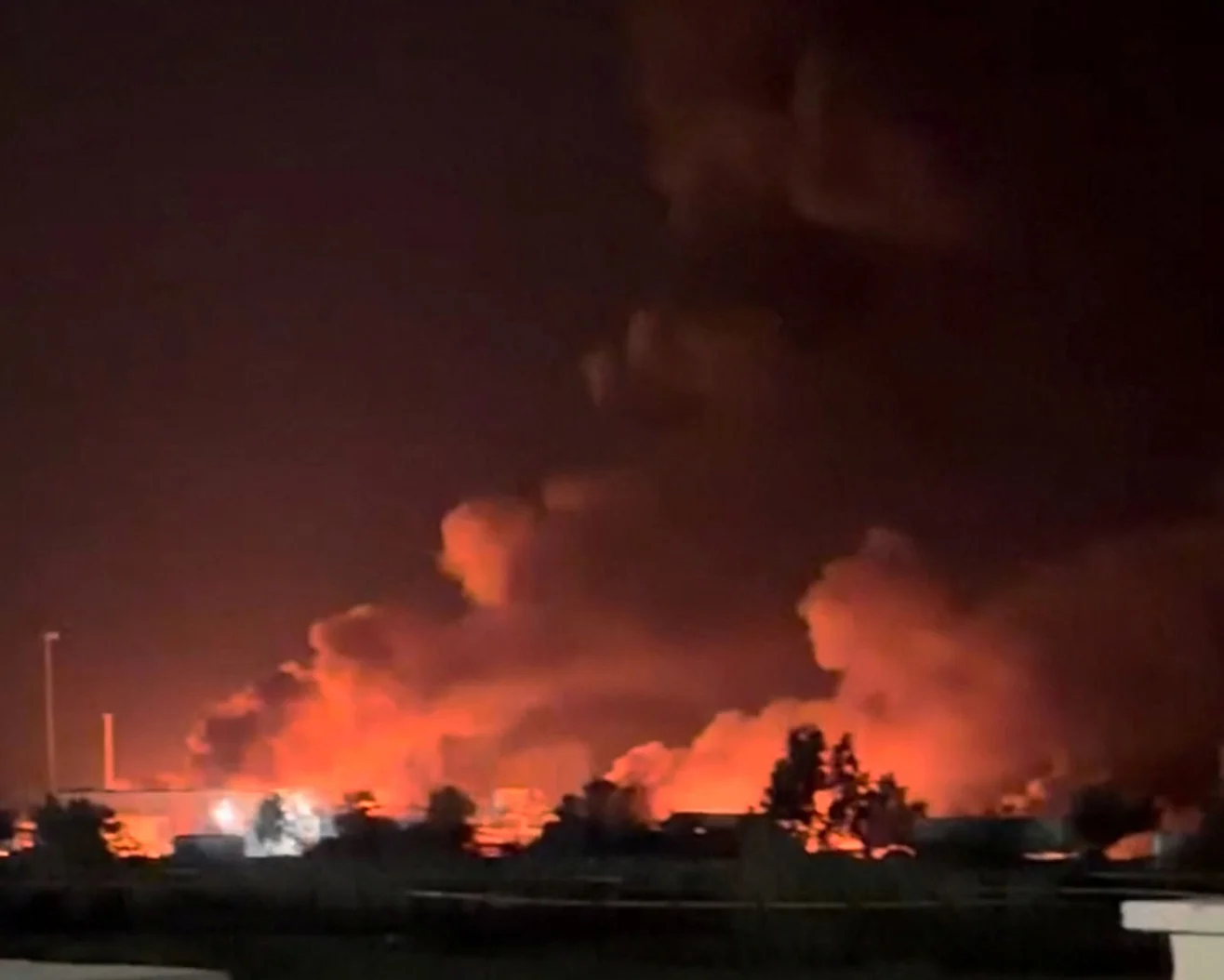
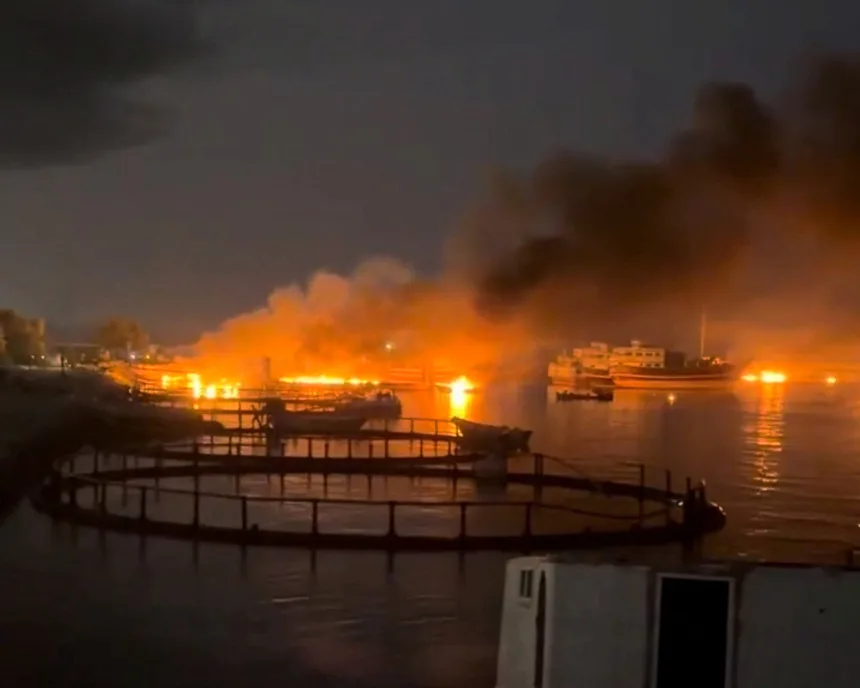
He was left staring at a familiar dilemma as smoke cleared late Wednesday from new US air strikes to punish Tehran’s attacks on shipping in the Strait of Hormuz.
Does he escalate the war — at a potentially high human, economic and political cost — to try to shatter a new status quo that hands Iran the most leverage? Or does he try to revive a flawed ceasefire that pays Iran billions just to talk?
The latest flare-up, just three weeks after Trump signed the MOU with Tehran that he hailed as a deal only he could make, underscored the broad futility of the US war effort so far.
The Costly Trump’s Iran Options Reality
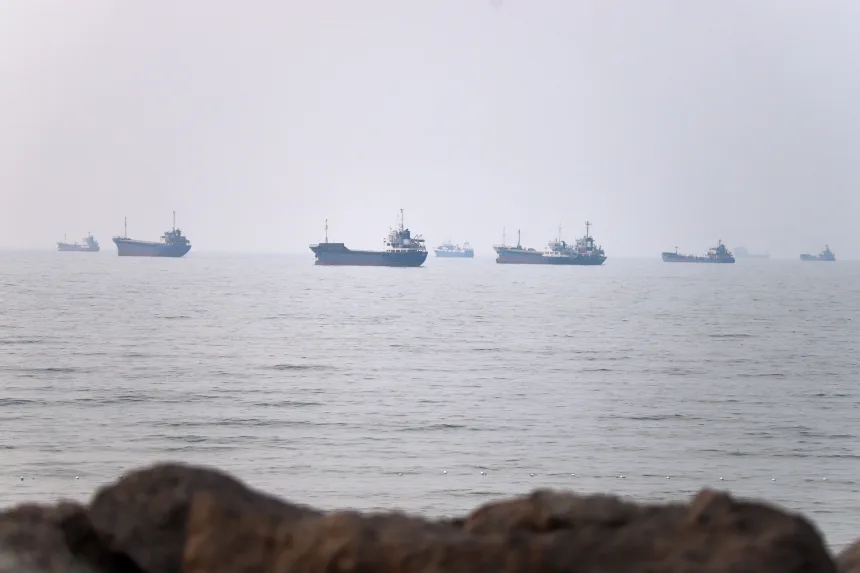
In essence, by firing off a new flurry of missiles and air attacks, he risked starting a second war to correct the damage — Iran’s grip on the Strait of Hormuz — that was caused by the first.
Iran’s attacks on shipping underscored its determination to preserve that leverage, which, apart from its repressive regime’s survival, was its major war gain. It wants to turn the critical oil and gas transit route into revenue by levying tolls. The strikes against several ships seemed intended to force vessels to navigate only along its preferred routes, confirming its dominance.
The attacks, and the US reprisals, appear to contradict the MOU. But the document — negotiated by the team of US envoy Steve Witkoff and Trump’s son-in-law Jared Kushner — is so vague, lacking in enforcement and credulous about Iran’s intentions that it’s hardly surprising it has already fizzled.
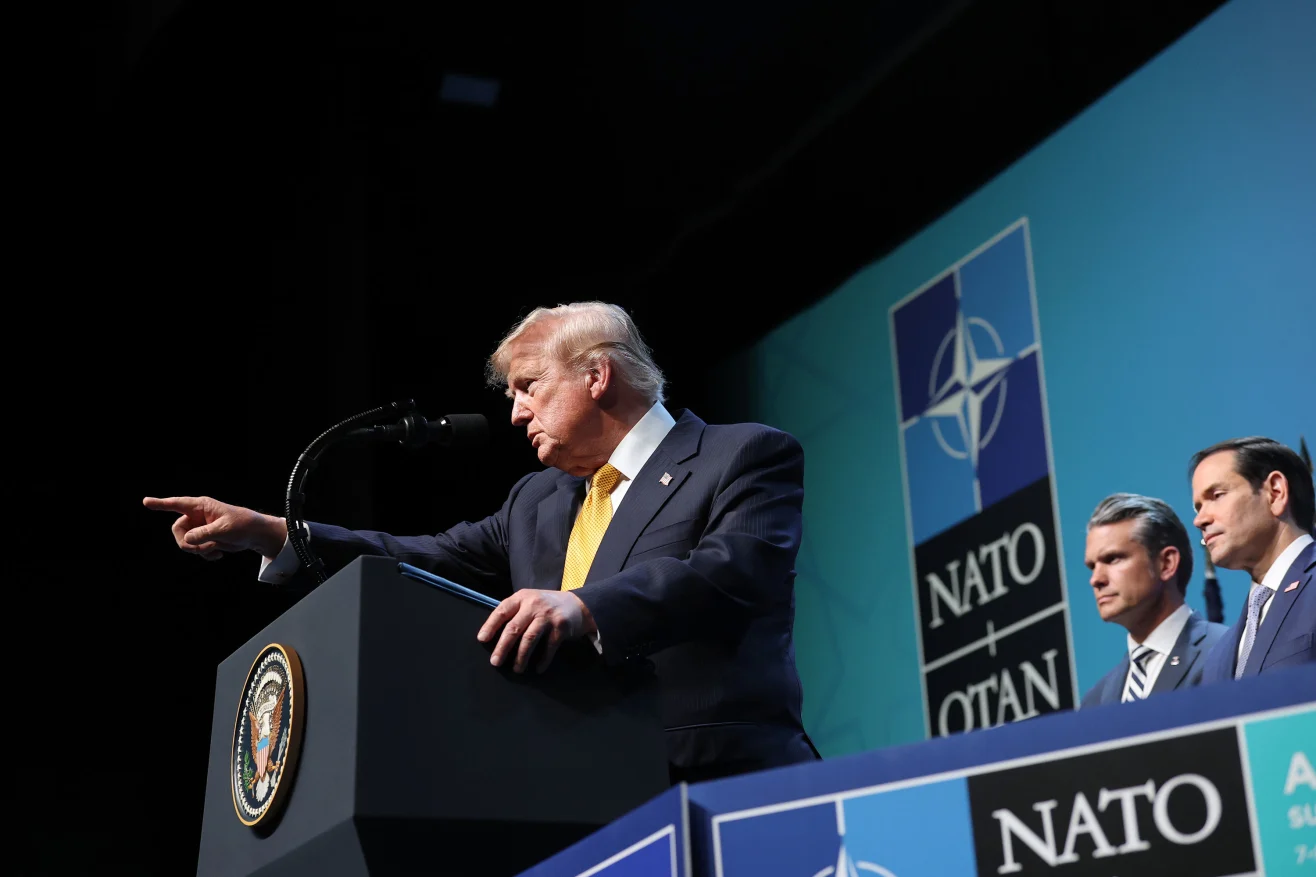
A furious Trump said on a trip to the NATO summit in Turkey that the MOU was now “over” and blasted Iran as “cuckoo.” But he said his negotiators could continue talking if they wanted. Deepening the impression of strategic incoherence, he added: “They’ll never build a nuclear weapon under our deal, but I don’t know if we’re going to have a deal. We may just do it without a deal because you know what, it’s easier.”
Walking Away From Trump’s Iran Options
Absent some out-of-the-box plan no one has thought of, Trump’s options are narrow and might not work.
He could order a massive escalation. While an invasion of Iran is unthinkable, he might contemplate air attacks on Iranian civilian infrastructure or power plants, or an invasion of coastal districts along the strait to drive back Iranian forces. Another possibility is an operation to seize Iran’s Kharg Island oil hub.
But the costs could be huge and might trigger the economic backlash he specifically explained he was trying to avoid in signing the MOU. A Marine or special forces assault on Kharg would risk high US casualties. For all his other missteps, Trump has not so far emulated presidents who tried to buy back their own credibility by ordering action that killed many US service personnel or civilians.
Any US escalation would not come in a vacuum.
Widening target lists in Iran would likely cause payback attacks on US Gulf allies and American regional bases. Oil and gas plants could be in the firing line — again with the possibility of igniting a global energy crisis.
Then Trump would face a backlash at home, including a return to high gasoline prices that helped pummel his political standing during the war and hurt already-perilous Republican Party prospects before the midterm elections.
It’s not even clear that full-scale war would destroy Iran’s capacity to threaten the strait, given that a few drones could halt commercial shipping from launch sites miles away.
Rep. Adam Smith, the top Democrat on the House Armed Services Committee, said on CNN Wednesday that Trump’s predicament showed why hawks calling on him to “finish the job” in Iran were misguided. “You’re not going to be able to, quote, finish the job, unquote, to the point where it breaks Iran,” Smith said. “That was always the flaw in the argument for starting this war in the first place. And now we’re in that hole.”
In theory, Trump could restore the US blockade on Iranian ships and ports after already rescinding a waiving of oil sanctions agreed under the MOU. But after weeks enduring the first such embargo, Iran came nowhere near the “unconditional surrender” that Trump demanded.
Trump’s Iran Options Threat Cycle
Retired Adm. James Stavridis, while acknowledging that Trump didn’t have a great set of options, told CNN’s Jim Sciutto that Trump’s best course of action may be to go after economic targets in Iran. “We are bringing a knife to a knife fight, but we’ve got a gun,” Stavridis said. “Frankly, I don’t think we’re going to conquer Kharg Island, but we could blockade it. That would be the end of the Iranian economy.”
Stavridis caveated his comment with the potential for severe Iranian retaliation. But perhaps sustained, painful economic pressure on Iran might force the regime, despite indifference to the suffering of its citizens, to consider whether it could indefinitely bear the political consequences of a ravaged economy.
The Strategic Trump’s Iran Options Trap
One possibility might be for Trump to simply walk away, leaving the world with the reality of a contested Strait of Hormuz. That would mean more expensive energy and a dangerous and more expensive passage for ships. Markets might adjust. But he would not be able to insulate the US from economic consequences — including the stock indexes he uses as a barometer of personal success.
Eventually, a lower volume of oil on the market could critically deplete reserve stocks. And ignoring the problem would enshrine an embarrassing defeat for the president and wreck global perceptions of US power. Iran could flaunt its prime leverage from the war in perpetuity.
That opportunity is now so valuable that it has caused Iran’s new rulers to risk a deal that provided billions of dollars in waived US sanctions and reconstruction funds. Once again, the assumptions of an administration led by tycoons that everyone can be swayed by monetary gain — already undermined in Ukraine — look increasingly threadbare.
That means new scrutiny of Trump’s top negotiators Witkoff and Kushner. A new CNN report Wednesday cited multiple former US officials familiar with the effort saying that many career government employees with expertise needed to negotiate a complex agreement with Iran, including nuclear specialists, were consulted only intermittently. The White House dismissed such criticisms as carping from outsiders who had never made a deal.
At the same time, however, Iran’s approach comes with serious risks. The potential overplaying of its hand could bolster regional support for any hardened US approach. It may also hint at divisions inside the regime, as newly elevated, nationalistic Islamic Revolutionary Guards Corps officials seek to discredit more moderate colleagues who want to negotiate.
The limited US options offer a potential explanation for why Trump, fresh from ordering Wednesday’s strikes, was soon back to making threats.
“If it happens again, it will get much worse,” he wrote on social media. But Iran didn’t cave to such warnings during the far more sustained and aggressive US and Israeli bombing earlier in the war.
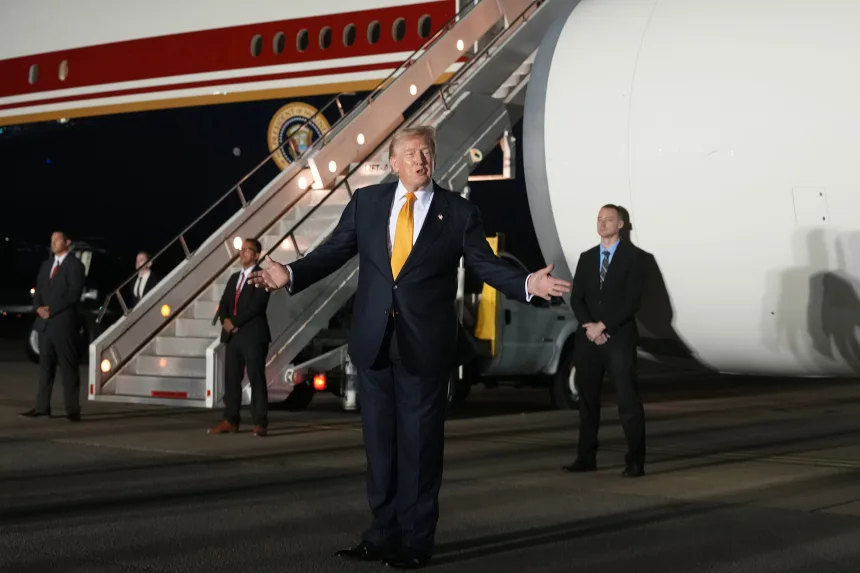
On Air Force One on the way home from Turkey, Trump turned to another well-worn page of his playbook.
“They called a little while ago; they want to make a deal so badly,” he said, returning to a refrain he’s repeated for months, but that never seems to come true.
Sometimes, the president seems to be waging war not only on Iran but also on reality.