
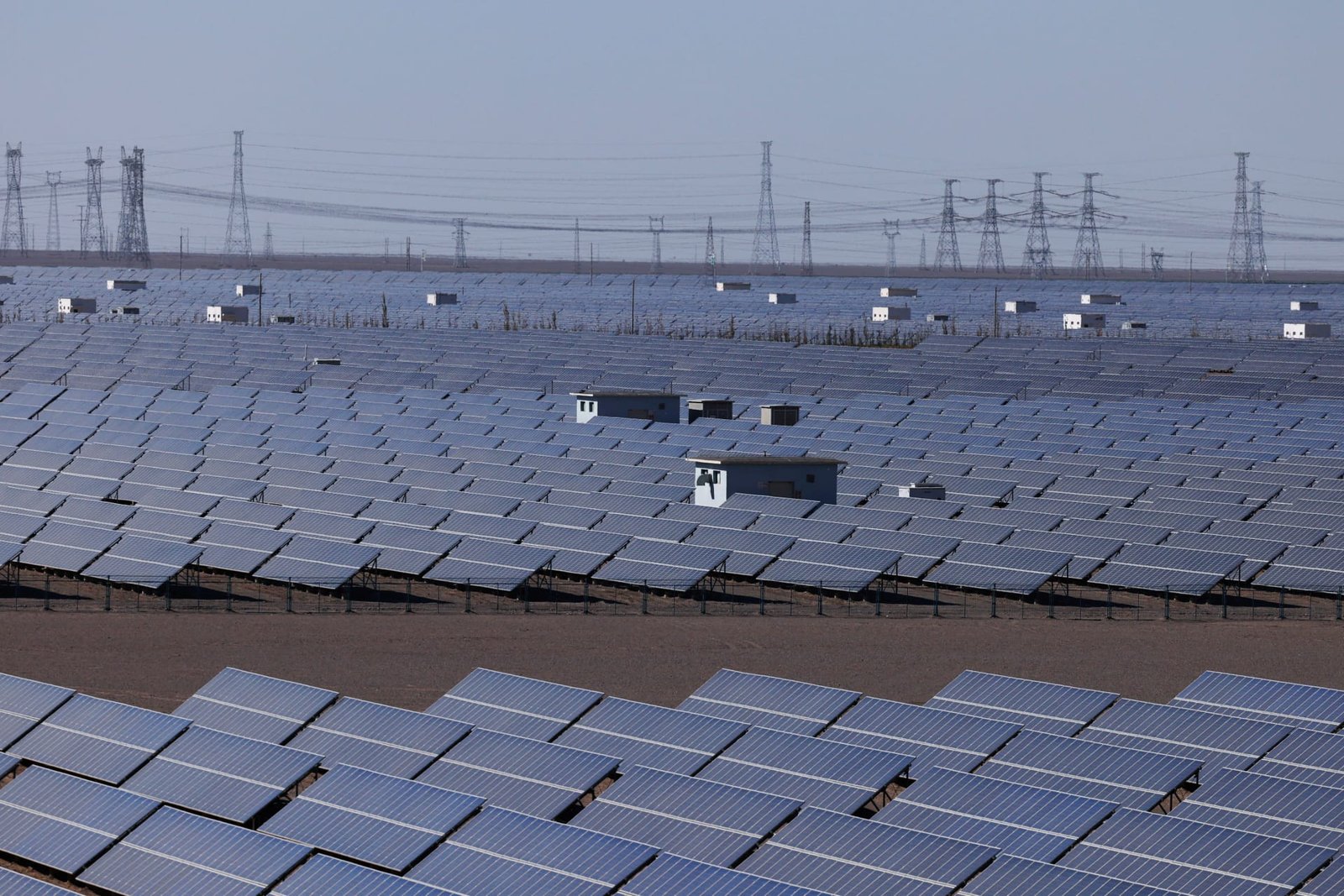
China’s restraint in the Hormuz crisis reveals a core strategy: safeguarding overall export stability outweighs forcing immediate adoption of renewable energy. Broader macroeconomic health remains vital for sustaining long-term industrial dominance.
Rising energy costs frequently reorder global markets, yet China’s strategic restraint during the Strait of Hormuz conflict highlights a surprising economic reality. Rather than capitalizing on elevated fossil fuel prices to aggressively force rapid global adoption of its dominant solar, battery, and electric vehicle exports, Beijing prioritized broad macroeconomic stability over immediate sectoral gains.
This calculated pivot reflects the massive structural weight of China’s non-cleantech exports, which far outpace clean-tech energy revenues. By curbing oil imports to soften price spikes, China protected vital trade partners from severe growth contractions, demonstrating that even energy transitions depend heavily on broader global purchasing power. Ultimately, sustainable industrial leadership demands measured economic evolution over sudden geopolitical shocks.
Clean-Tech and Global Energy Shifts
Earlier this year, the closure of the Strait of Hormuz triggered a perverse optimism in some quarters of the climate movement. The movement’s archenemy, U.S. President Donald Trump, had, in one fell swoop, accomplished its dream of raising the price of oil.
China Strategic Clean-Tech Realities
Yet, the most surprising outcome of the Strait of Hormuz crisis to date is that the price has not risen nearly as much as many analysts expected. The biggest reason is that China cut its fossil fuel imports massively in the months since the closure.
Leveraging Its Clean-Tech Strategy
But that answer begs another question: Why would China, the global champion of clean energy technology, do that? Why wouldn’t it maximize the pain felt by fossil fuel consumers worldwide, thereby boosting the sales of solar panels, batteries, and electric vehicles—the “new three” export industries that President Xi Jinping has lauded—even if it had to pay more for its own imports in the short run?
World Markets and Clean-Tech
Many political analysts have proposed answers to those questions. China values stability generally. China wants to be seen as the adult in the room in global politics. China might want to do the Trump administration a favor in the hope of a reciprocal benefit in the future. China might even prefer continued Republican control of the U.S. government.
Trade Dynamics Beyond Clean-Tech
All these speculations need to be seen in the light of a cold, hard economic fact: China exports more than clean-tech. A lot more. In 2025, China exported about $220 billion worth of solar panels, electric vehicles, batteries, and wind turbines. That sounds like a lot, and it is. But it’s only 6 percent of the $3.77 trillion that China exported overall.
Future Growth and Clean-Tech
China is the leading trade partner of more than 120 countries. Every additional dollar that those countries spend on imported oil and liquefied natural gas (LNG) because of the Strait of Hormuz crisis isn’t being spent on Chinese electronics, textiles, metals, and chemicals—all of which bring in hundreds of billions of dollars more than the “new three.”
Moreover, the rising price of oil is slowing global economic growth and could trigger an economic crisis if it gets too high, with knock-on effects for Chinese exports. The International Monetary Fund’s most recent economic outlook [PDF], which assumed that the Strait of Hormuz would reopen in mid-July, forecasted global growth of only 3 percent in 2026, shrinking to 2 percent if the strait remained closed amid sustained hostilities. The slowdown would be steepest in emerging markets.
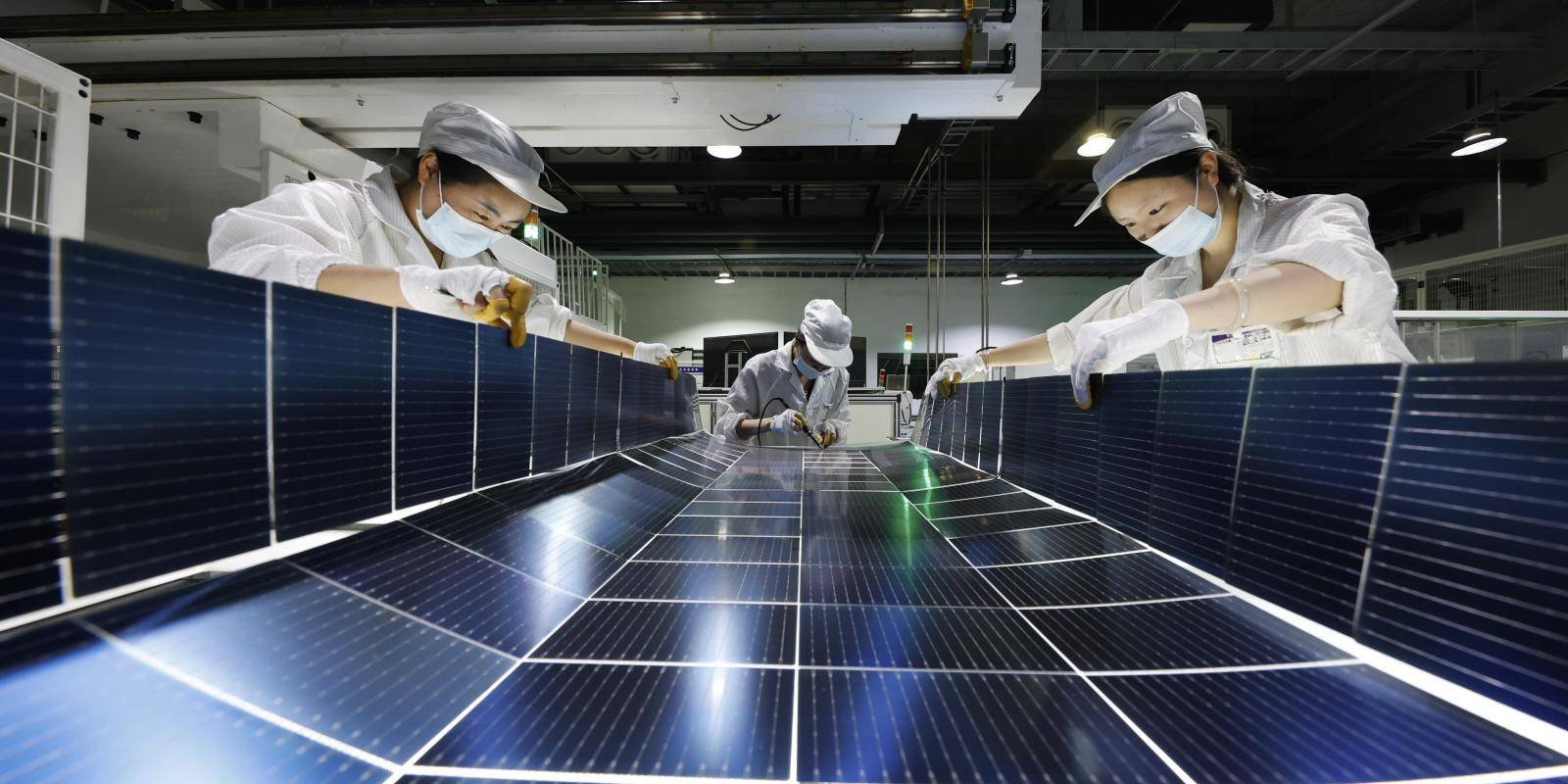
China is in desperate need of export revenues. Its economy has slowed considerably and it seems unable to boost domestic demand. Exports account for virtually all its economic growth. China is also saving money on its remaining imports of oil and LNG.
In the long run, the crisis is likely to accelerate the adoption of clean-tech, much of it imported from China. Using electricity generated by renewables and stored in batteries to power electric cars will relieve many countries that rely on petroleum imports today of a major economic risk that has proven, through the Strait of Hormuz crisis, to be all too real. This package of technologies is also getting increasingly affordable even as its performance improves. These countries may not be happy about their growing dependence on China, but even if clean-tech imports were cut off, the immediate consequences would be far less severe than if their current energy systems are starved of fuel.
The idea that Trump may inadvertently accelerate the transition to clean energy isn’t crazy. But the transition will be an evolution, not a revolution.