
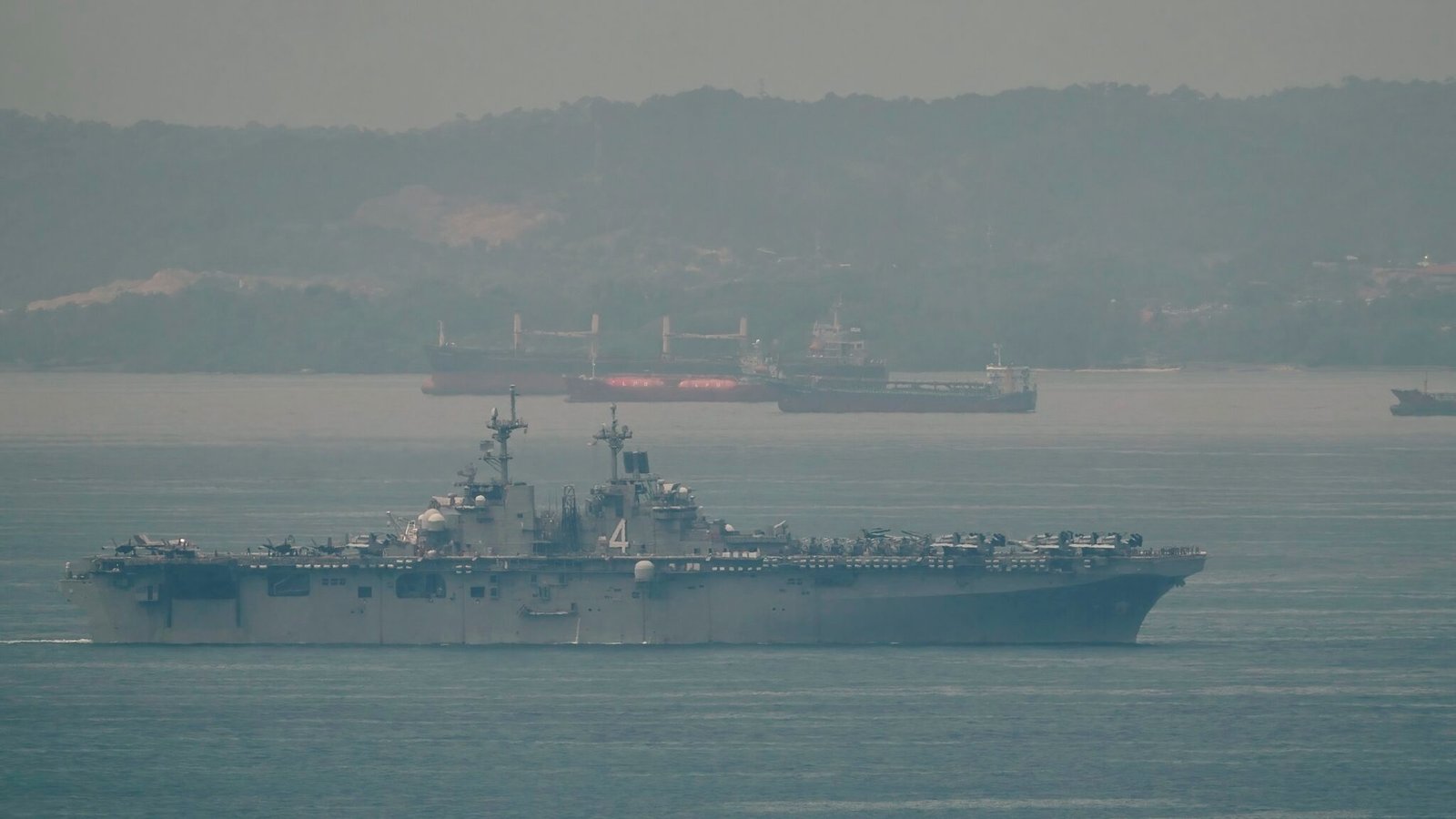
Over 20 US Navy warships in the Middle East face severe operational strain amid prolonged escort and blockade missions near the Strait of Hormuz. Depleted maintenance schedules and 200-plus consecutive sea days expose structural fleet deficits against Iranian asymmetric tactics.
Naval blockades and carrier deployments in the Strait of Hormuz are pushing American maritime power to its absolute breaking point. Unprecedented operational demands in Middle Eastern waters have brought critical vulnerabilities into sharp focus, making US Navy overstretch an immediate threat to global commercial security. As warships break deployment length records without port visits, Pentagon leaders confront a stark reality: continuous combat readiness without adequate fleet reserves transforms US Navy overstretch into an existential risk for national defense.
US Navy Overstretch Cracks Armada
Today, there are over 20 US Navy ships patrolling the waters of the Middle East. This armada is enforcing a naval blockade of Iranian ports and providing escorts for commercial vessels after the abandonment of a ceasefire following Operation Epic Fury. The massive concentration of maritime power, one of the largest in two decades, includes strategic assets such as two carrier strike groups and the USS Boxer Amphibious Ready Group, together totaling over a dozen guided-missile destroyers. Yet, the rose-colored glasses are cracking.
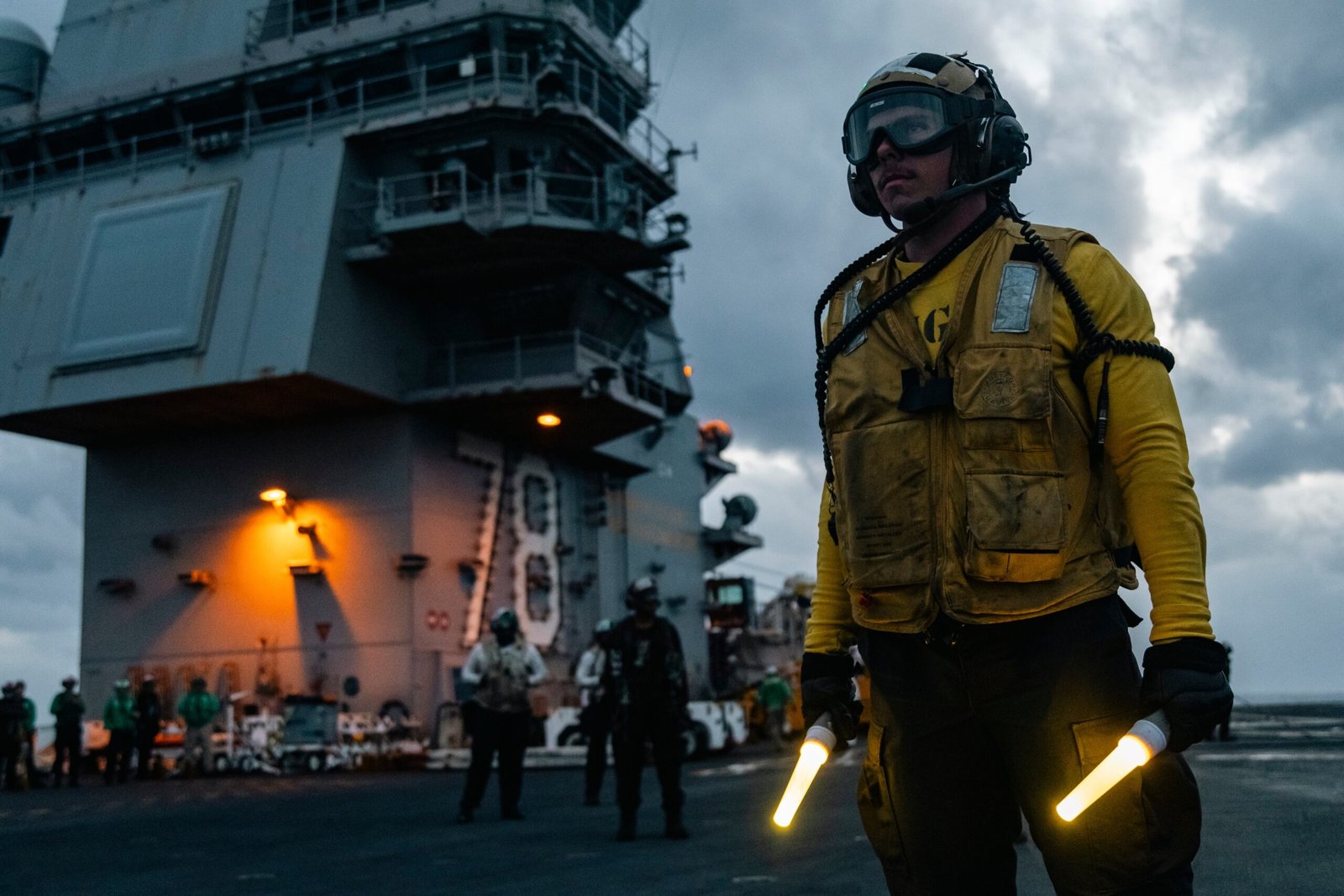
While an impressive surge in combat power, the US Navy is too small to maintain a wartime footing for this long without serious ramifications for men and materiel, both now and in the near future. The USS Abraham Lincoln just set a new record by going more than 200 consecutive days without a single port call. This record-setting and grueling milestone is “perhaps one that the crew would have liked not to set.” The aircraft carrier departed Naval Base San Diego in November 2025 and has been continuously at sea since a brief one-day stop in Guam in December.
Tackling US Navy Overstretch Today
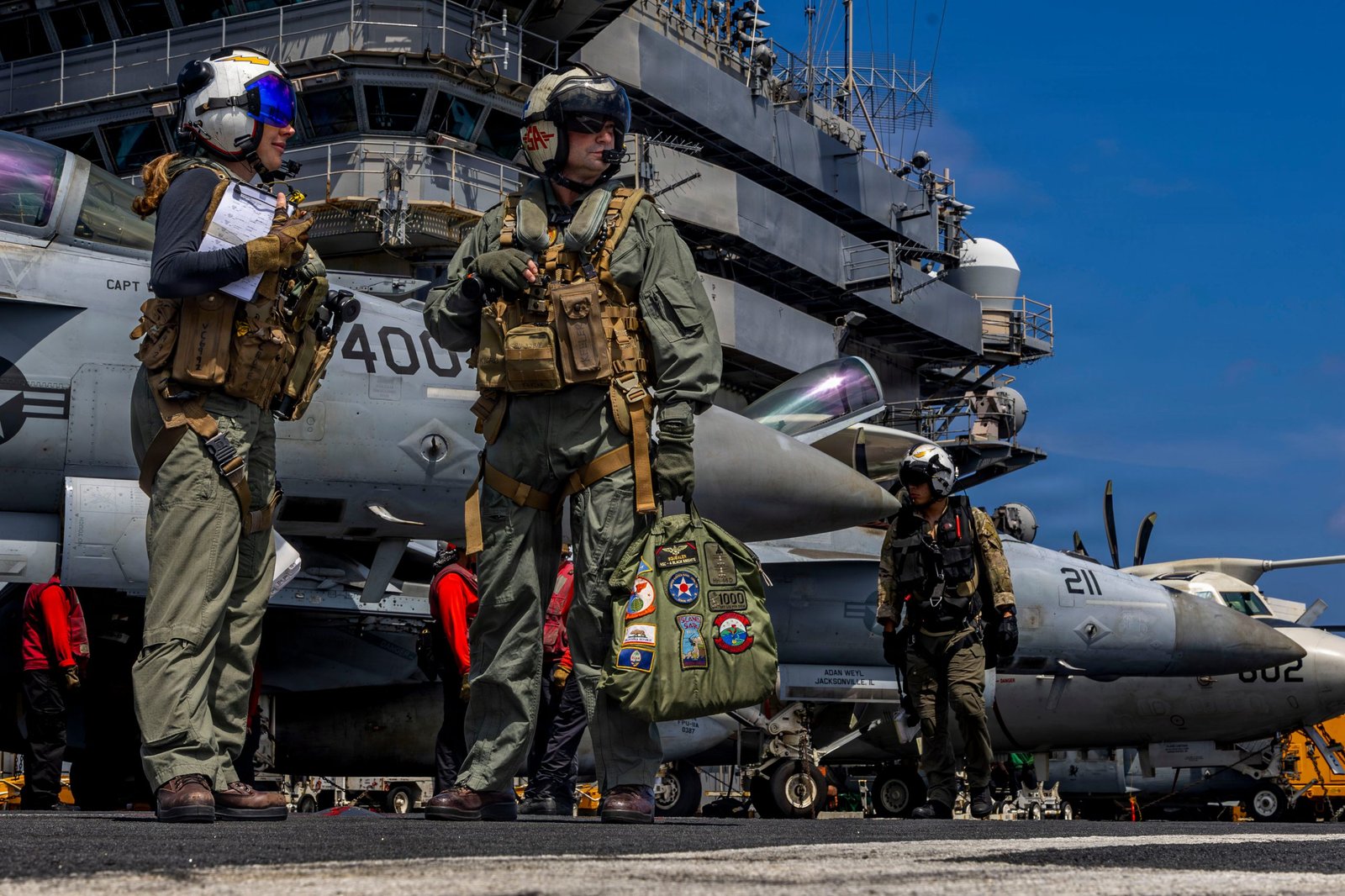
Small fleets overburden key systems and crews with no margin for unexpected extensions of operations. An elongated surge in the Middle East due to Operation Epic Fury has become an even longer operation for the US Navy in particular—with counter-blockade, escort, strike, and demining missions ongoing in the Strait of Hormuz.
Major combat operations against Iran have resumed after a brief pause. In addition, the ongoing uncertainty in the Strait of Hormuz is keeping America’s Navy working at a breakneck pace. Just this week, the president announced America as “the guardian” of this critical waterway for global shipping.
Exposing Extreme US Navy Overstretch
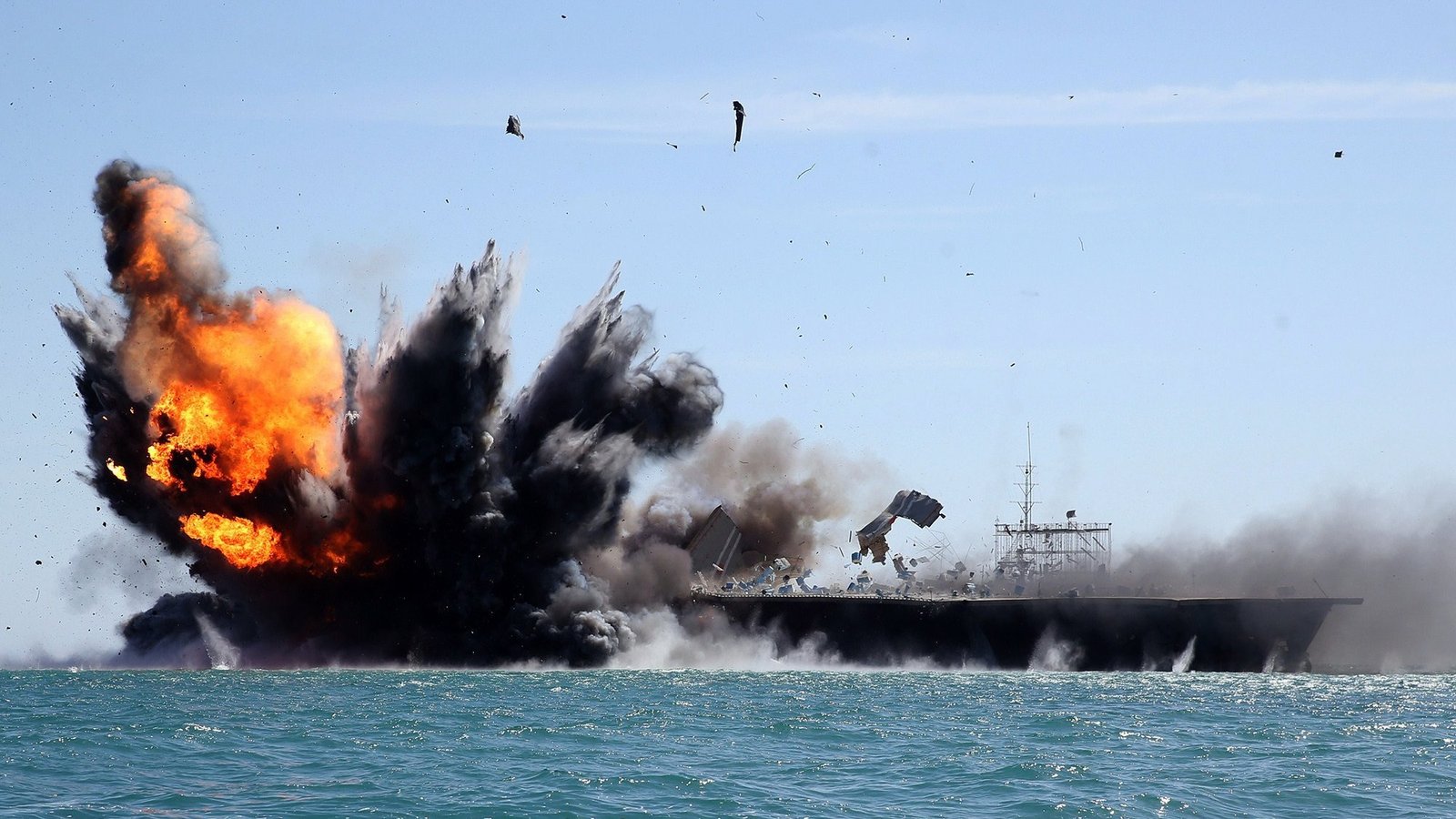
The not-fully-open-yet-not-quite-closed Strait of Hormuz is showcasing systemic problems that have long plagued the US Navy. As the United States works to secure the strait from Iranian attacks, Chief of Naval Operations Admiral Daryl Caudle recently told the US Senate that “providing escort services through a contested strait will…exceed the capacity of the Navy to do that effectively.”
The CNO’s candor is welcome but is likely breaking news to Washington policymakers. The service seems to make it all work all the time so it can mask, at least temporarily, deep structural weaknesses.
US Navy Overstretch Demands Reform
Securing shipping lanes is one of the Navy’s core missions. Decades of underinvestment and inconsistent acquisition priorities have left the Navy brittle, overstretched, and falling behind—even relative to Iran, a formidable but far-from-peer adversary.
Generating combat power forward requires a massive sustainment tail. For every ship or plane on station, one is steaming or flying home for port time and repairs, and one is gearing up to replace it. Most ships carry payloads such as aircraft, weapons, and sophisticated radars that require regular maintenance. Multiple types of the same ship are needed in operations for redundancy and for when equipment aboard one inevitably breaks and goes offline temporarily. Sailors and marines need training, schoolhouse time, and rest to sustain deployments that are often extended.
America’s Navy is too important to national security and national economic interests to let it atrophy so deeply, so quickly. Congress must seize this moment to push for the broader institutional reforms, massive and sustained investments, manpower increases, and force structure and doctrinal changes that the Navy urgently requires.
When US Navy Overstretch Worsens
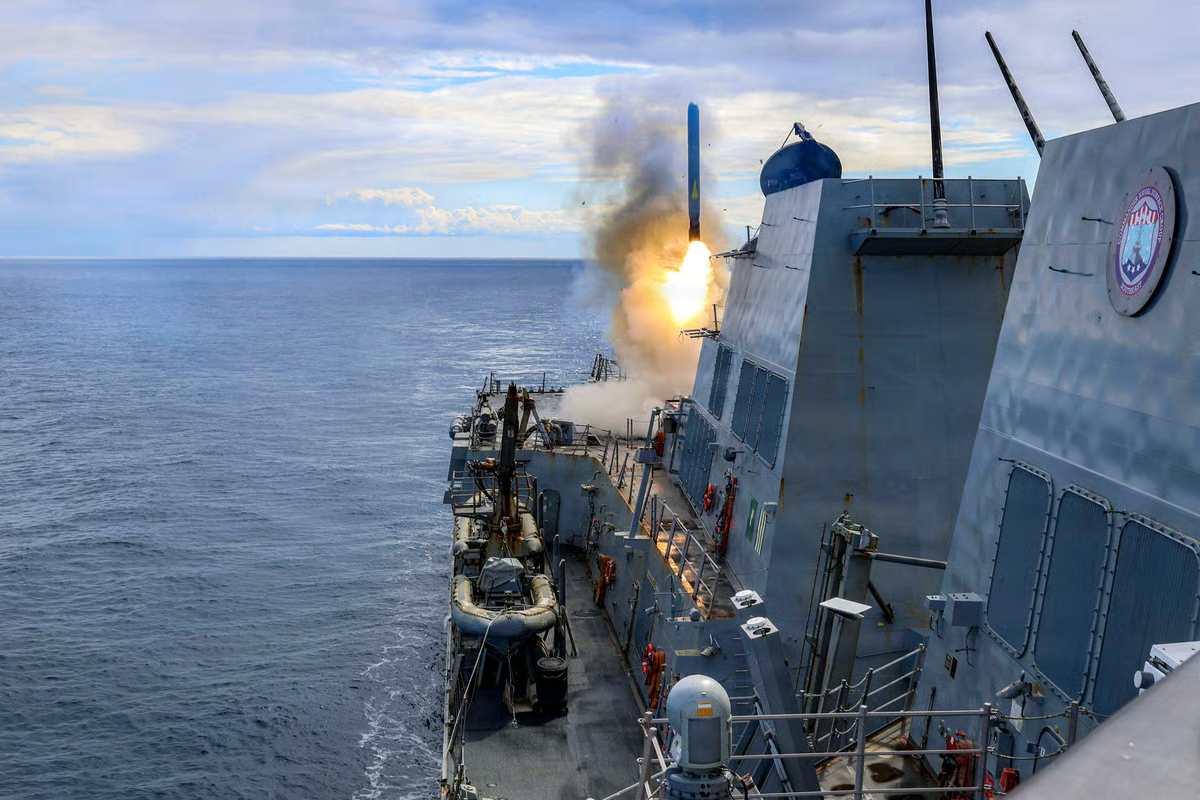
These reforms are especially pressing because the crisis in the Strait of Hormuz previews the challenges the Navy will face again. Iranian leaders have learned that threatening maritime traffic through key chokepoints is potent leverage against the United States and Gulf Arab states.
As Iran rebuilds its military, it will likely prioritize sea-denial capabilities that can threaten civilian vessels, including naval mines, shore-based missiles, and aerial, surface, and sub-surface drones.
Tehran will also likely seek to strengthen the Houthis’ ability to disrupt shipping around the Bab El-Mandeb, further extending its coercive reach. More broadly, inexpensive, easy-to-produce drones are enabling actors around the world to disrupt global commerce with growing ease. Economic warfare and chokepoint weaponization are features of modern warfare, not bugs.
The US Navy must grow to meet its many demands, which underpin our over $30 trillion economy and help preserve our way of life. The mismatch between America’s global economic power and the Navy’s shrinking and aging fleet spells trouble for securing and operating in contested waters in the Middle East and beyond.