
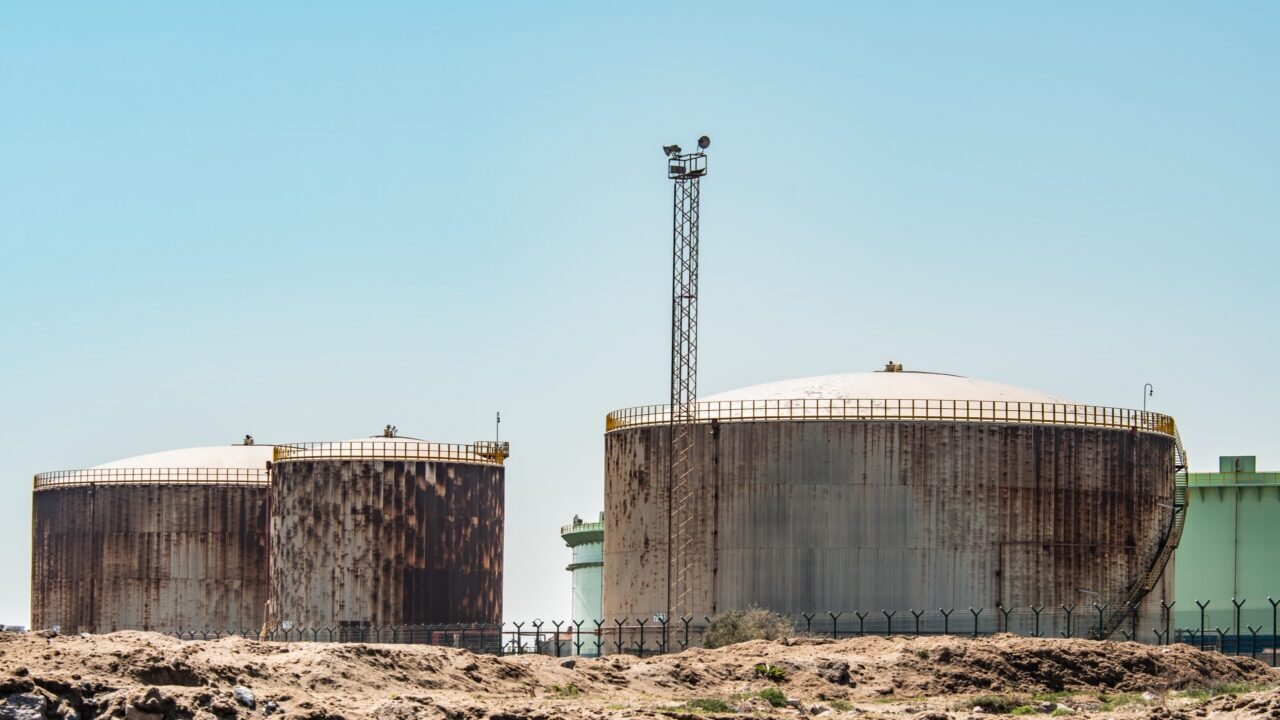
Tehran targets Kuwait despite its anti-normalization stance because the Gulf nation lacks energy export options outside the Strait of Hormuz. By striking Kuwaiti infrastructure, Iran pressures oil markets and tests American security commitments at minimal military cost.
Military planners in Washington and Gulf capitals face a stark reality as the Iran Bombing Kuwait campaign exposes critical vulnerabilities across regional defense architectures. While Tehran frames its regional strikes as retaliation against American military presence and Israeli diplomacy, the ongoing Iran Bombing Kuwait operations reveal a calculated push to exploit Gulf energy chokepoints and force political concessions without triggering direct escalation.
Iran Bombing Kuwait Strategic Targets
Since the start of the Iran War, Tehran has retaliated by striking targets across the Middle East—particularly within the Arab nations of the Gulf Cooperation Council (GCC). This development has raised eyebrows, in part because the GCC states were not a party to the conflict and opposed it from the outset. Confronted by the international community, Iranian leaders have advanced two justifications for the strikes: the targeted nations either host US military bases on their territory, or they are attempting to facilitate Israel’s integration into the Middle East via the Abraham Accords. If Iran’s neighbors agree to do neither, the argument goes, Tehran will leave them alone.
This argument is compelling on the surface. Yet it does not fully account for Iran’s disproportionate focus on Kuwait, whose combination of strategic value, relative vulnerability, and low costs of coercion reveals there is more to Iranian attacks than this two-category framework. Sandwiched between larger regional powers, Kuwait has long pursued a cautious balancing act in its foreign policy; it remains among the Gulf’s strongest opponents of normalization with Israel and has historically been one of the more accommodating Gulf states toward Iran. Yet neither Kuwait’s cautious regional posture nor its historically cordial relationship with Iran has insulated it from becoming one of Tehran’s preferred targets. Why not?
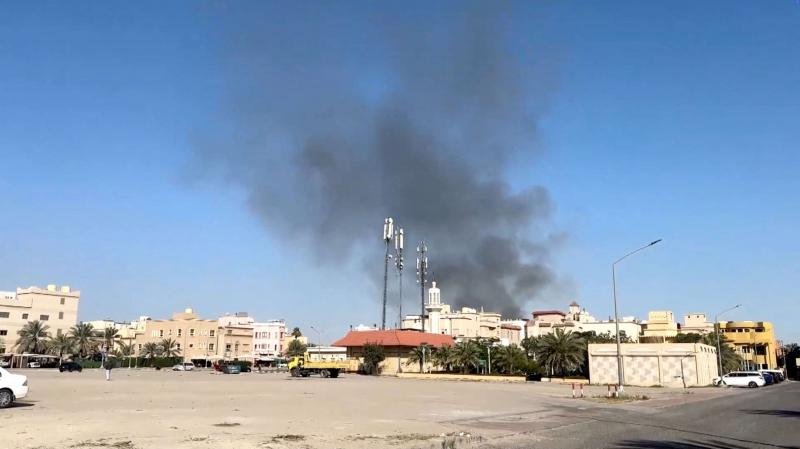
Why Iran Bombing Kuwait Matters
Iran’s Bombing of Kuwait:
From Military Targets to Political Leverage The distribution of Iranian attacks points to a broader calculus than the mere presence of American bases. From the start of the war to the present, Kuwait has been the second-largest target of Iranian strikes in the Gulf, behind only the United Arab Emirates (UAE). During the height of the conflict, the UAE was Tehran’s primary target; it absorbed an astonishing 2,819 attacks from February 28 until the two-week ceasefire in April, followed by Kuwait at 1,168 attacks. Following the renewal of hostilities this month, however, Iran continued to target Kuwait intensely.
To be clear, Kuwait fulfills one of Tehran’s conditions for attack: it hosts several major US military facilities on its territory, including Camp Arifjan, Ali Al Salem Air Base, and Camp Buehring. Yet if Iran’s stated rationale for its attacks—closeness to Israel and the presence of US troops—were truly the primary driver, one presumes that Kuwait’s more pro-Israel neighbors hosting major US military bases would be more exposed. Elsewhere in the Gulf, Qatar hosts Al-Udeid Air Base and CENTCOM’s forward headquarters, while the UAE hosts military installations at Al Dhafra Air Base. Yet since the April ceasefire, Iran has been far more aggressive toward Kuwait—suggesting that its targeting logic extends beyond its two stated criteria.
One alternative explanation for Iran’s strikes on Kuwait is that they are less aimed at disrupting American operations than at sending a message to Washington. Bombing the same base repeatedly yields diminishing strategic returns, as its defenders disperse and harden their positions. However, by repeatedly targeting installations at close range, Iran can signal continued resolve while avoiding the greater escalation risks associated with attacking more strategically significant US assets elsewhere in the region.
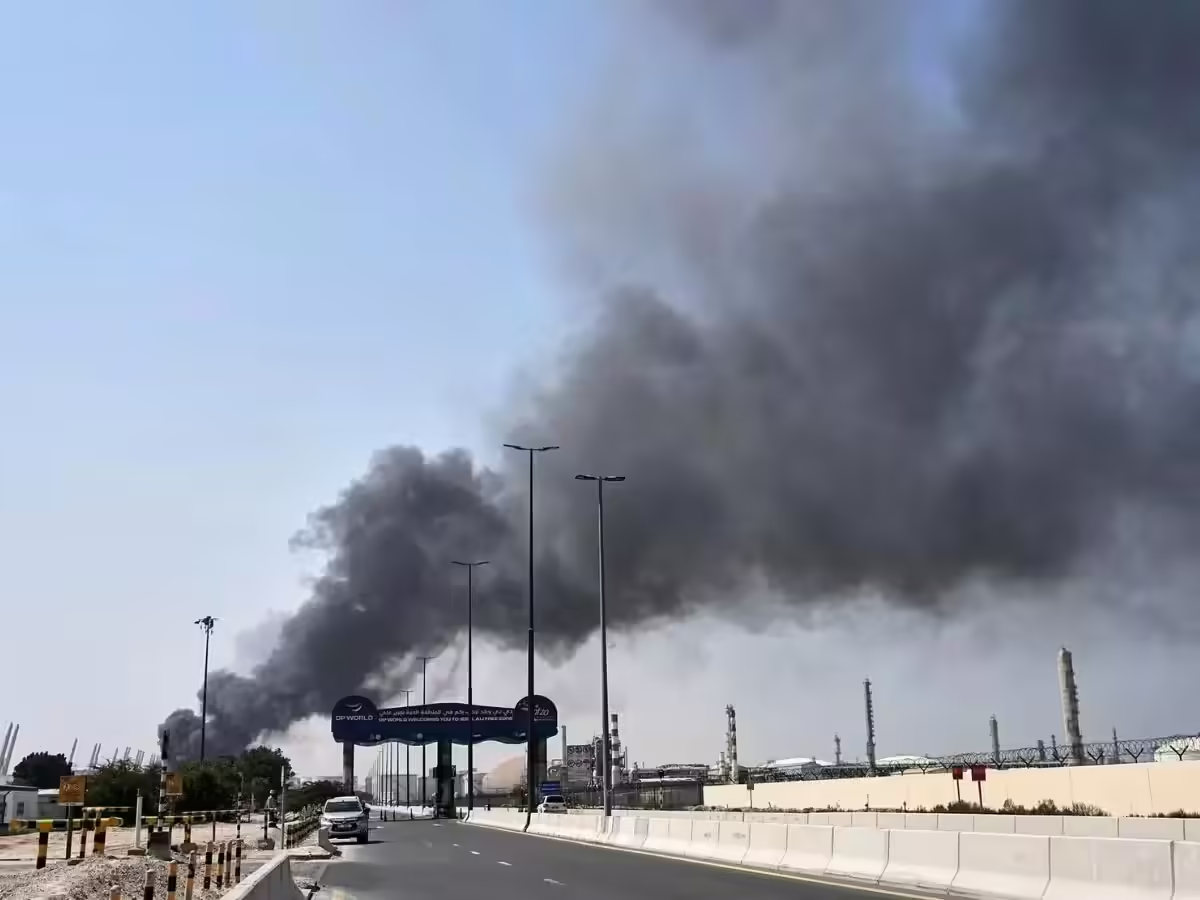
Explaining Iran Bombing Kuwait
The discrepancy between Iran’s rhetoric about Israel and its actions is revealing. Since the start of the war, the GCC states have absorbed around 83 percent of Iran’s retaliatory attacks, while Israel has received only 17 percent. Some of this, of course, is a matter of convenience; the GCC states are far closer and offer a multitude of targets, while Israel is far away, well-defended, and would respond forcefully.
Fundamentally, Tehran’s behavior appears driven less by its public narrative than by a pragmatic calculation of vulnerability and coercive leverage. The states Iran is most likely to attack are not necessarily those that best fit its public justifications but those it perceives as offering the greatest strategic advantage at the lowest political and military cost.
Tehran has said it is punishing states engaged in “collusion” with Israel; it has launched attacks against Bahrain and the United Arab Emirates, the two driving forces behind the Abraham Accords, for this reason. Yet it has also targeted the one nation in the Gulf that cannot possibly be accused of such collusion.
Kuwait has never normalized relations with Israel and remains one of the strongest opponents of normalization in the Gulf. Before its dissolution, the Kuwaiti parliament explicitly rejected the Abraham Accords and passed legislation that criminalized diplomatic engagement with Israel. On Israel, Iran would be hard-pressed to find any nation in the Gulf with which it has more in common than Kuwait.
None of that has prevented Kuwait from becoming Iran’s principal target since full-on hostilities with the United States ended in April. If opposition to Israel truly insulated Gulf governments from Iranian pressure, Kuwait should have been among the safest countries in the region. The fact that it is not suggests that normalization is not the most important criterion for Iran—and the real explanation for Tehran’s actions lies elsewhere.
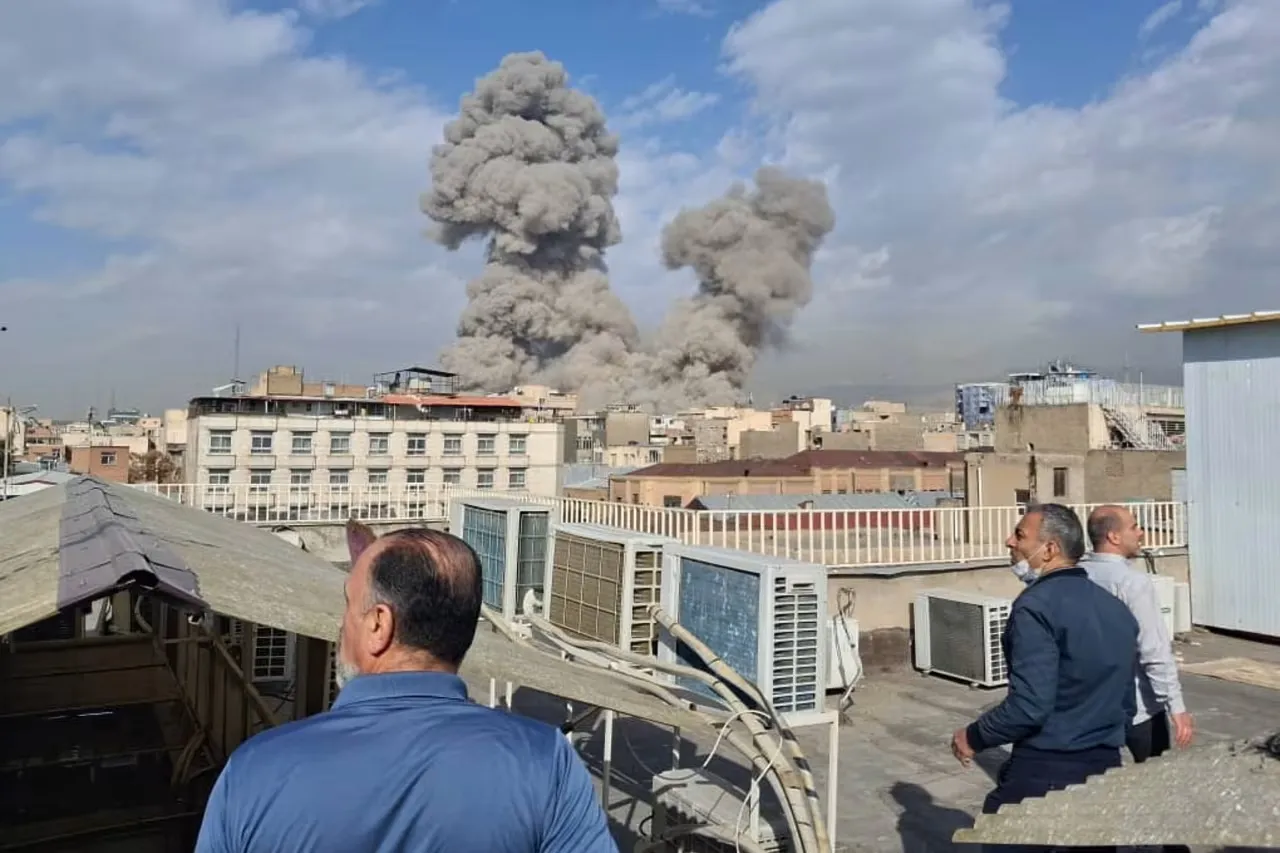
Iran Bombing Kuwait Energy Lever
Kuwait Is a Prisoner of Its Own Geography
As one of only two major hydrocarbon exporters entirely dependent on the Strait of Hormuz, Kuwait would remain vulnerable to a crisis in the Gulf regardless of its military relationship with the United States. For all the debate over Iran’s regional ambitions, one point commands broad consensus: Tehran views the Strait of Hormuz as its most potent source of strategic leverage over the region. Its deterrence strategy rests on the ability to threaten the flow of Gulf energy and inject uncertainty into global markets through asymmetric means.
This is bad news for Kuwait. Within the GCC, Saudi Arabia, the United Arab Emirates, and Oman have alternative oil export routes that bypass the Strait of Hormuz. Indeed, much of the global energy economy today rides on Saudi Arabia’s East-West Pipeline, which carries 7 million barrels of oil per day to the Saudi port of Yanbu on the Red Sea.
Kuwait has no such alternatives, leaving its economy heavily exposed to Iranian disruption. Because it lacks alternative export routes, Iran can impose disproportionate economic and strategic costs on Kuwait by threatening maritime traffic. Crucially, oil accounts for around 90 percent of Kuwaiti government revenues, making a blockade a far greater threat to its long-term stability than a handful of missile strikes against US bases.
Even if there were no US bases in Kuwait, Iran’s asymmetric economic warfare would target Kuwait’s energy infrastructure and blockade its right of passage in the strait. Kuwait holds approximately 7 percent of global oil reserves and has a production capacity of about 3.15 million barrels per day; the tremendous leverage Iran has on the global economy through control of the Strait of Hormuz comes largely at Kuwait’s expense. In short, absent all other factors, as long as Iran maintains its strategy in Hormuz, Kuwait will be its foremost victim.
How Iran Bombing Kuwait Escalates
Attacking Kuwait May Not Lead to American Retaliation
Iran’s calculations also appear to reflect perceptions of American priorities. Although Kuwait is a vital US political and diplomatic partner and a “major non-NATO ally,” it has been relegated to a secondary role in US public messaging compared with other higher-profile Gulf states such as Saudi Arabia, the United Arab Emirates, and Qatar. For this reason, Tehran may have judged that Kuwait is politically peripheral enough to attack without triggering an automatic and immediate escalation from the United States—thereby underscoring to the United States and other Gulf states that American security guarantees are not as ironclad as they seem.
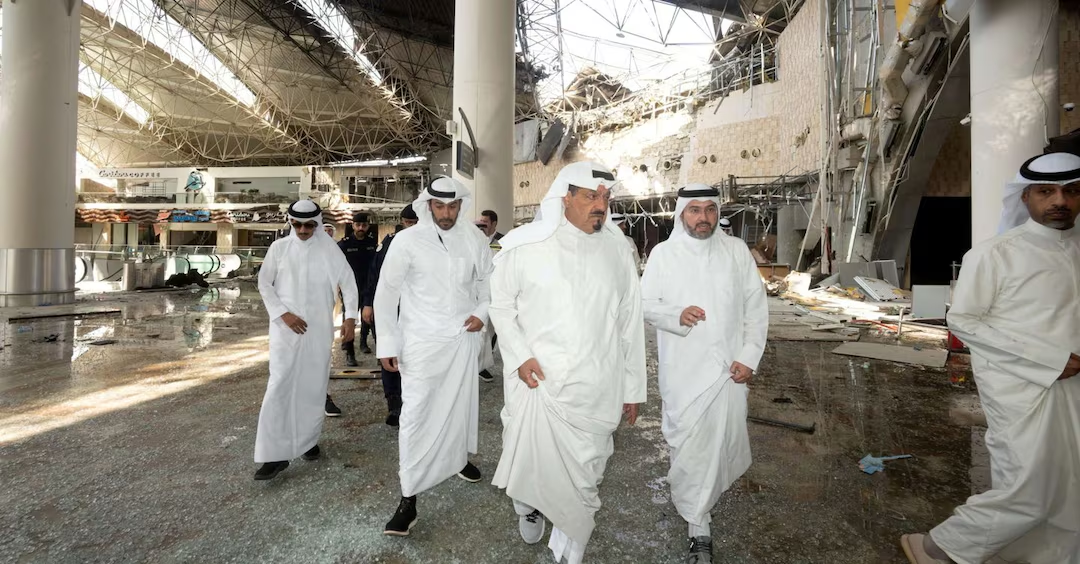
While Secretary of State Marco Rubio publicly reassured Kuwaiti leaders of Washington’s commitment to Gulf security during a visit to the country in June, President Donald Trump’s public diplomacy has focused overwhelmingly on Kuwait’s more prominent neighbors. Concerns about Kuwait have been largely absent from American public messaging. During negotiations with Iran, Trump credited Saudi Arabia, Qatar, and the UAE with persuading him to suspend planned strikes against Iran. Kuwait was not mentioned.
Days later, another regional consultation on Iran and the future of the Abraham Accords included several Middle Eastern partners—but again excluded Kuwait. Whether these omissions reflect actual policy is ultimately less important than how Iran interprets them; regardless of the truth, Tehran only needs to believe that attacks on Kuwait are less likely to provoke a strong American response.
Iranian Strikes on Kuwait Are a Warning for the Gulf
Finally, Kuwait is being used as a warning shot to other Gulf states; Iran has used it as a demonstration of what they might expect if they continue to partner with the United States.
As noted, Kuwait’s geography makes it uniquely vulnerable to a crisis in the Strait of Hormuz, and a prolonged closure of that waterway would do far more damage to its political stability than a handful of missile strikes against critical infrastructure. Despite this, Tehran has repeatedly struck Kuwaiti airports, energy facilities, and other civilian infrastructure alongside US military installations. A June missile strike on Kuwait International Airport, for instance, killed a civilian and wounded dozens more.
These strikes are intended to send a message across the Gulf. Missiles targeting desalination plants and power stations strike the region’s most essential infrastructure, not merely for Kuwait but for all of its Arab neighbors. Iran has claimed that such attacks are retaliation for attacks on its own infrastructure in an “eye-for-an-eye” strategy. Yet the reality is far more cynical: Kuwait depends on desalination for more than 90 percent of its drinking water, while Iran uses it for only around 3 percent.
Iran is betting on this imbalance. The Gulf states’ dependence on vulnerable infrastructure means that even limited strikes can generate outsized political and economic effects, threatening not only energy exports and public services but also the national transformation agendas. For example, Kuwaitis are now beginning to ration their electricity as a result of Iranian attacks on power plants.
Taken together, these dynamics reveal a broader exploitative logic behind Iran’s targeting of Kuwait. Tehran’s calculus extends beyond the mere presence of US military facilities or the geopolitical dynamics surrounding Israel; Kuwait represents an especially susceptible target because it combines strategic importance with exploitable vulnerabilities.
Kuwait’s dependence on the Strait of Hormuz, limited alternative export options, and exposure to maritime disruption provide Iran with a means of exerting significant pressure on the global economy at relatively low cost.