
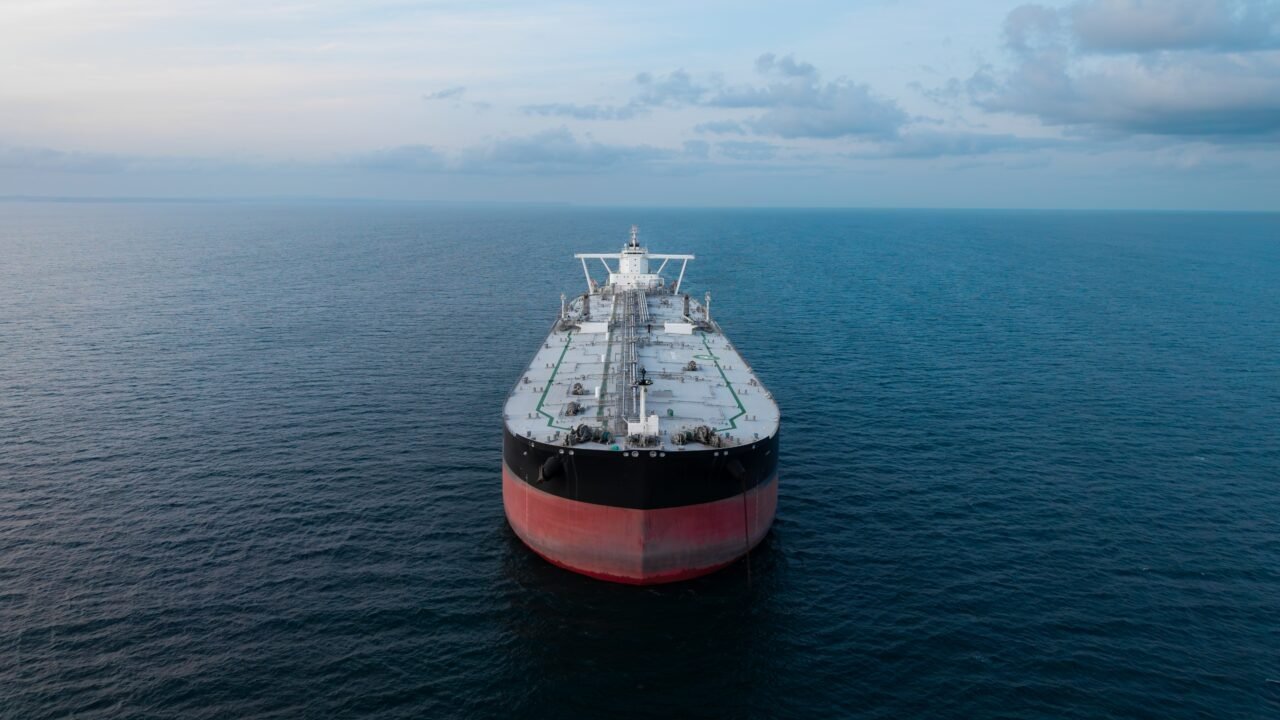
Iran’s oil exports face a US blockade as crude flows rebound through Hormuz, alternative pipelines, and naval escorts, yet Tehran weighs escalation over capitulation as the American midterm elections approach.
The strategic contest between Washington and Tehran has entered a phase where Iranian Escalation appears more probable than capitulation. Recent shipping data show crude flows through the Strait of Hormuz recovering, alternative pipelines restoring capacity, and American naval escorts keeping commerce moving. Those trends have narrowed Iran’s ability to strangle global energy markets, yet they have not eliminated its capacity to inflict costs.
Tehran interprets the war as existential and views any settlement that leaves the American and Israeli goal of regime change intact as a temporary pause before a future assault. That reading explains why Iranian Escalation remains a rational choice for a state that prioritizes survival over economic relief. Washington, meanwhile, faces its own constraints: missile stocks, public fatigue, and midterm elections limit its staying power.
The result is a dangerous equilibrium in which both sides believe backing down invites greater danger. Iran can strike ships, pipelines, and regional partners when it chooses, while the United States can blockade ports and degrade military assets. Neither can force a decisive outcome, and neither trusts the other’s commitments. In this environment, escalation serves as a signal of resolve and a means to restore deterrence, even if it risks a wider war that neither side can afford.
Hormuz Flows Rebound as Leverage Fades
The Iran War may be reaching another inflection point with recent shifts in the Strait of Hormuz and American midterm elections nearly one month away. As crude increasingly flows through the strait, Iran’s leverage has diminished. Still, it has hardly been displaced altogether. Leaders in Tehran face a difficult choice: escalate despite the likely military repercussions or continue waiting as Iranian oil exports wither. While many analysts have suggested that Iran may be forced to capitulate soon due to its limited options, these conclusions overlook that escalation—not capitulation—appears to be Iran’s most likely path forward.
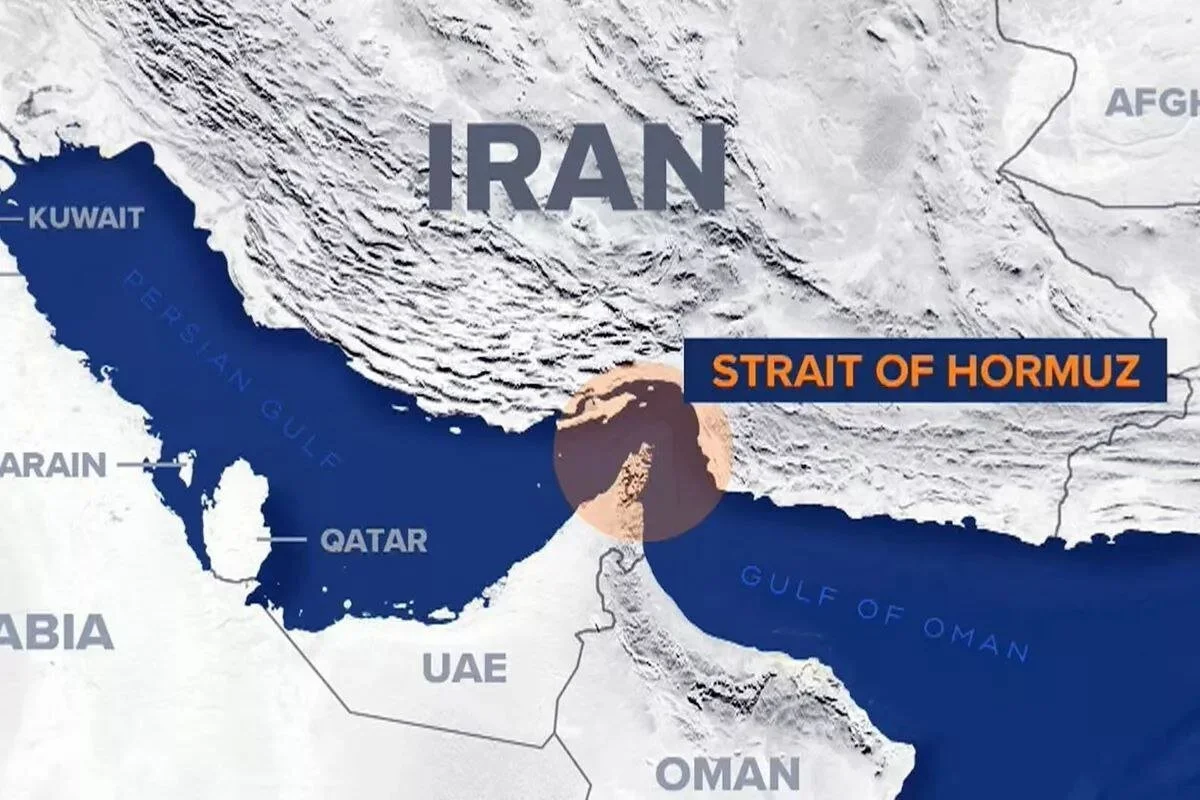
A Kpler report spanning September 1–28 drove those conclusions, painting a particularly dire picture for the Islamic Republic and its hold on the Strait of Hormuz. That report highlighted a major increase in crude barrels clearing the strait through the American-Omani lane near the latter’s shores, with 13.2 million barrels per day (bpd) passing through during the week of September 27. The maritime shipping intelligence firm noted that, excluding Iran, at least 16.5 million bpd left the Middle East in September, largely returning to pre-war levels.
Iranian Escalation Defies Capitulation Claims
Many of these flows are difficult to confirm given ships transiting the strait turn off their AIS transponders to avoid detection and Iranian missile and drone attacks. The US Navy is also protecting these ships and intercepting attacks. That operation is hardly cheap: Many estimates put the cost at millions of dollars per day, with the overall war costing tens of billions at minimum. Some experts, such as Stephen Semler, put the overall cost at over $100 billion alone in mid-July.
Notably, roughly 40 percent of the region’s crude now leaves through alternative routes, while the remaining crude flowing through Hormuz travels via an increasingly effective shuttle system, with tankers parked off Fujairah and Sohar. Alternative routes through Saudi and Emirati pipelines, either to the Red Sea or off the UAE’s eastern coast, are also available. Saudi Arabia’s East-West Pipeline is particularly crucial as an alternative route.
Strikes Yield Diminishing Returns
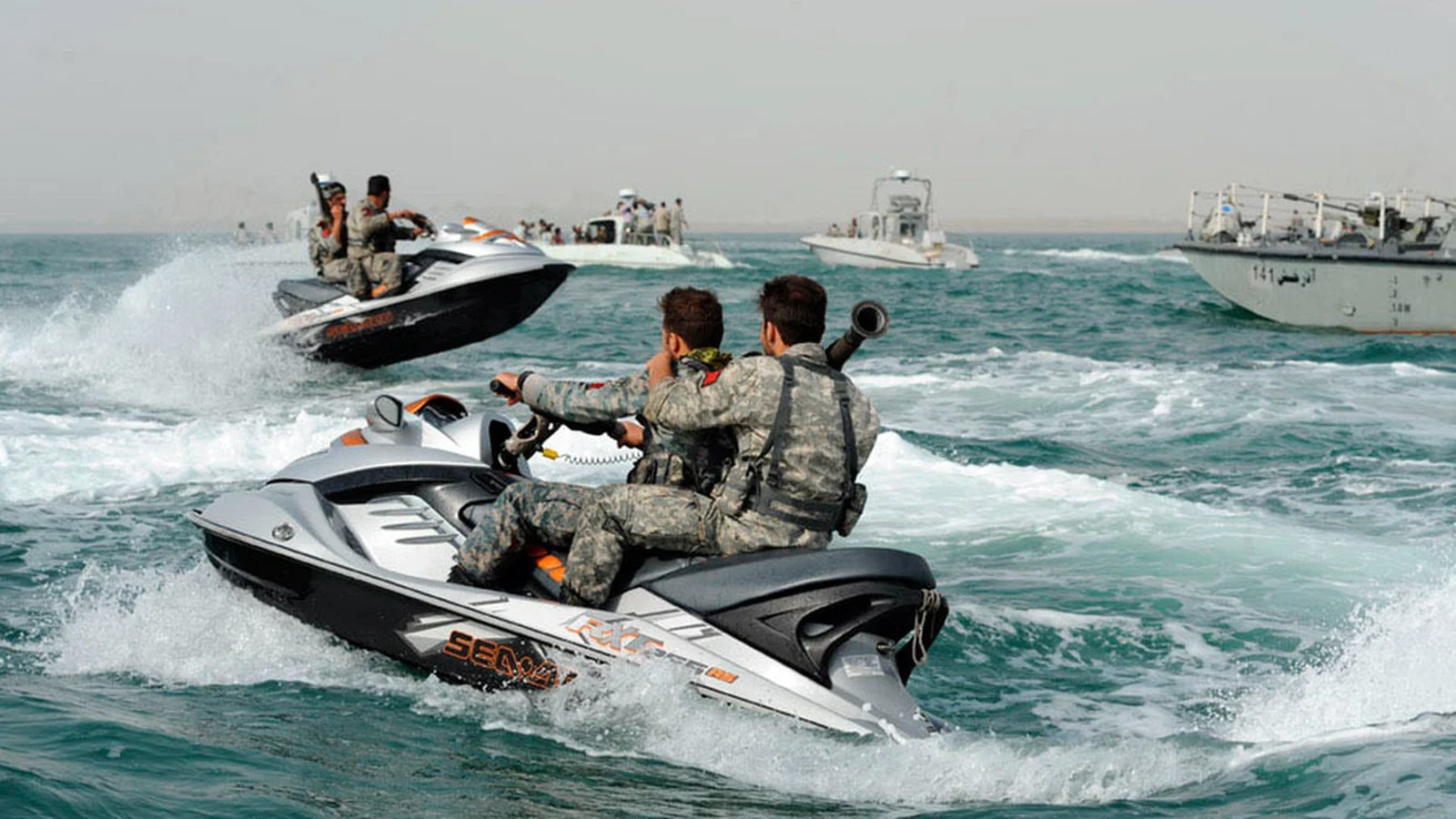
Iran and its Axis of Resistance militia allies have attempted to disrupt flows in both the Hormuz and these alternative routes. Iran-backed Iraqi militias managed to hit an East-West Pipeline pumping station on September 10–11, largely taking out crude flows to the Red Sea. The Yemen-based Houthi movement (Ansar Allah) has attacked shipping in the Red Sea’s Bab el-Mandeb Strait, connecting to the Arabian Sea and Indian Ocean. Tehran also continues to strike ships in the Strait of Hormuz.
Yet these actions seem to have increasingly limited effect—especially in the Strait of Hormuz. Risk aversion is decreasing in terms of moving energy products through the strait itself, despite direct Iranian hits on ships. Meanwhile, Riyadh managed to repair the East-West Pipeline in just days to return to full capacity, highlighting the region’s ability to adapt quickly in the face of disruption.
Why Tehran Refuses to Back Down
Those developments have led many to suggest that the Islamic Republic will struggle to hold out much longer, especially amid a highly effective US blockade of Iranian ports that has caused its oil exports to plummet. The US sanctions campaign has similarly gone into hyperdrive, aiming to strangle economic activity in Iran to force it to the table. Yet Iran continues to hold the line.
The question at hand is simple yet complicated: Why?
Many factors in the shipping and energy markets complicate any analysis that relies purely on the flow of energy products out of the Middle East. Tanker availability and insurance premiums, along with the costs of the seemingly indefinite and massive deployment of American military assets, suggest the current system is unsustainable. The American economy’s deleterious situation for working-class people continues to flash red lights, especially in the bond market. But those factors capture only part of the picture.
At its core, the simple answer lies in Iran’s national interest and its key desire in this war. The Iranian state desires survival above all else. For some, that means capitulating to the United States to ease US pressure, which Washington openly states is intended to crush the regime and encourage a popular uprising. What this logic fails to recognize, however, is that “survival” for the Iranian state is much more complex in what is clearly an existential war for the country. Indeed, that means Tehran must create the conditions to avoid a likely repeat of the war in the near future.
Iranian Escalation Follows Failed Regime Change
No one should be confused as to the real desires of policymakers in the American and Israeli governments. Weakening Iran has already been achieved, but the true aim of the war was always regime change. That goal was highlighted early in the war, when US President Donald Trump boisterously and repeatedly claimed that the fighting would end quickly, in mere days or a couple of weeks. Coming off his victory in Venezuela, which achieved regime reform, not outright regime change, the Trump administration almost certainly believed it could pull off something similar with the Islamic Republic.
That effort failed, and miserably, leaving Washington with a difficult choice: to capitulate ahead of midterms in the fall or triple down on different forms of pressure to force capitulation or state collapse in Iran. It chose the latter, with senior US officials regularly discussing “collapsing the regime” should it not come to the table.
Who Will Blink First in This Standoff
Iran understands the war in those terms and is acting accordingly. It realizes that capitulation without consequences brings a new war in the future, just as direct talks in the past led to American and Israeli surprise attacks under the guise of diplomacy. That reality is why Iranian leaders regularly discuss war and diplomacy as a dual approach to the United States. After decades of rivalry and conflict, political leaders in the United States and Israel will not suddenly abandon the goal of regime change, so why would Iran assume otherwise?
Here lies the fault in analyses that assume Iran is finished and that its reliance on restricting energy flows out of the region is time-limited. The Islamic Republic has agency of its own and will act on its interests, even if those acts appear suicidal in practice. It is willing to sustain massive degrees of economic and military pain for the state to survive. Its willingness to accept total societal collapse and civil conflict—an outcome that is not in the US interest whatsoever—cannot be ignored, nor can its willingness to escalate to achieve its interests.
On September 30, Iran lashed out, striking three ships transiting the Strait of Hormuz. It struck another ship earlier in the week, and it was expected to respond to the American rejection of its diplomatic proposal after talks at the UN General Assembly last week.
The response seems clear: Iran will fight on and can escalate when and where it pleases, even if its capabilities are diminished. It may even be incentivized to hit back harder, including on alternative transit lines like pipelines, with US midterm elections nearly one month away and Trump facing historically low polling numbers and the potential loss of his party’s majority in one or both branches of Congress. That development will also bring congressional investigations into his administration’s conduct on multiple levels.
In this context, the game of chicken between the United States and the Islamic Republic of Iran continues, risking a return to all-out war that would again be disastrous for energy markets and people around the globe. Both parties will struggle to sustain that effort. American missile stocks and public support for the war scrape the bottom of the barrel, and Iran faces an economic catastrophe of its own alongside the regime’s legitimacy deficit. The question still remains: who will blink first?