
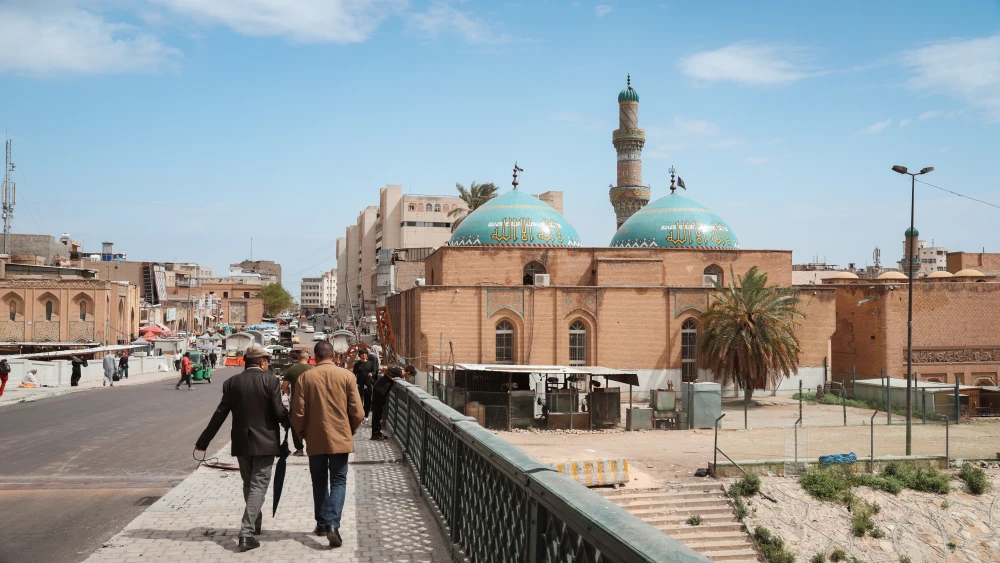
An Iranian regime collapse could push Shi’a militias, Muqtada al-Sadr and Najaf clerics toward a southern entity with oil fields and ports. Washington’s June 30, 2027 disarmament deadline may buy time but also lets factions consolidate power before Baghdad asserts control.
Shi’a Power Sharing Under Strain
On October 20, 2026, Israeli Prime Minister Benjamin Netanyahu said he had discussed removing Iran’s regime with President Donald Trump. What might happen if Iran’s Islamic Republic collapses? Certainly, real regime change in Tehran could trigger an Iraqi crisis if militias, cleric Muqtada al-Sadr, and the religious establishment in the Shi‘i shrine city Najaf converge to preserve Shi‘a control of government or support a separatist southern entity.
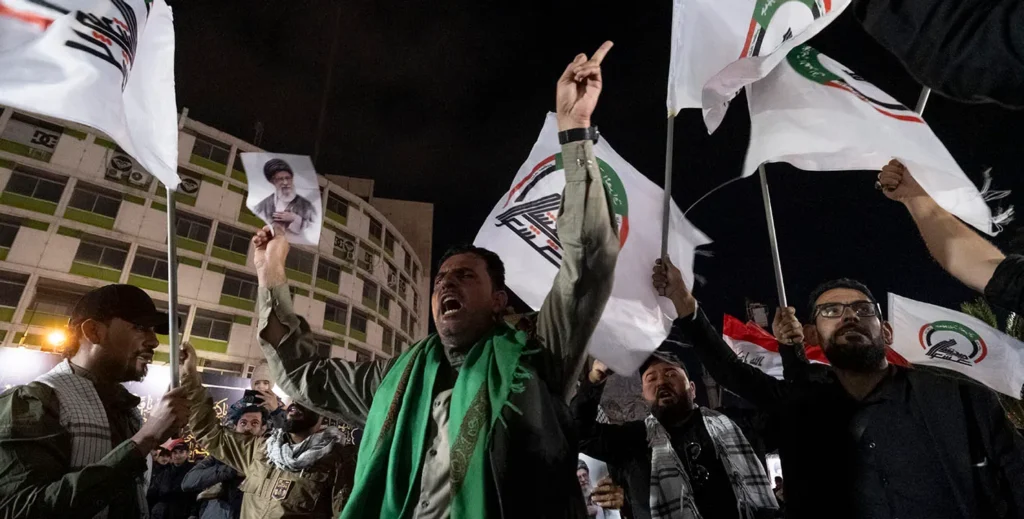
There are warning signs. On March 4, 2025, Hussein Mounis of the Kata’ib Hezbollah-linked Hoquq bloc proposed independence for nine Shiite-majority provinces if Shi‘a lost power in Baghdad. As former Prime Minister Nouri al-Maliki has noted, that partition would leave oil wealth in Shi‘i hands. Their remarks revived a 2005 proposal for a southern Shi‘i region, albeit though constitutional federalism rather than secession.
Under conventions entrenched after the 2003 U.S. invasion, Shi‘a hold the premiership, a Sunni Arab serves as speaker, and Kurds take the presidency, although the constitution mandates no such allocation. The 2006 Iraq Study Group reported that Grand Ayatollah Ali al-Sistani encouraged Shi‘i political unity within Iraq.
Najaf, Sadr and Militia Power
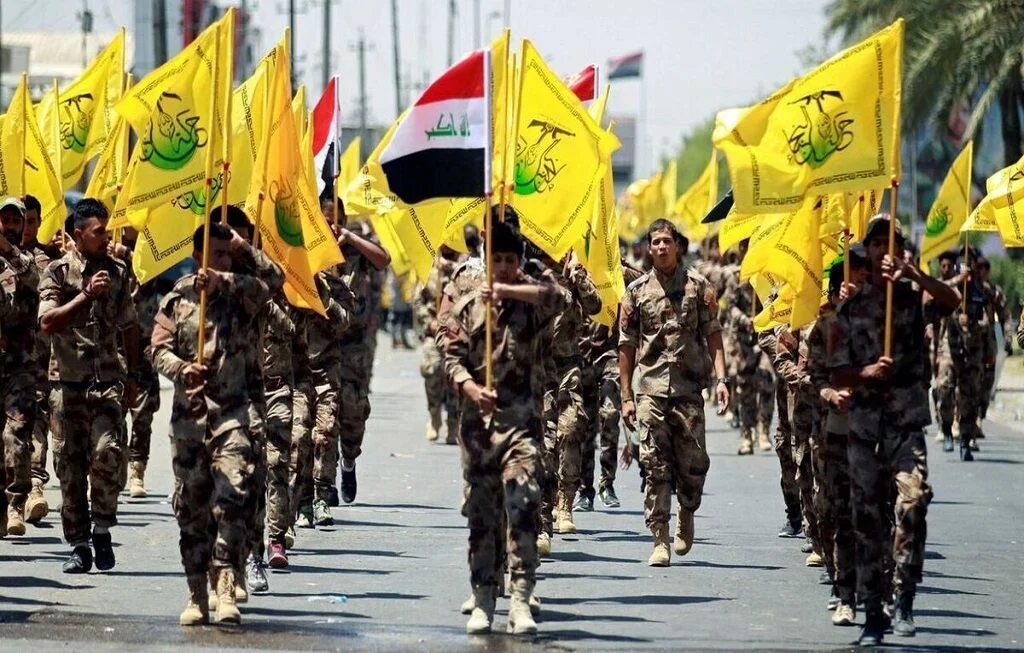
In 2014, the Islamic State’s conquest of much of northwestern Iraq prompted Sistani to issue a fatwa mobilizing Shi‘a, Sadr to form the Peace Brigades, and intervention by Iran-backed factions. Their motives differed, but they jointly confronted a threat to Baghdad and the Shi‘i shrine cities.
The 2019 protest movement posed a different challenge. The clerical establishment pressed Prime Minister Adil Abdul Mahdi to resign after Sistani’s representative warned that political dominance could pass to other communities. Sadr-linked “Blue Hats” attacked protesters; witnesses attributed seven deaths in Najaf in February 2020 to Sadr-linked gunmen, according to United Nations reporting. Militias also used lethal force. Badr Corps leader Hadi al-Amiri praised factions for confronting what he called the “October sedition” and preserving the political order, without admitting killings. The government fell, but Shi‘i control of the premiership survived.
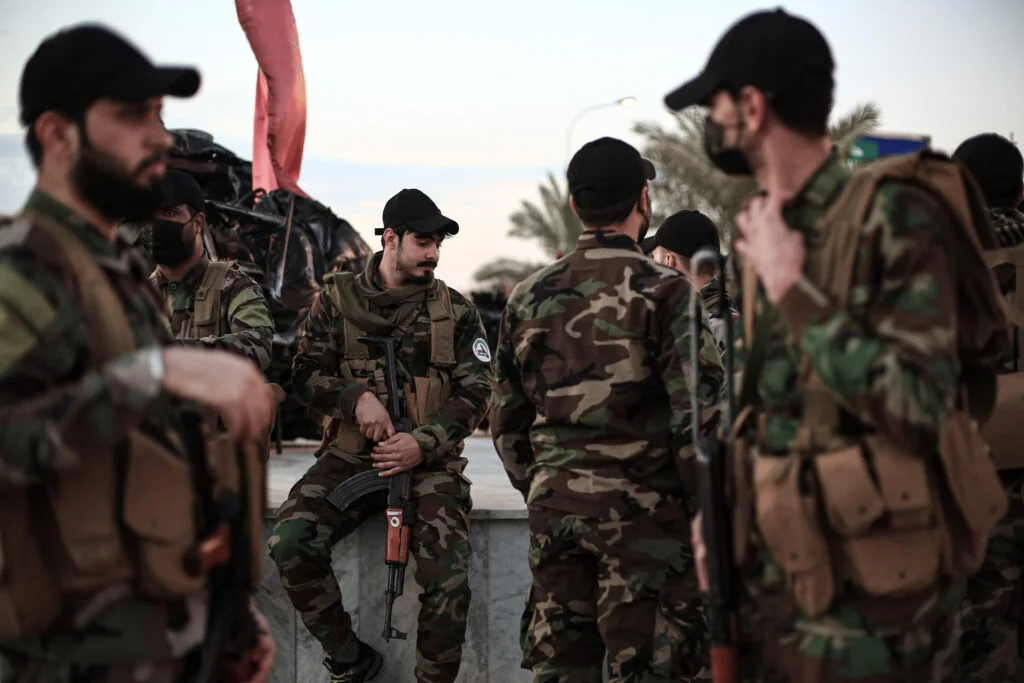
The Islamic Republic helped sustain this order through Islamic Revolutionary Guard Corps backing for political factions and commercial networks. Regime collapse in Tehran would not erase Iraqi power structures: Najaf would retain religious influence, Sadr would still command followers, and the Iran-backed militias would still possess weapons, hundreds of millions of dollars, and institutional leverage. Fear of losing the premiership could encourage cooperation among rivals.
Iraq Partition Talk Revives Old Plans
An alternative would be retrenchment into the southern region possessing oil fields, ports, border crossings, and the shrine cities Najaf and Karbala. Control of revenue from all of these could support militia autonomy without Tehran.
The collapse of Iran’s regime also could lead China to support a militia-dominated entity in southern Iraq to protect its interests, particularly if Beijing needs a substitute for its partnership with Iran. China’s stakes in Iraqi oil fields could provide economic incentive to secure an alternative source of influence and ensure uninterrupted oil supplies. Chinese support could provide economic and political backing, strengthen the southern region’s ability to survive, and turn Iraq’s potential partition into an arena of competition between Washington and Beijing.
For Gulf Arab monarchies, an armed southern enclave could resemble the Houthi challenge—on the Persian Gulf’s northern shore.
Washington’s Disarmament Timeline Slips
This possibility exposes a strategic blind spot in the approach pursued by U.S. envoy Tom Barrack and Secretary of State Marco Rubio. Washington agreed to extend the deadline for bringing militia weapons under state control to June 30, 2027, favoring negotiation and gradual integration. But this understanding offers no clear answer to factions that reject the State Department’s framework and instead pursue southern autonomy after an Iranian collapse.
These organizations regard their weapons as guarantees of political and military survival. On October 21, Harakat al-Nujaba rejected disarmament and participation in the political process. Earlier separatist statements suggest that some factions contemplate territorial alternatives if Baghdad’s balance of power changes.
The extension also grants factions time to consolidate financial networks, strengthen political footholds, and reposition themselves. Militia-linked figures hold senior government offices even as their organizations retain independent armed capabilities. Washington risks conferring legitimacy before securing genuine disarmament.
Iraqi Prime Minister Ali al-Zaidi, therefore, faces more than a disarmament challenge. Integrating fighters into state institutions does not eliminate separate chains of command, financing, or loyalties. Preventing territorial fragmentation requires protecting oil installations and provincial institutions from armed capture.
Iraq Partition Could Follow Tehran’s Collapse
The Iran regime’s collapse could offer Iraq an opportunity to dismantle militia power and move beyond the sectarian conventions inherited from 2003. But delay may encourage militias to overcome rivalries and revive the southern-region project to safeguard their weapons and political dominance. The central contest will quickly become whether Iraq can establish state authority before an Iranian crisis turns disarmament into a struggle over the country’s borders.