
A profound geopolitical evaluation arguing that lasting Middle Eastern stability requires absolute Israeli operational freedom in Lebanon to permanently dismantle Iran’s proxy architecture and neutralize Hezbollah’s regional asymmetric capabilities.
Tehran’s sophisticated multi-front proxy architecture relies fundamentally on maintaining its forward strategic depth along the Levant, meaning that neutralizing regional instability requires total operational freedom against hostile actors. True containment remains entirely unachievable if Western diplomatic frameworks inadvertently shield terrorist proxies, making an Israel unfettered a vital necessity for dismantling the Islamic Republic’s forward command structure.
Israel Unfettered Redefines Northern Security
Amid the ongoing, fitful diplomacy to end the war between the United States and the Islamic Republic of Iran, the conflict’s second front, between Lebanon and Israel, is picking up pace.
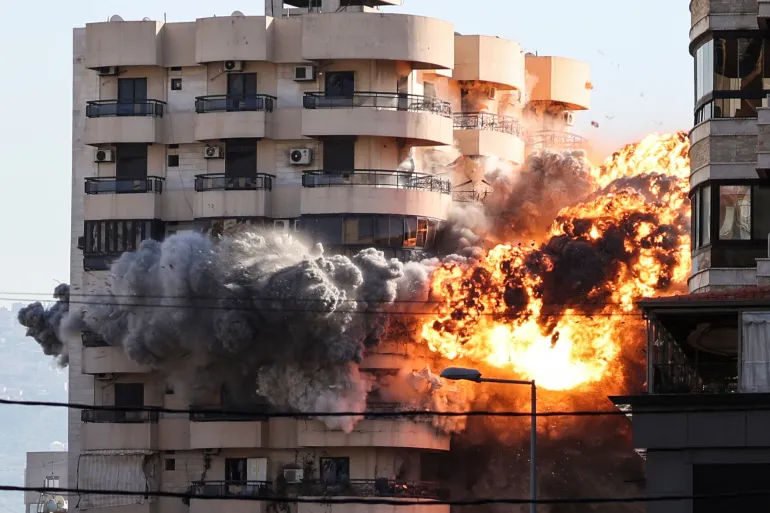
While Israel has limited its attacks on Hezbollah, Iran’s Lebanese terror proxy, since a renewed ceasefire was brokered by the United States in April, its patience is running out. Low-tech drone attacks by Hezbollah are bleeding the IDF and threatening Israeli border communities.
Washington must understand that unfettered Israeli actions are not only vital for its defense. They also undercut Tehran’s bid to sustain its regional hegemony as it pretends to seek peace.
Regional Escalation Testing Israel Unfettered Command Structure
Israel Steps Up Operations Against Hezbollah Israeli Prime Minister Benjamin Netanyahu vowed on May 25 to “step on the gas” in the war against Hezbollah, which continues to pose a threat despite being driven out of its former fiefdom in southern Lebanon and losing the bulk of its missile arsenal. The following day the IDF ordered residents of some border communities to avoid congregating in large numbers.
Since the April 17 ceasefire between Israel and Lebanon, the IDF has lost 10 soldiers on the Lebanese front. The bulk of these casualties were mostly the result of fiber optic-guided exploding drones, whose ability to skirt electronic jamming has also posed a constant menace to civilians in northern Israel.
This escalation fueled demands in Israel to take the fight to the enemy. After Netanyahu’s latest warning, Israel struck Hezbollah targets in the Bekaa Valley and around Tyre. In Dahiyeh, the Beirut district that houses Hezbollah headquarters, some residents fled in anticipation.
According to Gila Gamliel, a member of Israel’s war cabinet, Netanyahu wants to enlist the United States, together with the Lebanese government, in a partnership that would decisively strip Hezbollah of its weapons and advance an Israeli-Lebanese accord.
Countering Tehran Diplomatic Stratagems Threatening Israel Unfettered
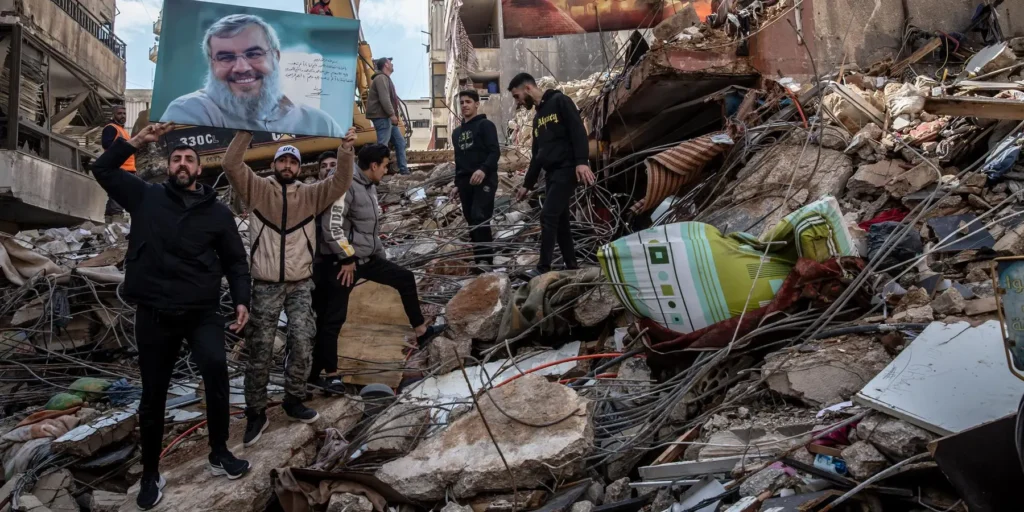
Tehran Using Negotiations With U.S. To Protect Hezbollah Unsurprisingly, a Lebanon linkage is among the points of leverage that Iran has been using in its negotiations with the Trump administration. As well as demanding financial relief and downstream nuclear negotiations, Tehran is also pushing for an “all fronts” ceasefire — code for ending Israeli operations against Hezbollah — as part of any initial understanding with Washington.
So far, the United States has been unmoved by this Iranian condition. “If Hezbollah is going to launch missiles or launches missiles at them, Israel has every right to respond to that, or to prevent that from happening,” Secretary of State Marco Rubio said on May 25.
Rubio also condemned a speech by Hezbollah chief Naim Qassem calling for the ouster of the Lebanese government, asserting that the terrorist organization is “actively trying to drag Lebanon back into chaos and destruction.”
Israel Unfettered Paralyzes Proxy Capabilities
Regional Peace Impossible Without Removal of Hezbollah President Donald Trump should push back against Iran’s attempt to rescue Hezbollah, the jewel in its crown when it comes to Tehran’s proxies around the region.
Bullet-proofing Hezbollah at this juncture in the war would be equivalent to letting Iran recover its enriched uranium from the ruins of Isfahan and secretly stow away the material elsewhere.
Defanging Hezbollah in accordance with UN Security Council Resolution 1701, passed 20 years ago, would assist with pacifying Lebanon by removing Iran’s malign influence from the country.
Decisive Levant Pacification Demands Israel Unfettered Strategic Autonomy
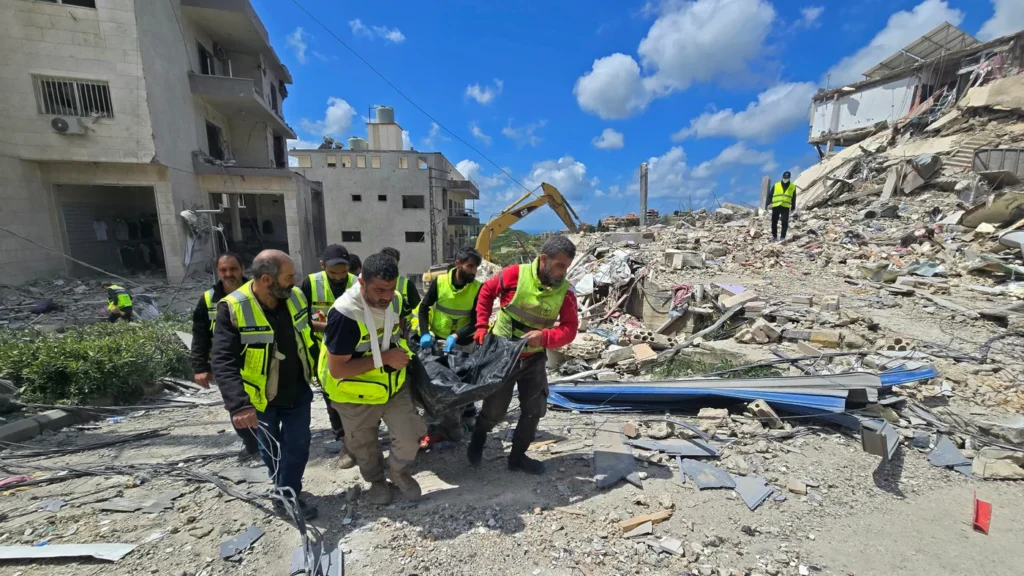
Until that happens, Israel will legitimately want to preserve its southern Lebanese buffer zone — with firepower, if necessary. That approach deserves the full-throated support not only of the Trump administration, but also of the Lebanese government, which has publicly condemned Israel even as the sides privately discuss ways of eliminating the mutual burden of Hezbollah.
Trump wants any peace deal with Iran to bring about an expansion of the Abraham Accords, with Lebanon among the front-runners in terms of potential signatories. As welcome a development as that would be, the terrorist threat must be snuffed out before any ceremony can be held.