
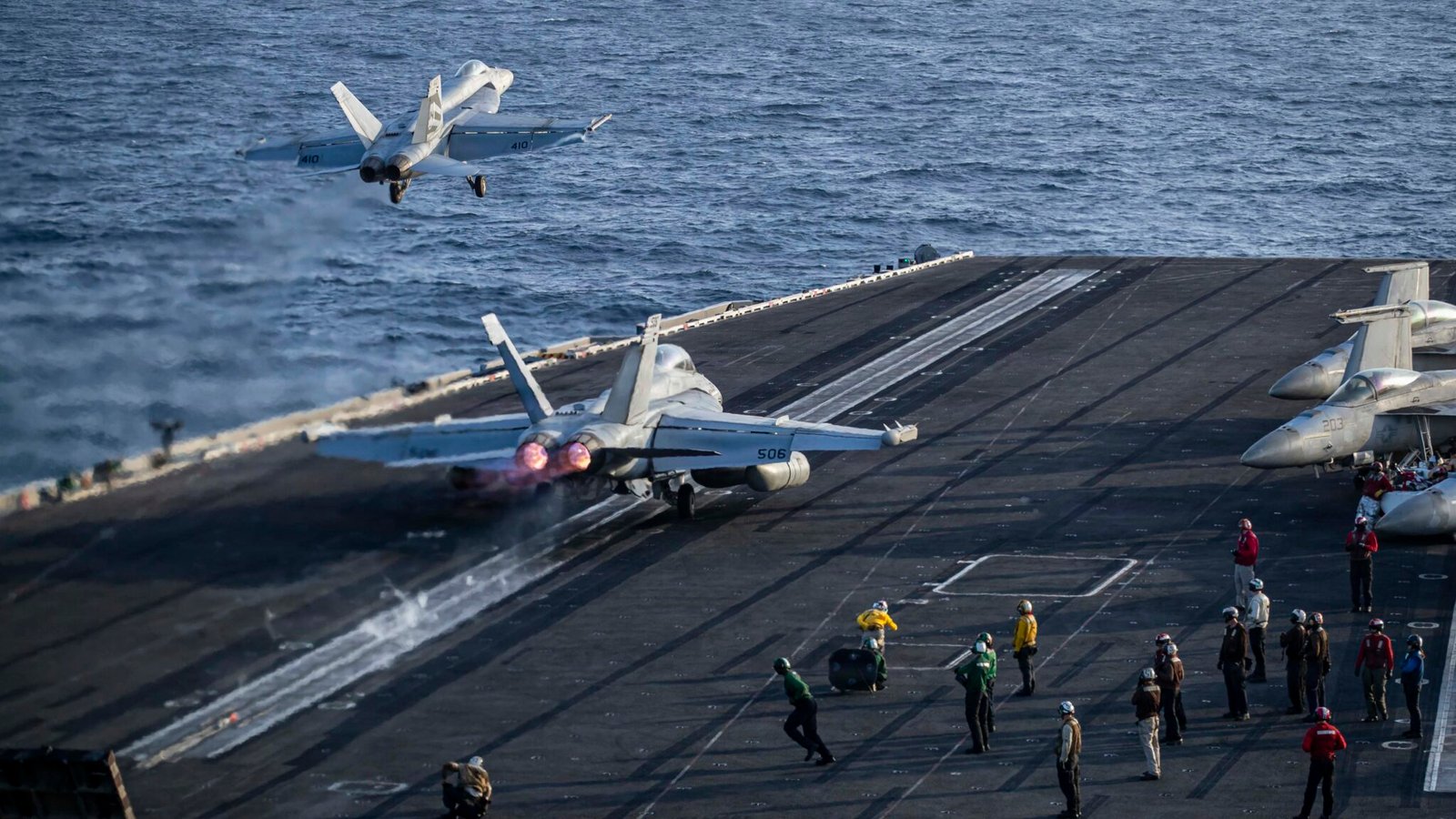
The Iran war has severely depleted US precision munitions and air-defense interceptors while carrier and THAAD assets shift away from the Pacific, undermining the US military edge and contradicting flexible realism’s promise of strategic discipline.
The strategic position of the United States now confronts a paradox of its own making. Six months after launching an unauthorized campaign against Iran, the Trump administration finds its formidable military machine consuming precision munitions, air-defense interceptors, and carrier deployment cycles at rates that far exceed replenishment.
What began as a purported exercise in flexible realism has instead produced a steady erosion of the very US military edge that underpins American global deterrence. Reserve stocks of Patriot and THAAD interceptors are stretched thin, while the Pacific lacks a carrier presence precisely when Beijing escalates coercion against Japan, Taiwan, and the Philippines. This is not a temporary logistics problem; it is the predictable consequence of a strategic choice made without accounting for finite resources.
The administration inherited real strengths alongside an industrial base that was already inadequate, yet it chose to fight a major war while those weaknesses remained unresolved. The result is a dangerous contradiction: the United States still commands the world’s most powerful force, but its decision-makers are actively degrading that US military edge through overextension, inventory depletion, and a refusal to explain why secondary theater demands justify primary theater sacrifices. A realist policy would begin with the acknowledgment that power is finite and must be conserved for the most consequential threats.
A Strategy Built on False Promises
The Trump administration took office promising to restore American military strength via “flexible realism.” This strategy promised a more disciplined American approach to defense—one that would abandon the expansive ambitions of the post-9/11 era, prioritize China, demand more from allies, and match American commitments to actual capabilities.
Six months into an unauthorized war of choice with Iran, a different picture is emerging. While the United States still possesses the world’s most powerful military, the administration is compromising that power and eroding the exact capabilities needed to address our nation’s most critical security threats.
Depleting Reserves Threatens US Military Edge
The warning signs are flashing red. The Iran War has consumed vast quantities of US munitions and air-defense interceptors. Stockpiles of long-range precision weapons are severely depleted, while Patriot and THAAD inventories are under intense pressure. And while the administration is now pushing defense contractors to accelerate production, bottlenecks in the defense-industrial base will take years to resolve.
Pacific Forces Left Exposed
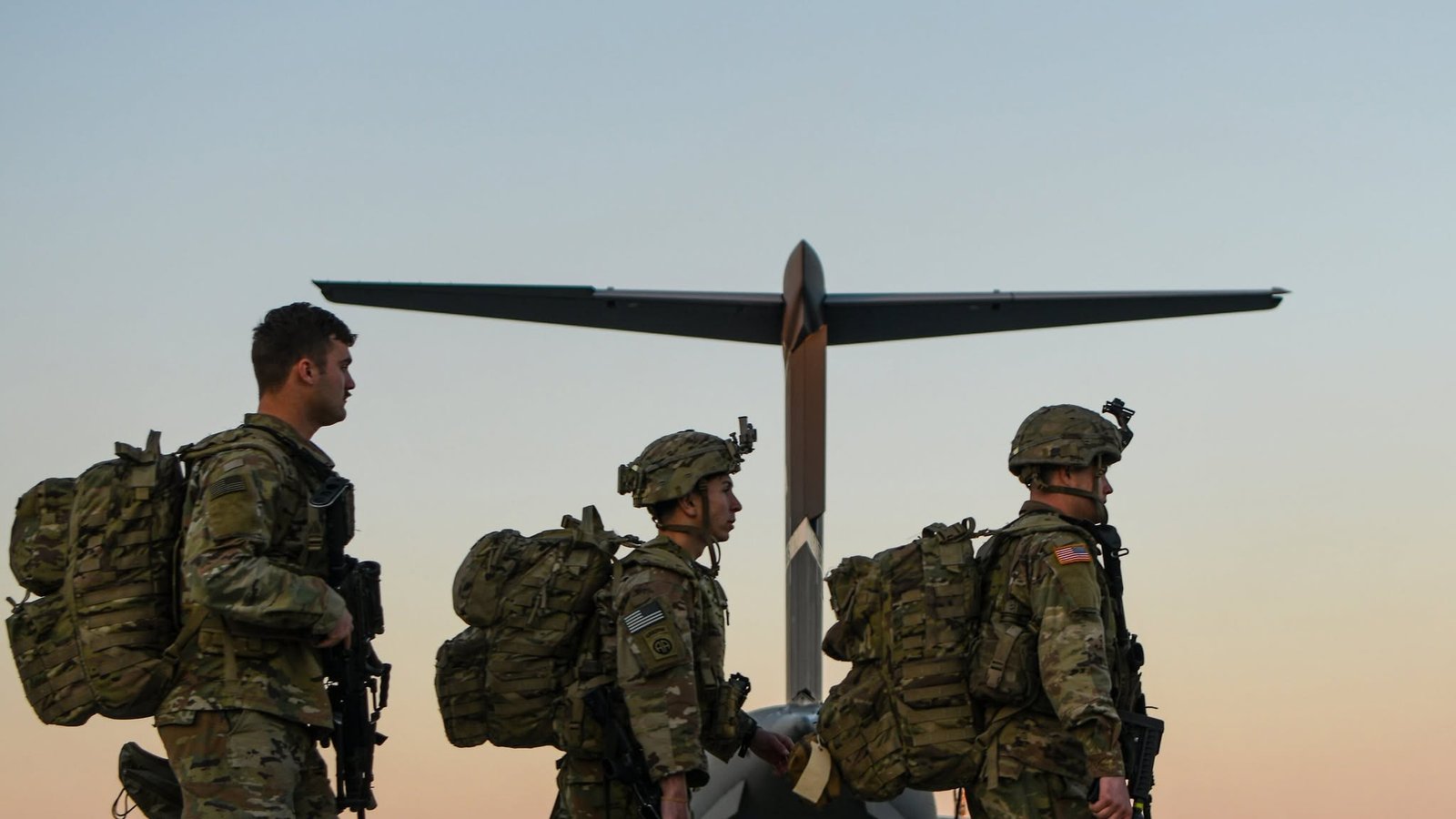
Meanwhile, the operational demands of the Iran War are bleeding into other theaters. The USS Abraham Lincoln endured an extraordinarily long deployment before the administration moved the USS George Washington toward the Middle East to relieve it. The United States now has no aircraft carrier in the Pacific—just as Beijing increases its coercive pressure on Japan, Taiwan, and the Philippines. Furthermore, portions of the US THAAD missile-defense capability have been stripped from South Korea and sent to the Middle East, opening another dangerous seam in allied defense.
What Does Realism Actually Demand?
War creates contingencies, and forces must be allocated to where they are needed most urgently. The roots of some US munitions shortages predate the Trump administration, reflecting years of underinvestment in the defense-industrial base. But the critical question is not just about logistics—it’s about strategy. Did the administration bother to plan for or mitigate these foreseeable risks before it impetuously leaped into a Middle East misadventure?
Realism is not just the recognition that power matters; it is the recognition that power is finite. A realist foreign policy demands a cold calculation of ends and means. What does the United States seek to accomplish? What resources does it have? Which interests are sufficiently important to justify the expenditure of those resources? And consequently, what risks must it accept elsewhere?
Squandering Strategic Strength
If China is genuinely the United States’ “pacing challenge,” as the administration has asserted, then the administration should be able to explain to the public—and to a Congress weighing a deficit-engorging $1.5 trillion defense budget—why a war of choice with Iran justifies stripping capabilities in the Indo-Pacific, consuming inventories needed for Pacific contingencies, and imposing extraordinary deployment demands on our military, degrading morale and readiness.
The President Owes Congress Answers
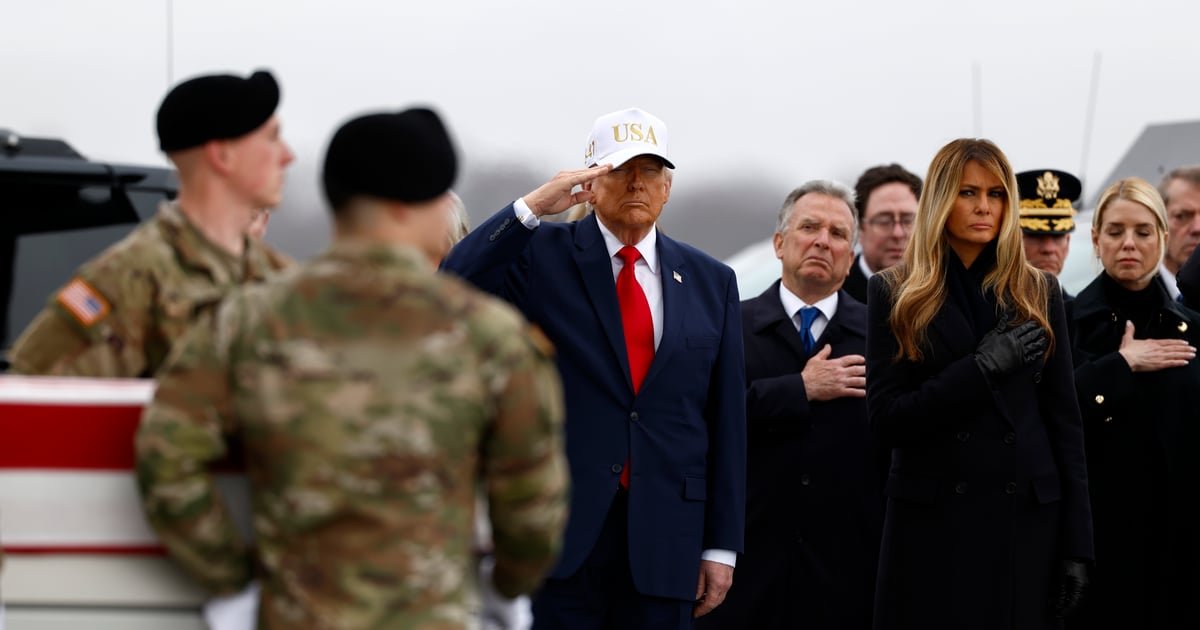
A great power does not become strategically stronger simply because it can win today’s fight. It becomes stronger when it can win today without imperiling its ability to prevail tomorrow. The Trump administration inherited enormous military strength. It is now squandering that inheritance. It is exhausting inventories faster than it can replenish them, extending deployments past sustainable limits, and repeatedly accepting high risks in a theater it previously declared secondary.
If President Donald Trump wants to prioritize Iran over the Indo-Pacific or Europe, he should say so. If he believes reducing the US military presence in Korea or temporarily leaving the Pacific without a carrier is an acceptable risk, he should explain why. If his administration believes the depletion of precision munitions and air-defense inventories is an acceptable price for war with Iran, it should communicate the level of risk it is willing to accept elsewhere while those stocks are rebuilt. Instead, as the president tries to pivot economic pressure to solve problems of his own making—like the closure of the previously open Strait of Hormuz—strategic prioritization has given way to strategic incoherence.
Bankrupting the Nation’s Defenses
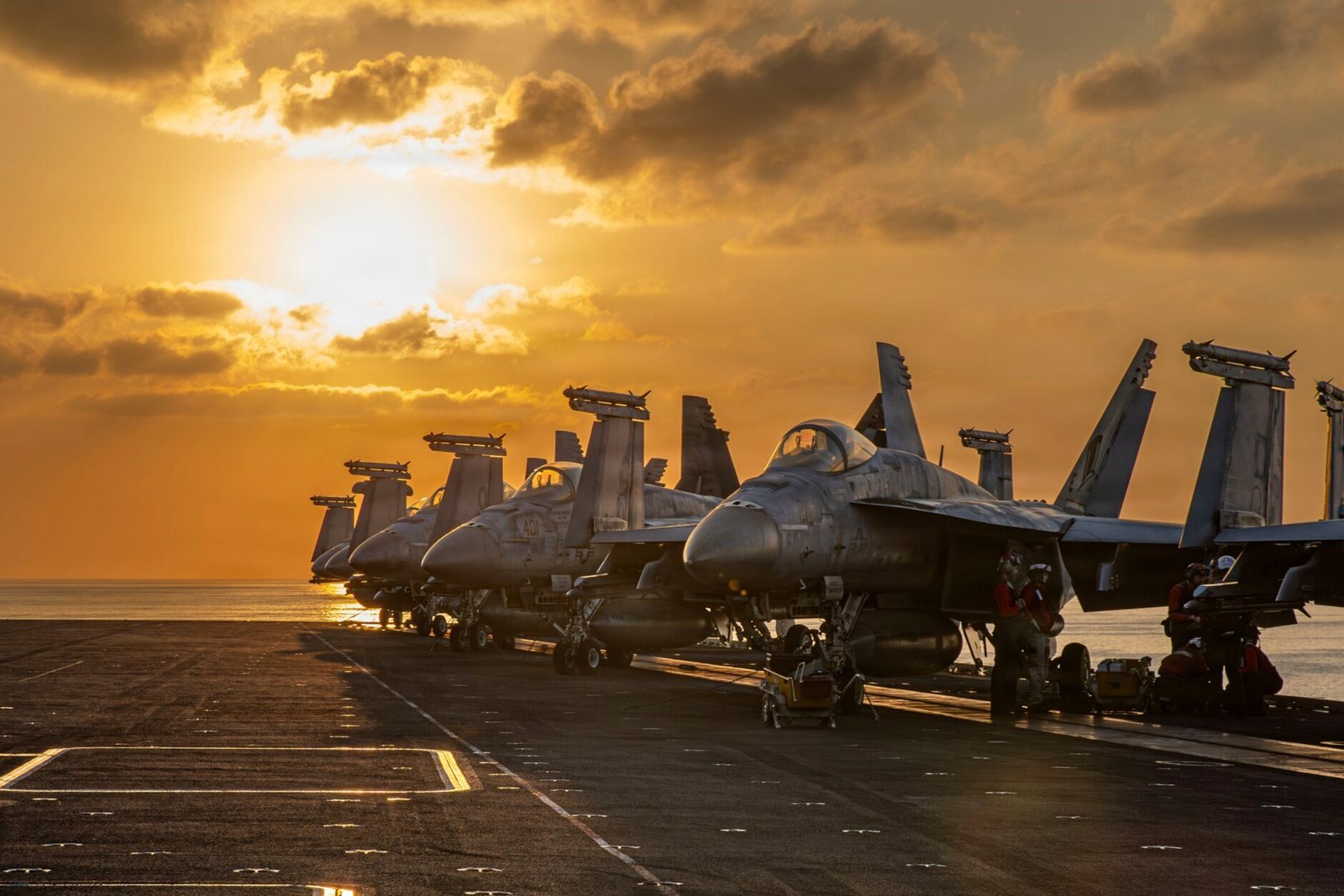
The Trump administration inherited a military with real strengths and real weaknesses, including an inadequate defense-industrial base. But in choosing to undertake a major war while those weaknesses remain unresolved, failing to take into account how war with Iran would undermine our global military posture, and seeming intent on treating the consequences of the war for US readiness (and for the lives and well-being of our servicemembers) as someone else’s problem, the president is weakening our military, as it eats through its resources and its reserves faster than it can replenish them.
Even a casino can be bankrupted if its managers consistently misjudge risk and mistake available capital for unlimited wealth. America’s military is far more resilient than the Trump Taj Mahal, but the principle remains the same. A capable military can absorb enormous demands, but it cannot survive strategic mismanagement indefinitely. And unlike a failed Trump Entertainment Resort, when a nation bankrupts its military, there are no friendly bankruptcy courts to turn to for relief. Only the iron laws of history remain.
The Trump administration promised a stronger military and a realistic foreign policy. It has delivered neither. The ultimate test is not whether the United States can somehow scrape together a victory in Iran; it is whether, after this debacle, we will still possess the military capacity and strategic flexibility to prepare for the conflicts of tomorrow.