
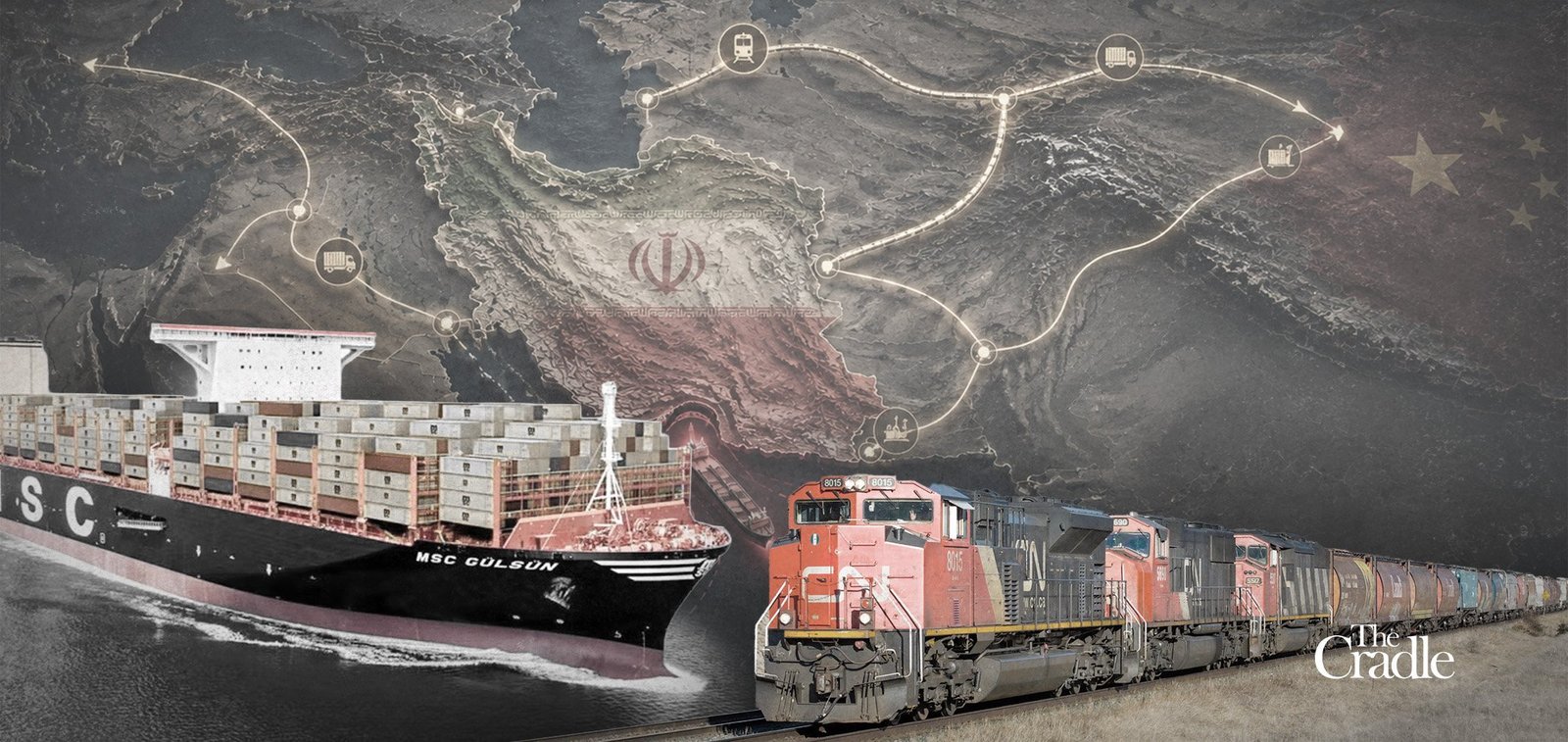
Iranian crude exports to China fell from 1.4 million bpd to 534,000 bpd as Hormuz traffic vanished. Tehran shifts to Caspian, rail, and barter routes, absorbing higher costs while avoiding total isolatio
The collapse of visible tanker traffic through the Strait of Hormuz has forced Tehran to accelerate a quieter transformation of its economic geography. Iran trade routes now extend beyond the narrow maritime chokepoint that once defined the country’s export capacity. Pre-war exports averaged 1.7 million barrels per day, yet Chinese imports of Iranian crude have fallen dramatically as the US blockade tightens.
The state still reports oil revenue reaching the central bank, but the barrels are moving through longer, costlier, and less transparent channels. Iran trade routes increasingly involve Caspian shipping, Central Asian rail corridors, and overland links to Russia and Iraq. These alternatives cannot replace Hormuz for crude volume, but they keep imports flowing and reduce the blockade’s ability to isolate Iran completely.
The economic cost is visible in higher logistics expenses, rising unemployment, and elevated inflation. Tehran is not collapsing; it is absorbing pressure by shifting toward non-dollar settlement, barter arrangements, and infrastructure-linked oil proceeds. This adaptation makes the economy less efficient but harder to strangle. The strategic lesson is that chokepoint dominance no longer equals total leverage over Iran, even as Hormuz remains indispensable.
Oil Exports Collapse Under Pressure
After mid-July, the laden Iranian tankers still visible to commercial trackers all but disappeared from the Strait of Hormuz. Some vessels may have continued moving with their transponders switched off. Even so, the recorded traffic showed how quickly Iran’s main oil outlet had again become the narrowest point in its economy.
The strait remains the decisive vulnerability. Roughly one-fifth of the world’s oil and liquefied natural gas (LNG) trade moved through it before the US–Israeli war on Iran began in late February. Traffic collapsed, partially recovered under the June memorandum, and then fell again.
Iranian officials have repeatedly tied any sustained reopening to broader political conditions. The recurring uncertainty has forced Tehran to adapt its economic geography around the chokepoint.
Oil under pressure
Available data show the scale of the disruption. Pre-war Iranian crude exports averaged around 1.7 million barrels per day (bpd), with China taking more than 80 percent. Data from ship-tracking company Kpler indicates that Chinese imports of Iranian crude fell to roughly 534,000 bpd in the first part of August, far below the 1.4 million bpd average of 2025. Offers to Chinese buyers declined, and prices rose as the US blockade tightened.
At the same time, Iranian authorities reported transferring $7.5 billion in oil-related foreign-currency proceeds to the central bank during the first four months of the current Iranian calendar year, from late March to late July 2026. The figure shows that revenue was still reaching the state, although it included proceeds from oil sold earlier.
What revenue remains is moving under more constrained conditions. Longer routes, ship-to-ship transfers, opaque intermediaries, and vessels that frequently switch off their Automatic Identification System (AIS) have raised costs. Chinese buyers have drawn on cargo already outside the Gulf and floating stocks in Asian waters. The net effect is lower volumes and higher friction around the same barrels.
Caspian and Rail Corridors Expand
Iran’s response has been to strengthen secondary routes and settlement channels that reduce, without eliminating, dependence on the strait. These cannot replace Hormuz as an outlet for crude on anything like the same scale. They can keep imports moving, expand non-oil trade, and prevent pressure on one maritime route from sealing the country off altogether.
Routes beyond the Gulf
Trade and logistics with Russia and China have expanded along the International North–South Transport Corridor (INSTC) and related overland and Caspian links. Cargo volumes on the corridor grew 12 percent in 2025 to 3.5 million tonnes, while Russian exports toward Iran rose by more than 56 percent in the first four months of 2026, albeit from a limited base.
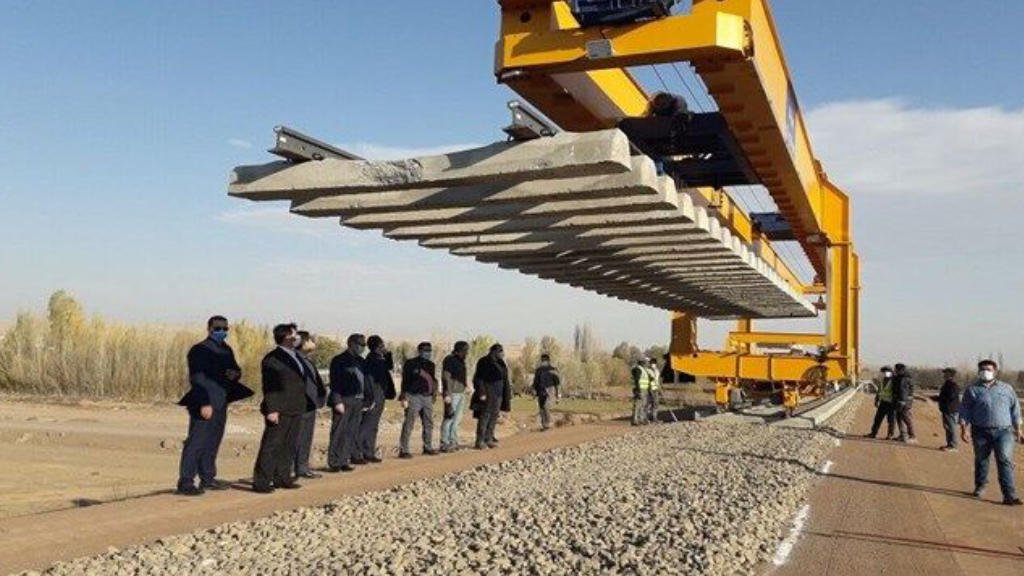
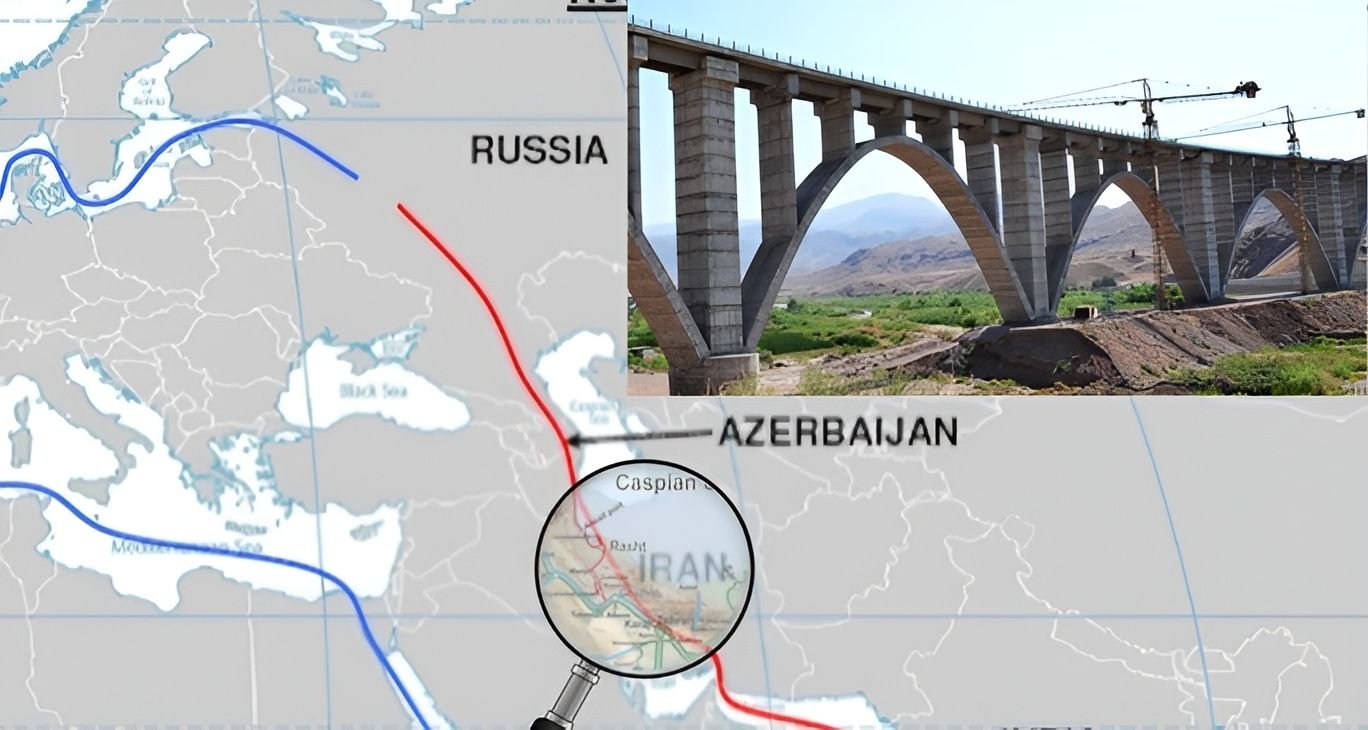
The Astara freight terminal is nearing completion, with Azerbaijan Railways reporting that design work is almost finished and construction more than 93 percent complete. The missing Rasht–Astara rail segment remains unfinished.
Chabahar Suffers But Still Matters
Land acquisition has advanced, and Russian financing remains in place – but until the line is built, cargo must still change between rail and road. Caspian shipping between Russian and Iranian ports has therefore taken on greater practical importance. It avoids the Gulf blockade, even if it remains exposed to sanctions, surveillance, and limited port capacity.
Kazakhstan has also secured a long-term logistics footprint at Shahid Rajaee Port in Bandar Abbas and has expressed interest in Chabahar. Rail freight between Kazakhstan and Iran rose sharply in 2025. The Bandar Abbas terminal strengthens regional trade but does not bypass Hormuz. Chabahar, on the Gulf of Oman, is the more relevant outlet for that purpose.
Chabahar itself was damaged in US strikes in July, including its maritime traffic-control tower. The Chabahar–Zahedan railway was reported to be more than 90 percent complete, yet the port’s capacity remains limited compared with Bandar Abbas.
Iran Trade Routes Shift Toward Land
The short Shalamcheh–Basra rail link with Iraq is also under construction. If completed, it would improve passenger and cargo connections with Iraq, though it would serve regional trade rather than offer a direct substitute for Iran’s oil-export terminals.
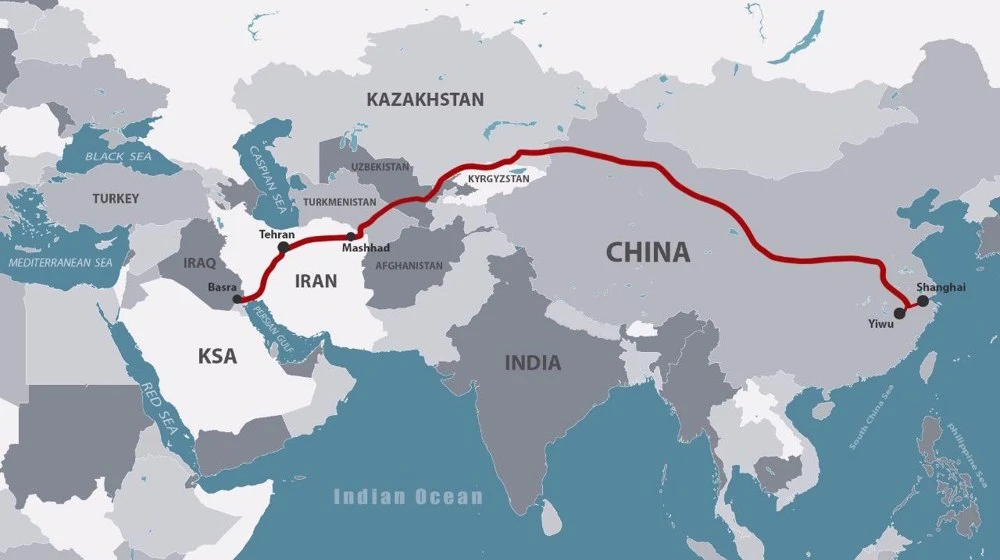
Rail movements between China and Iran through Central Asia have also gained importance during the blockade. They remain slower and more expensive than maritime freight for bulk cargo, but they give Tehran a route that cannot be closed by a fleet stationed off its southern coast. The emerging network offers insurance against being cut off from the sea.
Resilience at a price
Financial channels have shifted in parallel. Settlement increasingly occurs outside the dollar system through yuan, bilateral arrangements, and barter against Chinese goods and infrastructure. One reported mechanism channeled Iranian oil proceeds into Chinese infrastructure projects rather than transferring cash directly to Tehran. The scale is difficult to measure as Tehran keeps the workings of these channels out of public view to shield them from secondary sanctions.
What can be established from trade data, ship-tracking data, and on-the-ground reporting is that these alternative pathways exist, are actively used, and still make operating from Iran more expensive.
Economic Strain Mounts at Home
The costs are visible inside the country. Factories and energy infrastructure damaged in the fighting require state support, while imported goods travel longer and costlier routes. Recent labor-market estimates indicate that unemployment rose from 7.3 to 9.1 percent over the past year, with around 450,000 people losing their jobs.
Inflation, which had reached extreme levels earlier in the year, remains elevated. Energy shortages and higher logistics costs feed into consumer prices. The economy has not collapsed – output contraction in spring 2026 was modest relative to the scale of the attacks – but it is operating under tighter constraints and higher unit costs.
Iran is becoming less dependent on western-controlled financial channels and on maritime access alone. That shift carries its own burden. Oil sold through informal networks, freight moved across longer land and Caspian routes, and payments trapped inside barter arrangements make the economy less efficient even as they keep it functioning.
Hormuz will remain critical, as no railway can carry the volume of crude that passes through the strait. Yet every functioning route to Russia, China, Central Asia, and Iraq gives Tehran more room to withstand a blockade, ensuring that the closure of one chokepoint does not seal off the country with it.