
Syria and Hezbollah pursue a transactional rapprochement in 2026 as Damascus intercepts weapons but declines U.S. requests to disarm the group. Both actors seek managed neutrality, border constraint, and avoidance of a broader military spillover while preserving core strategic assets.
The recalibration of Syria Hezbollah relations unfolds against a strategic backdrop where historical enmity and immediate logistical friction collide with the cold imperatives of state survival. The post-Assad order in Damascus, still consolidating its legitimacy after 14 years of devastating civil war, faces a dual compulsion: it must assert sovereignty by interdicting Hezbollah’s arms flows, yet it cannot afford to become the spearhead of a U.S.-Israeli campaign that would ignite its fragile borderlands.
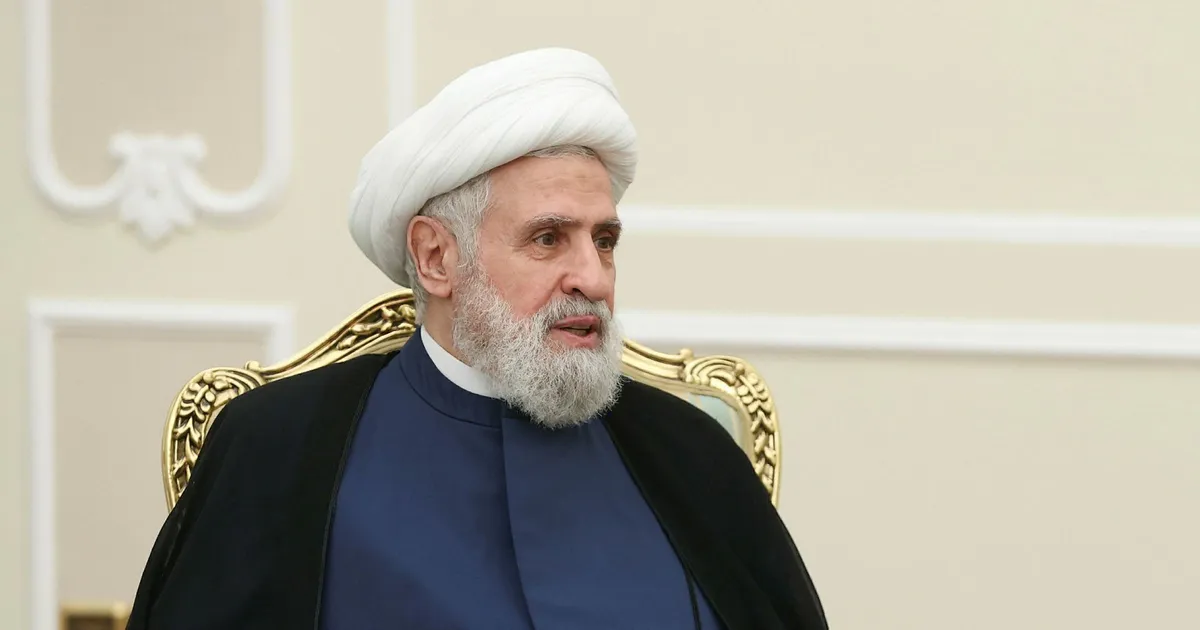
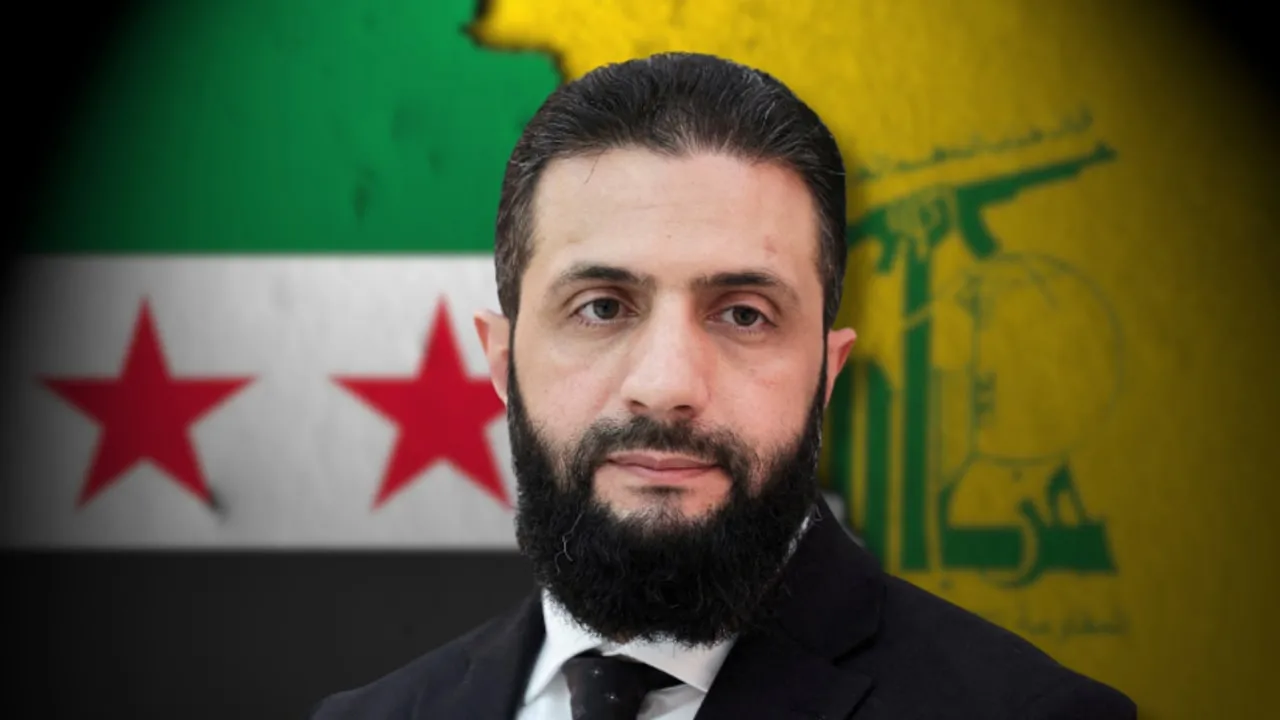
Hezbollah, reeling from the loss of its overland Iranian supply corridor and confronting unprecedented military pressure, recognizes that Syrian neutrality—however grudging—represents a damage-control mechanism more vital than the restoration of full operational freedom. The mutual overtures exchanged between Hezbollah Secretary General Naim Qassem and Syrian President Ahmad al-Sharaa in mid-2026 reveal a transactional rationality at work, one that subordinates ideological kinship to the geometry of deterrence, border management, and the avoidance of a multi-front hemorrhage.
Beneath the public fraternal rhetoric, both actors are calculating how far to yield without ceding the core assets that define their respective coercive postures. The resultant alignment, embryonic and deeply fragile, does not erase the blood debt of Hezbollah’s participation in regime atrocities, but it exposes a structural truth: in a Levant reshaped by regime change and great-power competition, Syria Hezbollah relations have become a barometer of regional equilibrium, where pragmatism overrides rivalry with a precision that ideology cannot afford.
Damascus Courts a Wary Partner
During the Syrian civil war, Hezbollah spent years fighting the factions now ruling Damascus.
Now, even as Damascus intercepts the group’s weapons and disrupts its supply routes, Hezbollah’s Secretary General Naim Qassem is courting Syria’s new rulers. In a televised speech on August 4, Qassem expressed his willingness to meet with Syria’s new leadership, emphasizing “the importance and necessity of a fraternal, positive, and cooperative relationship between Lebanon and Syria.”
The feeling is mutual. In June, Syrian President Ahmad al-Sharaa said he was prepared to “sit at the same table with Hezbollah if it serves the interests of Syria and Lebanon,” effectively rejecting President Donald Trump’s request for Damascus to play a larger role in disarming Hezbollah. Hezbollah welcomed that decision, opening the door for a potential pragmatic relationship between the two adversaries.
Brokerage Redefines Syria Hezbollah Relations
Hezbollah was a partner in the Assad regime’s atrocities during Syria’s 14-year civil war, complicating its rapprochement with Damascus’ new leadership. Sharaa acknowledged “a major Syrian wound that is still alive to this day, and Hezbollah is part of it.” Yet Syrian foreign policy over the past year has been guided by pragmatism and the national interest, not old enmities — as evidenced by Damascus’ continued engagement with Russia, another key ally of the Assad regime.
Sharaa’s overture should therefore be understood as an effort to position Syria as a broker in Lebanon. As he explained, Damascus wants to “support the Lebanese state, strengthen its official institutions, and create links among Lebanese forces, including Hezbollah.”
Syrian officials recognize that Damascus cannot disarm Hezbollah and that a forcible Lebanese effort to do so could trigger unrest that spills across the border. But they also see the status quo as inherently destabilizing. Sharaa therefore favors a negotiated political process that constrains Hezbollah while avoiding a Syrian military intervention in Lebanon.
Hezbollah Needs Syrian Neutrality
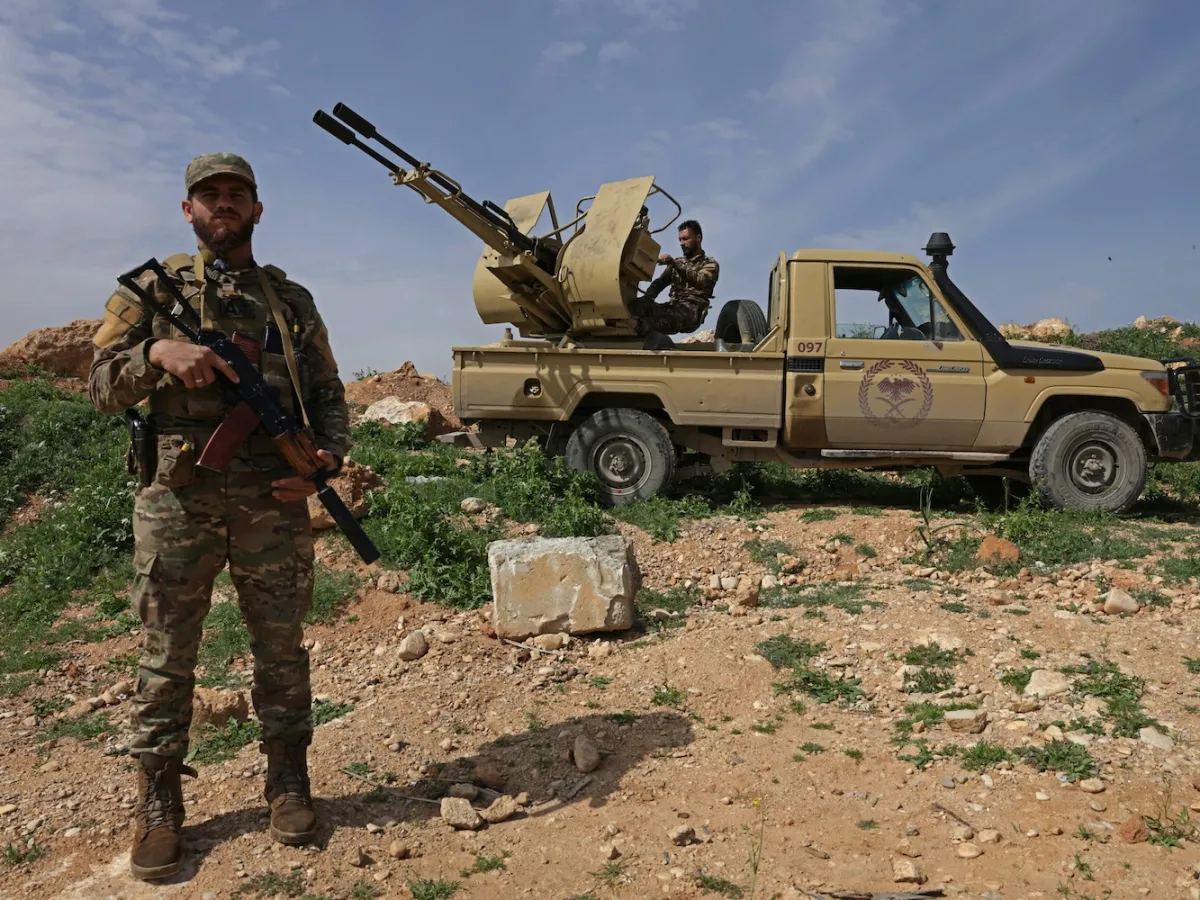
Despite the rupture in their relations, Hezbollah nevertheless needs Syria to remain neutral in the U.S.-backed campaign against the group. Syria has so far declined American overtures to act against the group in eastern Lebanon but has reinforced the border with thousands of troops, partly to prevent Hezbollah infiltration and smuggling. Renewed Hezbollah-Syrian ties could ensure that Syria does not enter Lebanon, nor assist the American, Israeli, or potentially even Lebanese efforts or operations against the group.
Guarding Against Israeli Coordination
This last factor is especially relevant, given emerging Syrian-Israeli security coordination and their convergent interest in countering Hezbollah. The organization would ideally want Israel to remain the common external enemy. It would therefore seek to extract commitments from Syria not to coordinate with Israeli intelligence in operations targeting its fighters. Similarly, it would seek a prohibition on Israeli use of Syrian territory or airspace or any normalization of relations with Israel in a manner that isolates Hezbollah completely.
Why Syria Hezbollah Relations Hinge on Corridors
With Assad’s downfall, Hezbollah lost its permissive Syrian corridor. Ideally, the group would like to restore — or at least partially reopen — the movement of weapons, money and personnel from Iraq and Iran through Syria. Recent Syrian seizures of weapons allegedly destined for Hezbollah demonstrate both Hezbollah’s need and Damascus’s present opposition. Hezbollah likely understands Sharaa will be reluctant to concede an Iranian arms corridor. It may be content with an arrangement that reduces aggressive Syrian domestic enforcement against Hezbollah networks and avoids a complete sealing of the Lebanon-Syria border.

Washington Should Establish a Syrian-Israeli Security Framework
A Syrian-Hezbollah rapprochement would do more than threaten Israel. It would restore a vital lifeline to one of America’s most implacable enemies and put Hezbollah on a path to slow, steady regeneration.
Washington should get ahead of this process. It can do so by actively promoting an Israeli-Syrian framework agreement that focuses on bilateral deescalation and gradual resolution of disputes, while building trust through addressing mutual challenges — especially Hezbollah.