
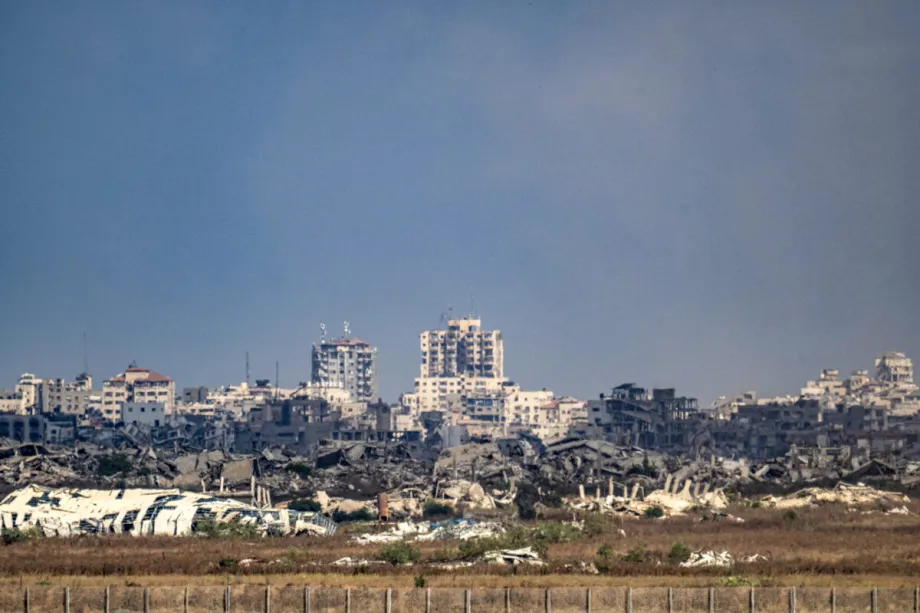
A high-level strategic assessment of Hamas dissolving its Government Emergency Committee in Gaza, analyzing how decoupling civil governance from military operations helps preserve organizational structures and shifts the geopolitical narrative.
Executing a structural realignment, the leadership has prioritized long-term survival over administrative control, ensuring the core tenets of the resistance remain intact. By transitioning municipal governance to a new civil body, the movement aims to preserve its organizational capacity while navigating intense geopolitical pressures through its continued commitment to the resistance.
Resistance enters strategic transition phase
Hamas’s decision to dissolve the Government Emergency Committee in the Gaza Strip and transfer civilian administration to the National Committee for the Administration of Gaza marks a significant strategic shift. To interpret it as capitulation or defeat is to misunderstand the current stage of the Palestinian national liberation struggle.
The movement has reaffirmed its commitment to implementing the ceasefire agreement and fulfilling its responsibilities until Gaza’s civilian administration is fully transferred. The first is to preserve Hamas as a political, social and military force deeply rooted in Palestinian society.
Relinquishing local administration, resistance endures
For almost two decades, the movement has carried the dual burden of governing and resisting, administering a population subjected to blockade, repeated wars and the systematic destruction of the material conditions necessary for life.
After the most devastating war in contemporary Palestinian history, the occupation failed to achieve one of its principal declared objectives: eliminating Hamas.
Leaving Gaza’s day-to-day administration allows the movement to reduce its institutional exposure, reorganise its structures and concentrate on its historical reason for existence: the Palestinian national liberation struggle. The second objective is to contribute to rebuilding Palestinian national unity.
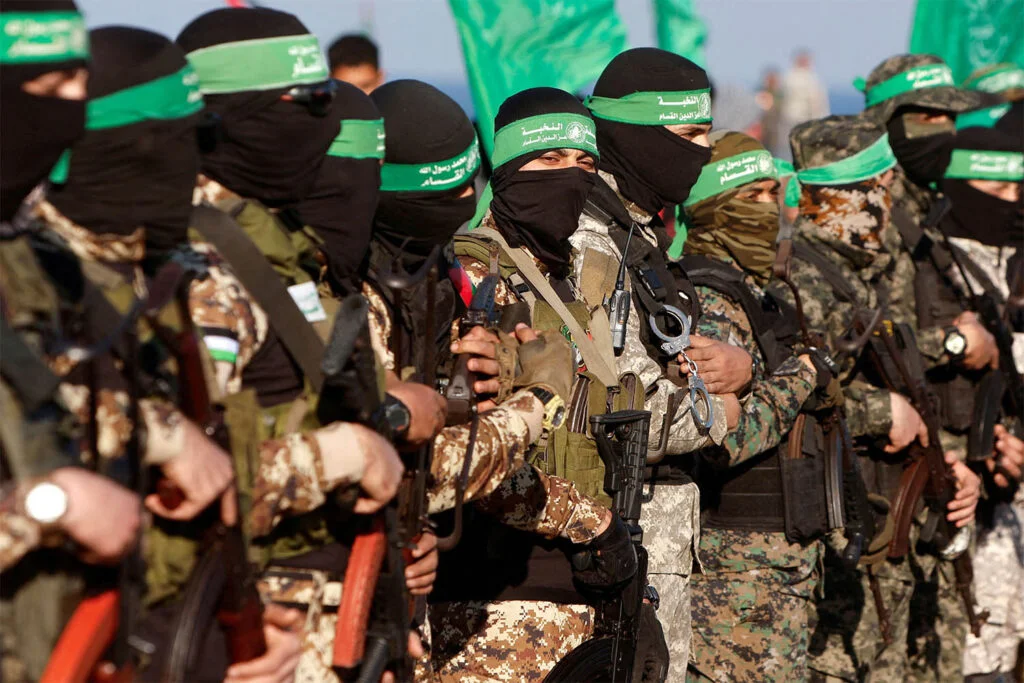
Internal unity aligns resistance
The political and geographical fragmentation between Gaza and the West Bank, together with internal Palestinian divisions, has long constituted one of the occupation’s greatest strategic advantages. Gaza does not belong to Hamas. It belongs to the Palestinian people.
The new administration, however, cannot become an instrument of foreign tutelage or a mechanism for excluding political forces with genuine roots in Palestinian society.
The central challenge remains rebuilding a representative Palestinian leadership capable of speaking for Palestinians in the occupied territories, refugee camps and the diaspora.
Resistance prioritizes continuity over governance
The third objective is to preserve the continuity of resistance.
Governing and resisting are different political functions. A national liberation movement may participate in elections, administer territories, negotiate ceasefires and accept transitional governments. It may also withdraw from administrative structures when remaining within them threatens higher strategic objectives. For years, “Israel” claimed that Hamas’s presence in government justified the blockade, military aggression and collective punishment imposed on Gaza.
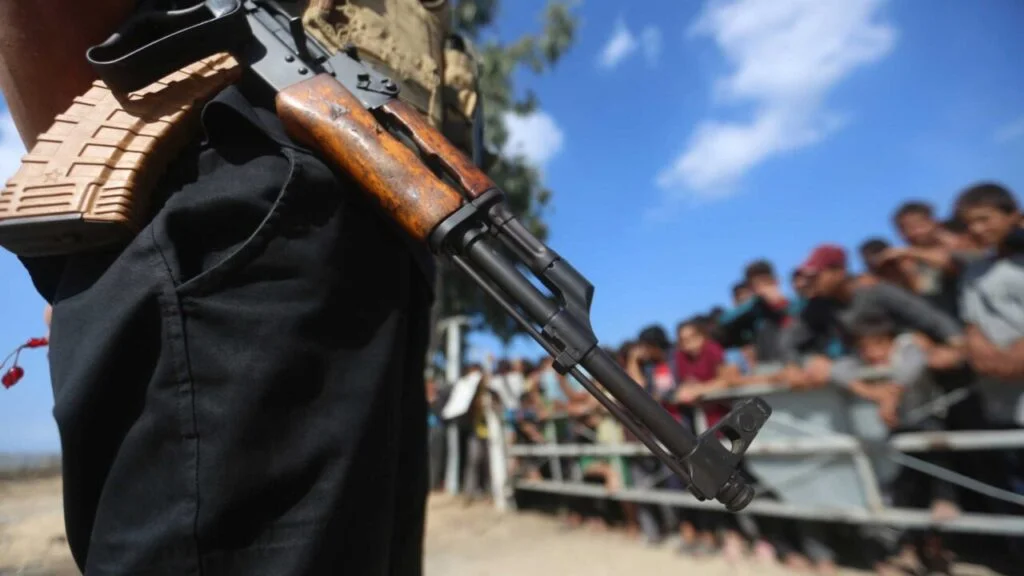
Redefining parameters sustaining resistance doctrine
Now that the movement has completed the procedures necessary to transfer civilian administration, the occupation is seeking to obstruct the implementation of the agreement, prevent the National Committee from assuming its responsibilities and create an administrative vacuum capable of prolonging Palestinian suffering.
The contradiction is revealing. The objective was never simply to remove Hamas from government, but to deprive the Palestinian people of their capacity to resist.
By demanding that mediators and guarantor states pressure “Israel” to comply with the agreement and allow the National Committee to begin its work, Hamas is also confronting these actors with their responsibilities.
The establishment of the new administration could restore essential public services, strengthen Palestinian resilience and begin confronting the humanitarian catastrophe produced by the war. Hamas’s decision therefore puts the occupation’s own narrative to the test.
If the war was necessary because Hamas governed Gaza, then the movement’s departure from government should pave the way for the withdrawal of occupying forces, the opening of border crossings, reconstruction and an end to military aggression.
If new conditions continue to be imposed, the political reality will become impossible to conceal: the problem was never simply who governed Gaza, but the existence of a people who refuse submission, displacement and disappearance.
Hamas may leave ministries, dissolve committees and transfer civilian administration. But leaving government does not mean abandoning resistance.
Governing Gaza was a historical circumstance. The liberation of Palestine remains the strategic objective.