
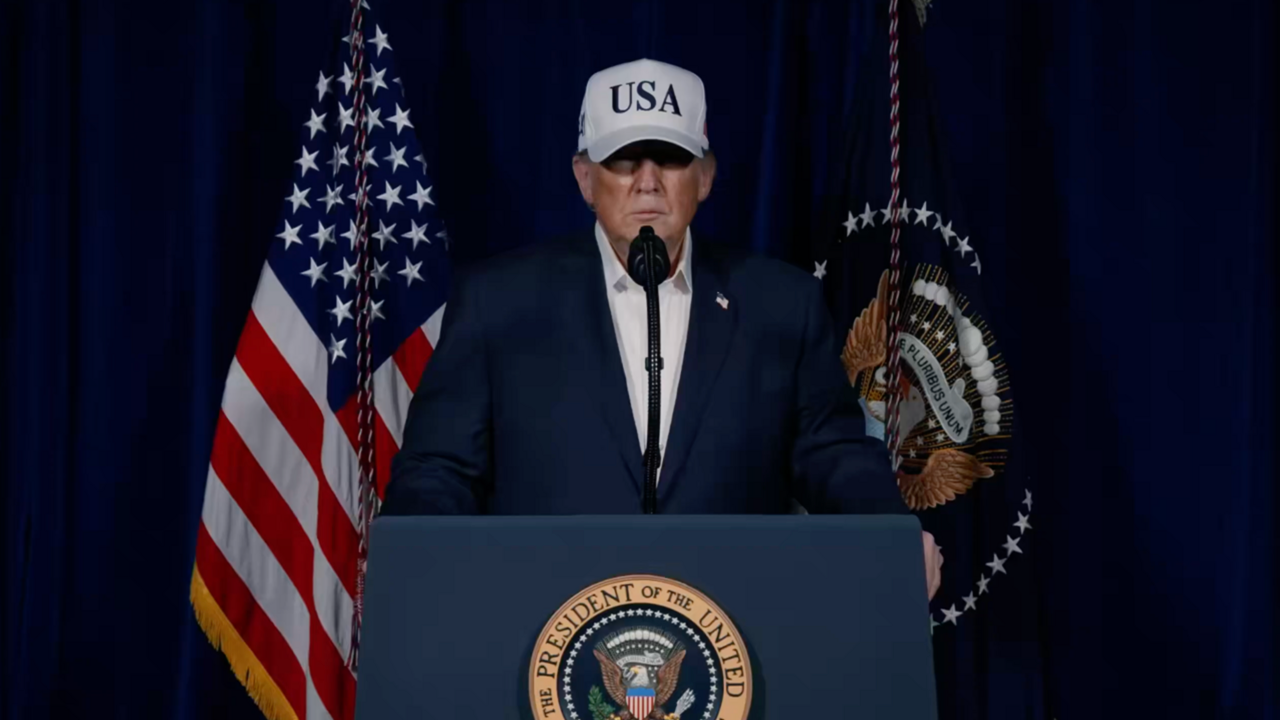
The US-Iran ceasefire faces a credibility crisis rooted in Washington’s prior nuclear deal withdrawal, leaving allies and adversaries doubting its durability. Strategic ambiguity, unresolved tensions, and regional cost-shifting undermine any claim of sustainable peace.
The fundamental paradox of the US-Iran ceasefire lies not in its terms but in its authorship: a deal brokered by an administration that previously demolished the nuclear framework with Tehran, creating a trust deficit no truce can bridge. This Iran ceasefire inherits a legacy of broken commitments and strategic ambiguity, making regional actors question whether this Iran ceasefire represents genuine conflict resolution or merely a tactical pause before the next escalation.
Iran Ceasefire and Strategic Ambiguity
Despite the continued efforts of the United States to present itself as a broker of major deals aimed at establishing peace and stability in the Middle East—most recently seen in President Donald Trump’s ceasefire agreement with Iran, to be finalized on Friday—recent developments in foreign and defense policy, both regionally and internationally, raise fundamental questions about America’s strategy. Is the United States genuinely moving toward sustainable peace in the Middle East? Or is it shifting toward a new pattern of periodic military interventions that keep adversaries in a state of attrition and perpetual instability—akin to Israel’s periodic “mowing the grass” operations against its nearby enemies—without a clear vision for a long-term solution?
What the Iran Ceasefire Achieved
What Did the Iran War Achieve for America?
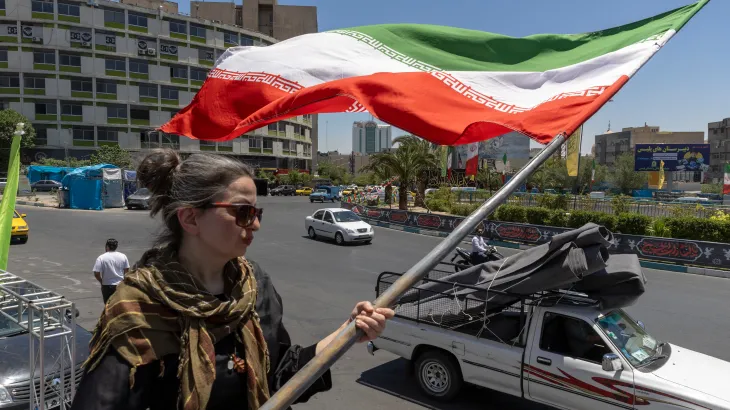
After three months of on-again, off-again war with Iran, it is far from clear what the confrontation has actually achieved for the United States. Trump’s supporters and detractors have alternatively described the conflict as a necessary war to redraw the balance of power in the Middle East, or a costly operation that simply returned all parties to square one, with little in-between ground.
In light of the US-Iran ceasefire agreement, the rest of the international community finds itself in a state of anticipation and uncertainty. The main question today is not only about the content of the agreement, but also about whether it can remain intact into the future. This point is particularly salient considering that Trump himself withdrew the US from the Joint Comprehensive Plan of Action (JCPOA) nuclear deal, negotiated under predecessor Barack Obama, in 2018.
The Trump administration now faces significant challenges in assessing the outcome of a conflict that resulted in thousands of casualties and at least $35 billion in American military expenditures, in addition to the direct and indirect economic, financial, and defense-related losses borne by multinational US corporations, Gulf states, Europe, Asia, and the global economy at large. The war disrupted global supply chains, unsettled trade and energy flows, and triggered crises in fuel and essential goods, costing the global economy as much as $22 trillion in lost growth according to some estimates.
When evaluated objectively, the geopolitical consequences of the war appear limited relative to its human and economic costs. The conflict ultimately led to the reopening of maritime routes that had been functioning normally before the war, and to renewed Iranian commitments not to pursue nuclear weapons—commitments that Tehran had previously asserted on many occasions. Meanwhile, Iran underwent significant internal changes, including the death or departure of the regime’s top leadership and the rise of younger hardliners within the rank and file of Iran’s governing institutions. This raises questions about whether the war contributed to stability, or instead fueled greater radicalization in the long term.
Regional Costs of the Iran Ceasefire
The Arab States Don’t Want to Pay for American Adventurism
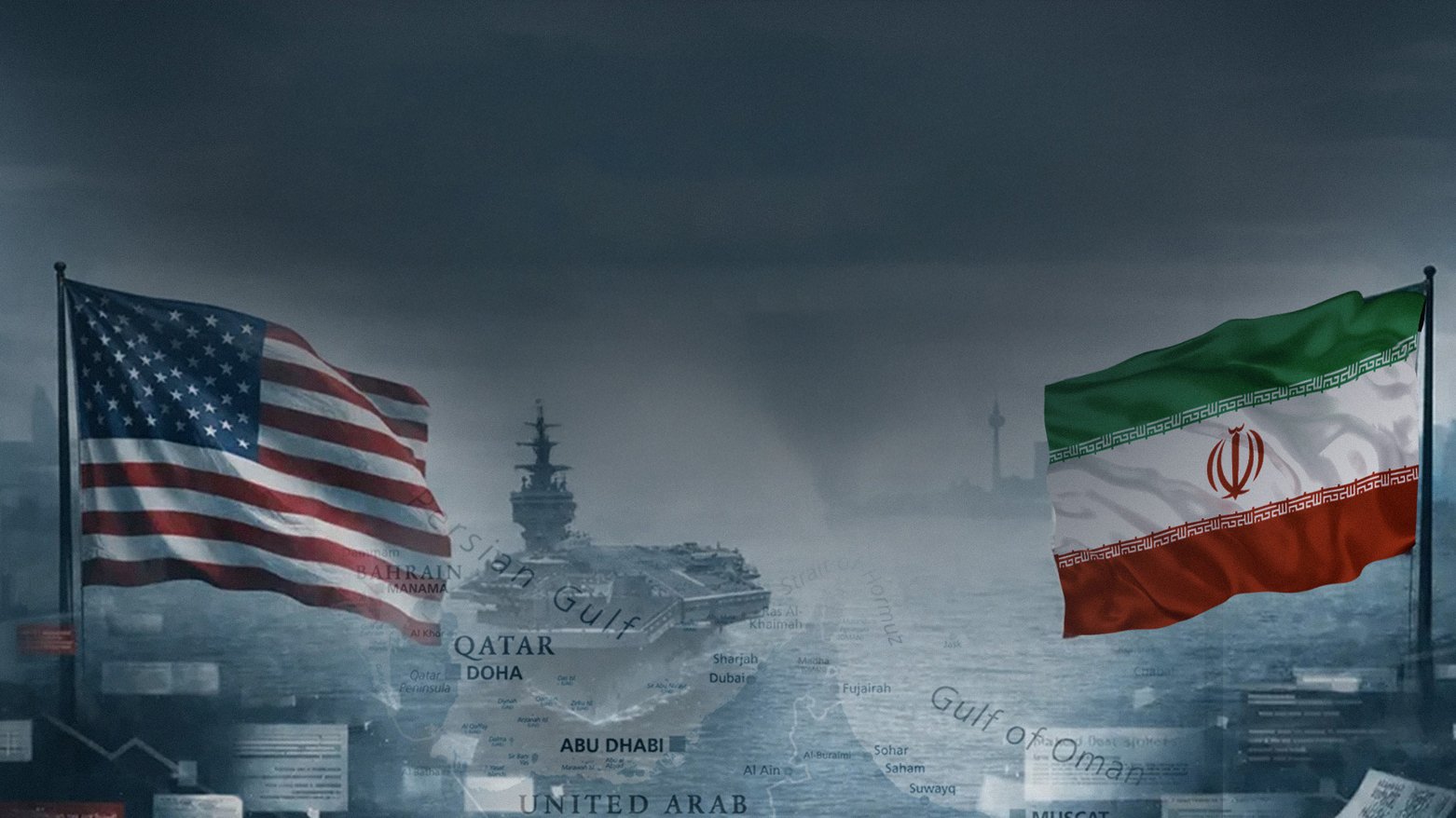
Throughout the war, Qatar, Saudi Arabia, Egypt, Turkey, and Pakistan have invested significant political and diplomatic capital to secure an agreement that would halt the war and spare the region a wide-scale catastrophe. However, developments on the ground suggest that these efforts are colliding with a far more complex reality; the principal actors continue to operate with a conflict-driven mindset rather than one oriented toward settlement. Amid persistent mutual distrust and contradictory statements, the agreement—promoted as the beginning of a new phase of stability—now risks becoming merely a brief pause between two rounds of confrontation, thereby jeopardizing the regional efforts made to prevent the war from evolving into a protracted crisis in the Middle East.
Among the unresolved questions is who will bear the cost of reconstruction and economic recovery. Estimates suggest that rebuilding the damage caused by the war could cost as much as $300 billion—a figure referenced by Vice President JD Vance after the agreement was announced.
This raises speculation that the wealthy Gulf states may once again be asked to play a central role in funding the post-war phase, a step previously seen in other regional crises. This in turn prompts a broader question: Will regional security once again operate on a model in which countries of the region pay the cost of wars planned and executed outside their control? What is at stake today is not only rebuilding what the war destroyed, but also the normalization of a political and economic model in which Washington shifts the costs of its military ventures onto its allies and partners.
Iran Ceasefire and Unresolved Tensions
Does the Ceasefire Resolve Any US-Iran Issues?
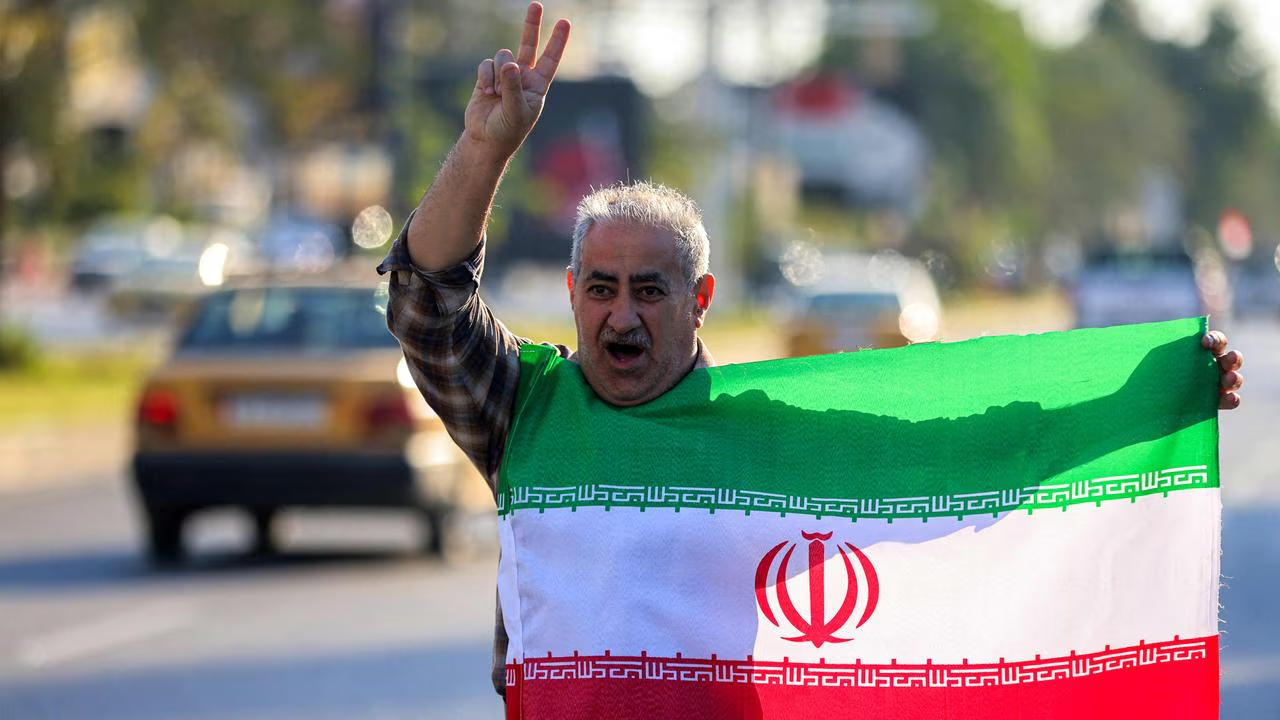
The greatest challenge facing the current agreement is that it leaves many fundamental issues unresolved, making any declaration of the war’s end premature. The agreement may represent merely a temporary truce that postpones the next escalation rather than establishing a long-term strategic settlement. Should implementation falter or disputes arise over its interpretation, the United States and its allies may find themselves entering a new cycle of open military confrontations in the Middle East.
The Strait of Hormuz remains one of the most sensitive and dangerous issues in the post-ceasefire period. Although international navigation through the strait continues, the war clearly demonstrated that Iran’s ability to threaten or disrupt this vital artery constitutes strategic leverage that it is unlikely to relinquish. Even as it rhetorically concedes the continued principle of freedom of navigation, Tehran’s latent capability to close the strait or threaten its security will remain a constant factor in regional deterrence equations and global power balances. As such, the security of Hormuz can no longer be treated as a settled matter, but rather as an open file prone to generating recurring crises in the future.
The crisis of trust among the concerned parties is also a major obstacle to any lasting settlement. From Iran’s perspective, US and Israeli military strikes during negotiation periods undermined confidence in the seriousness of the diplomatic track. This may push Iranian negotiators in the future to adopt more hardline positions and impose stricter conditions in any upcoming negotiation rounds.
Allies and the Iran Ceasefare Dilemma
In addition, the ongoing conflict between Israel and Iran’s network of regional allies remains a factor capable of undermining any US-Iran understanding. Persistent tensions with Hezbollah in Lebanon, as well as with Iran-linked armed factions in several regional arenas—particularly Iraq and Yemen—are an ongoing strategic concern for Israel.
The Israeli government is expected to be skeptical of any agreement that does not impose strict constraints on Iran’s ballistic missile program, which Israeli leaders regard as a direct threat to national security—arguably more significant than some other issues for the United States. This makes the future of the agreement dependent not only on US-Iran relations, but also on the ability of all parties to manage a complex network of overlapping regional conflicts.
In conclusion, the war does not appear to have produced a final settlement as much as it has redrawn conflict lines and reshaped the balance of power. While some speak of a diplomatic success that ended direct confrontation, others argue that the region has entered a new phase of fragile calm, where the root causes of conflict persist and the potential for renewed military escalation remains ever present. The real question is no longer whether the war has ended, but whether the Middle East is moving toward sustainable peace or toward another round of deferred conflict.