
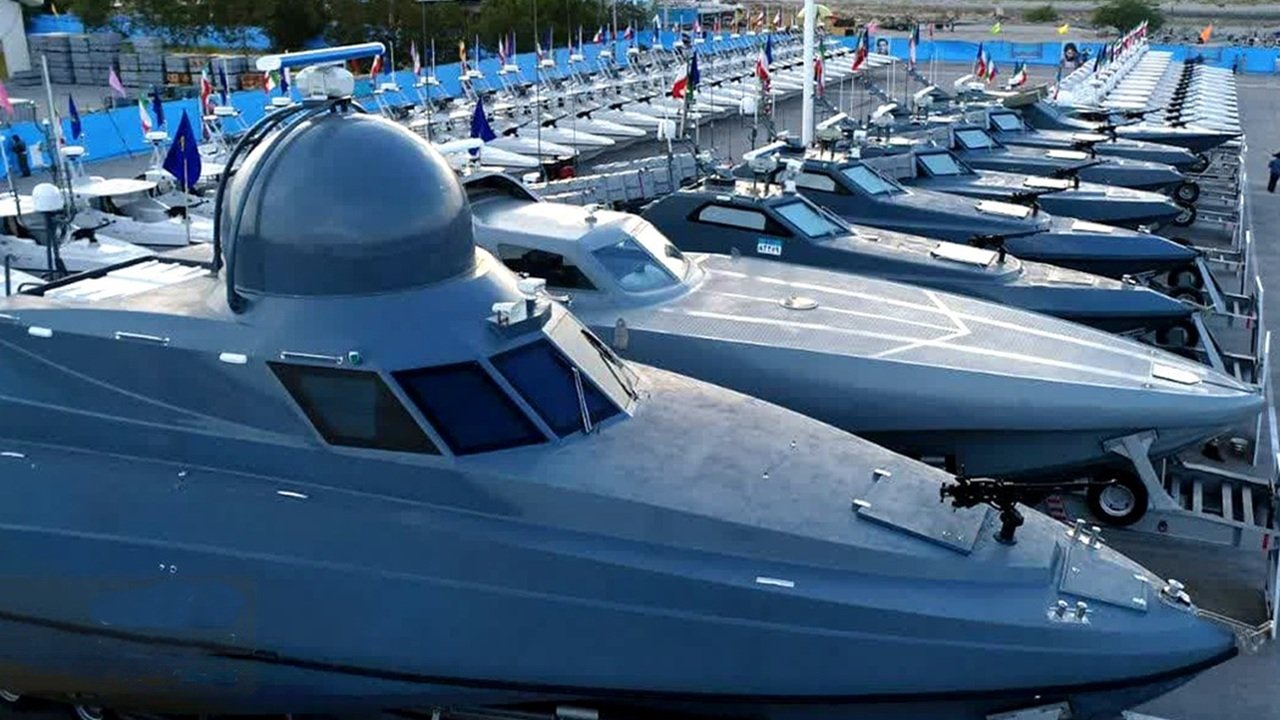
A high-level strategic assessment of Operation Epic Fury, analyzing why the destruction of Iran’s conventional fleet fails to eliminate the asymmetric, decentralized swarm threats and denial capabilities weaponized by Tehran within the Strait of Hormuz.
The strategic architecture of Persian Gulf security has shifted fundamentally following recent Western kinetic interventions, yet the institutional triumphalism emerging from Washington requires rigorous adversarial assessment.
While official assessments claim the total degradation of Tehran’s conventional fleet infrastructure, the underlying doctrine of Iran’s navy remains functionally intact through decentralized, low-signature maritime assets. True strategic victory cannot be measured by the destruction of hulls alone; because Iran’s navy operates on a paradigm of denial rather than command of the seas, its core disruptive potential persists despite massive structural degradation.
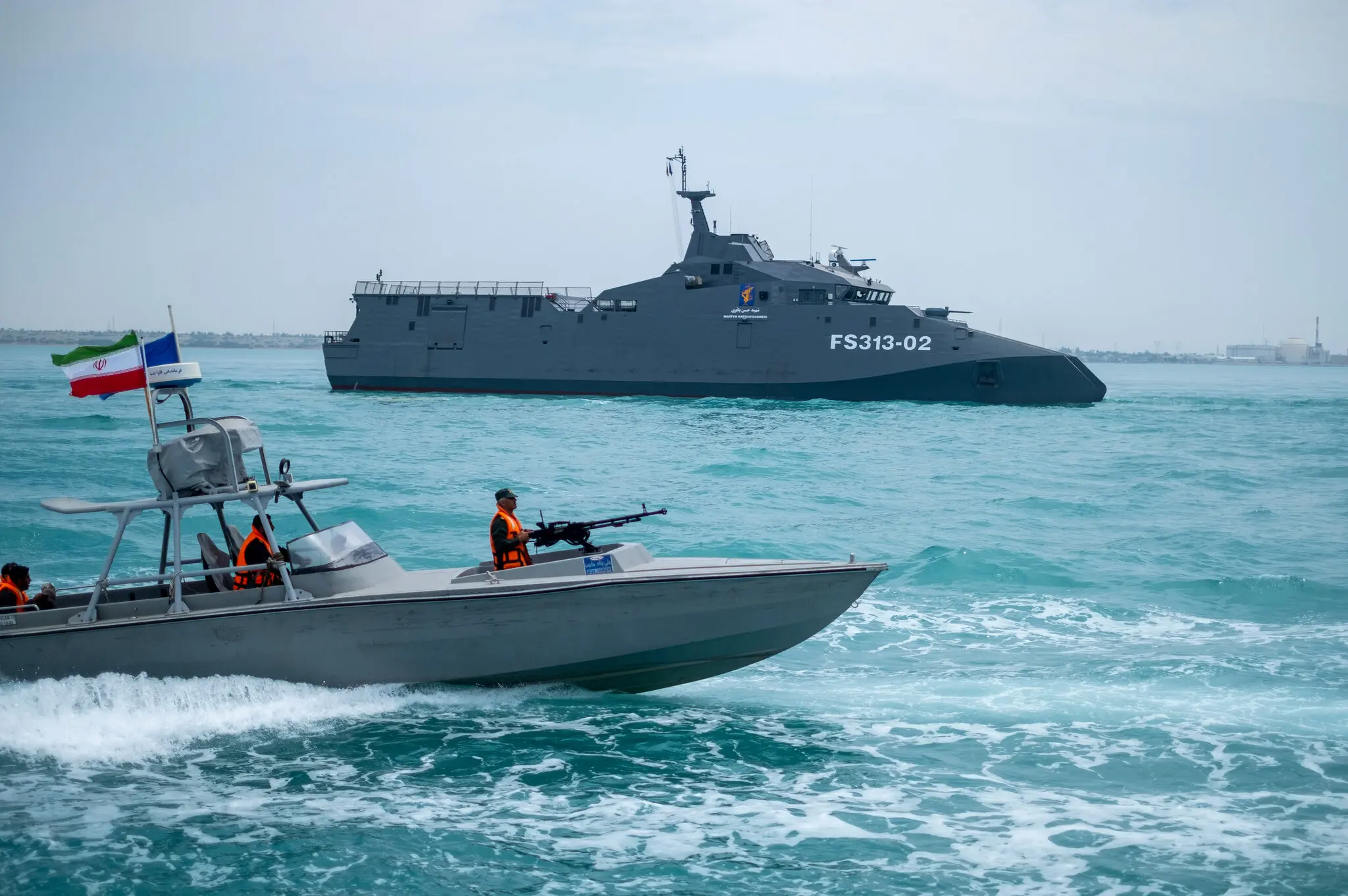
Iran’s Navy degraded by strikes
Did Operation Epic Fury really cripple Iran’s navy? CENTCOM commander Admiral Brad Cooper recently claimed that it did. During testimony for the Senate Armed Services Committee, Admiral Cooper stated that Iran’s navy—both the conventional navy and the separate naval force of the Islamic Revolutionary Guard Corps (IRGC)—would probably require five to 10 years to rebuild.
However, Cooper acknowledged that Iran still retained its nuisance capability, including fast boats, drones, rockets, and proxy attacks—meaning that it could still exercise denial in the all-important Strait of Hormuz. So while the US may have destroyed Iran’s conventional navy, the asymmetric threat that actually worries the Pentagon may still remain.
What neutralizes Iran’s Navy infrastructure
Epic Fury has so far featured a grand total of 10,200 aerial sorties and 13,500 strikes, according to the White House—a short-duration but high-intensity campaign. Naval targets have included ports, shipyards, naval infrastructure, and mine depots. Seven hundred of these strikes were conducted against mine targets, allegedly resulting in the destruction of up to 90 percent of Iran’s stockpile of roughly 8,000 naval mines. Iran’s missile and drone production was also significantly degraded, by roughly 85–90 percent. Epic Fury focused not only on ships themselves, but also on the industrial ecosystem supporting Iranian naval warfare—mines, missiles, drones, and so on.
Doctrine driving Iran’s Navy
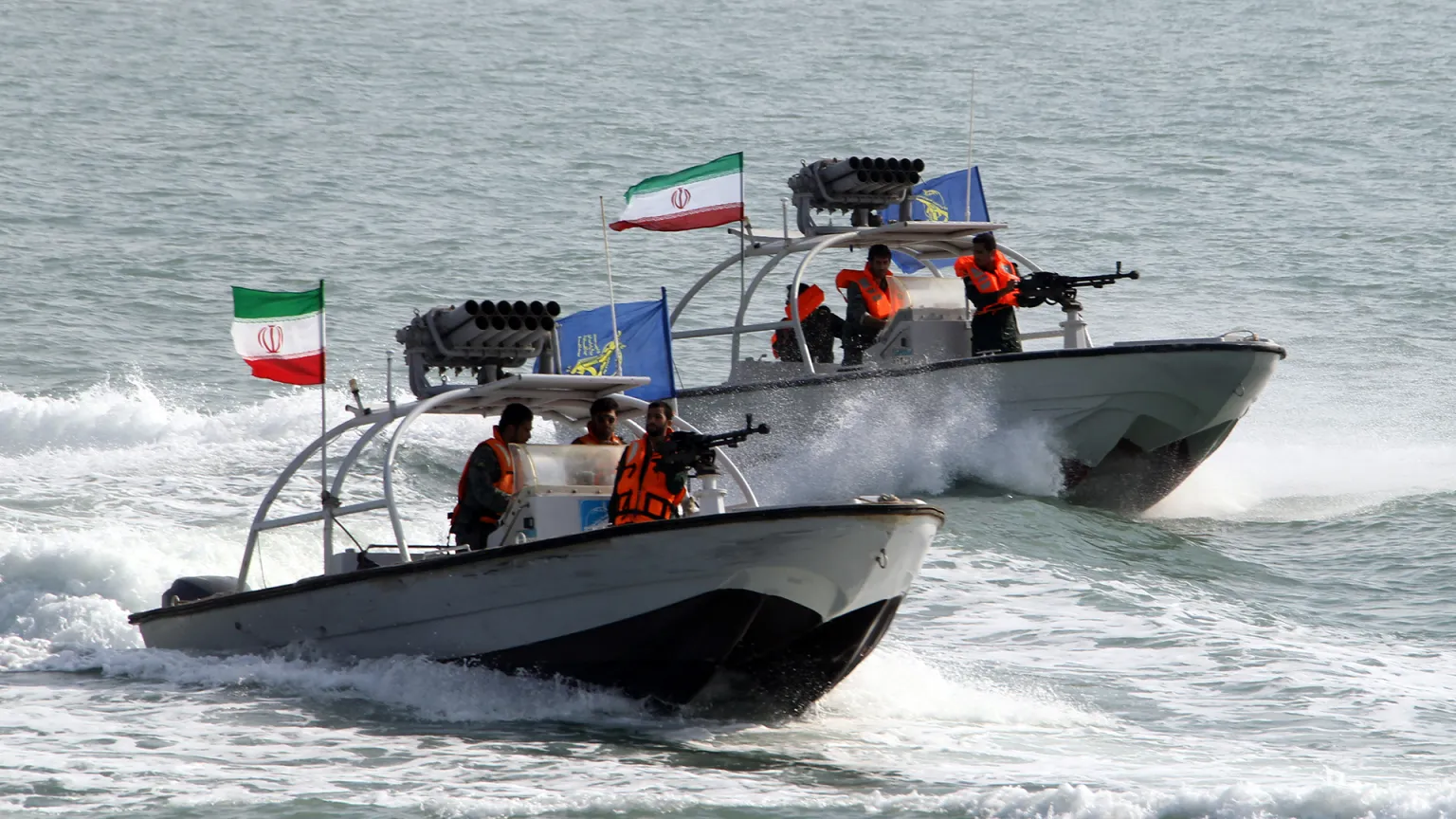
Of course, the Iranian Navy is not a symmetric peer with the US Navy. Nor was it ever intended to be. Instead, Iran adopted a doctrine of asymmetric maritime warfare, built upon harassment and denial. The core tools of this doctrine were fast attack craft, naval mines, drones, shore-based missiles, and proxy attacks. The goal was to enable Tehran to disrupt the Strait of Hormuz at will, raising shipping risk and costs, and complicating US operations just enough to cause Washington to hesitate before confronting Iran. The Iranian naval strategy was never about winning battles, but rather about creating chaos, friction, and disruption.
The United States Has No Good Answer to the Fast Boat Problem Iranian “fast boats” are especially troublesome. Capable of conducting swarming attacks, these speedboats are heavily armed and efficient at harassment maneuvers and saturation tactics. These fast boats are dangerous because they are difficult to track on radar and can easily blend into civilian traffic along the Iranian coastline—yet can also overwhelm sophisticated defensive systems through mass, armed with rockets, machine guns, anti-ship missiles, and explosive payloads. These fast boats are easier to maintain than regular military vessels; they are cheap, replaceable, and dispersed, an excellent example of asymmetric means disrupting more sophisticated systems.
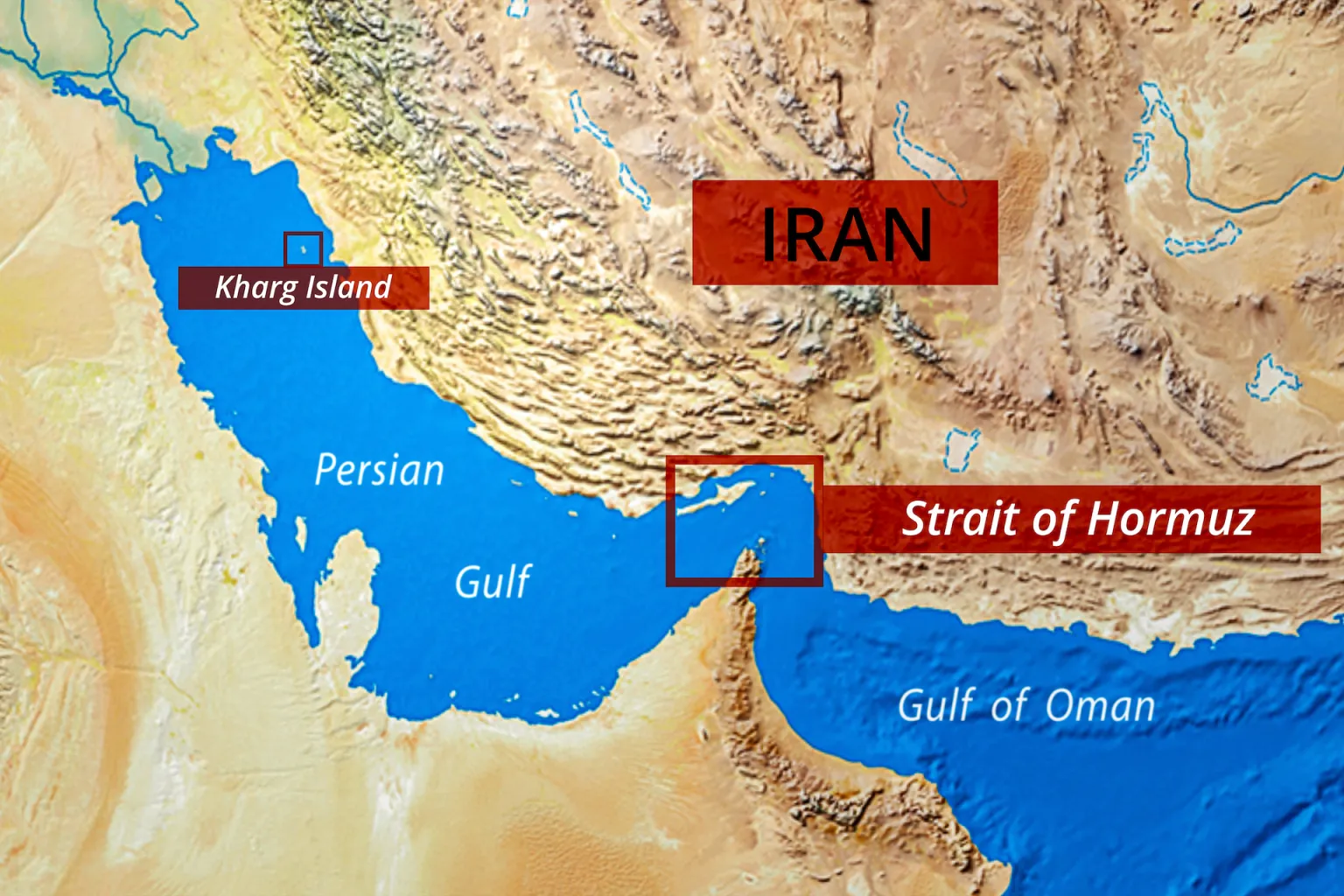
Iran’s Navy commands geography
In essence, while the United States was very successful in destroying Iran’s major warships, Iran’s naval doctrine has long relied more heavily on decentralized swarm tactics. To Washington’s frustration, it can still employ those tactics to great effect.
Iran enjoys other advantages, too, like proximity to the Strait of Hormuz, coastal missile coverage, and familiarity with the terrain. Even a weakened Iran can still harass tankers, deploy mines, and launch drones to an extent sufficient to disrupt the flow of commerce through the strait. And Iran does not need a blue-water navy to create global economic disruption, as the global community is currently coming to understand.
Rebuilding Iran’s Navy capabilities
This is not to say that the campaign was useless in degrading Iran’s asymmetric military power. Admiral Cooper’s assessment holds that Iranian naval, missile, and drone industries were reduced to 10–15 percent of their remaining capacity. The US successfully destroyed missile assembly plants, drone factories, storage depots, and naval repair infrastructure. Rebuilding will be extremely difficult for Tehran, thanks to sanctions, precision component shortages, and damaged industrial facilities. But asymmetric systems are easier to rebuild than conventional fleets. Yes, Iran will likely struggle to rebuild major naval infrastructure—but they can depend on simpler systems, which can regenerate much more quickly.