
Asymmetric conflict transforms “victory” into political triage. This analysis dissects why ceasefire optics, Strait access, and nuclear talks now overshadow military outcomes, forcing a negotiated exit from a war no longer winnable on the battlefield.
Declaring victory in a conventional sense proves dangerously premature when asymmetric warfare shifts the endgame from military triumph to political salvage. Ending the Iran war demands a brutal reset of expectations, as the Trump administration discovered that ending the Iran war requires prioritizing ceasefire optics and Strait of Hormuz access over any decisive battlefield conclusion.
Ending the Iran war: A Changed Objective
“We’ve got to finish the job, right?”
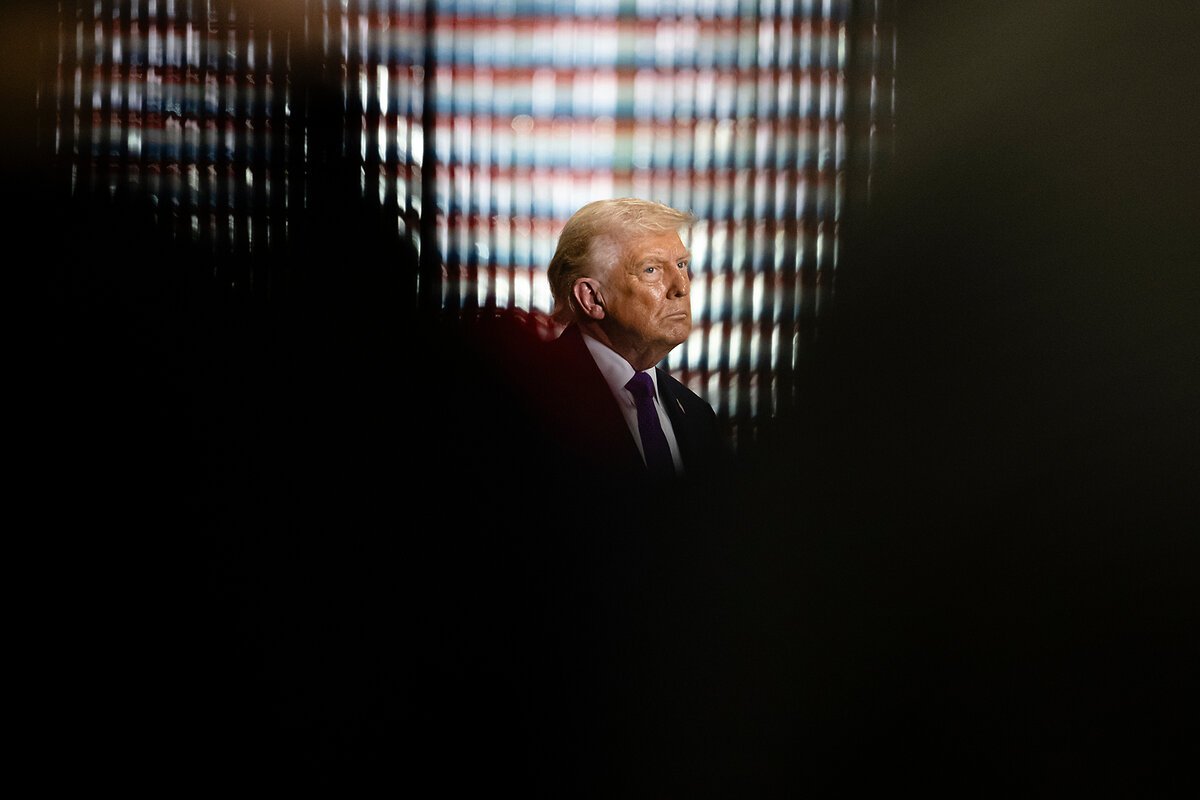
When U.S. President Donald Trump made that remark at a rally in Kentucky back in March, the Iran war had barely begun. And with huge firepower at his command, he exuded confidence that the endgame would be a mere formality. The war, he told the crowd of supporters, had already been “won.”
Yet 2 1/2 months on, Mr. Trump’s definition of “finishing the job” has fundamentally changed.
Despite this week’s familiar dissonance between hints of an imminent peace deal and a resumption of U.S. military strikes in Iran, the focus is no longer on achieving a definitive battlefield victory.
It’s about getting to a political arrangement that the president can sell to his supporters, winding down a war that is broadly unpopular with voters, and – by reopening the Strait of Hormuz – at least beginning to halt soaring oil and gas prices before November’s midterm elections.
The Shape of an Ending the Iran war Agreement
The outline of an agreement with Iran, as envisaged by the Trump administration, has started to become clear from mediators involved in the talks.
First, confirmation of the ceasefire announced in early April, not long after the Kentucky rally, and since extended by Mr. Trump well past its original two-week duration.
Then, a monthlong process of reopening of the Strait of Hormuz – with Iran allowing free passage, and the United States ending its counterblockade of Iranian ports.
And alongside this, negotiations on what Mr. Trump has defined as the central aim of going to war in the first place: closing off Iran’s pathway to getting a nuclear weapon.
That could be especially delicate political territory for the president.
Any new Iran deal will inevitably be measured against President Barack Obama’s 2015 nuclear agreement with Tehran, which Mr. Trump denounced as “horrible” and pulled the U.S. out of during his first term.
Asymmetric Reality of Ending the Iran war
Even before achieving an acceptable resolution on any of these issues, Mr. Trump is being forced to confront a reality about the war that was becoming apparent when he claimed victory in places including Kentucky: its “asymmetric” nature, echoing America’s long involvement in, and ultimate retreat from, Vietnam.
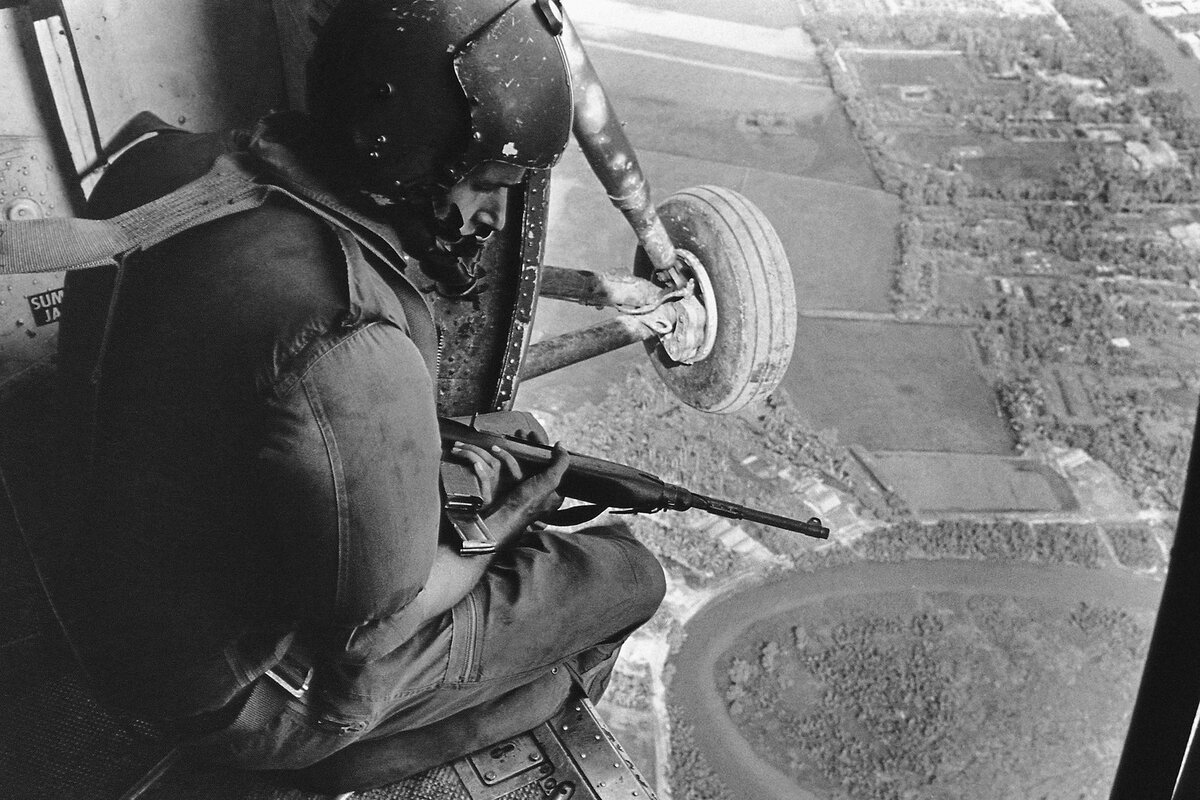
Yes, U.S. and Israeli forces had comprehensively outgunned Iran. They had struck thousands of targets across the country, sunk much of its navy, and killed its senior leaders.
In conventional military terms, Iran was incapable of matching America’s power.
Yet Tehran showed no sign of wanting to sue for peace.
Its regime and its military had survived. It was launching drones and missiles at America’s Gulf Arab allies, and was effectively blocking the strait through which one-fifth of the world’s oil and natural gas supplies usually traveled.
Iran retains that leverage. And, as Mr. Trump now seems to recognize, it’s unlikely to be undone even by a full-scale return to war – something key Arab allies are especially keen to avoid.
Ending the Iran war Depends on Tehran’s Priorities
This means that the possibility, and eventual shape, of a negotiated agreement depends on Iran’s priorities as well.
Reports on the ongoing talks in recent weeks have suggested the Iranians are open to a ceasefire and a gradual reopening of the Strait of Hormuz.
Even on some key nuclear issues – to judge by the indirect talks with Iran before Mr. Trump launched the war – there seems to be a prospect of common ground.
Iran’s leadership has long insisted that it does not intend to develop a nuclear weapon. It’s been receptive to diluting its near-weapons-grade stores of uranium, or perhaps moving them to an agreed third country such as Russia.
But in talks this week with representatives in the Gulf state of Qatar, Iran’s negotiators appeared insistent on an early U.S. commitment to free up billions of dollars of Iranian assets in foreign banks that have been frozen by sanctions – one of the features of the Obama administration’s nuclear deal that Mr. Trump most vigorously attacked.
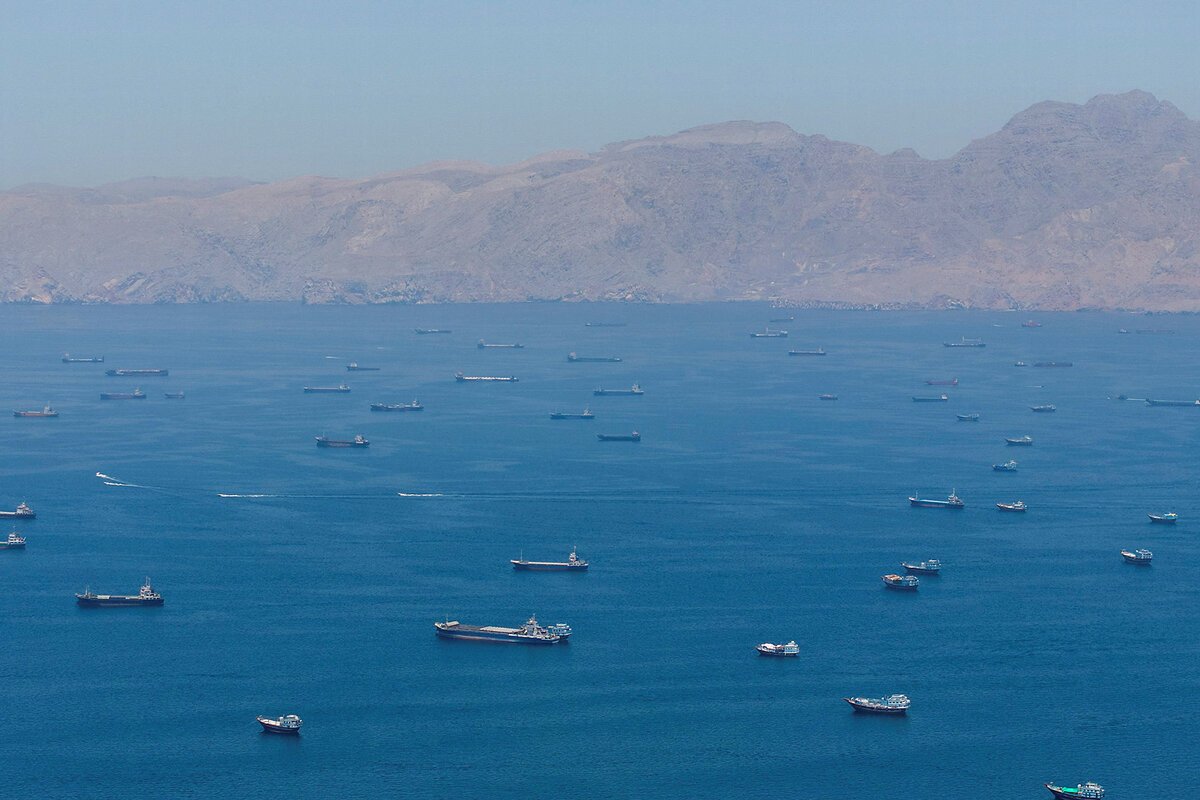
The Iranians also appear to envisage retaining long-term control, along with the Arab sultanate of Oman across the Gulf, over the Strait of Hormuz.
How Trump Navigates Ending the Iran war
How, and whether, Mr. Trump’s negotiating team manages to finesse these issues with Iran will determine whether a deal is as close as some of his recent social media posts have suggested – or, if it continues to prove elusive, whether he might act on threats to order further military strikes.
In remarks on Wednesday, the president gave what has become a familiar nod to both options.
The talks were going “very well,” he said. The Iranians were “starting to give us the things they have to give us.” But pointing toward Defense Secretary Pete Hegseth, he added that if they didn’t do so, “the man on my left will have to finish them off.”
Still, Mr. Trump’s apparent reluctance to return to major combat in recent weeks suggests he has come to accept that all-out war is unlikely to bring the prospects for a negotiated deal any closer.
Last week, an article in Foreign Affairs drew a trenchant parallel with the Vietnam War.
It said the Trump administration had taken a mere two months to “race through all five years of the [Lyndon] Johnson administration’s Vietnam policy: entry, escalation, frustrated stalemate, and negotiations.”
Now, it suggested, Mr. Trump found himself on the Nixon administration’s homestretch: “first blustery threats, then gradual realization of the need to extricate via an unsatisfactory deal.”