
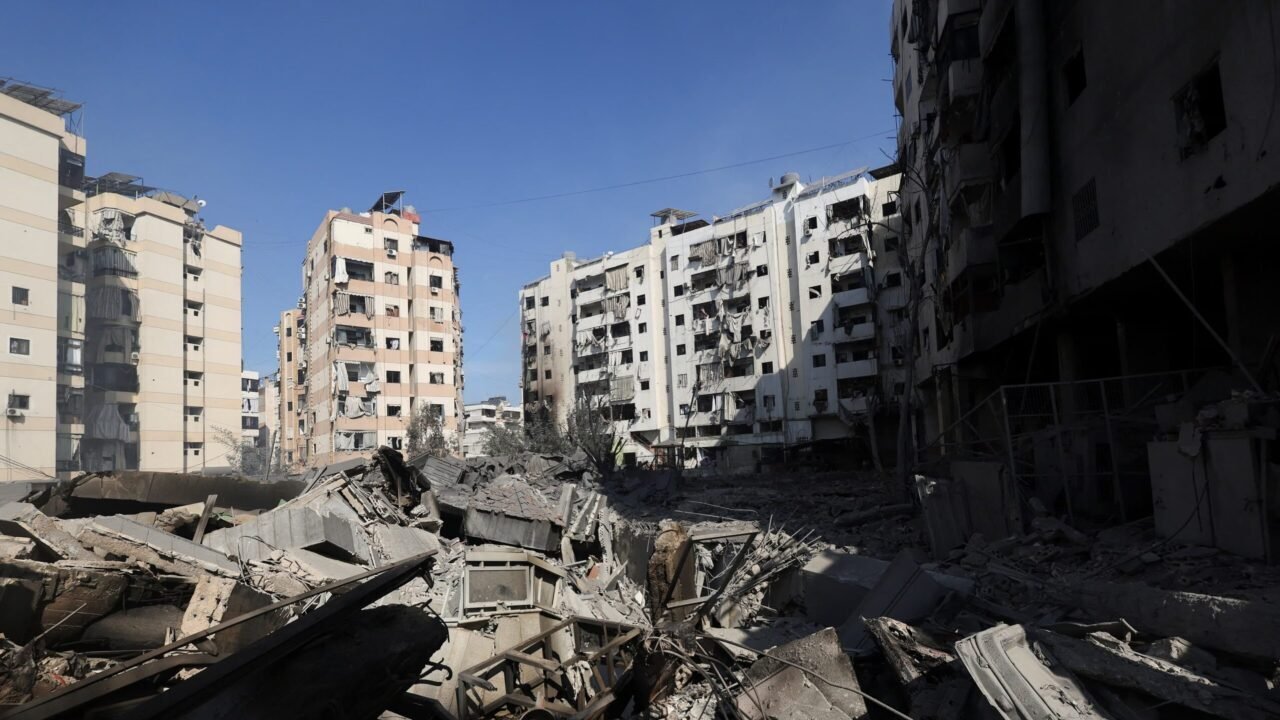
Iran weaponizes a 3,000-mile arc from Lebanon to the Arabian Sea using proxies. This report dissects how Tehran links Hezbollah, Iraqi militias, and Gulf strikes into unified coercive diplomacy against US interests.
Tehran’s strategic doctrine weaponizes geography, transforming a 3,000-mile arc from Lebanon to the Arabian Sea into a single, interconnected pressure cooker. Understanding Iran’s 3,000-mile battlefront demands recognizing how the Islamic Republic uses asymmetric proxies like Hezbollah and the Houthis to dictate regional chaos. A comprehensive view of this battlefront reveals that every militia attack—from Kuwait to the Red Sea—serves a unified coercive diplomacy against US and Gulf interests.
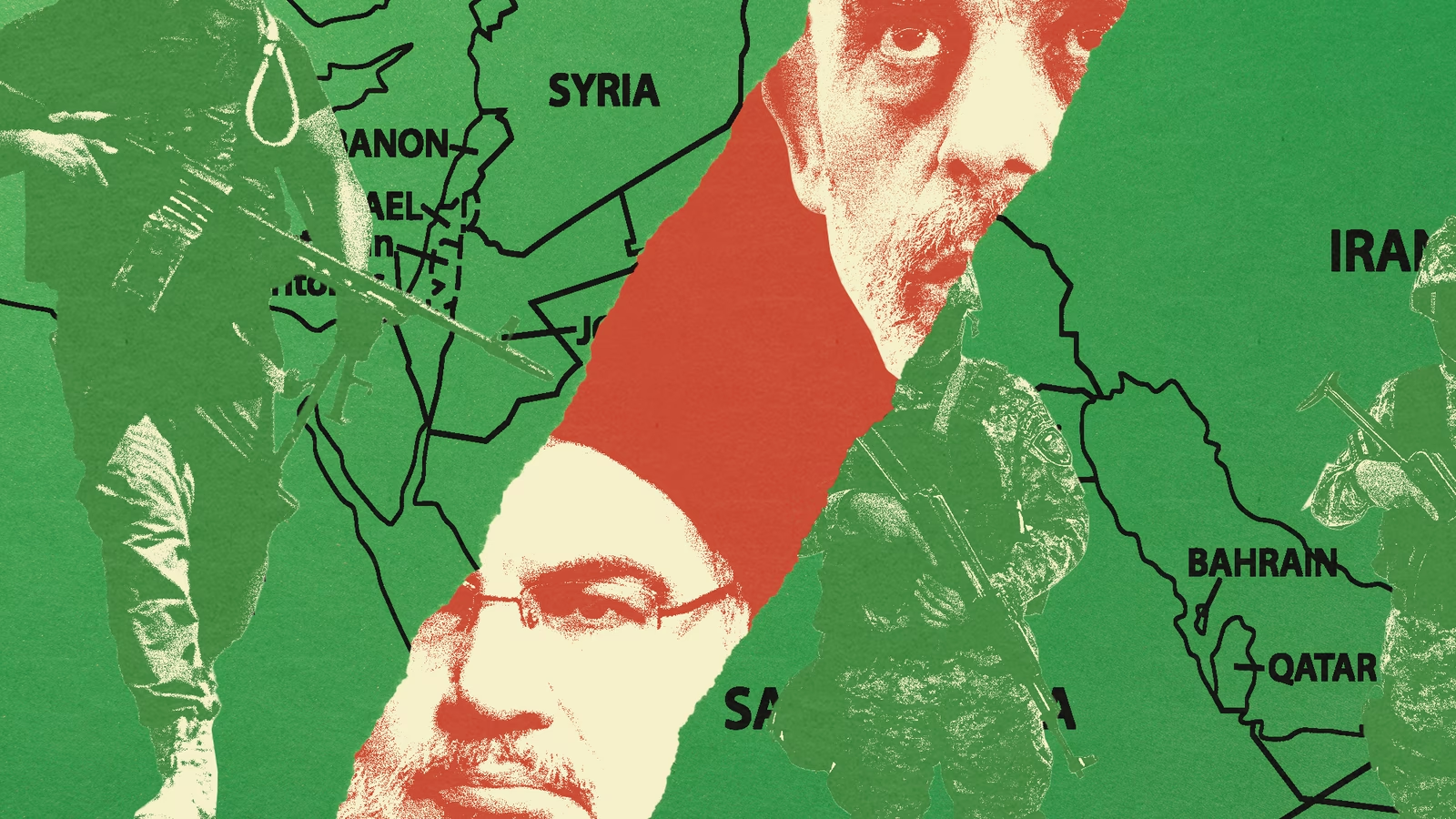
Iran’s battlefront begins in Lebanon
On June 3, an Iranian drone slammed into Terminal 1 at Kuwait International Airport. One person was killed, and 60 were injured in the attack. On June 2, the Kurdish Iranian opposition group Komala said that one of its bases in the Kurdistan Region of northern Iraq was targeted by Iran. On June 1, the head of the Iranian Islamic Revolutionary Guard Corps (IRGC) Quds Force, Esmail Qaani, threatened attacks on shipping near the Bab el-Mandeb Strait at the entrance to the Red Sea.
These are examples of how Iranian-backed threats span a Middle East frontline stretching from Lebanon to Iraq and then to the Straits of Hormuz and Bab el-Mandeb—a frontline of more than 3,000 miles.
Iran continues to sow chaos in the Middle East, even as the United States continues to be engaged in talks with Iran about a deal. The current talks hinge on many issues, including the US demands that Iran abandon its nuclear program and that it end its blockade of the Strait of Hormuz. Iran is demanding that the United States also end its blockade of Iran. Iran will want other concessions as well, such as guarantees that the United States and Israel will not attack the country again.
While the talks about a deal continue, it is clear that Iran’s regional policy remains largely the same as in the past. Over the last several decades, Tehran has backed an array of proxies in the Middle East. This has included Hezbollah in Lebanon, the Houthis in Yemen, and various militias in Iraq. Iran has also backed Hamas in Palestine.
Tehran’s support of all these groups has caused chaos and conflict in the Middle East over the last few decades. For instance, the Houthis tried to seize the Yemeni capital of Aden in 2015, triggering an international intervention by Saudi Arabia in support of the Yemeni government. The arming of Hezbollah led to clashes with Israel on October 8, 2023, a day after the Hamas attack. This led to a multi-front war that continues to this day.
In Iraq, the role of Iranian-backed militias is increasingly in the spotlight. The militias are often referred to as the Hashd al-Shaabi, or Popular Mobilization Forces (PMF). There are an estimated 70 groups in the PMF, organized into brigades. In recent weeks, the new Iraqi Prime Minister Ali al-Zaidi has sought to rein in the militias. Several militias have said they will place their arms under state control and sever ties with the PMF. Others are not so certain.
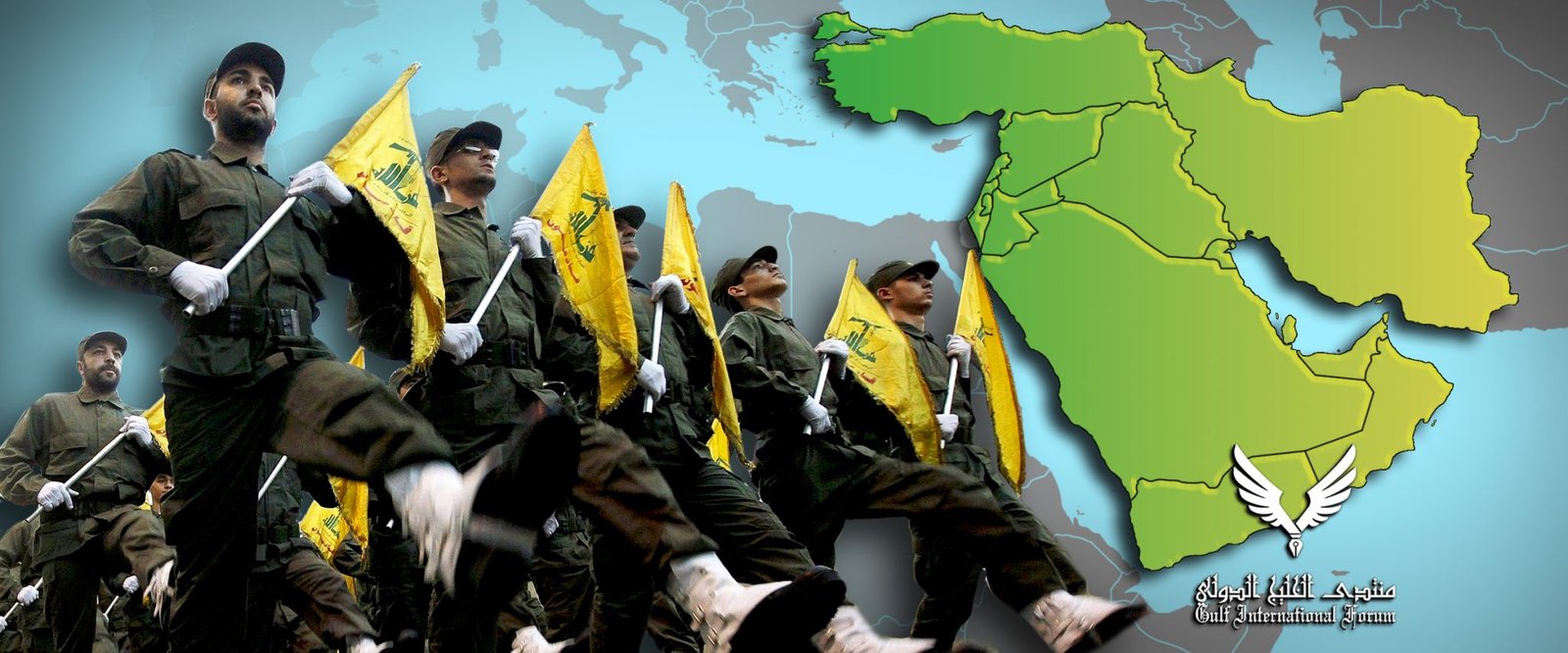
Iraq expands the battlefront
It’s worth understanding the Iranian-backed threats as a sum of their parts. That means that instead of seeing Lebanon as merely one battlefield and Iraq as another point of contact with Iranian-backed militias, one must look at the map the way Tehran does. Iran can heat up various fronts whenever it wants. For instance, one of the surprises after the United States and Israel began attacks on Iran on February 28 was that Iran closed the Strait of Hormuz and also began missile and drone attacks on the Gulf states.
In addition, Iranian-backed militias in Iraq began attacks on US diplomatic facilities and also targeted Kuwait, Saudi Arabia, and the autonomous Kurdistan Region in northern Iraq. The militias’ attacks also prompted a response from Saudi Arabia and Kuwait. However, the size of the Iranian attacks should still raise eyebrows about what happened in Iraq. There were more than 800 attacks on the Kurdistan Region, most of them targeting Kurdish Iranian opposition groups.
In addition to the thousands of attacks on the Gulf countries, Iran has continued to carry out attacks after the April ceasefire. The strike at Kuwait’s International Airport is a key example. The terminal that was attacked had just been reopened. It is now badly damaged again, and operations have been moved to Terminal 4.
Meanwhile, in Lebanon, Iran has been pushing for a ceasefire. It wants to preserve Hezbollah. US-Lebanon talks on June 3 led to a new ceasefire deal. The elephant in the room was always going to be Hezbollah. The group continues to maintain weapons and has been increasing its deadly drone attacks on Israeli forces. It has also attacked Israeli cities in northern Israel in recent weeks. Israel has vowed to strike Beirut if the attacks continue.
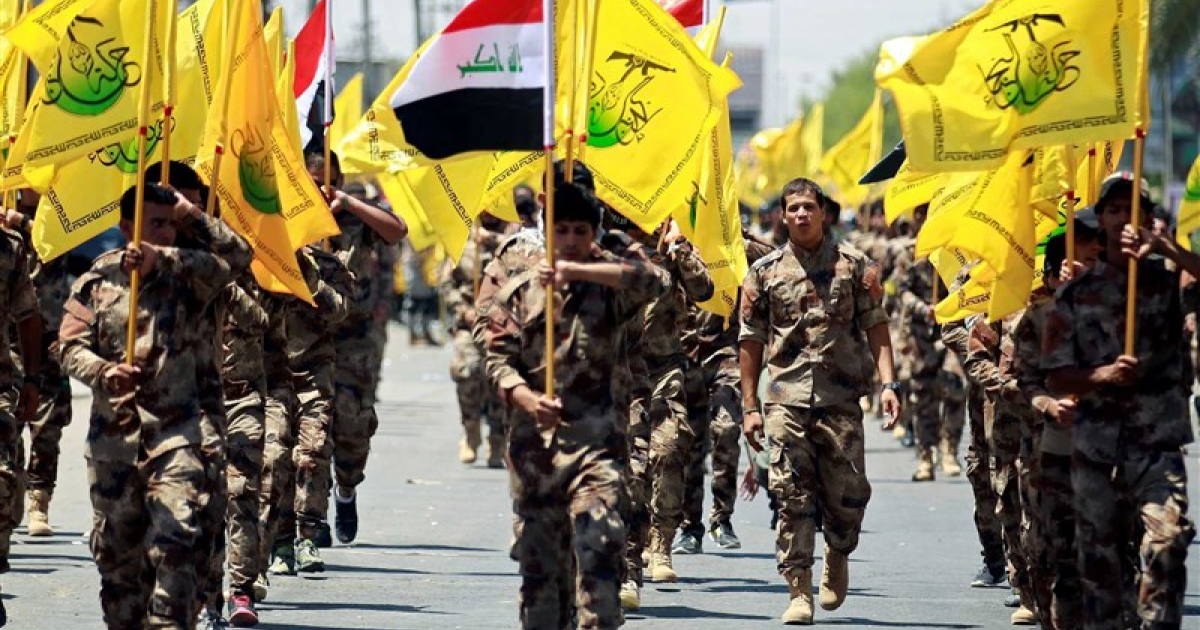
Understanding the 3,000-mile battlefront
This led US President Donald Trump to push for de-escalation in Lebanon. From Iran’s point of view, this is an acceptable deal because Hezbollah can then wait for the next round. Iran’s attempt to link a deal in the Gulf to Hezbollah illustrates how it sees all these frontlines as connected.
Tehran continues to claim that any attacks on Iran will be met with a response. It has proven willing to carry out this kind of “tit-for-tat” strikes. It has attacked ships in the Persian Gulf, attacked Kuwait, and conducted other operations. This illustrates the broader regional strategy that Tehran has undertaken. Its work building up proxies over the last decade has given Iran many pressure points. The Strait of Hormuz is just one example. The Bab el-Mandeb Strait, at the entrance to the Red Sea, is another.
Understanding the battlefront remains critical
It remains to be seen what Iran will do next. However, attempts to weaken its militias in Iraq and also Hezbollah in Lebanon are one way to roll back the Iranian 3,000-mile frontline. The challenge for the United States, Israel, and also partners in Iraq and the Gulf and Lebanon, is whether Iran will be able to walk away from this conflict with its proxies still in control, or whether a fundamental change is happening in the region. This is a regional war. Waging it requires a regional approach.