
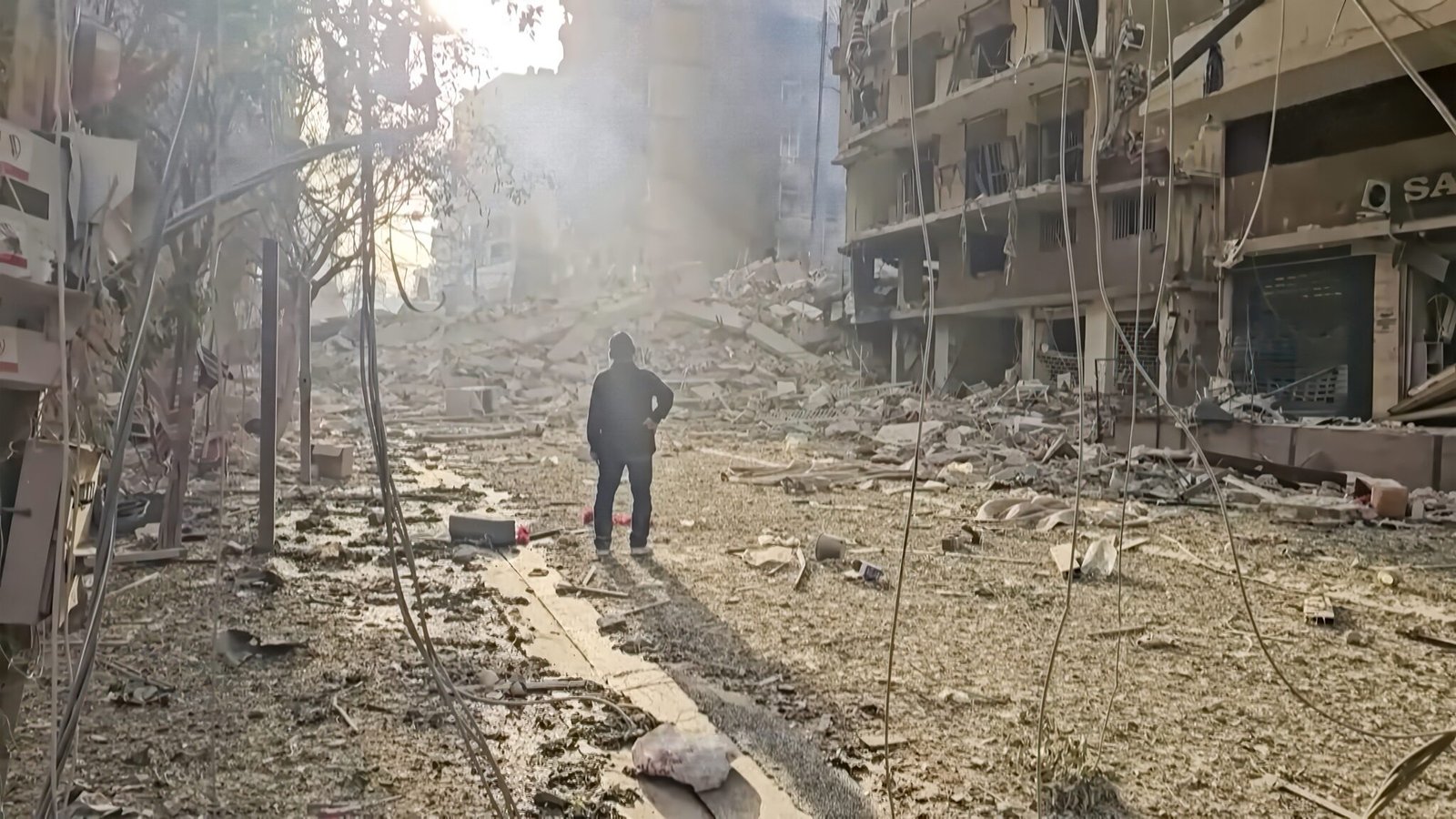
Lebanon sits at the deadly crossroads of the Middle East’s regional war between Israel, the US, and Iran. Israeli occupation, Hezbollah’s resistance, and Netanyahu’s political survival sustain a conflict that ceasefires cannot stop.
Lebanon’s geographic and geopolitical DNA makes it the unavoidable epicenter of a regional war that has now sprawled from Gaza to Iran. The regional war flows directly through Lebanese territory, where Hezbollah’s arsenal and Israel’s externalized security doctrine collide. Understanding this regional war requires dissecting how Beirut’s strategic relevance became a curse, not a blessing, for its own people.
Regional War as First Responder
Israel’s ongoing war on Hezbollah and ethnic cleansing and razing of Lebanon more broadly continues largely unabated. The small eastern Mediterranean country sits at the core of the Middle East’s ongoing regional war between Israel, the United States, and Iran, and for important strategic reasons. Yet, unfortunately for the Lebanese people, that strategic relevance is producing a tragedy, as geopolitical wrangling threatens to rip the country apart without resolving the primary interconnected issues that define the conflict in the country and regionally.
The Anatomy of Regional War
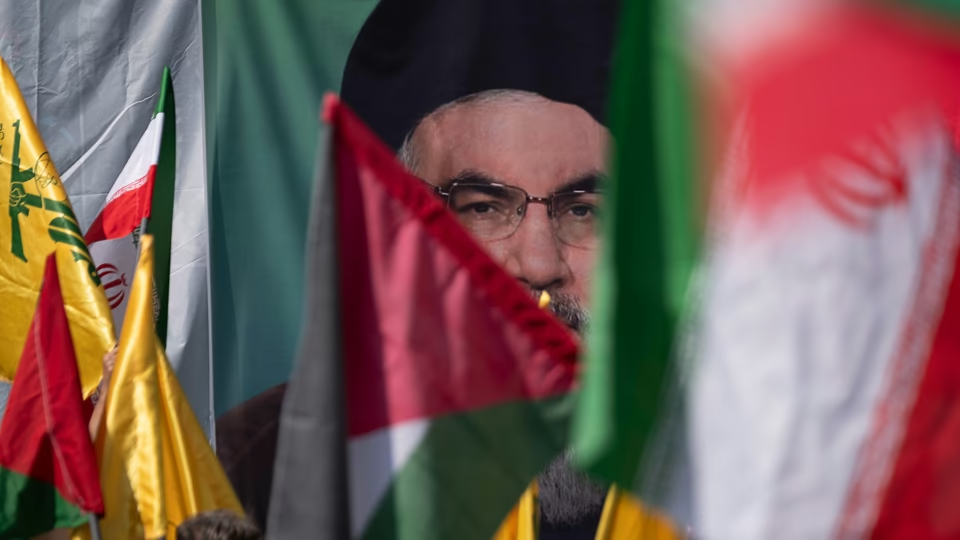
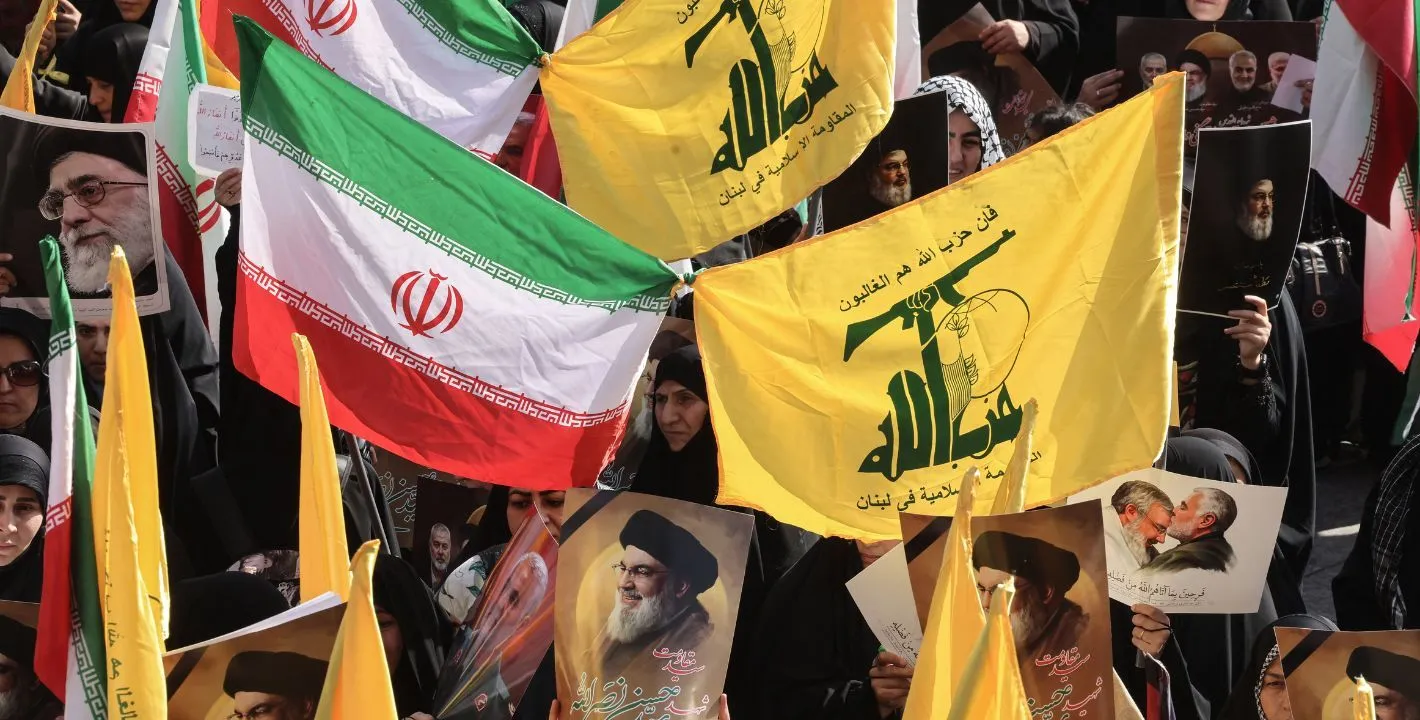
The country draws the ire of Israel and its patron, the United States, given Lebanese Hezbollah’s stance within Iran’s so-called “Axis of Resistance” and its militant support for Hamas in Palestine. While Hezbollah does not and never has posed an existential threat to the Israeli state, it has lived in the imagination of Israeli policymakers as an actor that could do severe harm to Israel in any open conflict with either it or Iran. Indeed, the armed group possesses advanced weapons to do real damage to Israel in any such scenario, although it has lost many weapons in its fight against Israel.
Over two and a half years into the Israel-Hezbollah War, the group is heavily battered but more than capable of conducting asymmetric warfare with a far more militarily superior Israel. It has suffered tactical defeat after defeat since joining the war against Israel after the Hamas attacks of October 7, 2023, in defense of the group and in solidarity with Palestinians in Gaza more broadly, as Israel rapidly began its genocide in the Strip. While so-called ceasefires in November 2024, April 2026, and June 3 have been meant to end hostilities between Israel and Hezbollah, they have facilitated Israeli strikes and occupation that have not stopped, leading Hezbollah to respond.
Ending the Regional War
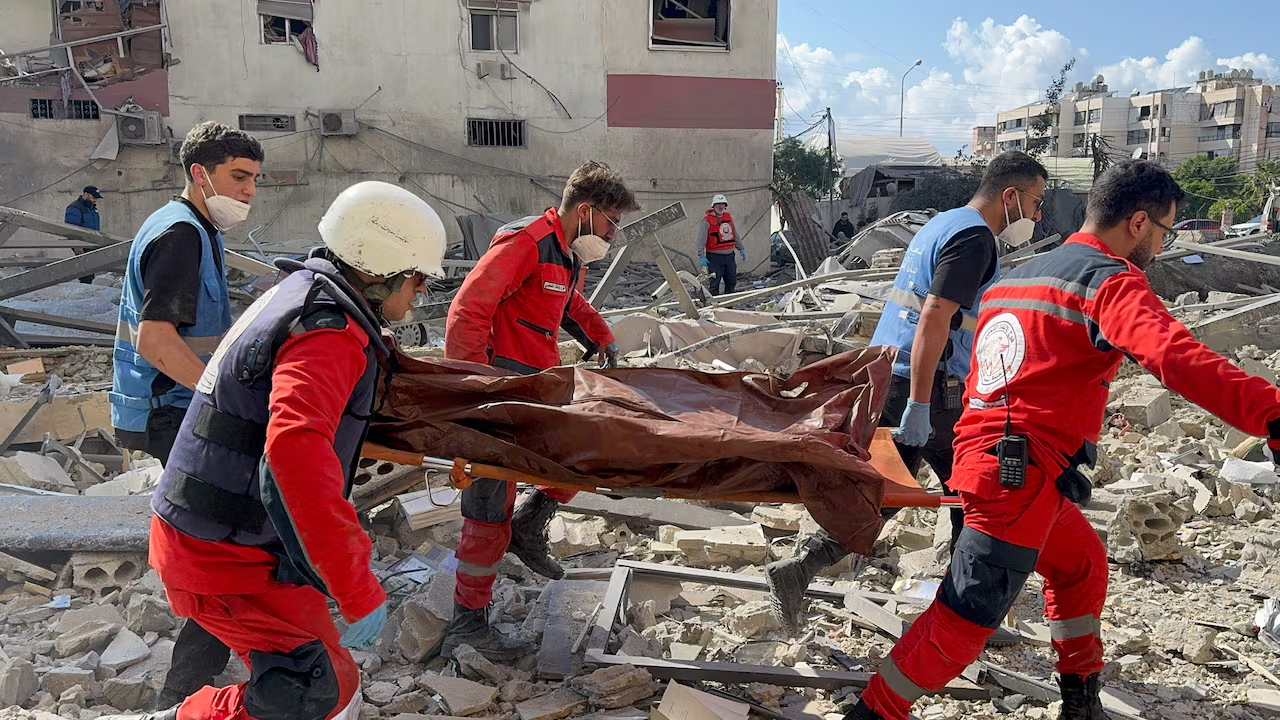
Israel is therefore mostly to blame for the war. It has repeatedly violated the ceasefires, reserving freedom of action in Lebanon regardless of words on paper or public statements—even from Washington. It continues to occupy sovereign Lebanese territory since the fall of 2024, with senior Israeli officials like Defense Minister Israel Katz proclaiming that such deployments are “indefinite.” It has killed thousands and injured tens of thousands more by exporting the so-called “Gaza model” in what long ago became a war of choice by the Israeli state and a society that supports action to displace, raze, and ethnically cleanse southern Lebanon.
To be sure, Hezbollah’s role throughout this war cannot be discounted. It chose to strike military and civilian targets alike in Israel in October 2023 in defiance of the Lebanese state and against the wishes of most Lebanese citizens. However, that does not and cannot excuse Israel’s crimes in Lebanon, nor its open desire to sustain occupation and war at the expense of Lebanese communities.
Regional War and Netanyahu’s Calculus
For Israeli Prime Minister Benjamin Netanyahu, the war is existential to his political future and legacy. Preparing to call early elections projected for September 2026 amid his years-old corruption trial that could see the longest-serving prime minister in Israeli history behind bars for much of the end of his life, Netanyahu understands that he needs perpetual war and a strongman’s image to extend his political career in an increasingly far-right country. That means bombing Lebanon, Syria, Palestine, Yemen, and Iran. It means advancing de facto annexation and ethnic cleansing in the Occupied Palestinian Territory. It means sustaining the illegal occupations in Israel’s neighboring states, including Syria, Palestine, and, yes, Lebanon.
As was the case when Israel’s genocide in Gaza started, the fighting in Lebanon is connected to these other fronts in what has been a regional war since October 2023. Many, including this author, warned at that time of the coming tide of violence that would envelop the Middle East, understanding both Netanyahu’s hellbent desire to salvage his “Mr. Security” image after the October 7 attacks, the impact of those attacks on Israeli society writ large in bolstering an already-ascendant far-right politics interested in the“Greater Israel” project of territorial expansion, and the American political system’s inability to check Israeli aggression seriously.
As such, having tied his fate to far-right political actors like National Security Minister Itamar Ben Gvir and Finance Minister Bezalel Smotrich well before the 2023 Hamas attacks, Netanyahu was expected to lean into his most hawkish impulses.
Regional War as Leverage for Israel
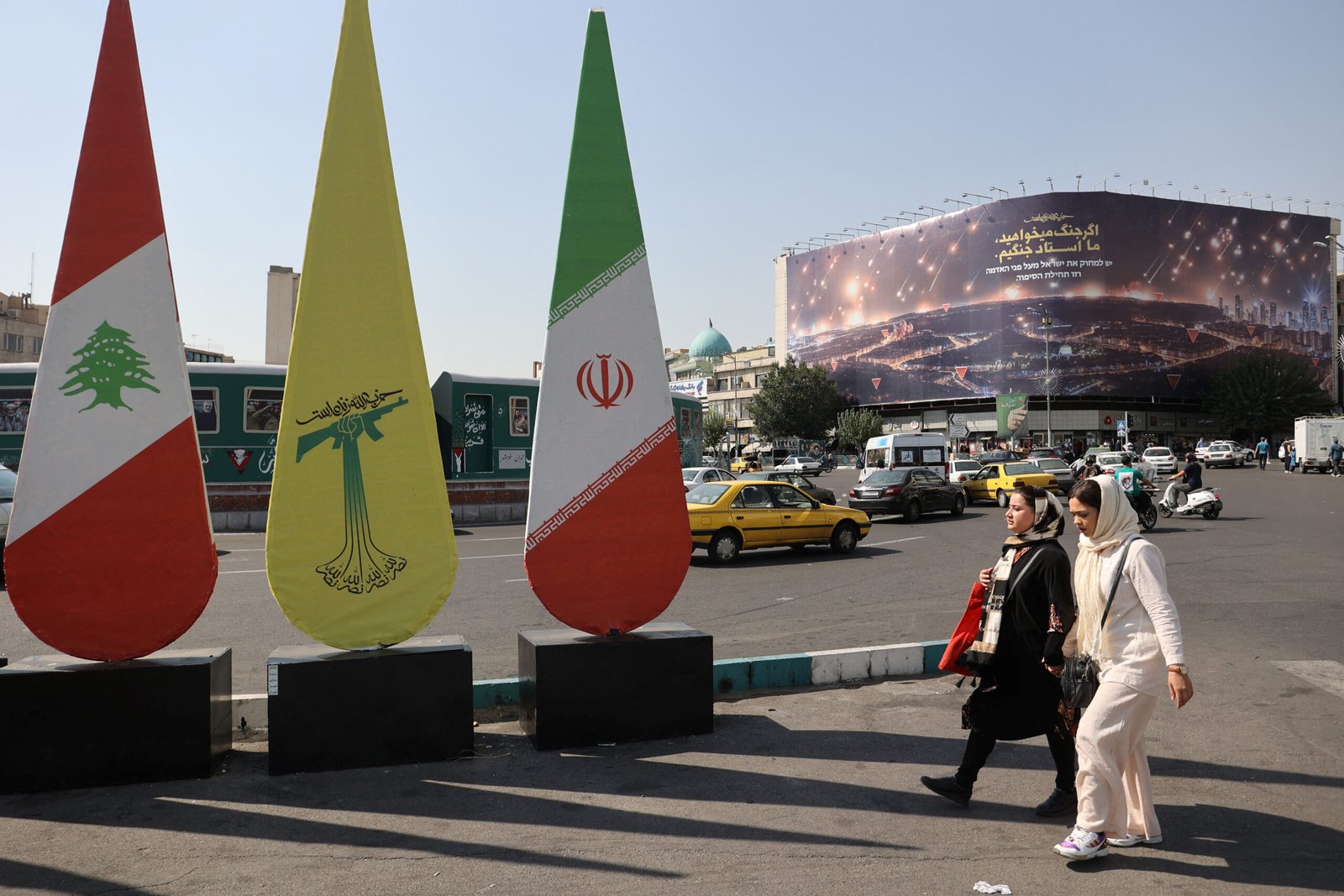
For Lebanon, that has meant opportunistic war. Israel has used Lebanon and Hezbollah as a lever to sustain fighting across the Middle East. When ceasefires have neared completion or were reached in Gaza, Netanyahu increased pressure on Lebanon and Hezbollah, and vice versa. Now, as the United States and Iran work to end their war, Israel ups the temperature in Lebanon to pressure the Islamic Republic, Hezbollah’s principal backer.
In this regard, the Israeli government is attempting to induce one of two scenarios that are both preferential to its perceived security interests. On the one hand, forcing Iran to demand Lebanon and Hezbollah’s inclusion in a deal may spoil negotiations Tehran is holding with the United States, restarting full hostilities inside the Islamic Republic. On the other hand, Iran’s acquiescence to any demand that cordons Lebanon and Hezbollah from such a deal undermines Tehran’s Axis of Resistance militia network while allowing the Israel Defense Forces (IDF) to continue military operations in Lebanon. In both scenarios, Israel gets the war it prefers, although this double-edged sword risks driving a wedge in its relations with the United States.
This logic lies at the core of Israel’s post-October 7 security strategy, which incorporates an externalized security doctrine and preemptive action against real or perceived threats. In Syria, for example, it understands that its similarly illegal occupation of the country’s south and overt pressure on communities there bolsters its negotiating stance with the new rulers in Damascus in the post-Assad era. Having created facts on the ground that bolster its position vis-à-vis Syria, it is happy to sustain that occupation if no deal is reached, with little to be expected of real pressure from Washington.
Yet it is this American component that may spell disaster for Netanyahu and the broader Israeli state’s designs. While the administration of US President Donald Trump has been incredibly pro-Israel, it has also operated chaotically in the Middle East, showing a willingness to decouple from Israeli interests at key points over the last year and a half. To be sure, Trump’s Washington has towed the Israeli line at crucial moments, as witnessed in its cumulative actions that helped produce the region-wide war and global energy and food crises today. Yet it has also forced ceasefires at major moments in Gaza and with Iran—clear US interests that diverged from those of Israel’s political leadership.
This dynamic likely means little for the people of the region, and Lebanese in particular, who have suffered under American and Israeli bombs for far too long. But it could also be the key to ending Israel’s campaign of unmitigated destruction in Lebanon.
Washington understands that it needs to end the war with Iran and is beginning to recognize the regional character of that war. Trump’s apparent pressure—assuming he truly applied it—to end Israel’s bombing campaign in Lebanon on June 1 during a call with Netanyahu is crucial, reflecting an acknowledgment that ceasefire talks with Iran are inherently connected to Lebanon and the broader region. Yet it is actions—not rhetoric and social media posts—that speak power and clarity to policy direction.
There is a clear US interest in ending this disastrous regional conflict as soon as possible. That interest should drive Washington to push harder for a true ceasefire in Lebanon that sees the IDF cease its occupation of sovereign Lebanese territory, given Iran’s insistence on including these details in negotiations.
Ending the pain experienced by millions of Lebanese citizens, including the 1 million displaced from the south who have a right to return to what remains of their communities to rebuild, should be paramount in the first place. Until that time, the regional war will continue at the expense of those most exposed to its consequences—an unacceptable outcome for anyone truly interested in sustainable peace in the Middle East today and in the future.