
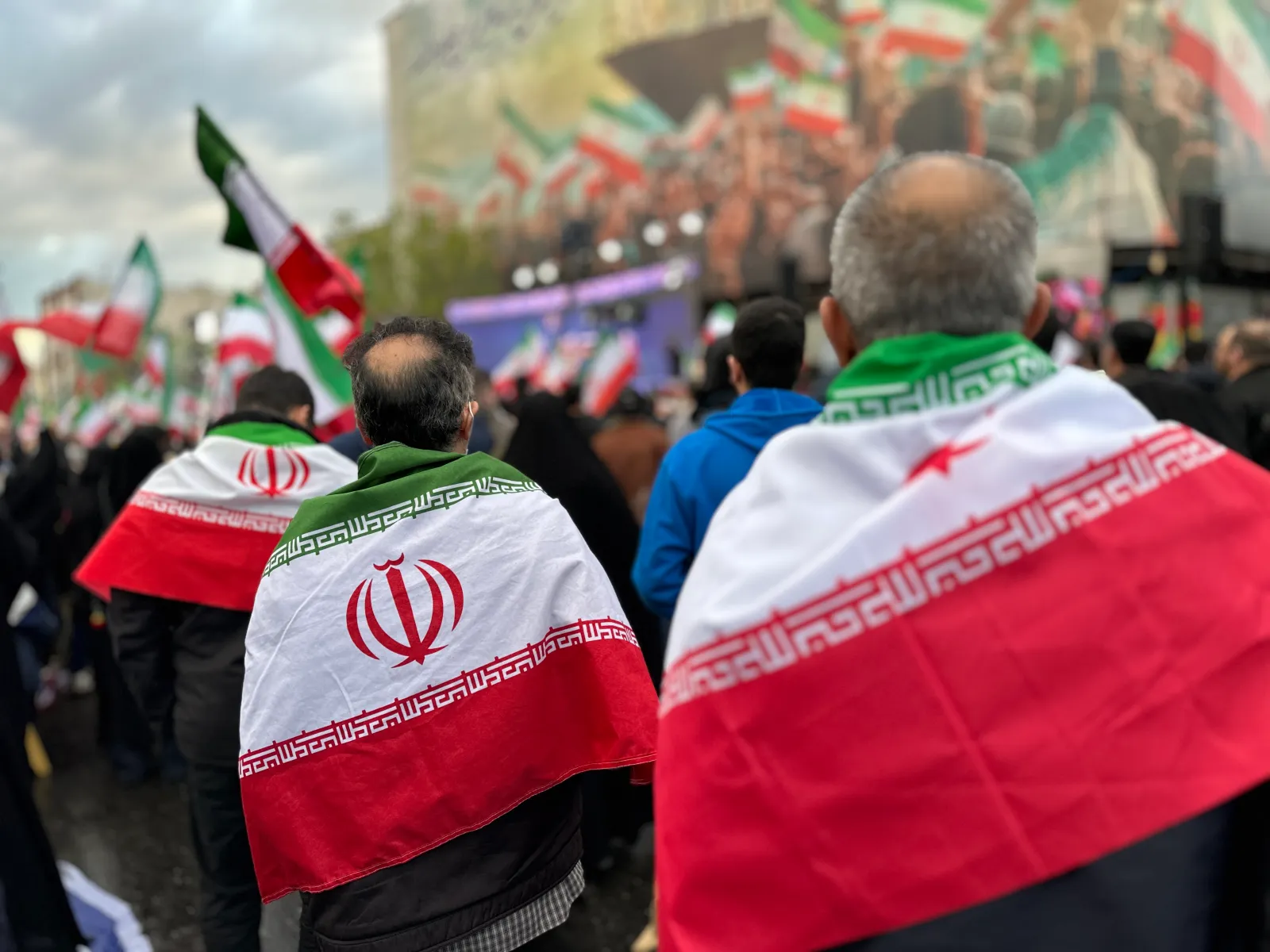
The 2026 war was won not by missiles but by American penetration. This analysis dissects how US intelligence hollowed Iran’s leadership, exposed its centralized fragility, and decided the conflict silently before the first fire lit the sky.
The 2026 war’s decisive strikes weren’t launched from aircraft carriers but from a silent, years-long erosion of Iranian security. US intelligence transformed a hollowed regime into a target-rich environment, proving that penetration precedes detonation. Ultimately, US intelligence dictated the battlefield before a single missile was fired, exposing a system unable to protect its own core.
US Intelligence Silenced Tehran First
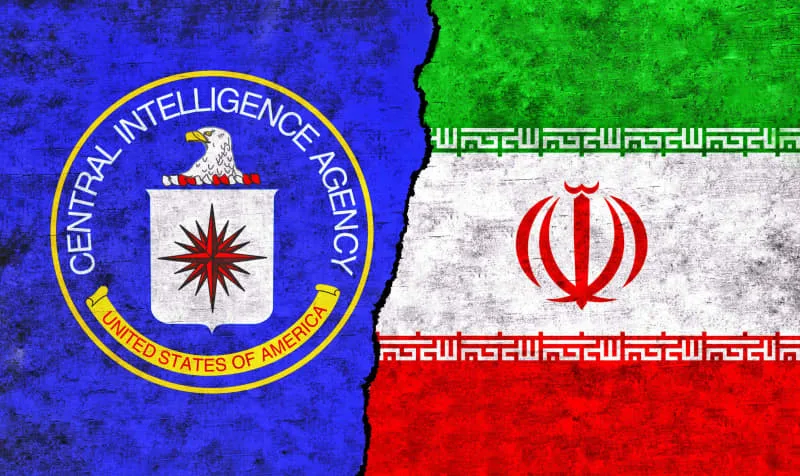
The strike that killed Ayatollah Ali Khamenei on February 28 began with an American secret. According to CBS News, intelligence gathered over months by the CIA, and shared with Israel, fixed the location of Iran’s leadership and opened the way for the first salvo of Operation Epic Fury.
The chair of the Senate Intelligence Committee said plainly that the operation was driven by intelligence collected by the United States and Israel. The thousands of missiles and drones Iran threw across the Gulf in the weeks that followed, and the interceptors that laced the skies over Dubai, Bahrain and Doha, were the loud and visible end of a fight decided in silence. The 2026 war was an intelligence war wearing the costume of an air campaign, and the decisive intelligence was American.
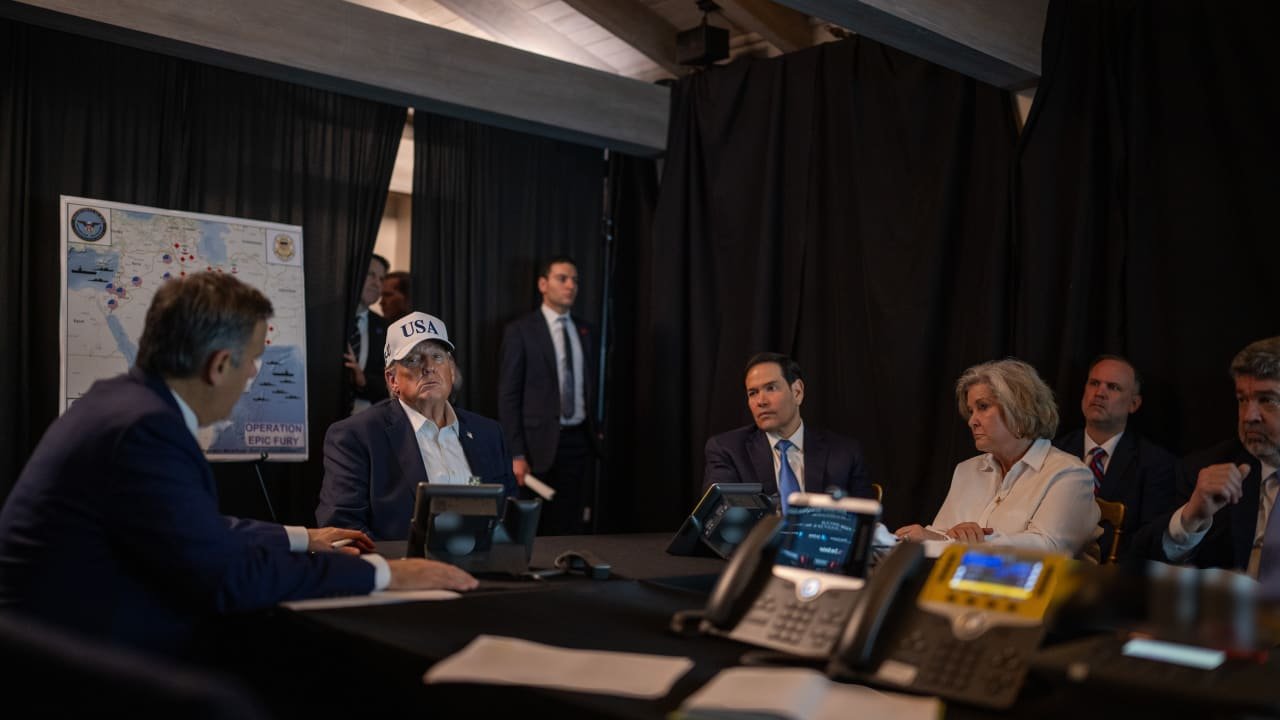
How Expert US Intelligence Killed a Leader
Consider what the killing of a head of state demands. To reach Khamenei, an adversary must know where a man will be, when he will be there, who stands beside him, and how to deliver a strike inside the minutes that knowledge stays good. This is a problem of collection and human sources, solved over years rather than in a final hour. The munition is the trivial last step. The intelligence is the war. On February 28, the piece that mattered most, the fix on the leadership itself, came from the United States. Iran’s adversary-in-chief said so himself: President Donald Trump wrote that Khamenei could not escape “our Intelligence and Highly Sophisticated Tracking Systems.”
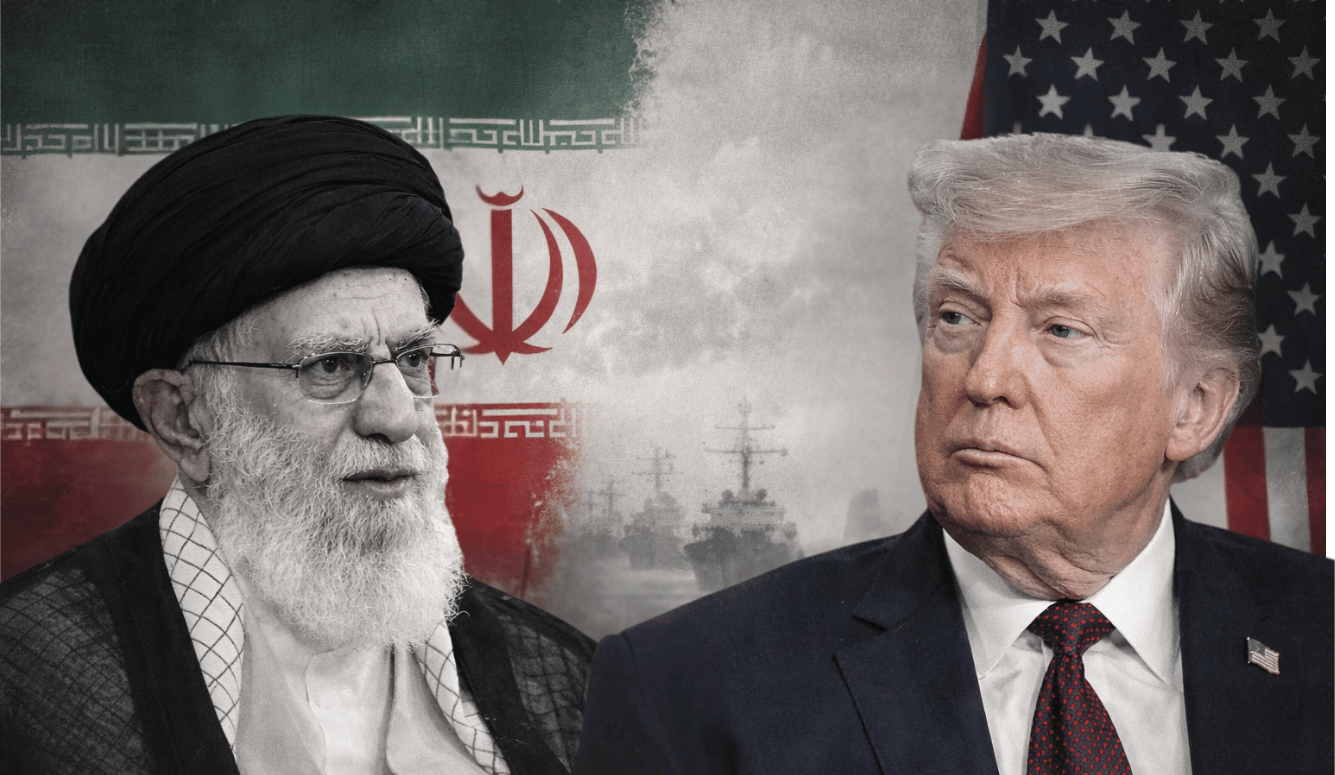
The Penetration Behind US Intelligence
That American contribution rode on a decade of patient penetration by its closest ally. In 2018, Mossad officers removed half a ton of Iran’s nuclear archive from a warehouse in Tehran. In 2020, the physicist Mohsen Fakhrizadeh was killed on a road outside the capital by a remote-operated weapon. In July 2024, Ismail Haniyeh died in a government guesthouse in the heart of Tehran.
Weeks later, thousands of pagers and radios that Hezbollah had carried in through its own supply chain detonated across two days. In the 12-day war of June 2025, Israel killed the commander of the Revolutionary Guard and the chief of the armed forces in the opening hours. Read together, these describe a state opened from the inside. The American achievement of 2026 was to fuse its own collection onto that opening and fix the leadership in place. As David Petraeus, a former CIA director, observed, the operation was led by precise intelligence, and the killing was its product.
US Intelligence Versus a Closed Regime
There is a maxim in the study of intelligence that every failure is also an enemy’s success. Writing recently about October 7, 2023, I argued that a weak and resource-starved actor had concealed its intentions from one of the world’s most capable services through nothing more exotic than discipline: strict operational security, patient collection and human sources placed where they counted.
The 2026 war is that proposition turned inside out. On October 7, concealment beat discovery, and the strong were humbled by the weak. In 2026, discovery beat concealment, and a closed regime was hollowed by adversaries it could not see. The two episodes are faces of a single duel, the contest between the side hiding its plans and the side hunting them. Firepower settles nothing until that duel is decided.
Why Iran Crumbled Under US Intelligence
Why was Iran so penetrable? The reflexive answer is that the regime is a vast surveillance state, and surveillance states are hard to spy on. That answer mistakes one capability for another. A state can watch its own people with great intensity and remain catastrophically exposed to a capable foreign service, because surveillance and counterintelligence are different crafts. Repression points inward. Counterintelligence points outward. Iran built a formidable machine for the first and assumed it had thereby built the second.
The machine was also divided against itself. Iranian intelligence is split between the Ministry of Intelligence and the parallel apparatus of the Revolutionary Guard, two services that distrust each other and compete for primacy. Rivalry of this kind corrodes a state’s security. It opens seams, the gaps between institutions where responsibility blurs and a patient adversary settles in. An agent run against one service is an agent the other has reason to overlook.
Then there is the deeper vulnerability, the one intelligence analysis tends to miss because it belongs to the study of power rather than tradecraft. Iran’s authority is intensely centralized. Ultimate decision rests with the supreme leader and a narrow circle around him. A system built this way is efficient at control and brittle under decapitation, because so much of its capacity to act is lodged in a few irreplaceable people.
Remove the node and the network seizes. This is the property that makes a centralized regime easier to cripple than a dispersed one. Hamas, for all its weakness, survived the killing of its leaders because authority within it is distributed and redundant. Iran’s concentration of command was the source of its strength and the shape of its vulnerability at once. Penetration and decapitation are most lethal in combination, and Iran offered an adversary both an open door and a single room worth entering.
What is unfolding inside Iran now confirms the diagnosis. Since the war, the Guard has arrested hundreds on suspicion of spying for Israel and the United States, and executed those it convicts, in a campaign that human-rights groups condemn as repression by another name.
The state calls this the dismantling of a sprawling network. The scale of the purge is itself a confession: a regime that no longer knows whom to trust, striking outward because it cannot see inward. When a service can no longer tell a real traitor from a convenient one, the hunt stops protecting it and begins to consume it. Every forced confession adds noise. Every loyal officer removed on suspicion is a gift to the adversaries the purge means to expel.
There is a lesson here for the United States, and it is more useful than a victory lap. After a war in which Gulf air defenses intercepted the overwhelming majority of what was fired at them, the temptation in Washington and the Gulf is to answer insecurity with more steel and more software: additional interceptors, layered missile defense, artificial intelligence stitched into the kill chain. Those capabilities matter. But this war was won in front of the interceptors, by collection and human sources, the currency that cannot be bought at scale and that no rival can match quickly.
That is the American advantage, and it is the one worth preserving. It is also perishable. A regime penetrated this completely rebuilds differently. It will disperse its authority, pull its most sensitive decisions off every network an adversary might touch, revert to methods too old to intercept, and rebuild its counterintelligence around the assumption that it is already compromised. The next contest with Iran will start from that reset, and it too will be settled in the dark, long before anyone reaches for a missile.
The monuments of the 2026 war will be the ones we can photograph: the interceptors over the Gulf, the craters in Tehran, the funeral processions. Its decisive battle left no such evidence. It was fought by people whose names will never be released, in a contest that produced no footage, and it was American. It was over before the first fire lit the sky.