
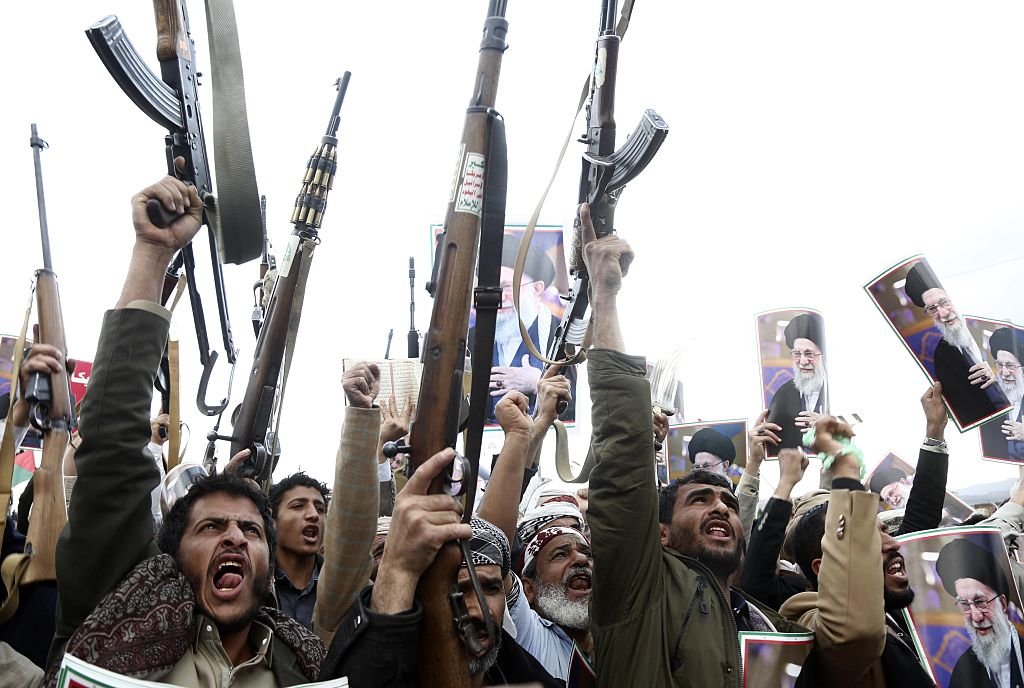
The Houthis are shifting toward systemic economic extortion, copying Iranian strategy by targeting merchant vessels at the Bab al-Mandeb. By pursuing illegal safe-transit fees and demanding multi-billion-dollar war reparations from Saudi Arabia, the group aims to finance its operations.
The Houthis are leveraging strategic maritime vulnerabilities to choke global shipping corridors and extract illicit revenue from commercial vessels. As the group seeks to replenish its war chests following intense confrontations with Western forces, this shift toward economic extortion threatens to transform critical chokepoints into a persistent crisis zone. By threatening major shipping lanes, the Houthis are forcing multinational cargo carriers and energy exporters to reconsider the viability of long-term trade routes through the region.
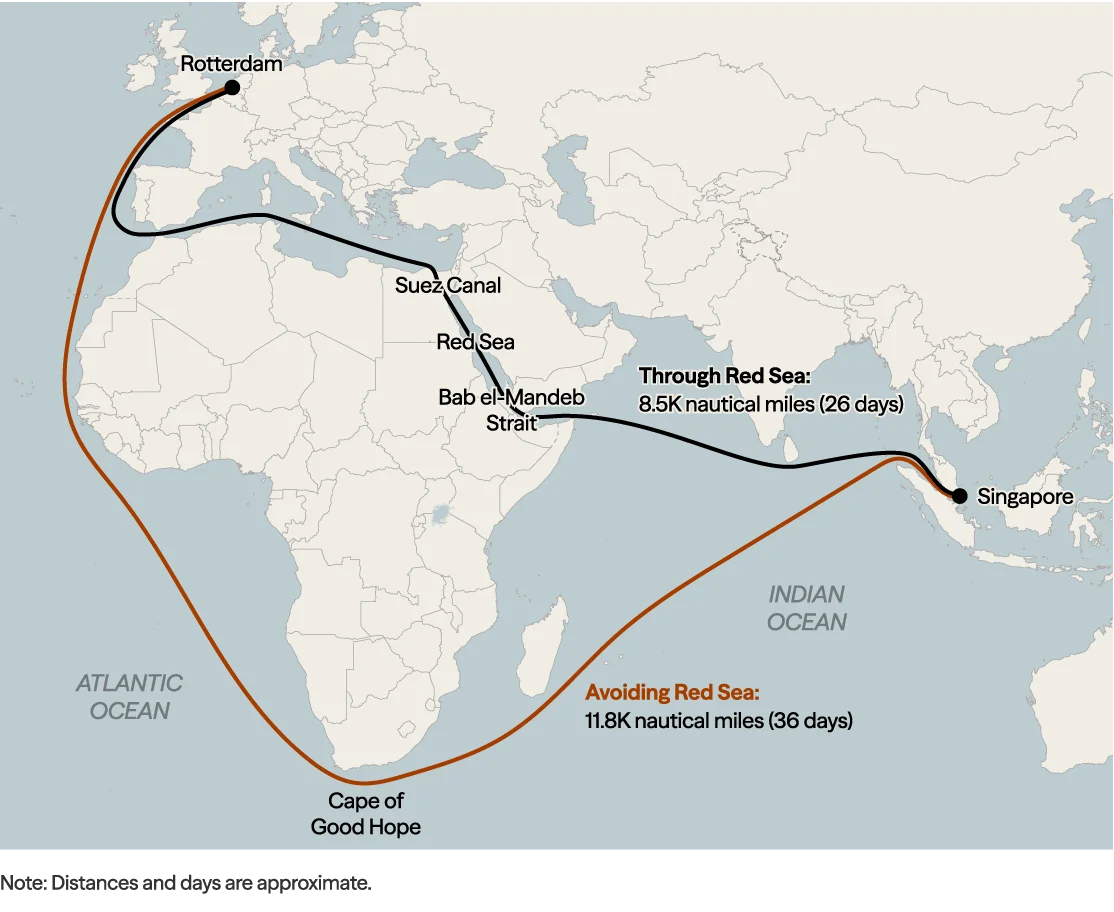
The Houthis target shipping lanes
The Yemeni warfront, perpetually threatening and occasionally lethal for Israel, was relatively quiet during the recent war between the United States, Israel, and Iran. But while the Houthis, the Islamic Republic’s partner in Yemen, weren’t firing many drones and missiles, they were watching closely.
After weathering numerous waves of American and Israeli airstrikes since 2024 — including incurring significant damage to critical infrastructure — and facing growing economic troubles in Yemen, the Houthis are looking for funds. Here, the cash-strapped, Iran-backed terror group takes away two big lessons from its patron’s experience in the war: that demanding a toll from ships passing through the narrow strait separating the Indian Ocean from the Red Sea (the Bab al-Mandeb) may be lucrative, and that Saudi Arabia is vulnerable.
The memorandum of understanding (MOU) between Washington and Tehran says that Iran will permit vessels to transit the Strait of Hormuz “with no charge for 60 days only.”
The Islamic Republic is already laying the groundwork for a fee structure by mandating that shippers carry insurance approved by the new Persian Gulf Strait Authority, which the U.S. Treasury sanctioned in late May, describing it as “a new attempt by Iran’s Islamic Revolutionary Guard Corps (IRGC) to monetize its campaign of state-sponsored terror by extorting vessels transiting the Strait of Hormuz.” Iran is providing this insurance free of charge for the 60-day window but afterward intends to charge for it. That would effectively establish tolls in the strait under the guise of fees for a service.
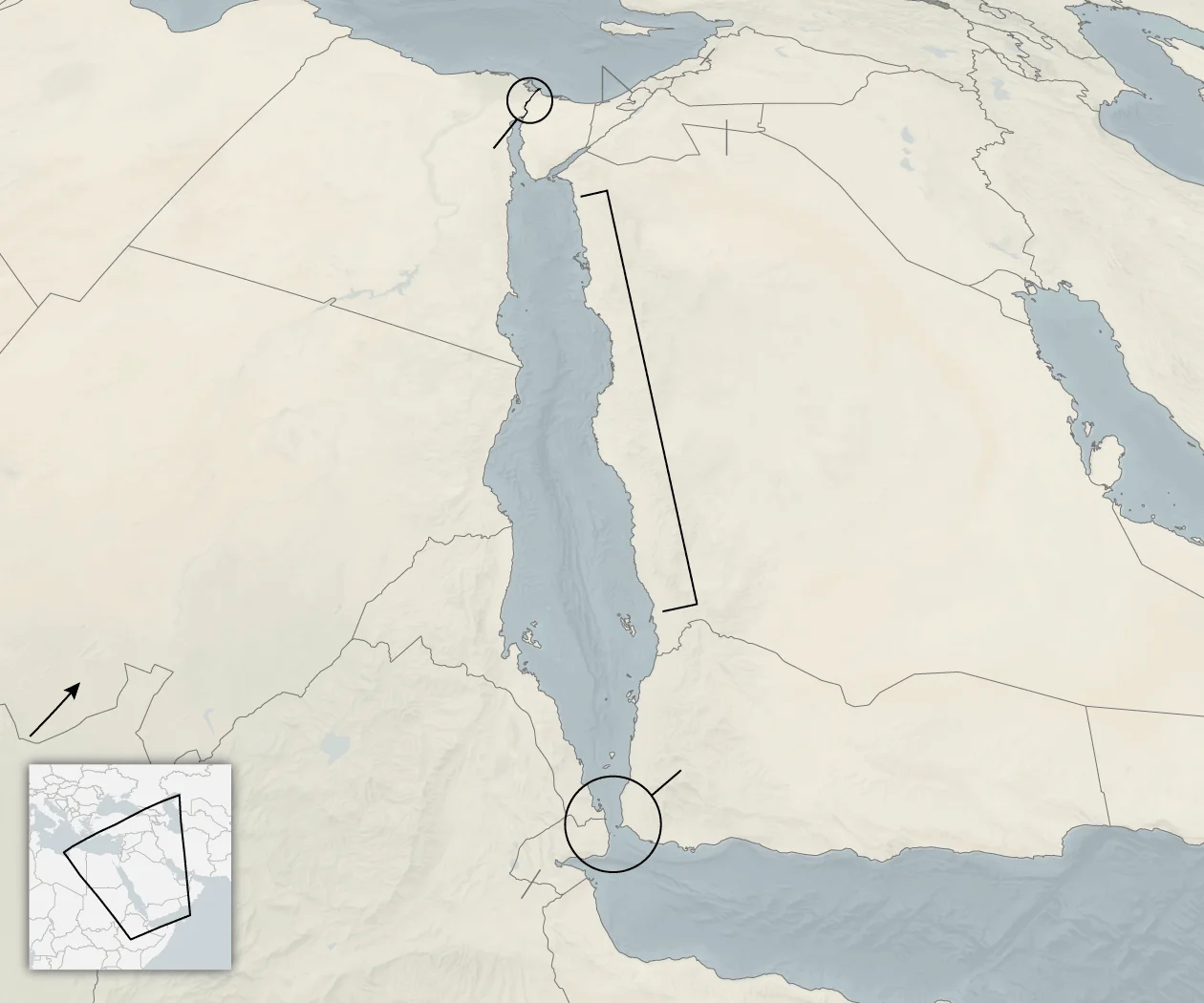
Tolls fund the Houthis operations
President Donald Trump has insisted there will be no tolls after the 60-day period “unless they are imposed by and for the United States of America, should the deal not be completed.” But regardless of these assurances, the recent conflict and MOU have eroded confidence in America’s commitment to freedom of navigation and certainly the willingness of Washington to use force to protect it.
Not only governments suffer from impeded maritime passageways. Private companies in the shipping industry also pay. The failure of the international community to decisively open the Red Sea after the Houthis began their campaign on commercial shipping in 2023 left shipping companies hesitant to return. The UN Panel of Experts on Yemen reported in October 2024, amid the Houthi campaign against shipping in the Red Sea, that the group was collecting “illegal safe-transit fees,” amounting to roughly $180 million a month, though the group denied the claim. Concerns of Red Sea tolling resurfaced in a Lloyd’s List report in April 2026, citing security and intelligence firm Obsidian International.
Despite ongoing concerns over the Houthi threat, the Iranian closure of the Strait of Hormuz has forced Gulf countries to reroute oil exports to the Red Sea port of Yanbu. From March to May, Saudi Arabia exported an average of about 3.6 million barrels per day (bpd) through the port, up from around 750,000 prior to the conflict with Iran. It intends to increase exports to more than 5 million bpd.
Rerouting around the Houthis
Gulf countries are also trucking non-oil products, including much-needed fertilizer, across the Arabian desert to export via the Red Sea. Although the MOU enables a return of some shipping via the Strait of Hormuz, the Red Sea will continue to be both an important transitway, for its connection to the Suez Canal, and a pressure valve for Gulf exports.
The Houthis are also eyeing another potential cash cow — their neighbor to the north. In March, the group’s leader, Abdulmalik al-Houthi, claimed more than $57 billion in an unusually detailed accounting of the damages that he blames on the Saudi-led coalition that fought the group from 2015 until a truce in 2022.
Abdulmalik’s speeches in June continue to emphasize the Houthis’ narrative of Saudi culpability, along with the United States and Emiratis, for “conspiracies” that have exploited and impoverished Yemen. Of course, there is no mention of Houthi responsibility for the rampant violence, mismanagement, and theft that have crippled the country.
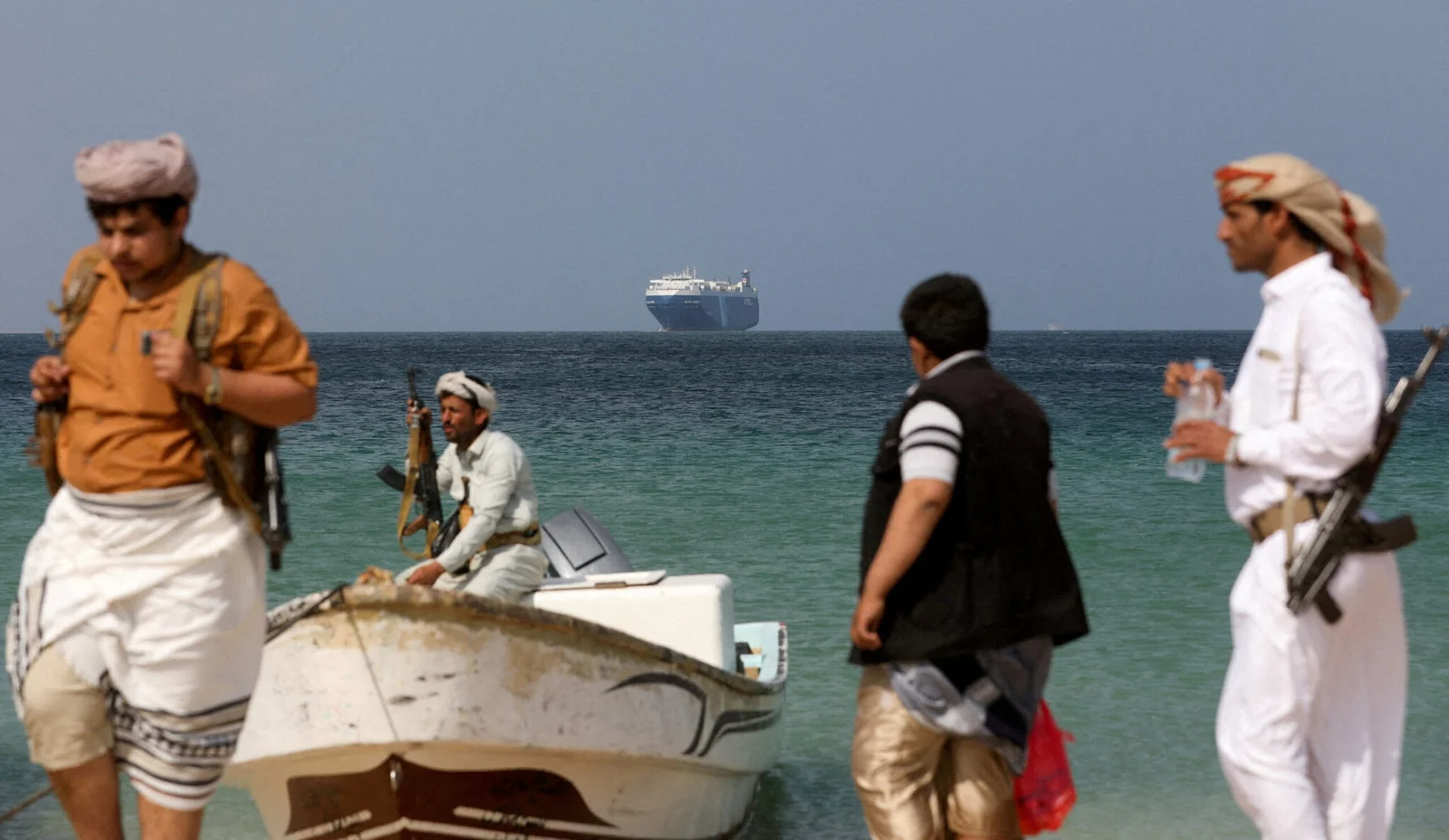
How the Houthis threaten Riyadh
Previously, the Houthis have been constrained by concerns that demanding too much too quickly could provoke a response from Riyadh, perhaps even militarily. But Saudi Arabia is vulnerable to Houthi threats. Saudi oil facilities, cities, and key infrastructure are all well within reach of Houthi drones and missiles.
During Saudi-led coalition operations against the Houthis, the Iran-backed group demonstrated its willingness and ability to attack the Gulf, particularly Saudi Arabia, with hundreds of drone and missile attacks. Since then, the Houthis have only improved their capabilities.
Saudi vulnerability to the Houthis weapons
After weathering hundreds of Iranian drones and missiles after February 28, Saudi Arabia isn’t eager to incur more damage. Iran successfully attacked numerous Saudi refineries, oil fields, and the country’s East–West pipeline, which enables it to export oil via the Red Sea — all affecting its ability to produce, refine, and export oil and natural gas. While the country was able to repair much of the damage relatively quickly, concerns related to the economic impact of future interruptions or damage have not abated.
Riyadh is not eager to risk another conflict now. However, if Saudi Arabia’s leadership did want to act against the Houthis, they would want assurances of American support before undertaking substantial action against the Houthis — assurances they are unlikely to receive as Washington hopes to avoid embroiling itself in further regional conflict.
The Houthis survived the war begun by Hamas’s October 7, 2023, attack on Israel with an elevated status in Iran’s Axis of Resistance network of terror groups. But to continue their bid for regional and even global influence, they will need an influx of funds. If Washington shows it is willing to grant concessions to the patron, the proxies will likely get greedy as well. The Houthis know they have leverage and will use that to extort not only their neighbors but the global community.