
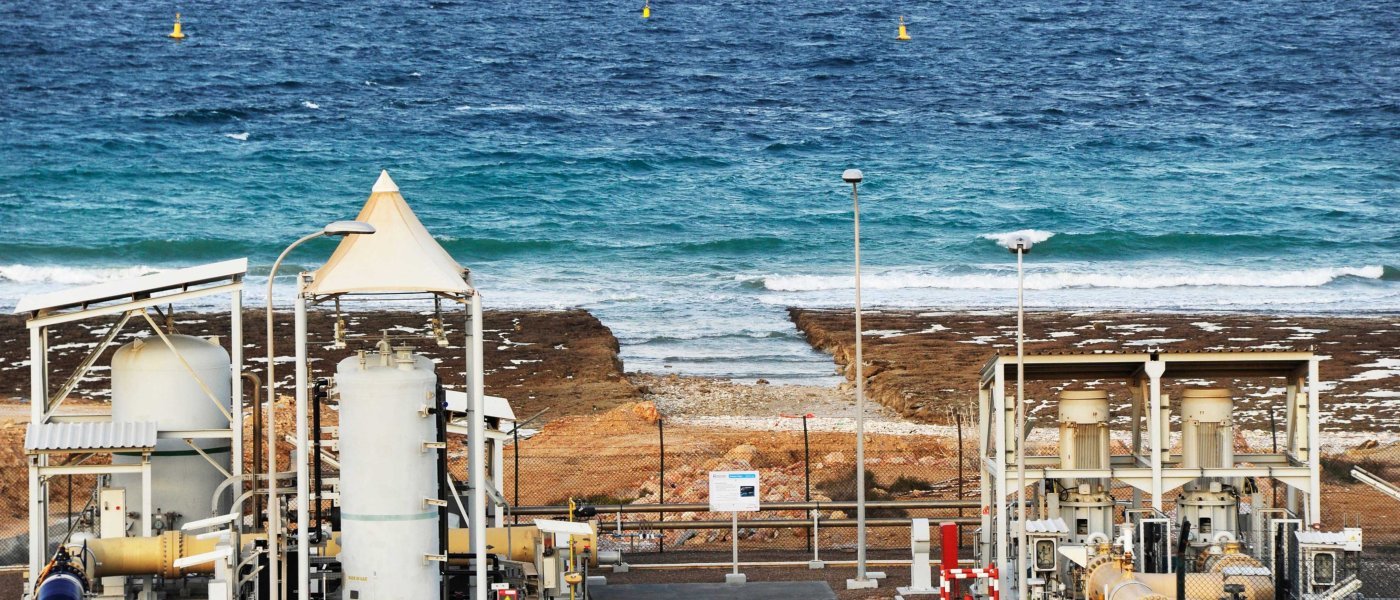
Direct attacks on desalination plants, contested mega-dam projects, and creeping water bankruptcy in cities and basins reveal a systemic shift toward weaponized water, outpacing outdated treaty frameworks and exposing critical infrastructure vulnerabilities.
Water security has moved from the periphery of environmental policy to the center of hard-nosed strategic calculation. The collision of hydrological volatility with a fractured international order has produced a new class of threat in which rivers, aquifers, and desalination plants function as triggers for armed contestation, instruments of coercion, and vectors of cascading systemic failure.
Physical strikes on desalination facilities during the Iran conflict, the unilateral commissioning of mega-dams on contested waterways, and the creeping normalization of water infrastructure as a military target mark a clean break from postwar assumptions. These events expose the absence of enforceable global norms and the brittleness of treaty architectures built for a different era.
The convergence of climate stress, demographic concentration in arid zones, and deliberate targeting of supply networks has turned water security into a frontline geopolitical risk that no major power can sidestep. The deeper operational challenge is that the very technologies designed to insulate states from scarcity—large-scale desalination above all—concentrate vulnerability into a handful of single points of failure. That fusion of dependence and exposure now reshapes national security planning, forcing governments to rethink infrastructure architecture, diversify supply, and confront the inescapable reality that water security cannot be divorced from energy security, counterterrorism, or great-power competition.
Why Water Is Now a Hard Security Concern
For years, governments and markets treated “water stress” as a manageable development and climate challenge. That framing no longer holds. The incidence of water-related violence is now reaching unprecedented levels as scarcity, mismanagement, and climate volatility collide with a so-called “G-Zero” geopolitical order—one in which no major power is willing or able to enforce rules or broker durable solutions globally. What was once a background risk has become “weaponized water”: states, firms, and armed groups contest access to rivers, aquifers, and infrastructure as strategic assets rather than mere utilities. Why has water recently emerged as a frontline security risk, and what solutions exist for policymakers to overcome it?
Main Geopolitical Flashpoints in River Basins
Q1: Where are the main geopolitical flashpoints?
A1: One of the most visible expressions of the shift in the geopolitics of water is in transboundary river basins, where upstream-downstream dynamics intersect with longstanding rivalries. China’s push to build what could be the world’s largest dam on the Yarlung Tsangpo, which becomes the Brahmaputra River as it flows into India, is perceived in New Delhi as a change in Beijing’s leverage over flows critical to northeastern India.
The Teesta dispute between India and Bangladesh similarly reflects Bangladesh’s downstream fears of economic and political vulnerability as India’s internal politics stall an equitable sharing agreement between the countries. Access to Kabul River water, shared by Afghanistan and Pakistan, is growing more contentious as Kabul seeks to expand irrigation and hydropower while Islamabad fears diminished downstream supply.
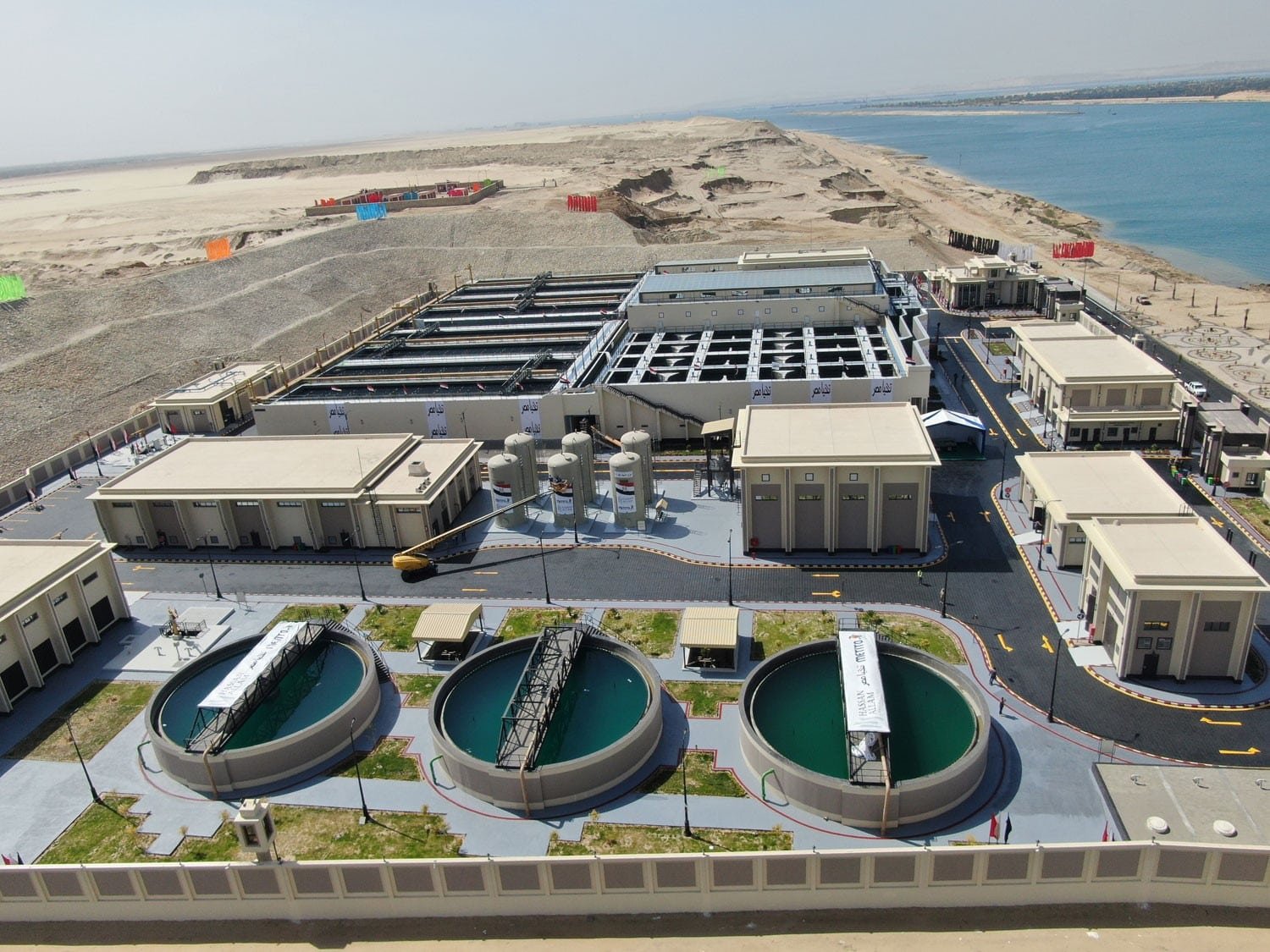
Similarly, with Ethiopia’s full commissioning of the Grand Ethiopian Renaissance Dam (GERD) in late 2025, access to Nile Basin water is entering its most dangerous phase yet. For Ethiopia, GERD is a symbol of sovereignty and development; for Egypt, it is an existential threat given the country’s dependence on Nile flows, which Ethiopia can now modulate. Even U.S.-Mexico ties are strained by prolonged drought and contested interpretations of bilateral water-sharing agreements. Across all these cases, water is now firmly embedded in national security and foreign policy decisionmaking.
Domestic Instability and Cross-Border Economic Conflict
Q2: How is water stress driving domestic instability and cross-border economic disputes?
A2: Transboundary disputes inform domestic politics, while internal water stress is exacerbating domestic governance challenges. In the United States, the Colorado River Basin illustrates this dynamic. With the 2007 Colorado River Interim Guidelines set to expire at the end of 2026, the Bureau of Reclamation published a plan that would impose drastic cuts in Colorado River water to “lower basin” states of Arizona, California, and Nevada, risking legal battles including “upper basin” states of Colorado, New Mexico, Utah, and Wyoming, and the federal government. This is not merely a hydrological dispute; it pits agricultural producers against urban users, upper basin states against lower basin states, and state governments against federal agencies—with knock-on implications for treaty deliveries to Mexico.
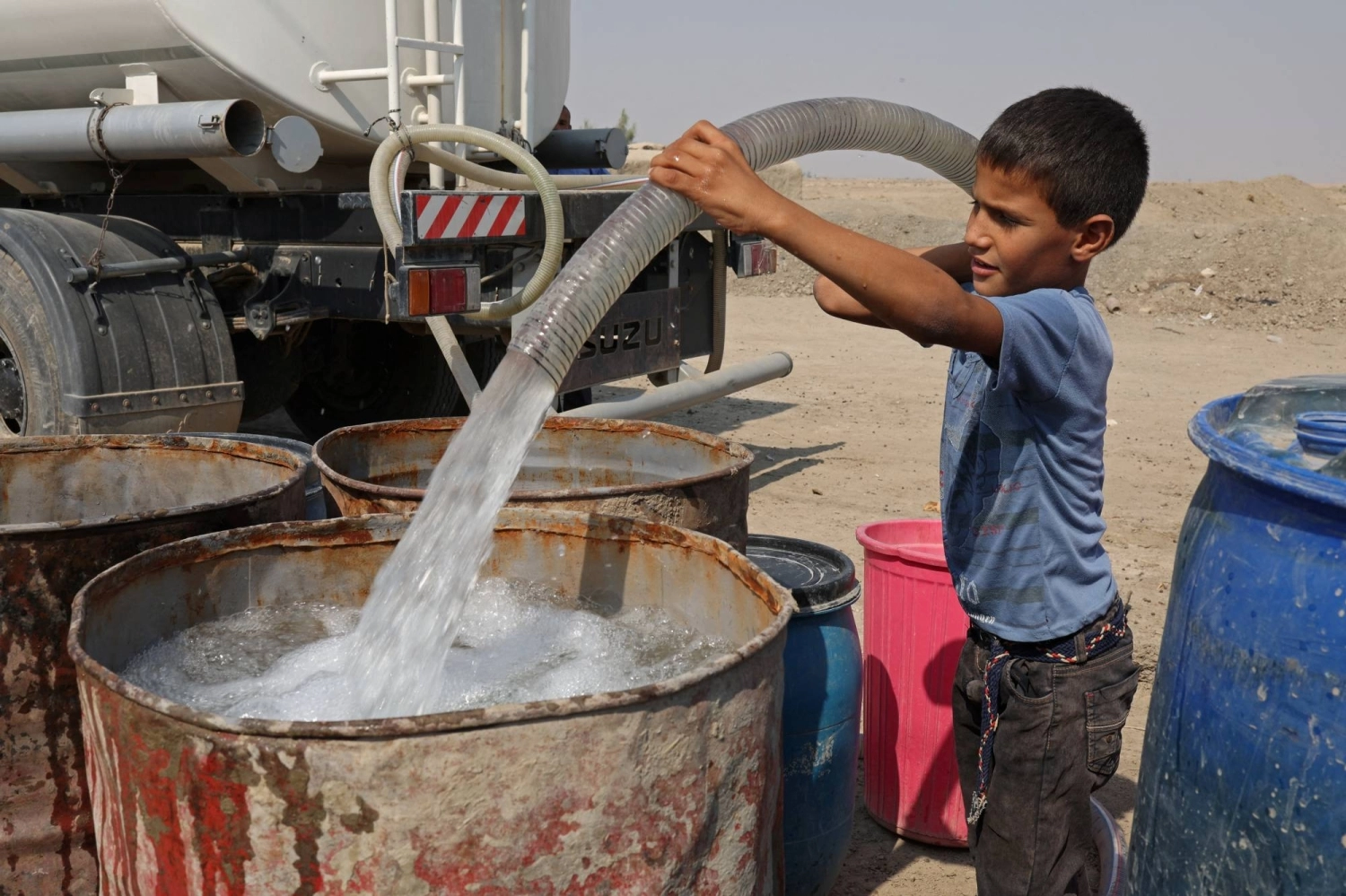
In South Africa, water has become a proxy for deeper governance failures. A water-related conflict erupts roughly every nine weeks as communities protest shortages, corruption, and infrastructure collapse. Criminal “water tanker mafias” exploit the crisis, monetizing access to water and further eroding trust in the state. And in Angola, deadly clashes between ethnic groups over water access demonstrate how localized scarcity can quickly intersect with identity politics and land disputes.
Water is also becoming a driver of cross-border economic conflict and a new locus of political risk for multinationals. Arizona’s cancellation of a lease that gave a Saudi-owned farm unrestricted groundwater access reflects rising public anger over foreign exploitation of critical resources in water-stressed areas.
In India, state-level restrictions on water use by foreign companies reflect a growing perception that foreign investors are competitors for scarce water, not just providers of jobs and capital. In 2020, Mexico’s decision to block foreign brewery projects in water-stressed regions similarly illustrates how communities and politicians are willing to sacrifice investment in attempt to safeguard local water rights. These moves reframe water scarcity as a regulatory and reputational risk, complicating industrial site selection, project finance, and long-term contracts across sectors from agriculture and beverages to manufacturing and data centers.
When Systems Reach the Point of Bankruptcy
Q3: What do systemic breakdowns of water security look like in practice?
A3: Some regions and cities are already close to “water bankruptcy”—the point at which systems cannot meet demand without causing irreversible environmental damage or social impacts. Tehran’s water level crisis in late 2025 offers a clear illustration of water bankruptcy. The city narrowly avoided a “Day Zero” scenario in which the taps could have run dry.
The Iranian president’s public warning that the capital might need to be evacuated was a remarkable admission of how acute the situation had become. Iran’s predicament—combining climate stress, demographic concentration in industrial hubs, and decades of mismanagement—mirrors vulnerabilities in other megacities across arid and semi-arid zones. As such cities approach similar thresholds, they may be forced into hard choices such as severe rationing and forced relocation.
At the regional level, the conditions of “water bankruptcy” are also being reached in the Helmand river basin. Shared by Afghanistan, Iran, and Pakistan, the river has become a flashpoint where competing water claims, climate volatility, and weak governance converge. Temporary agreements have been used to ease immediate tensions, but they leave the underlying drivers of overuse, mistrust, and demographic pressures untouched and unsolved.
Structural Drivers Pushing Water to the Frontline
Q4: What forces are contributing to systemic fragility and elevating water into a frontline security risk?
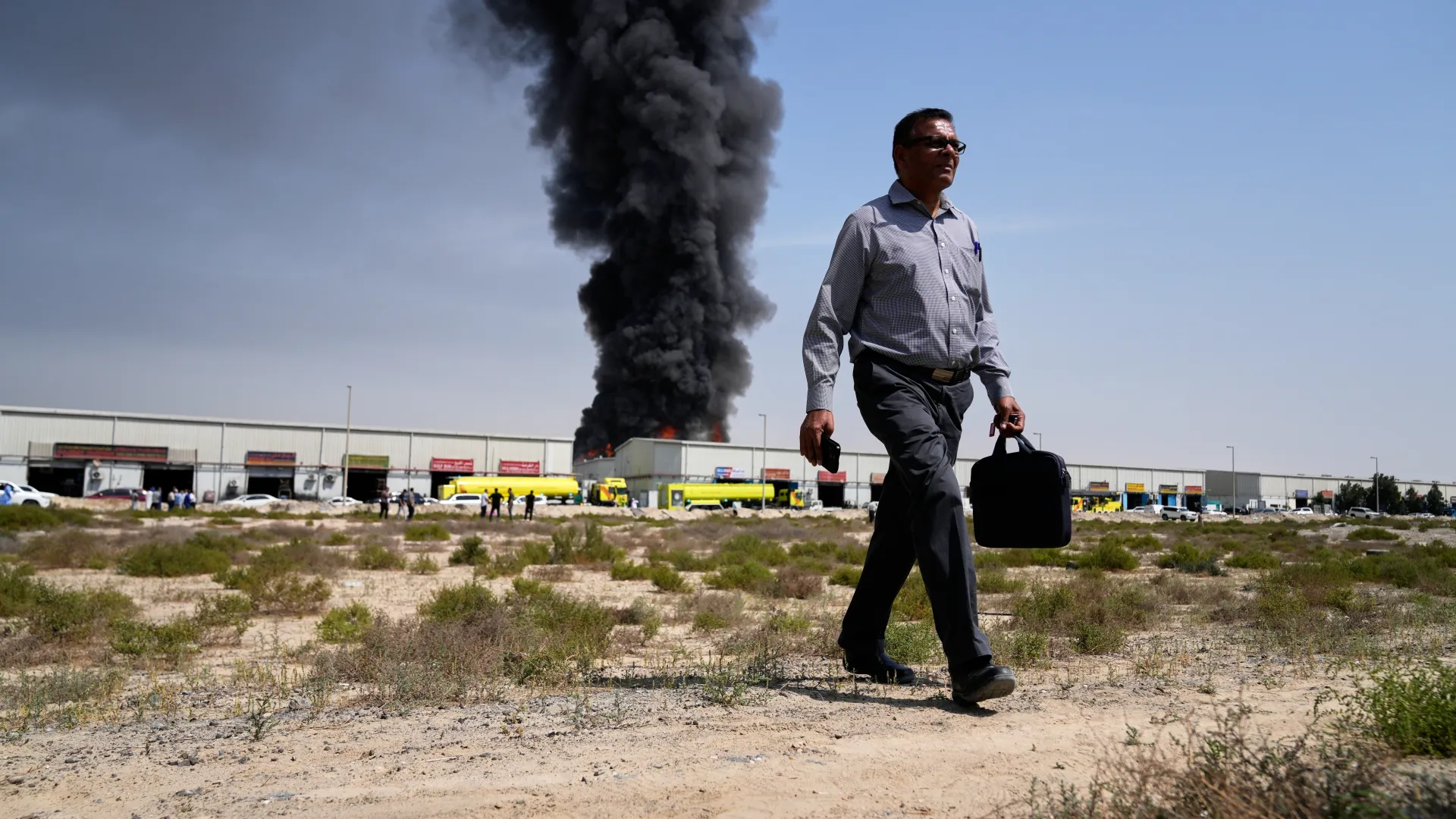
A4: In addition to geopolitical shifts, several structural drivers are converging on water. Climate change is shifting rainfall patterns, reducing snowpacks, and increasing evaporation, creating hydrologically sensitive regions where relatively small climate shifts produce large changes in river flows and groundwater recharge. Simultaneously, repeated attacks on water systems in Yemen, Ukraine, and Gaza—and several countries in the Persian Gulf amid the U.S.-Israeli war with Iran—are normalizing the targeting of water infrastructure as a way to pressure adversaries and populations. Recent cyberattacks targeting U.S. water systems in at least seven states further underscore the vulnerability of critical water infrastructure, even outside active conflict zones.
Governance and law also lag badly. There is no global water governance architecture comparable to the UN climate Conference of the Parties (COP) process. The 1997 UN Watercourses Convention has limited reach, and major powers including the United States and China are not parties. Many critical rivers, including the Yarlung Tsangpo, lack binding treaties altogether. Existing agreements are fragile and easily politicized: India’s suspension of elements of the Indus Waters Treaty after an April 2025 terrorist attack from Pakistan underscored how quickly legal commitments can become bargaining chips.
When governments struggle to deliver reliable water services, the governance vacuum can be filled by nonstate actors such as extremist and insurgent groups, which can use water as a mechanism of social control and political consolidation.
Across the Sahel, al Qaeda–linked organizations already provide water and basic services in areas where the state has withdrawn or failed, using access as leverage to secure loyalty, enforce control, and recruit. At the regional level, water disputes also directly undermine cooperation on shared security threats. The escalating confrontation between Egypt and Ethiopia over the Nile, for example, constrains their willingness and ability to coordinate against al Shabaab, which continues to harbor ambitions of attacking U.S. and Western targets. In short, these “hydropolitical rivalries” can crowd out counterterrorism and regional security agendas, potentially widening the space in which extremist networks can operate.
Desalination Exposed as a National Security Risk
Q5: How has the U.S.-Iran conflict underscored desalination as a national security vulnerability?
A5: The ongoing Iran war is accelerating a fundamental reappraisal of desalination-technology reliance. For decades, large-scale desalination in the Gulf was framed as a triumph of engineering over geography. Now it is recognized as both indispensable and dangerously exposed.
The Gulf’s dependence is particularly stark: In some states, desalination supplies the vast majority of urban drinking water, making a small number of mega-plants and pipelines single points of failure. The energy-water nexus compounds this vulnerability.
Because desalination is highly energy intensive, many plants are colocated with power stations or deeply integrated into power grids. This design is economically efficient but has proven to be strategically risky. An attack on a power station can effectively function as an attack on water, even if desalination plants are not directly struck. This risk has begun to materialize in the current conflict, with, for example, Iranian strikes on Kuwait’s power and water plants wiping out electricity generation and water production, forcing Kuwaiti officials to urge civilians to ration energy.
At the time of writing, at least four desalination plants in the Persian Gulf have been directly attacked as part of Iran war-related hostilities, with additional facilities reportedly damaged by debris from intercepted missiles and drones. Reported attacks include two strikes on facilities in Iran by the United States, one strike on a facility in Bahrain by Iran, and multiple strikes on facilities in Kuwait by Iran. These attacks together signal a normalization of “weaponized water,” or directly attacking critical water infrastructure to achieve military gains.
Increased frequency in attacks on desalination plants—or the specific power infrastructure that supports them—could have immediate and widespread impacts. Loss of desalinated water could undermine drinking supply, sanitation, and hospital operations within days for many urban populations. Water, sanitation, and hygiene systems could be among the first to fail, catalyzing disease and overwhelming health systems. Industrial production reliant on stable water supply could slow or halt; agriculture and food production, already stressed in arid climates, could deteriorate further; and tourism and services, central to Gulf diversification strategies, could suffer as basic livability declines. Even a small number of carefully chosen strikes could destabilize a country more rapidly than attacks on many traditional military targets.
These dynamics explain why all sides in the U.S.-Iran conflict have so far avoided systematic assaults on desalination; the humanitarian fallout and risk of escalation would be immense. Yet the recognition of this leverage will make protection of desalination and associated power systems a core focus of defense planning, diplomacy, and, over time, attempts to build new norms.
Policy Lessons for Hardening Water Security
Q6: What are the lessons for policymakers?
A6: Desalination plants sit in a military “gray zone”: in principle, they are protected by norms against targeting civilian life-support systems; in practice, they are vulnerable to precision strikes, sabotage, and cyberattacks, with limited enforceable protections. That tension—between extreme vulnerability and high escalation risk—means governments of countries reliant on desalination infrastructure are reclassifying this infrastructure from a purely civilian and economic asset into a central element of national security planning.
Recognition of the energy-water nexus will be central to the protection of critical water infrastructure. For Gulf governments, and others emulating their model, this dynamic will force a rethinking of infrastructure architecture: separating critical nodes where feasible, adding redundant power lines and backup generation, and hardening key assets against both kinetic and cyber threats. The recognition that energy and water cannot be secured in isolation will become a central theme of regional planning
Overall, the structural lesson for policymakers is clear: Overreliance on a single, centralized water source—especially mega-desalination in a more contested environment—is untenable. Over the medium to long term, governments should pursue a more diversified “water mix,” analogous to the “energy mix,” pairing desalination with wastewater reuse, improved groundwater management and recharge, rainwater capture, and more distributed treatment systems. Infrastructure strategies should shift toward redundancy and modularity, reducing the systemic risk posed by a handful of mega-plants.
Governments should also increasingly integrate water into national security strategies, tighten scrutiny of foreign investment in critical water assets, and, however imperfectly, seek to develop norms against weaponizing water infrastructure. The forthcoming UN Water Conference, scheduled for December 2026 in the United Arab Emirates, represents an important opportunity to strengthen global water governance and prioritize water security on the international agenda.
Franck Gbaguidi is a senior associate (non-resident) with the Global Food and Water Security Program at the Center for Strategic and International Studies (CSIS) in Washington, D.C. Caitlin Welsh is the director of the Global Food and Water Security Program at CSIS.