

Congress left for August recess without approving a $67 billion supplemental, a $1.1 trillion 2027 defense base budget, or a $350 billion reconciliation request. The delay risks readiness gaps and slower munitions manufacturing.
The United States now faces a munitions crisis that exposes long-running fiscal and strategic failures within the defense enterprise. Congressional departure for the August recess, without completing regular appropriations, leaves three unresolved funding requests totaling more than $1.7 trillion. The gap between planned resources and actual operational demands has narrowed the Pentagon’s room to maneuver, forcing trade-offs between current readiness and future capability.
What makes this moment acute is not the emergence of a new threat, but the accumulation of deferred decisions. Decades of continuing resolutions, shutdowns, and underfunded munitions accounts have produced shallow magazines and brittle production timelines. The munitions crisis has been made visible by operations in the Middle East and the Caribbean, yet its origins predate those contingencies. Budget documents show that planned increases in ballistic missile, cruise missile, and interceptor production remain modest and slow, while current spending rates outpace appropriations.
Personnel accounts and operating budgets are heavily obligated, leaving little room to absorb new costs without sacrificing maintenance and training. The industrial base cannot accelerate without multiyear demand. As a result, the current legislative stalemate does more than delay a supplemental; it weakens deterrence by showing the United States cannot align strategy with resources. The strategic consequence appears in procurement timelines, inventory levels, and the narrowing range of credible military options available to the president.
Congress Recesses Without Passing Full Defense Budgets
Last Saturday, senators joined their counterparts in the House of Representatives for the August recess, right after passing a continuing resolution to avert a government shutdown. In doing so, they acknowledged that they will likely leave regular appropriations incomplete before the end of the fiscal year on September 30. These include three critical defense funding requests:
$67 billion in supplemental funding for 2026.
A $1.1 trillion 2027 defense base budget.
A $350 billion 2027 defense budget reconciliation.

Munitions Crisis Hits Military Readiness First
If Congress neglects these matters, the losers are obvious: the military; the industrial base, economic, and innovation engine that supports it; the taxpayer; and ultimately the nation’s security and prosperity.
For the military, training and readiness will pay the bill in the near term. The latest publicly available financial reports show the Pentagon has spent 80 percent of military personnel accounts and more than 70 percent of some operating and maintenance budget lines. A reprogramming request submitted in late June would move money to military personnel but won’t cover operational shortfalls.
Funds for planned training and facilities maintenance will be diverted until funding gaps are filled. While it is true there is unspent money in last year’s mandatory accounts, those funds are on track to be spent quickly before the end of the year, and any attempts to divert them now would result in the same modernization shortfalls in things like munitions they were appropriated to fix.
Why CENTCOM Data Shows Faster Burn
According to a CENTCOM statement issued in May, the United States had struck 13,500 targets. Since then, the American Enterprise Institute assessment—which has largely tracked with official figures—estimates the current total at roughly 14,000 and 9,300 Iranian missiles and drones launched.
While the Iran War has made the munitions situation worse and more visible, funding for stockpiles of preferred interceptors and munitions has been diverted for decades to other military shortfalls because of an overall mismatch between budget and strategy. Shallow magazines stem from years of underfunding munitions accounts and the compounding costs of continuing resolutions and government shutdowns, which bar new production and quantity increases.
Rebuilding Munitions Manufacturing Takes Years, Not Months
Last year’s budget reconciliation money is just now supporting momentum to rebuild manufacturing and the supply chain while also developing new solutions for both defensive and offensive munitions. The combined base and budget reconciliation request for 2027 is needed in full and on time to make real the promised outputs from the current investment. Those outputs will still take years to achieve.
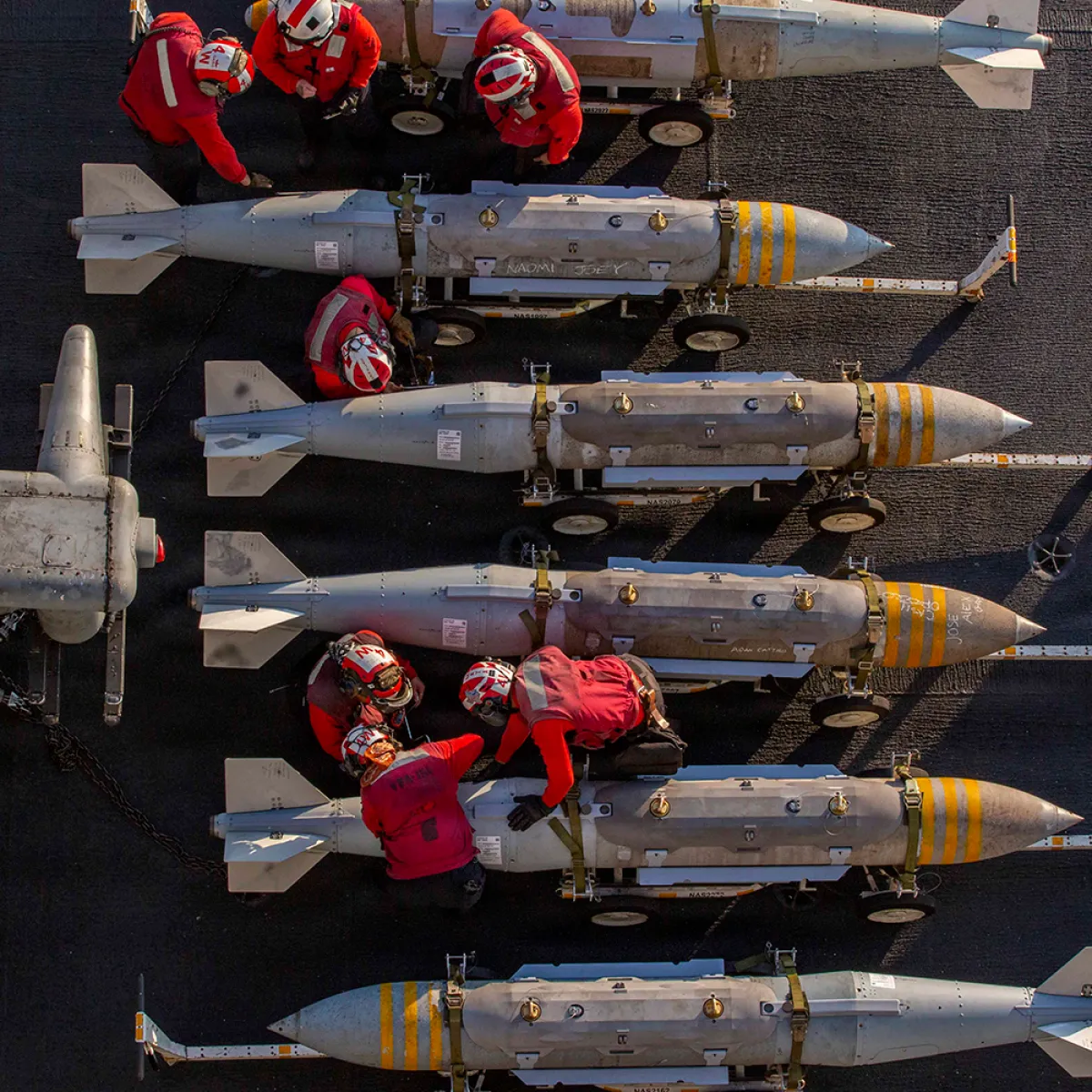
For example, according to Pentagon budget documents, the current funding being allocated and requested would increase ballistic missile production by 14 percent, cruise missile production by nearly 5 percent, and interceptor production by over 8 percent over the next 4 years. While the Pentagon works with industry to further accelerate timelines, one thing is for sure. If we don’t invest now, those years will turn into decades again, and military options to preserve American security will dwindle further.
Counting the Real Cost of Current Operations
The key to maintaining the US military munitions supply, preserving overall modernization momentum, and maintaining readiness is, as with most things, money and the timeliness and consistency with which it is provided.
The primary operations driving the supplemental request are those occurring in the Middle East and the Caribbean, neither of which was underway when the President’s Budget Request was submitted to Congress.
According to AEI’s latest cost estimate, updated from the one published at the end of June, the incremental costs of contingency operations in the Middle East are $41.5 billion through July 28. This estimate is generally consistent with Defense Secretary Pete Hegseth’s testimony to the Senate Appropriations Committee that the conflict costs $37.5 billion, including certain anticipated operating expenses, through the end of the fiscal year. AEI estimates that damage to Middle East bases and Caribbean operations accounts for at least $13.2 billion more. Neither figure includes the costs of accelerating production timelines or homeland defense deployments. The $67.1 billion supplemental is necessary to cover these unplanned contingencies.
Does the Munitions Crisis Invite Wider Aggression?
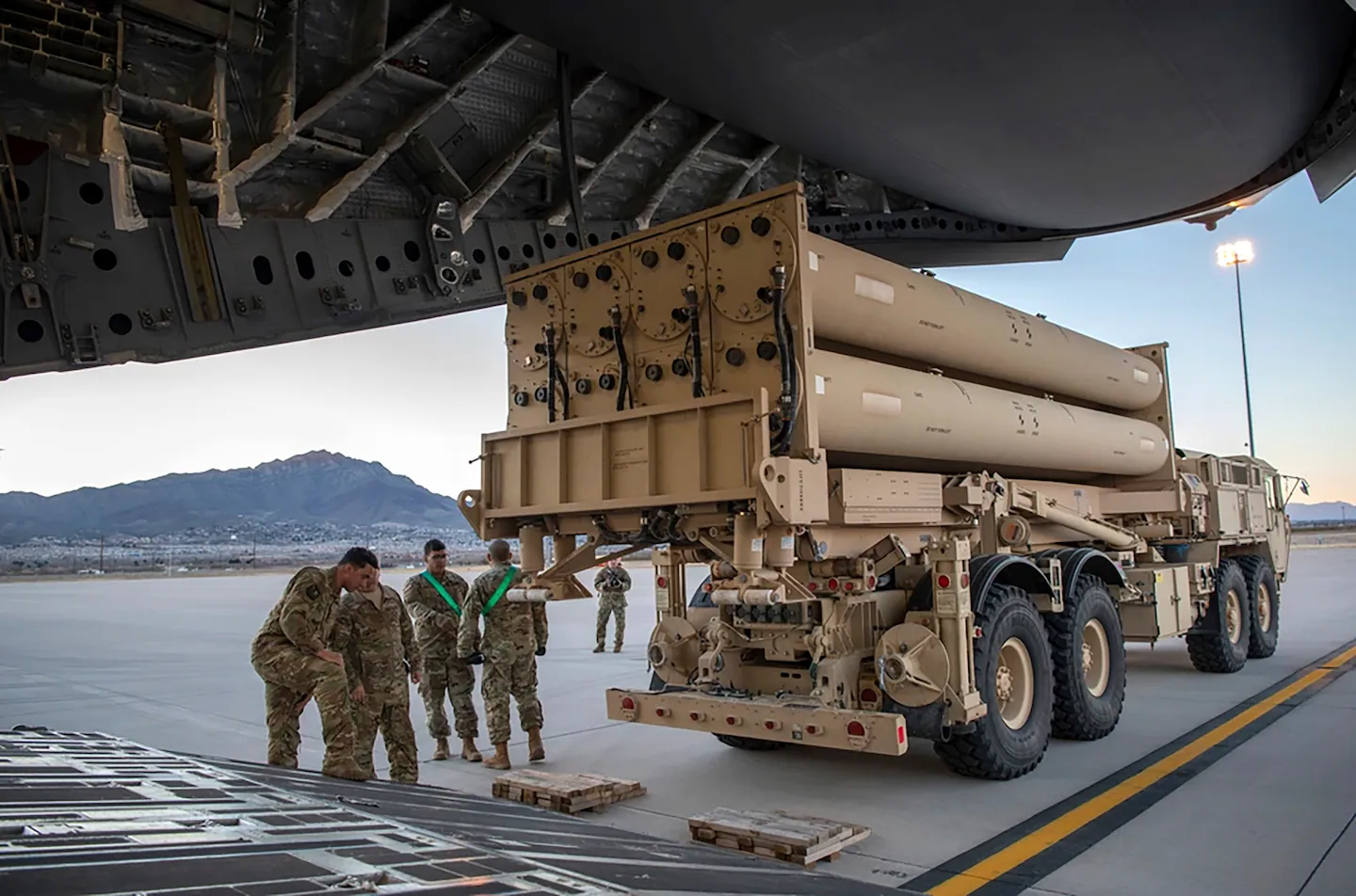
Wherever one stands on the strategic wisdom of the Iran conflict, Iran is not the pacing threat. If a degraded regional adversary can draw down American munitions and interceptor stocks to the point where the president’s options narrow, it should be a national imperative to fill American magazines before other adversaries can exploit the vulnerability.
Congress Returns to a Narrow September Window
The path to success is simple, but it is not easy. When Congress returns in September, it will have only a few weeks to first pass supplemental spending for 2026 and then package, debate, and pass the full 2027 request. Failure to do so will stall military training and readiness, halt momentum on modernization and munitions manufacturing, and damage the economy, all in a geopolitical environment that requires American strength and leadership.