
Turkey-Iran Flights halt until 2027 as Ankara closes Bank Mellat’s Istanbul branch under US pressure. The measures show secondary sanctions can compel compliance even from reluctant allies
The withdrawal of a single banking license in Istanbul would not ordinarily register as a turning point in global sanctions enforcement. But the closure of Bank Mellat’s Turkish branch, followed by the suspension of all Turkey-Iran Flights until March 2027, reveals something more consequential: Washington has found a pressure point that Ankara cannot easily resist. Turkey has long positioned itself as a diplomatic bridge between the United States and Iran, maintaining cordial relations with both while quietly enabling Iranian trade through its financial system. That balancing act is now collapsing under the weight of secondary sanctions.
The designation of Golden Global bank, the liquidation of its funds, and the removal of Mahan Air from Turkish skies are not isolated measures. They form a pattern of compliance driven not by shared strategic objectives but by fear of exclusion from dollar-denominated markets. The paradox is sharp. Ankara continues to speak of friendship with Tehran while systematically dismantling the infrastructure that sustains it. Turkey-Iran Flights were once a lifeline for Iranian elites; they are now another casualty of American financial power. The lesson for Washington is that pressure works when it targets the specific nodes where Iranian commerce touches the global economy. The lesson for Ankara is that neutrality has a price.
Washington Squeezes Ankara’s Financial Lifeline
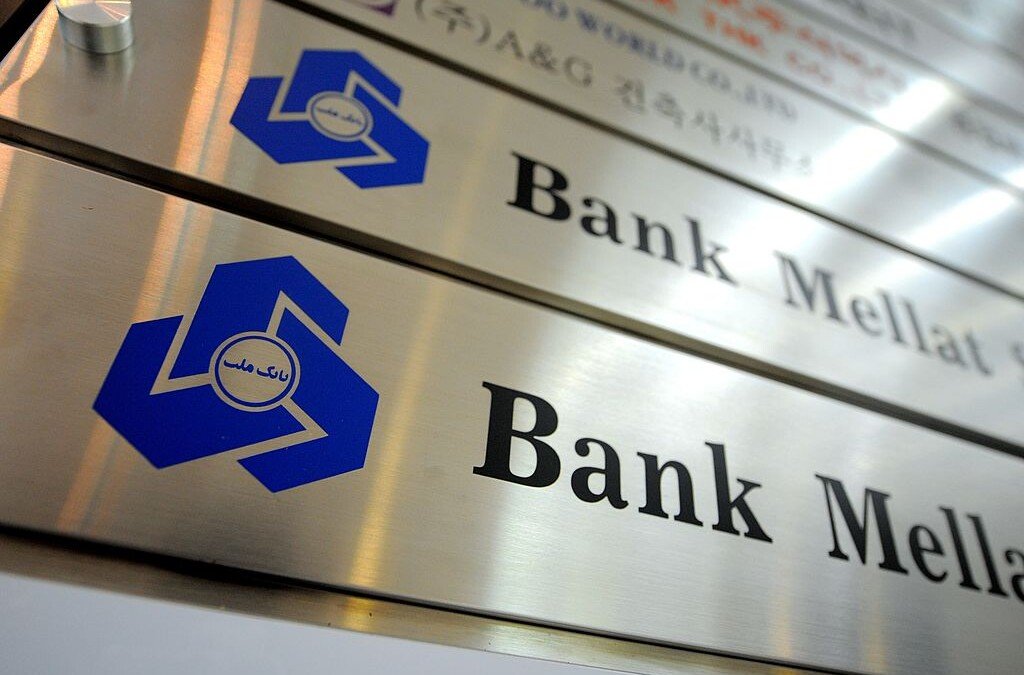
Turkey’s top banking regulator withdrew the operating license of the Istanbul branch of Iran’s Bank Mellat, a major Iranian commercial bank with state ties that has long been subject to U.S. sanctions.
While the announcement did not reference U.S. sanctions on the Islamic Republic, the decision to revoke this license follows the United States designating Golden Global, a small Turkish investment bank, and two of its subsidiaries earlier this September over ties to Iran’s sanctioned Islamic Revolutionary Guard Corps (IRGC). Turkey has since liquidated funds related to that bank and placed it under state control, demonstrating that American pressure can be effective against Tehran’s network of foreign enablers.
These limited financial hygiene measures show Ankara is taking the right steps.
Turkey-Iran Flights Suspended Until 2027
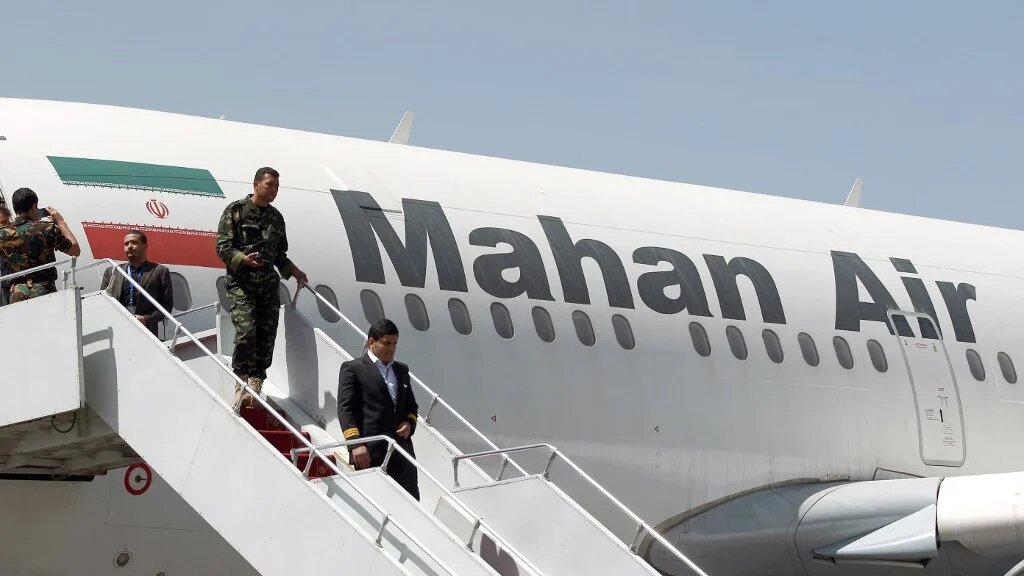
Ankara has followed up on these financial measures by terminating all air transport services operating between Turkey and Iran, thus cutting off Iranian elites’ ability to access worldwide travel. On September 21, Turkey’s national carrier, Turkish Airlines, and budget carriers Ajet and Pegasus Airlines announced the suspension of all flights between the two countries until March 2027. Turkey also announced its decision to terminate the Iranian carrier Mahan Air from flying to Turkey, owing to the carrier’s alleged ties to the IRGC. Although Tehran and Ankara maintain cordial diplomatic ties, Ankara is keen to avoid being subject to U.S. secondary sanctions.
Bank Mellat Is No Low-Hanging Fruit
Bank Mellat is one of Iran’s largest commercial lenders, holding roughly $34.8 billion in assets and settling Turkish-Iranian trade since 1982. Washington designated Bank Mellat in 2007, using counterproliferation authorities for providing services to the sanctioned Atomic Energy Organization of Iran and for moving millions of dollars on behalf of Iran’s nuclear program.
The European Union followed with its own sanctions against the bank in 2010 but waived penalties pursuant to the 2015 Iran nuclear deal. In 2018, Washington expanded penalties against Bank Mellat and subjected the entity to counterterrorism sanctions for financially supporting another Iranian bank funding the Basij paramilitary in Iran. Following the restoration of UN sanctions on Iran after “Snapback,” the European Union and the United Kingdom reinstated their nuclear sanctions on Bank Mellat.

Foreign Branches Sustain Iran’s Economy
Bank Mellat’s foreign branches have traditionally provided the Islamic Republic with a lifeline to the international economy despite Iran’s increasing financial isolation in the past decade and a half. Older annual reports prior to the intensification of U.S. banking and financial sanctions against Iran reveal that Bank Mellat had offices in Armenia, South Korea, and Turkey, with branches not just in Istanbul but in Izmir and Ankara as well.
Bank Mellat has also held ownership stakes in other banks in the United Kingdom, Germany, the United Arab Emirates, and Malaysia. Curbing the foreign footprint and activity of these branches is key to any effort to deny the regime access to hard-currency settlement and will force Tehran to move its trade and bilateral commerce to less efficient, costlier, and informal channels.

Halkbank Precedent Haunts Turkish Banks
As the Trump administration continues to escalate and enforce maximum pressure sanctions against the Islamic Republic’s network of foreign enablers, Turkey should be kept in mind. Despite the overfocus in the media and policy community on China or the United Arab Emirates’ role in sanctions busting, Turkey too has been a critical jurisdiction for Iran to generate revenue and outlast U.S. sanctions in the past. In 2019, Turkey’s second-biggest public lender, Halkbank, was indicted for conducting between $13 billion and $20 billion in financial transactions for Iran from 2012-2016 in a brazen scheme to purchase Iranian fossil fuels, paid for in gold, and structured the scheme to appear as humanitarian trade.
Washington Must Keep Pressing Ankara
Ankara’s more recent determination to comply with U.S. measures was achieved only under the shadow of U.S. financial power. Washington should continue to press Ankara for greater compliance with U.S. sanctions and for more financial hygiene measures that freeze out Iran’s financial lifeline in Turkey.