
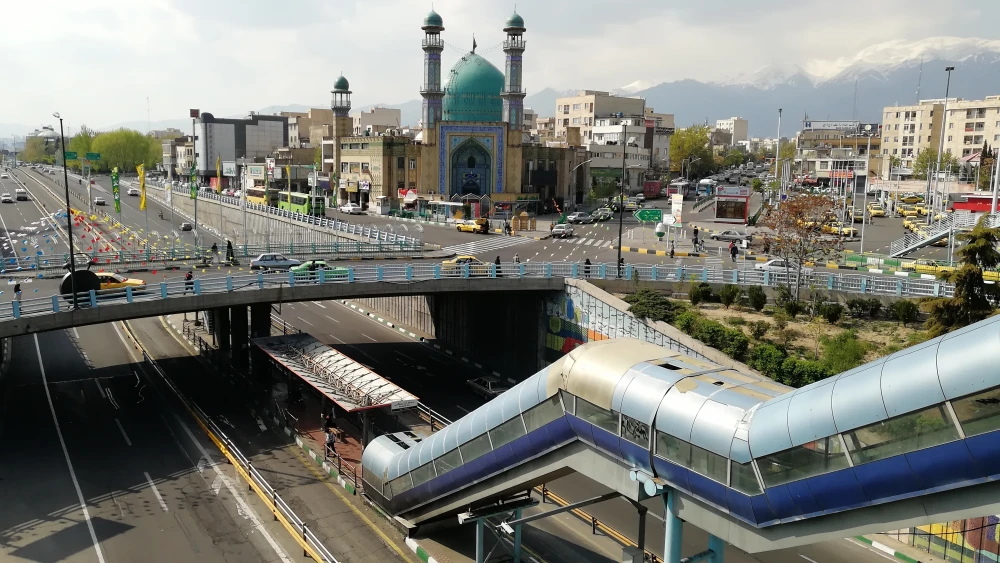
Iran allows critics like Mohsen Namjoo and Masoud Behnoud to return. Tehran seeks a popular base after war, trading social control for unity while risking that past crimes remain unforgiven.
The Islamic Republic’s decision to permit selected critics to come home marks a strategic recalibration after a war that exposed its isolation. The Return of Iranian Exiles, including singer Mohsen Namjoo and journalist Masoud Behnoud, is not an act of generosity but a calculated attempt to rebuild a popular base that the conflict revealed to be dangerously thin. Tehran has compiled a list of more than 100 diaspora figures cleared to return, provided they opposed the Pahlavi monarchy and the U.S.-Israel war. Culture Minister Abbas Salehi praised their courage in defending the regime against opposition abroad, signaling that loyalty, not reconciliation, is the price of entry. This maneuver carries profound risk.
If enough Iranians refuse to forgive past crimes, the gesture exposes weakness rather than strength, and the Return of Iranian Exiles will accelerate the leadership’s loss of legitimacy instead of restoring it. The outcome depends on whether nostalgia and fatigue outweigh memory and grievance among a population that has endured decades of repression. Understanding this dynamic is essential because it reveals how a militarist regime with uncertain leadership tries to manufacture consent when genuine support has evaporated.
Return of Iranian Exiles Begins Quietly
The Islamic Republic is transforming in the post-Ali Khamenei era. One sign is an apparent willingness to allow some opposition members to return to Iran, as long as they have been opponents of the Pahlavis and against the U.S.-Israel war with Iran. The two most prominent cases are singer Mohsen Namjoo and former BBC Persian editor-in-chief Masoud Behnoud.
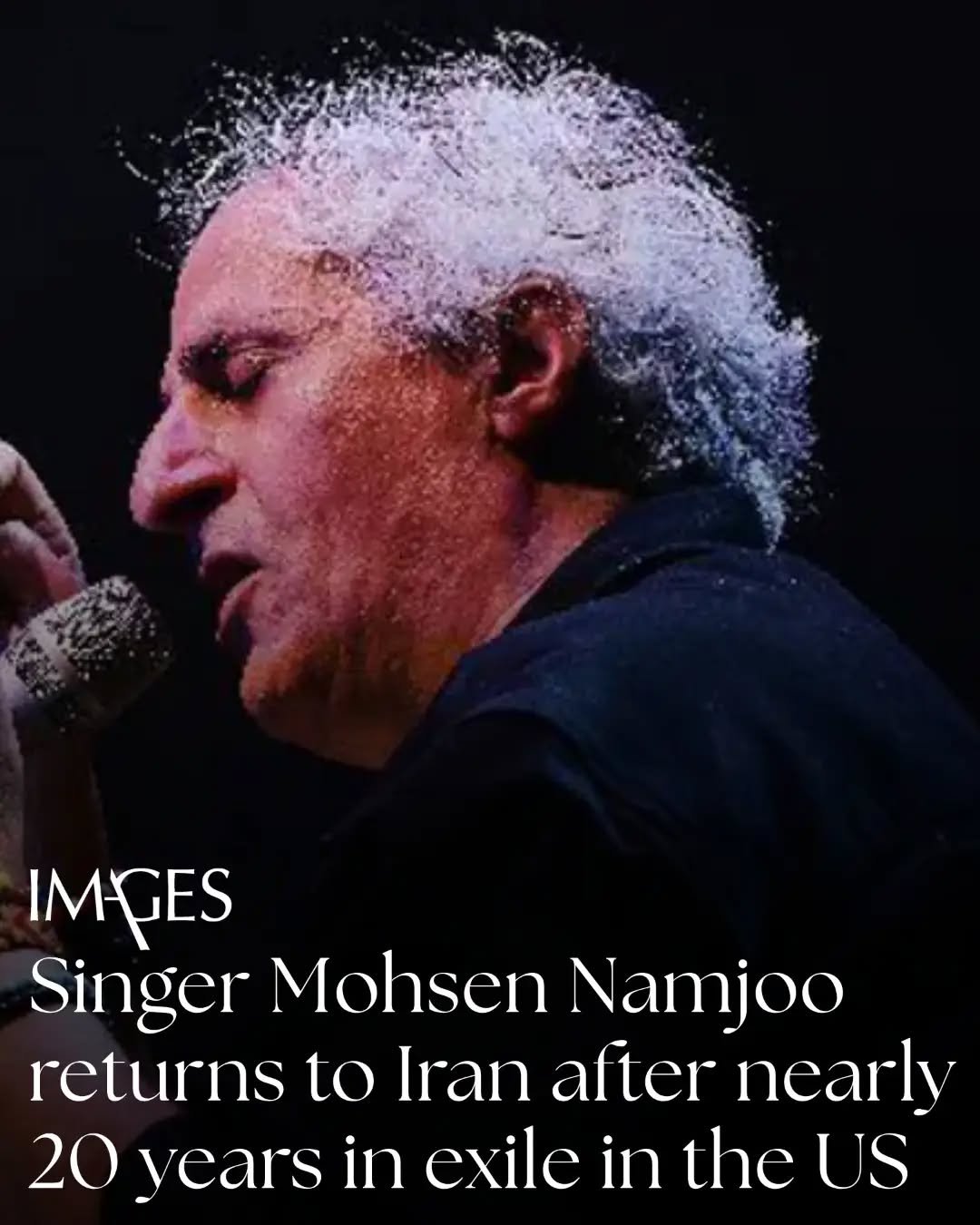
Namjoo Returns After 19 Years
On an Instagram post no longer available online, Namjoo announced that he was on his way back to Iran after nearly 19 years. He said the trip had been arranged so abruptly that the Instagram story was his way of telling his wife about it; he did not identify who arranged the trip.
Namjoo had been a critic of the regime and became a target of regime media. But over the past years, he also became a critic of the faction of the opposition, led by former Crown Prince Reza Pahlavi, that sought to partner with the U.S. and Israeli governments, even recording a song attacking Reza Shah, calling him a bully. He attacked Iranians who supported the war and received praise from regime-affiliated media for it.
Behnoud Also Chooses Return
Behnoud, a reformist journalist who left Iran after imprisonment and became an opposition journalist, also followed a similar trajectory. After the joint strikes that killed Khamenei, Behnoud condemned the attack, falsely calling Khamenei “the chosen leader of the Iranian people,” which received wide coverage in the Telegram channels related to the Islamic Revolutionary Guard Corps. On September 17, 2026, he announced that he would return to Iran after resolving some medical issues.
Regime Loosens Grip on Diaspora
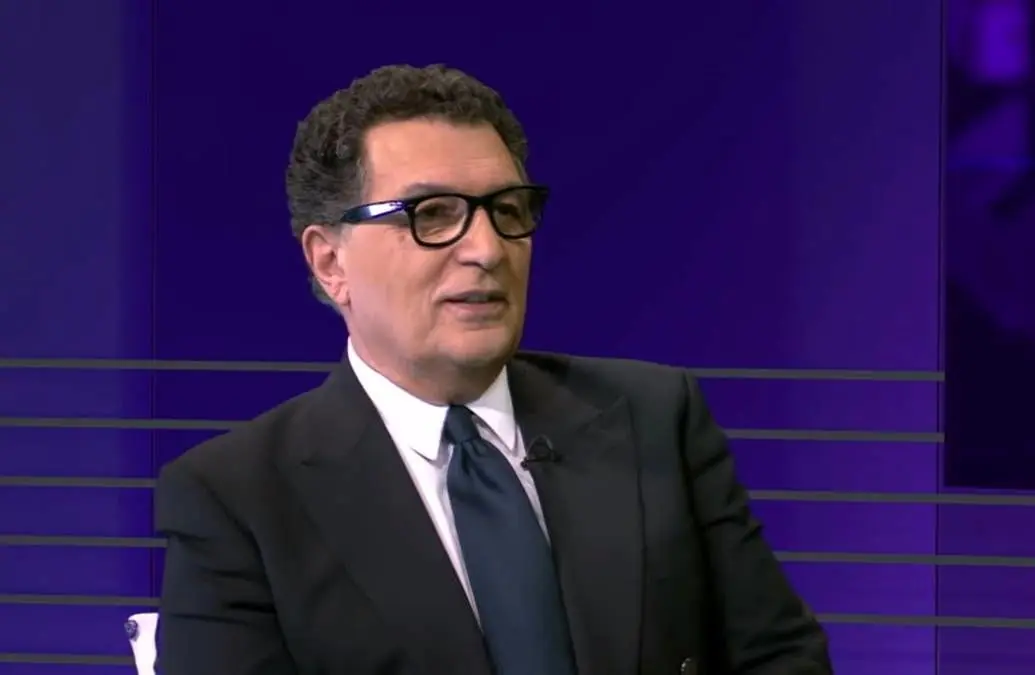
On August 5, 2026, Culture and Islamic Guidance Minister Abbas Salehi said that the regime had compiled a list of more than 100 diaspora members who would be allowed to return to Iran. Among them are religious intellectual Abdolkarim Soroush and Duke University professor Mohsen Kadivar. Mentioning that he disagrees with many of them on a variety of issues, Salehi then praised them for their courage in standing up for the regime against the opposition during the war.
More minor figures such as pop singer Qeysar and influencer Mina Namdari have also returned to Iran. Namdari, who had received the regime’s ire for her revealing clothing on social media, said after her return that she had previously feared that she would be executed upon her return.
War Exposed Regime’s Weak Base
Namdari was right to have such a fear, but the war has changed the regime’s assessment. The war was a result of a lack of a popular base. Since the ceasefire, the Islamic Republic wishes to rebuild that base by loosening its grip on social life. After being appointed to be the secretary of the Supreme National Security Council, Mohsen Rezaei called national unity “a strategic imperative.”
Exiles Become Regime Apologists
This position will incentivize some diaspora figures to become apologists for the regime. Those who miss the homeland and wish to go back now have a reason to defend the Islamic Republic and pay their dues by first influencing public opinion and discrediting the opposition abroad.
Militarist Turn Reshapes Leadership
After the death of Ruhollah Khomeini, the regime transformed from being primarily a theocracy to becoming primarily a military dictatorship under Khamenei’s stewardship. Yet, it maintained its social conservatism to the extent possible. It is an open question who oversees the current iteration of the regime, especially with Supreme Leader Mojtaba Khamenei’s condition unknown—allowing his father’s old enemies and critics to suggest that Mojtaba Khamenei is not the one making the calls. The current leadership is more militarist and less Islamist than Khamenei. It is reasonable to expect an even more aggressive foreign policy to compensate for its increasing secularism.
Return of Iranian Exiles Carries Risks
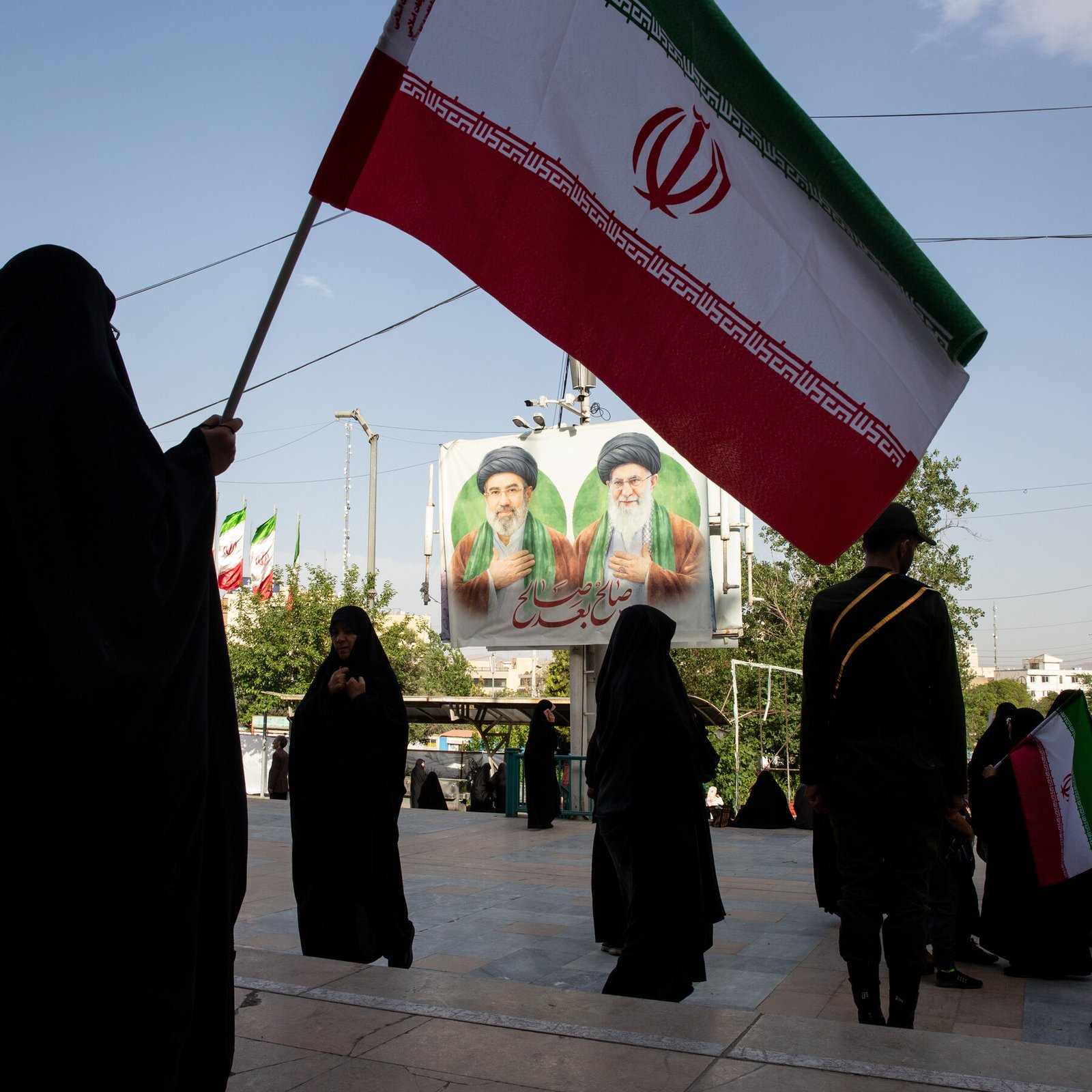
This maneuver might succeed, but its failure will be catastrophic. This idea relies on the assumption that enough Iranians are willing to forgive the regime to make up for its ultra-extremist core that might abandon a largely secular Islamic Republic. That is the best-case scenario for the regime. But it is also possible that the crimes of the regime are just too much for the Iranian people to forgive, and that this move will only cost the new leadership support.