
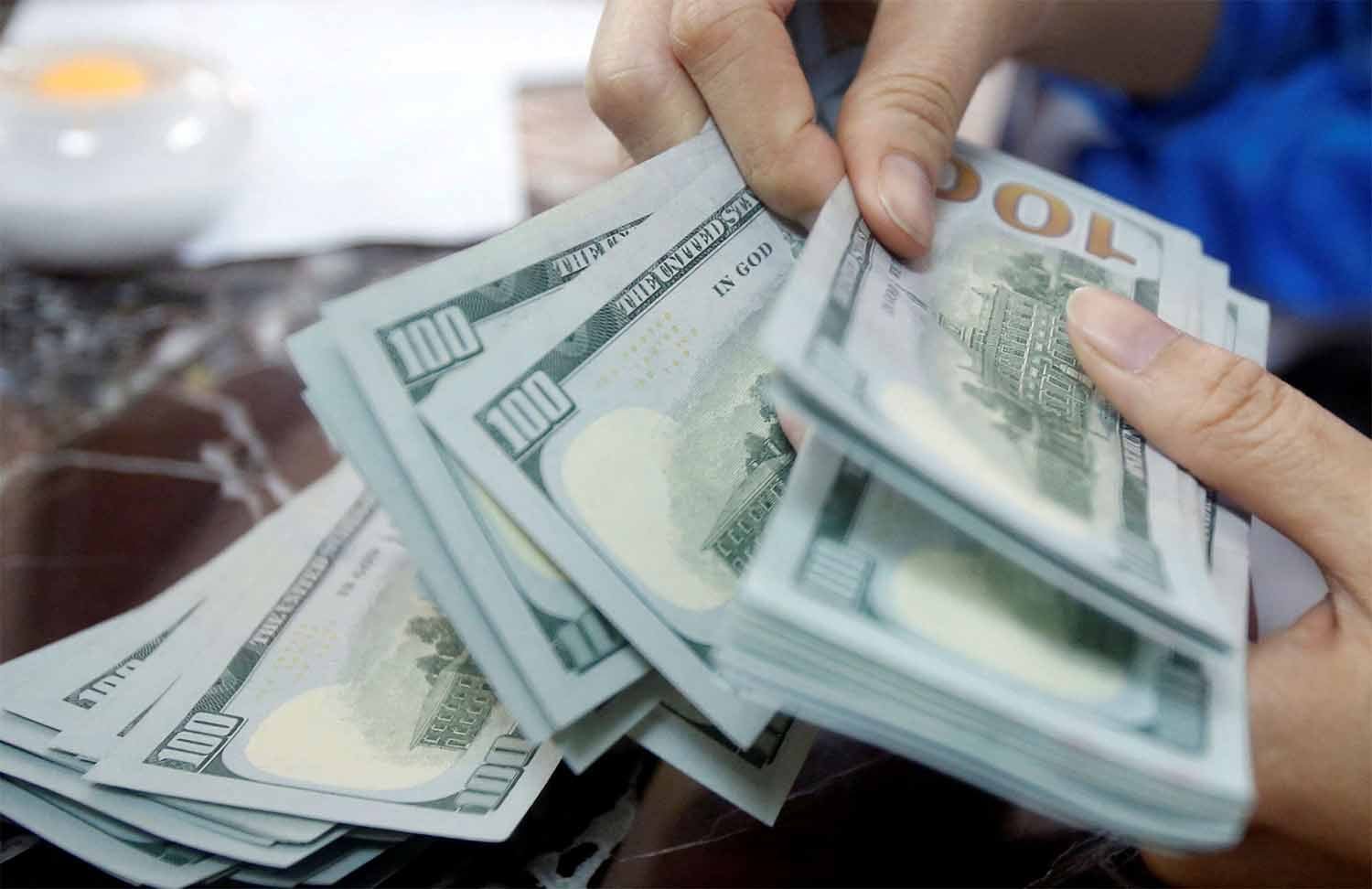
The US dollar is at a crossroads. Long considered the world’s ultimate safe haven and reserve currency, it now faces mounting pressure from domestic policy uncertainty, shifting global capital flows, and structural changes in reserve diversification.
The US dollar, long considered the bedrock of global finance, is under pressure. Once the undisputed safe haven in times of uncertainty, it now faces forces that could push it significantly lower. Recent market trends and policy developments suggest that the dollar’s fall may not be temporary. Instead, the currency’s role and strength could be redefined in the coming years.
A Weaker Dollar in a Changing Global Economy
In early 2026 the dollar weakened against major currencies, with the dollar index — a measure against a basket of other currencies — falling to multi-year lows. This decline reflects not only short-term market sentiment but deeper structural changes.
One major factor is the shift in monetary policy. The Federal Reserve, which once lifted interest rates to combat inflation, has entered an easing cycle. Markets now price in further rate cuts. Lower interest rates reduce the return on dollar-denominated assets relative to other countries. When foreign investors can get higher yields elsewhere, they are more likely to sell dollars and buy other assets.
The narrowing of the interest rate advantage has a direct impact on capital flows. As global investors seek better returns or safer stores of value, demand for the dollar weakens. In January 2026 alone, capital outflows from US Treasury and equity markets increased significantly, reinforcing downward pressure on the dollar.
Safe Haven Status Under Stress
The dollar’s strength has traditionally been linked to its role as a safe haven. In times of financial stress, investors moved money into US Treasuries and dollar assets, driving up their value. This dynamic helped the dollar retain strength during global crises.
Today, that relationship is breaking down. Recent research shows the dollar is no longer strongly correlated with traditional safe-haven assets like government bonds. When equity markets fall, the dollar does not always rise as expected. This undermines the belief that the dollar is a default refuge when markets turn sour.
Furthermore, gold and other commodities are increasingly acting as alternative safe havens. As confidence in the dollar declines, investors are allocating more capital to gold and other stores of value. This trend reflects a shift in risk perception — one that does not place the dollar at the center.
Policy Uncertainty and Domestic Challenges
Domestic issues in the United States are also weakening confidence in the dollar. Political interference in monetary policy, particularly pressure on the Federal Reserve, risks damaging its independence. Central bank independence is critical for maintaining stable inflation expectations and financial credibility.
Some policymakers and investors are openly discussing the possibility of reduced Fed autonomy under political pressure. If markets believe rate decisions are driven by political rather than economic considerations, confidence in US monetary policy can deteriorate. This perception increases currency risk, leading to weaker dollar demand.
Fiscal policy also poses challenges. Large federal deficits and rising national debt raise long-term concerns about the sustainability of US public finances. High deficits mean the government must issue more debt, increasing supply and potentially reducing the value of assets denominated in dollars.
Global Shifts and De-Dollarization
Beyond US policy, major trends in global finance are reducing the dollar’s dominance. Central banks around the world are diversifying their reserves away from the US dollar. Some nations have reduced their holdings of US Treasury securities and increased allocations to gold and other assets.
This gradual de-dollarization reflects broader geopolitical shifts. Countries like China are promoting the use of alternative currencies in trade and finance. While the dollar remains the primary reserve currency, its share of global reserves is declining to levels not seen in decades.
In addition, tariff disputes and trade tensions between the United States and other nations may encourage trading partners to reduce their reliance on the dollar. When trade is settled in other currencies, the global demand for dollars falls.
Market Psychology and Capital Flows
Currency markets are influenced as much by psychology as by economic fundamentals. Expectations of future dollar weakness can become self-fulfilling. If investors believe the dollar will weaken further, they may reduce their dollar holdings preemptively. This behavior accelerates the currency’s fall.
Technical factors also support a bearish outlook. Key support levels for the dollar index have been broken, leading to momentum selling and reinforcing the downtrend.
Implications for the Global Economy
A weaker dollar has complex effects. For the US, it may boost exports by making American goods cheaper overseas. It can also lift inflation by increasing the cost of imported products.
Globally, a softer dollar shifts trade balances and investment patterns. Emerging markets often benefit when their local currencies strengthen against the dollar. At the same time, markets that rely on dollar-denominated debt face higher repayment costs in local currency terms when the dollar weakens less than expected.
Financial markets adjust to changing risk perceptions. If equity markets remain strong while the dollar weakens, investors may favor growth assets over cash and low-yielding bonds. However, if US economic data deteriorates alongside currency weakness, volatility could rise.
The US dollar is at a crossroads. Long considered the world’s ultimate safe haven and reserve currency, it now faces mounting pressure from domestic policy uncertainty, shifting global capital flows, and structural changes in reserve diversification. In this context, the dollar’s decline is not merely cyclical. It reflects deeper changes in how economies and investors view risk, returns, and global leadership in finance.
These forces suggest the dollar may have further to fall. Safe-haven status is no longer a guaranteed source of strength when the underlying economy and policy framework face their own troubles. The dollar’s future will be shaped not just by current policy but by how effectively the United States can maintain confidence — at home and abroad — in its economic and financial institutions.