
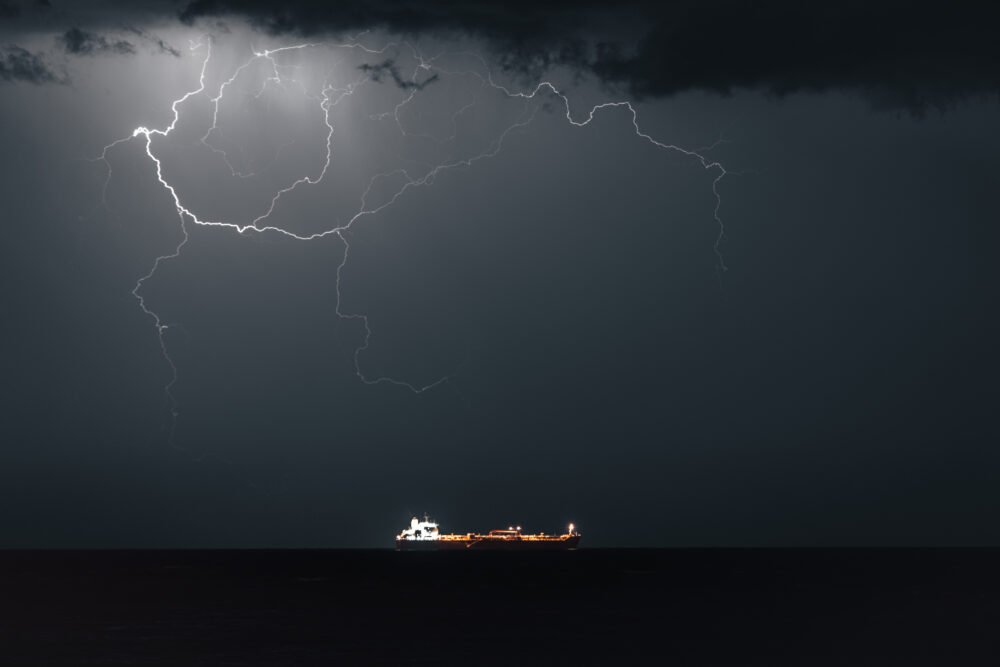
A profound evaluation of the Q1-2026 MENA energy crisis following the closure of the Strait of Hormuz, analyzing shipping chokepoints, critical delays in upstream production restarts, alternative pipeline strategies, and structural shifts toward demand erosion.
The systemic vulnerability of global supply chains has been laid bare by the current maritime chokepoint crisis, shattering long-held assumptions regarding market stability. The sudden closure of the Strait of Hormuz has forced international markets to confront severe structural shocks, completely shifting the baseline for global economic forecasting.
This critical disruption demonstrates that a comprehensive MENA Energy Recap cannot treat tail risk as a mere theoretical vulnerability; rather, it is an active, destabilizing variable capable of reshaping geopolitical alliances and trade networks. Understanding the long-term implications of this landscape requires an updated MENA Energy Recap that reassesses energy dependence and midstream infrastructure resilience across both importing and producing nations.
MENA Energy Recap Triggers Severe Structural Disruption
“Tail risk” generally refers to a low-probability event that, should it nonetheless come to pass, would have consequences far outside the predicted norm. In recent years, three major global economic “stress tests” — the COVID-19 pandemic, the 2022 Russia-Ukraine war, and the regional wars and tensions in the Middle East set in motion by the attacks of October 7, 2023, have all highlighted the impact that tail risks can have. The closure of the Strait of Hormuz, amid the US and Israeli war with Iran, is only the latest such example and, compared to the previous three, will more than likely prove most extreme.
It is notable then that the presence of these risks has done little to bolster resilience to the resulting shocks when they do occur. For years, the idea that Iran would close the Strait of Hormuz in response to an attack from the United States was viewed in this light and frequently dismissed as something that would “never happen.
” Now, as the world moves on from an era in which events like these were seemingly unimaginable, there will be countless lessons to learn for countries that are reliant on Gulf energy supplies as well as those that depend on the income they generate. There will also be numerous lessons for the United States, the impacts of which may still only be in their early stages. While the emergence of the US as a net exporter of oil and natural gas has led some to adopt a degree of indifference around energy price spikes and supply disruptions, rising gasoline prices only point to the early effects of the ongoing outage from the Gulf region.
The first MENA Energy Recap of 2026 explores four such conclusions that can be drawn from the current once-in-a-generation energy disruption, assesses their relevance going forward, and analyzes how policymakers can expect global energy dynamics to shift in their wake.
Upstream Restarts Compromised in MENA Energy Recap Realities
Lesson One: Reopening the Strait Is Only Half the Problem
The closure of the critical waterway that provides the world with around 20% of its oil and liquefied natural gas (LNG) supply is a scenario that has been studied and reviewed for decades. As regional tensions have risen since 2023, debate within energy markets around whether Iran would or indeed could close the Strait of Hormuz intensified. Assumptions that such an outcome would never come to pass have now been shattered, and new dynamics around the status of the strait are unfolding as the conflict evolves. Yet even if this maritime chokepoint were to reopen tomorrow, it would not end the disruption that has cost the world 20 million barrels per day (bpd) of crude oil and refined products.
When tankers stopped loading cargoes of crude oil and refined products and storage capacity filled up, Gulf producers had to begin gradually reducing output at oil and gas fields across the region, in some cases shutting them down entirely. Restarting oil and gas production that has been shut in due to the conflict is not as simple as reopening the valves through which this output flows. Gulf producers will not be able to restore normal production levels until months after the strait reopens — whenever this takes place. As a result, energy prices are likely to remain significantly elevated from pre-war levels well after the conflict ends.
Before US-Iranian tensions started to rise at the outset of the year, crude oil prices were hovering in the low $60 per barrel (bbl) range, with most projections for 2026 expecting relatively subdued levels. As it appeared likely that the expanded grouping of Organization for Petroleum Exporting Countries members and associated oil producers (OPEC+) would eventually continue its supply hikes in a bid to regain market share, most analysts agreed that prices carried mainly downside risks for 2026. After the war began on February 28, however, the outlook for energy markets irreversibly changed for the rest of 2026 — and beyond.
Speaking virtually at the March 2026 CERAWeek conference in Houston, Texas, the largest annual industry event in the United States, Kuwait Petroleum Corporation CEO Sheikh Nawaf Al Sabah told participants that it will take Kuwait three to four months to fully restart production from current levels. Al Sabah is among the few Gulf officials thus far who have given estimated timelines for restarting production, and key structural variables will impact restarts on a country-by-country basis. For instance, countries with greater storage capacity are expected to clear shipping backlogs by drawing on these inventories first before fully resuming exports from production sites, further increasing the expected timeline for reaching pre-war output levels.
A clear timeline for production to resume also assumes that there is no further damage to energy infrastructure in the Gulf between now and the end of the war — a prospect that remains uncertain at best, especially amid reports that US President Donald Trump is seriously considering resuming military operations. Worryingly, President Trump’s repeated threats to attack Iranian energy infrastructure are almost guaranteed to trigger in-kind retaliation from Iran, which has demonstrated a clear willingness to target oil and gas facilities around the Gulf when its own assets have been struck by the US-Israeli air campaign.
While the majority of Iranian attacks as of mid-May have targeted tankers and fuel storage depots, an escalation leading Iran to concentrate on destroying major upstream production facilities could further extend the timeline for Gulf countries to restore output to pre-war levels.
Nowhere are the consequences of this risk clearer than in Qatar, where the liquefaction facilities at Ras Laffan, which normally produce 77 million tons per annum (mtpa) of LNG, were damaged in an Iranian missile strike on March 19. The attack made roughly 3% of the world’s total LNG capacity inoperable, although the plant was already offline due to QatarEnergy’s early March decision to halt production and declare force majeure.
QatarEnergy CEO Saad Sherida al-Kaabi expects that the timeline for repairs to these facilities will be measured in years, not months, with early estimates of annual revenue losses at $20 billion. Attacks on Qatari infrastructure and those of other Gulf states serve as the most extreme examples of the conflict’s impact on the oil and gas sector, and the effects will outlast even the lengthy timelines for restoring damaged production capacity.
Bypassing Logistics to Insulate MENA Energy Recap
Lesson Two: Producers, Not Just Consumers, Can Mitigate Hormuz Exposure
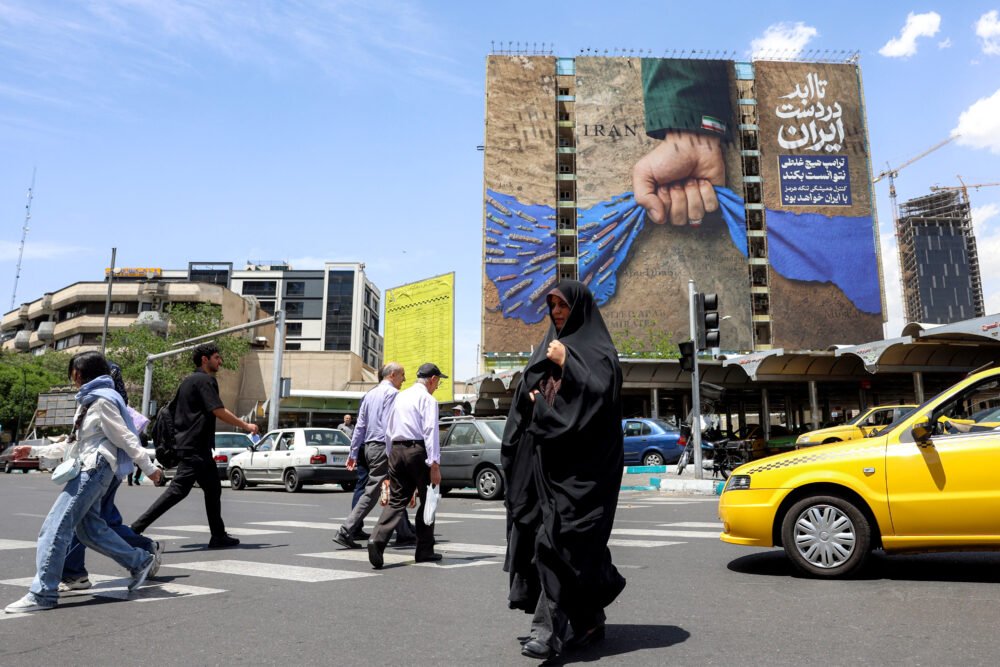
Midstream infrastructure — including pipelines, rail tank cars, and pumping stations — that allows Gulf oil exports to bypass the Strait of Hormuz existed before the war, but it is likely to see a surge in investment once the conflict comes to a close. Although construction and maintenance of redundant export capacity is expensive, the war has demonstrated that the cost of not making such investments is far greater. In March, oil revenue in Iraq and Kuwait suffered a collapse of 76% and 73%, respectively.
These alternative export routes are a credit to the foresight of Saudi Arabia and the United Arab Emirates — both countries developed them years ago and are now using them at full capacity. Yet a major reason Riyadh and Abu Dhabi were able to develop these routes is that they have key geographic advantages other Gulf states lack. Looking ahead, expansion projects will take on a new importance.
Prior to the war, the Abu Dhabi National Oil Company (ADNOC) was already advancing a new pipeline linking its output in the Gulf to Fujairah, which upon completion would enable it to continue exporting at full volumes while bypassing the strait. Saudi Arabia can be expected to follow suit, but regional peers will struggle to find the most viable options to escape their “prison of geography.
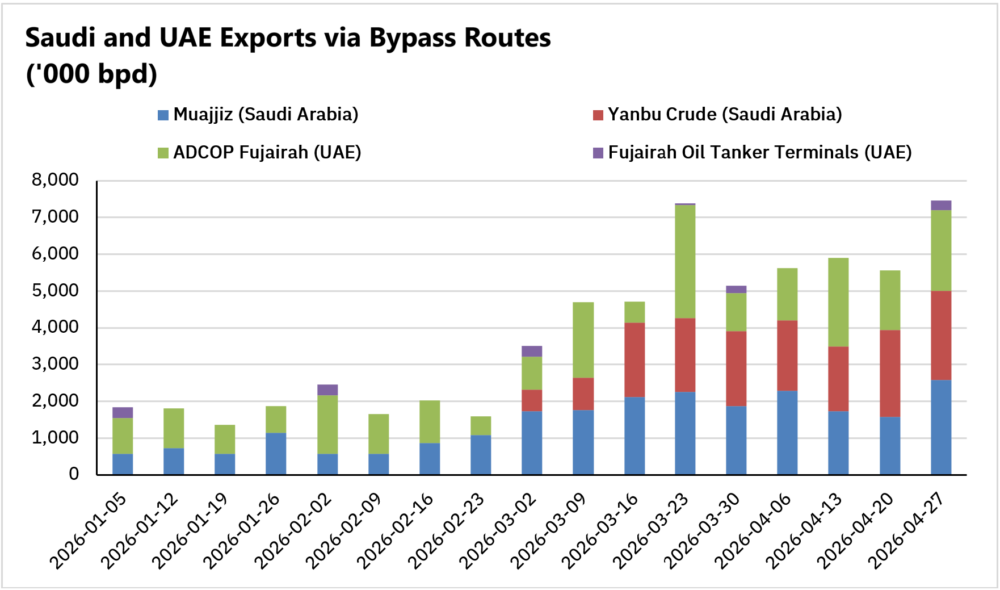
” Saudi Arabia and the UAE were able to mitigate the conflict’s impact on their economies by redirecting exports through overland pipelines to key terminals that bypass the Strait of Hormuz. While the war is still projected to take a considerable toll on the economies of both countries, they are expected to fare far better than those whose exports are totally cut off by the strait’s closure.
For Saudi Arabia, its 7 million bpd East-West Pipeline has enabled it to sustain exports of around 5 million bpd through the Red Sea via terminals at Yanbu and Muajjiz. The UAE maintain exports of its flagship Murban crude via the 1.8 million bpd ADCOP pipeline, which links oil production in Abu Dhabi to the port of Fujairah, on the Gulf of Oman, already a key oil trading hub. While the pipelines supporting these alternate export routes lack the capacity to replace every single barrel that can no longer be shipped through the strait, they remain critical economic lifelines for Riyadh and Abu Dhabi, and the major spike in crude prices further softens the impact of selling lower volumes.
What remains less certain is the future of other Gulf states that do not have access to alternative export routes. In theory, Iraq and Kuwait — the two other largest Arab Gulf oil producers — both have options for new routes that reduce dependency on the Strait of Hormuz, but the ability to exploit them is still questionable. Iraq’s recently opened Iraq-Turkey Pipeline (ITP) remains underutilized; but even if Baghdad were to take full advantage of its available capacity, it would still fall well short of what is necessary to replace volumes that can no longer be exported by sea. To be sure, Iraq has wasted no time in at least signaling an intent to develop other possibilities.
Only time will tell, however, if it can sustain the urgency of the moment to develop new export routes after the war ends. Additionally, Tehran may use its influence in Iraq to push back against construction of additional bypass routes that would reduce its leverage from closing the strait again in the future. Should Baghdad manage to develop new routes though, it will be one step toward overcoming a long record of missed targets and shelved projects that have come to characterize its oil sector.
Finally, Kuwait, which before the war produced nearly 2.6 million bpd of crude oil and exported about 1 million bpd of refined products, has no access to bypass corridors of any kind. The country is not at a total disadvantage though.
Its oil sector showed new signs of life in the months leading up to the US-Israeli-Iranian conflict, having recently reversed years of crude capacity losses and indicating a greater role for international participation in an upstream sector that had long been closed to outside investors. Its passage, in May of last year, of a new debt law, which finally allowed it to tap international debt markets after being unable to do so since 2017, will be an added advantage that could help it secure financing for new projects.
But for Kuwait, geography will remain the key disadvantage to overcome. Its only real choices for export routes that avoid the Strait of Hormuz run through Iraq and Saudi Arabia. The latter seems more feasible, but in a region with a history of more cross-border energy project failures than successes, there will be considerable precedent to overcome here as well.
Domestic LNG Export Vulnerabilities Heighten MENA Energy Recap Risks
Lesson Three: LNG Demand Means Hormuz Risks Are Here to Stay
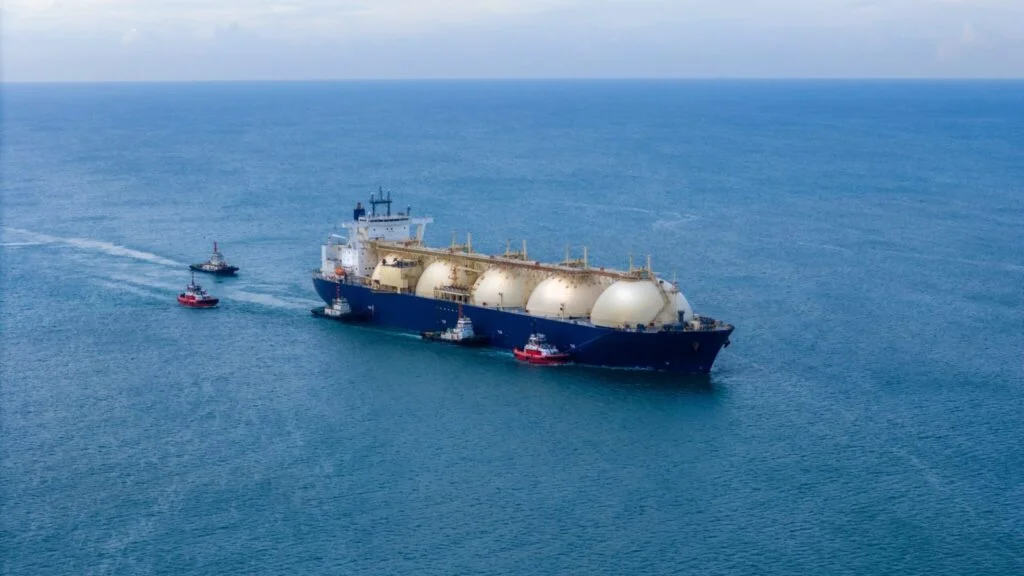
Qatar is totally dependent on the Strait of Hormuz to supply global markets. Unlike for oil, alternate export routes for natural gas — and particularly for LNG bound for far-flung destinations — are far harder to develop. Future conflict-related risks in the Gulf thus hold the potential to turn a near-term chokepoint shock into a long-term LNG supply problem. Alternative export options for QatarEnergy’s existing 77 mtpa of LNG capacity would require construction of high-volume gas pipelines along with time- and capital-intensive redundant liquefaction capacity in a neighboring country. This makes any near-term development of bypass routes for Qatari exports highly unlikely.
With gas demand set to rise sharply in the coming years, driven by electrification, data centers, and global population growth, sidelining Qatari resources will only mean more expensive energy at a time when the world can ill afford it. The International Energy Agency (IEA) forecasts global natural gas demand growth of 8.4% by 2030, meaning there is no substitute for gas as a major component of the global energy mix — even with a major push for diversification to include other sources like renewables, nuclear power, and coal. Multiple projections on the future of gas demand growth notwithstanding, the consensus is that the trajectory is only upward, which cannot be said for oil over the same period.
Prior to the war, Qatar was in the process of carrying out a three-phase mega-project that would see its LNG production capacity double by the end of the current decade. This means that volumes from Ras Laffan was expected to account for roughly 25% of the global LNG market by 2030, underscoring the indispensable role of Qatari supply in a growing market.
While some of the region’s oil producers have the option of building pipelines to provide new export routes or expanding existing ones, that is not possible for Qatari LNG. Unlike Saudi Arabia or the UAE, Qatar’s geography does not allow it to construct liquefaction capacity outside of the Strait of Hormuz. And whereas Saudi Aramco and ADNOC have invested in LNG assets abroad, Qatar has a massive national resource base that supports its LNG exports.
While it does maintain one major international LNG asset (the US-based Golden Pass LNG project), investment in overseas capacity would do nothing to support the monetization and export of its domestic gas reserves.
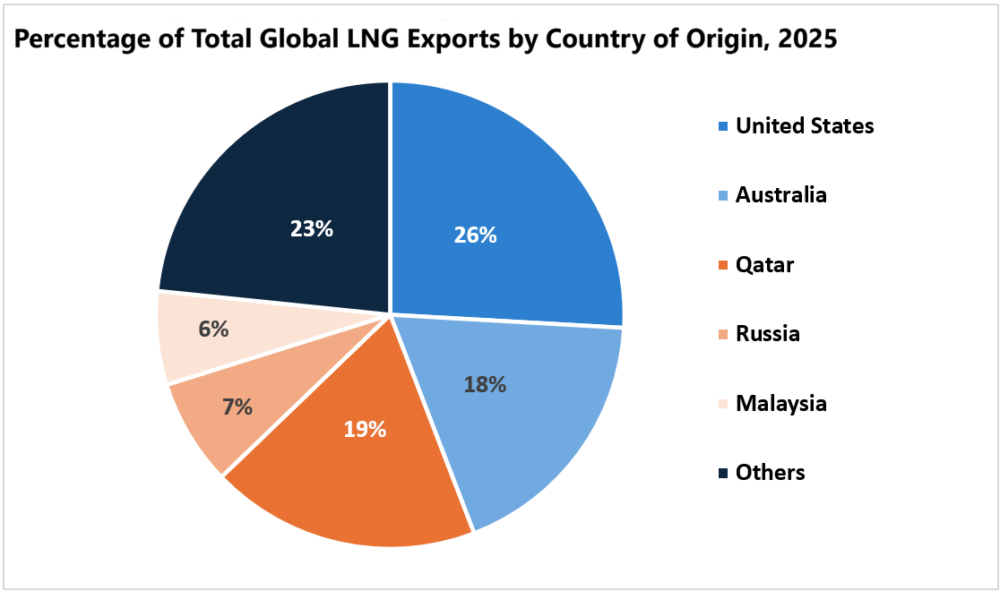
Unless the conflict ends with a durable resolution that significantly reduces the likelihood of future disruptions to the strait, the longer-term outlook for global gas markets will remain uncertain.
Eighty-eight million tons of annual LNG capacity is set to emerge outside the Gulf in 2026-27, but this does not represent a net gain if Qatari volumes remain inaccessible. And even though US LNG supply increases are expected to account for a significant portion of this non-Gulf growth figure, the loss of Qatari gas does not portend a brighter future for American suppliers
. Extreme supply shocks that result in price spikes are, as discussed below, more likely to lead to demand erosion or eventual demand destruction than theoretical long-term benefits from the marginal loss of a competitor’s supply. The risk, then, is clear: safeguarding the stable flow of maritime traffic after the war ends will remain a critical component of global energy security for major LNG consumers every bit as much as it will for oil consumers.
Fuel Efficiency Strategies Counterbalance Ongoing MENA Energy Recap Concerns
Lesson Four: Carter’s Ghost May Haunt the Gulf Again
Among the most significant foreign policy legacies of President Jimmy Carter’s administration is the Carter Doctrine, though its relevance has been increasingly debated in recent years. For oil and gas markets, however, another Carter-era priority may prove more consequential in the period ahead: promoting more efficient energy use.
Under President Carter, energy efficiency policies were a key component of the US government’s response to the 1970s oil shock. Where diversification away from oil and gas consumption is not possible for any number of reasons, consumer countries may seek to adopt policies that promote more efficient energy use in order to reduce their exposure to future supply disruptions. In the coming years, Gulf producers will undoubtedly track and study any such policy shifts in key economies they have long viewed as dependable growth areas for oil and gas demand.
However, this broader dynamic may impact all producer countries in the future; so the US would ignore any such new developments at its own peril. Countries hit hardest by the Strait of Hormuz’s closure, particularly emerging markets in Asia, will likely seek ways to reduce their exposure to potential disruptions of this scale in the future. In large part, this will likely involve policies aimed at reducing oil and gas consumption. To accomplish this, consumer countries will pursue multiple ways to diversify their energy mixes, with greater support for policies targeting energy efficiency likely playing a key role.
For now, short-term responses to the crisis have taken priority. The IEA has made multiple recommendations to consumer countries aimed at reducing their overall energy consumption and preventing shortfalls. These include measures such as reducing traffic congestion through number-plate rotation schemes (and thus lowering overall fuel consumption), diverting use of liquefied petroleum gas (LPG) from transportation applications, and promoting work-from-home options in both public and private sectors.
While these measures can all be effective to the degree that they can be enforced, they are also likely to result in lower levels of economic activity wherever they are implemented and, as a result, cannot be viewed as sustainable long-term solutions. Increasing energy consumption efficiency, however, is a long-term measure that can boost resiliency to supply shocks over extended periods of time.
Perhaps one of the most notable examples of this approach in emerging economies, which are widely seen as the most viable growth centers for oil and gas demand in the coming years, is India’s move to adopt Corporate Average Fuel Economy (CAFE) standards. CAFE standards were first introduced during the Carter administration through the signing of the Automobile Efficiency Act of 1980, partly designed to reduce American dependence on imported oil and thus its future vulnerability to foreign embargoes. In fact, India’s adoption of tighter CAFE standards is directly linked to the ongoing crisis, and this should be regarded as a beginning of what may become a range of similar moves across emerging economies.
Outlook for Q2-26
Whether or not the war continues for the entirety of Q2, its impacts will linger for months, if not longer, and take a major toll on global growth in 2026. As of now, some projections expect the Gulf supply shock to eliminate almost all global oil demand growth for 2026. Nevertheless, prices are likely to remain elevated until the regional oil and gas supply can be stabilized.
As a result, the outlook for Q2 does not point toward a dramatic improvement in the situation, given how long it is likely to take for Gulf production to resume in full, along with the numerous obstacles to restoring maritime traffic. However, the region’s oil and gas sector is attempting to adapt to the circumstances and show signs of life: ADNOC’s announcement of $55 billion in new awards is the strongest such example to date. The development of new supply chain routes is likely to receive increased attention alongside the construction of alternate oil export routes, as well.
What this crisis has made clear is how closely the Strait of Hormuz is linked to the energy security of every country that participates in the global economy — including the United States. The US is relatively more shielded but certainly not isolated from disruptions in the Gulf. Being a net energy exporter does not make a country “energy independent,” a status that almost no country has ever been able to achieve in the modern era.
The surge in domestic gasoline prices is the most obvious effect of the US-Israeli-Iranian conflict and one whose impact Americans will feel more severely as summer driving season approaches at the end of May. Yet while US consumers enjoy some insulation from the energy price spikes that are felt more severely elsewhere, US energy exporters are not immune from risks either.
The US’s emergence as a net exporter of oil and natural gas has led to something of a self-serving mentality when energy prices are high. To be sure, high prices benefit US energy firms in the short term, but this neglects the bigger picture. Crises such as this one result in high prices that depress oil and gas demand in the long term. As noted in Lesson Four, if anything, they incentivize efforts to improve energy efficiency and diversify energy sources. This will not support the Trump administration’s hydrocarbon-centric “energy dominance” agenda, especially given the reduced US focus on low-carbon sources of energy that ultimately represent the alternative to oil and gas.