
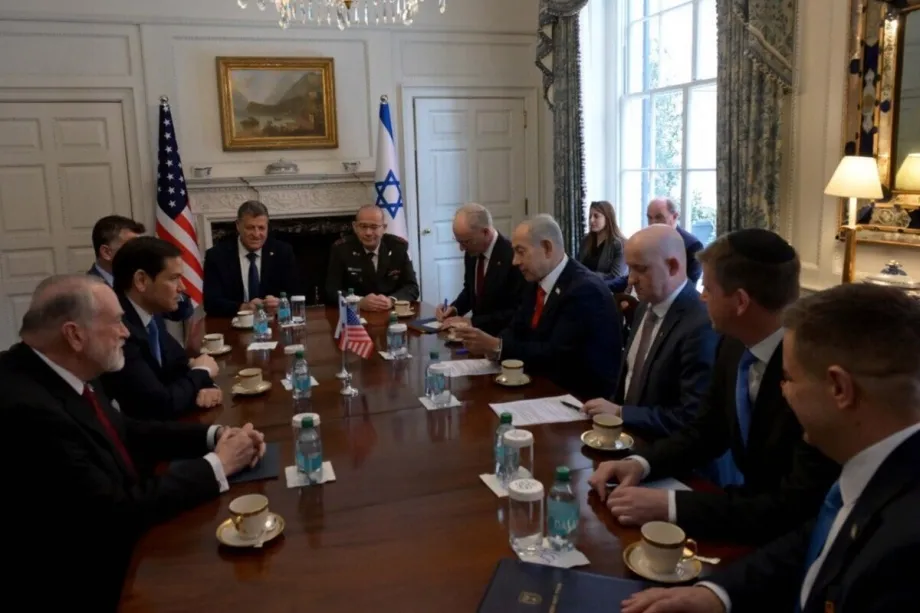
Israel’s pressure turns every US‑Iran diplomatic window into a domestic loyalty test. This 60‑day ceasefire deal may collapse not because Tehran refuses, but because pro‑war actors treat any pause as weakness requiring immediate escalation.
Israel’s pressure has transformed routine diplomatic bargaining into a high‑stakes endurance test for Washington’s foreign policy apparatus. No ceasefire or nuclear track survives long when Israel’s pressure functions as an unofficial veto, forcing American presidents to negotiate with Tehran while looking over their shoulder at a third party’s red lines.
Israel’s pressure shifts the battlefield
A deal with Iran is never allowed to be just a deal with Iran. That is the first rule of Washington politics. The moment a diplomatic opening appears, another conversation begins behind it: what will Israel accept, what will the lobby tolerate, and how far can any American president go before the word “appeasement” is thrown across the room?
That is where US policy stands today. A 60-day understanding to extend the ceasefire, reopen the Strait of Hormuz and start a harder nuclear track has moved close to the point of decision. Trump has gathered his national security team in the Situation Room to weigh the agreement. By Saturday, his defence secretary was already warning that the United States was keeping military options ready if the talks failed. The offer sounds like peace, but the engine of war is still running outside the room.
No one should pretend this is normal diplomacy. It is diplomacy under guard. Iran is being asked to reopen a strategic waterway, enter further negotiations and accept the threat of renewed attack as background music. Washington calls this leverage. Much of the region hears something else: sign what we can sell at home, or the bombing can begin again.
The trouble is that “home” in this case does not mean only American voters. It also means a political class trained to treat Israel’s discomfort as a veto. That is why the emerging agreement has immediately become a test of strength inside Washington. Not the strength to strike Iran; that has never been in doubt. The harder test is whether the White House can resist the people who see every pause in confrontation as a mistake waiting to be corrected.
When Israel’s pressure becomes visible
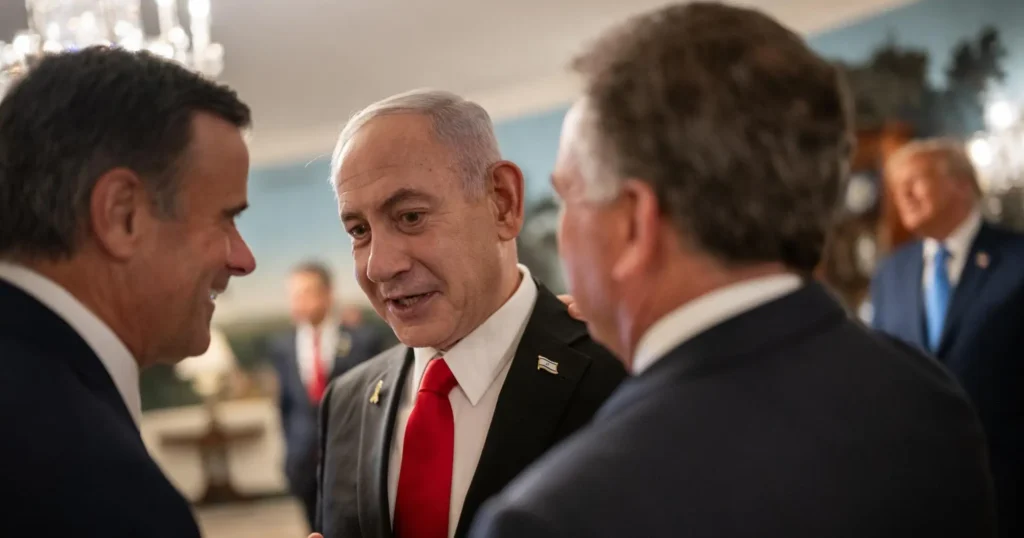
Israel’s unease has been unusually visible. The emerging deal has reportedly pushed Israel towards seeking guarantees from Washington rather than claiming outright victory. That phrase says more than it intends. A ceasefire that keeps ships moving and lowers the risk of a wider regional war is not being judged by whether it saves lives. It is being judged by whether it leaves Iran with enough independence to negotiate on its own terms. If it does, then for many in Israel’s security establishment and its circle of American allies, the deal is already suspect.
This is the old trap. The terms of success keep moving. First Iran must be pressured into talks. Then it must accept stricter conditions. Then those conditions must be backed by military threats. Then Israel must retain freedom of action. Then Congress must be reassured. Then donors must be placated. By the time every audience has been satisfied, what remains is no longer diplomacy. It is a document designed to survive everyone except the country expected to sign it.
There is a difference between an imperfect agreement and a dangerous illusion. The imperfect agreement is what appears to be on the table: a temporary pause, a reopened strait, future nuclear talks and some room for both sides to step back.
The cost of ignoring Israel’s pressure
The Strait of Hormuz has stripped the debate of its abstraction. When that waterway becomes a pressure point, the cost does not remain in diplomatic cables. It moves through oil markets, shipping insurance, food prices and the budgets of families who have no say in the war plans being drawn up for them. The blockage of the strait has become one of the most contentious elements in negotiations to end the war, as Crisis Group has explained. A deal that reduces that pressure is not a gift to Tehran. It is a relief valve for everyone who would otherwise pay for another round of escalation.
Yet the pro-war argument always finds a moral costume. It speaks of security, deterrence and credibility. It rarely speaks plainly about the lives that would be crushed if diplomacy collapses. Nor does it admit how often the language of prevention becomes a cover for keeping the crisis alive. For Israel’s hardliners, a calmer Gulf is not necessarily reassuring if Iran remains politically intact. For Washington’s hawks, a negotiable Iran is less useful than a threatening one.
It makes escalation sound responsible and restraint sound naive. It turns diplomacy with Iran into something a politician must survive rather than something the country should pursue.
Israel’s pressure tests the final decision
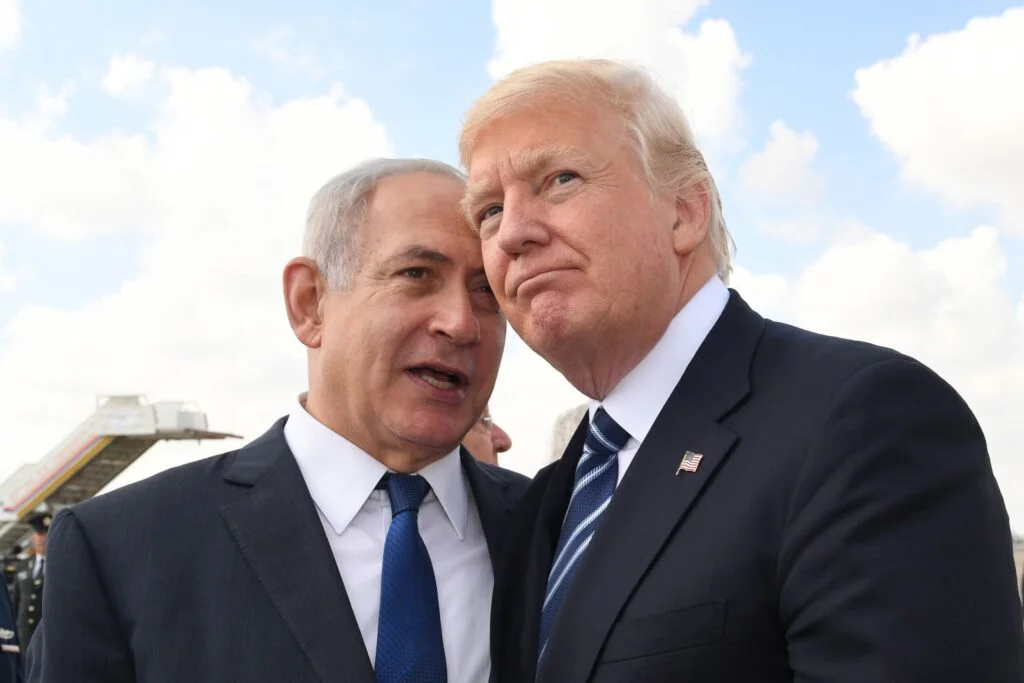
The pressure is already visible. Trump’s emerging proposal has drawn criticism from Republicans who want a harder line, while reports from Washington and Tehran still show how far apart the public narratives remain. That gap matters. It gives opponents of diplomacy space to claim that any compromise is confusion, any pause is weakness and any concession is betrayal.
This is why the coming decision matters beyond the text of any memorandum. If Trump approves a deal only to let Israel and its allies rewrite it through pressure, threats and conditions, the agreement will begin life already wounded. If he rejects it because the lobby calls it weakness, then the next escalation will not be an accident. It will be the predictable result of a system that gives war more guardians than peace.
Washington now has a narrow opening. It can treat diplomacy as a serious instrument, not as an interval between air strikes. It can accept that a workable deal will not look like victory for every lobby, every donor and every war cabinet. Or it can do what it has done so often before: demand the impossible, blame Iran when the possible disappears, and call the return to conflict unfortunate.
If this chance for diplomacy is lost, the story will be told as another failure of talks with Tehran. That would be too convenient. The more honest version is harder for Washington to face. Diplomacy with Iran may fail not because it was tried, but because too many powerful actors were never willing to let it breathe.