
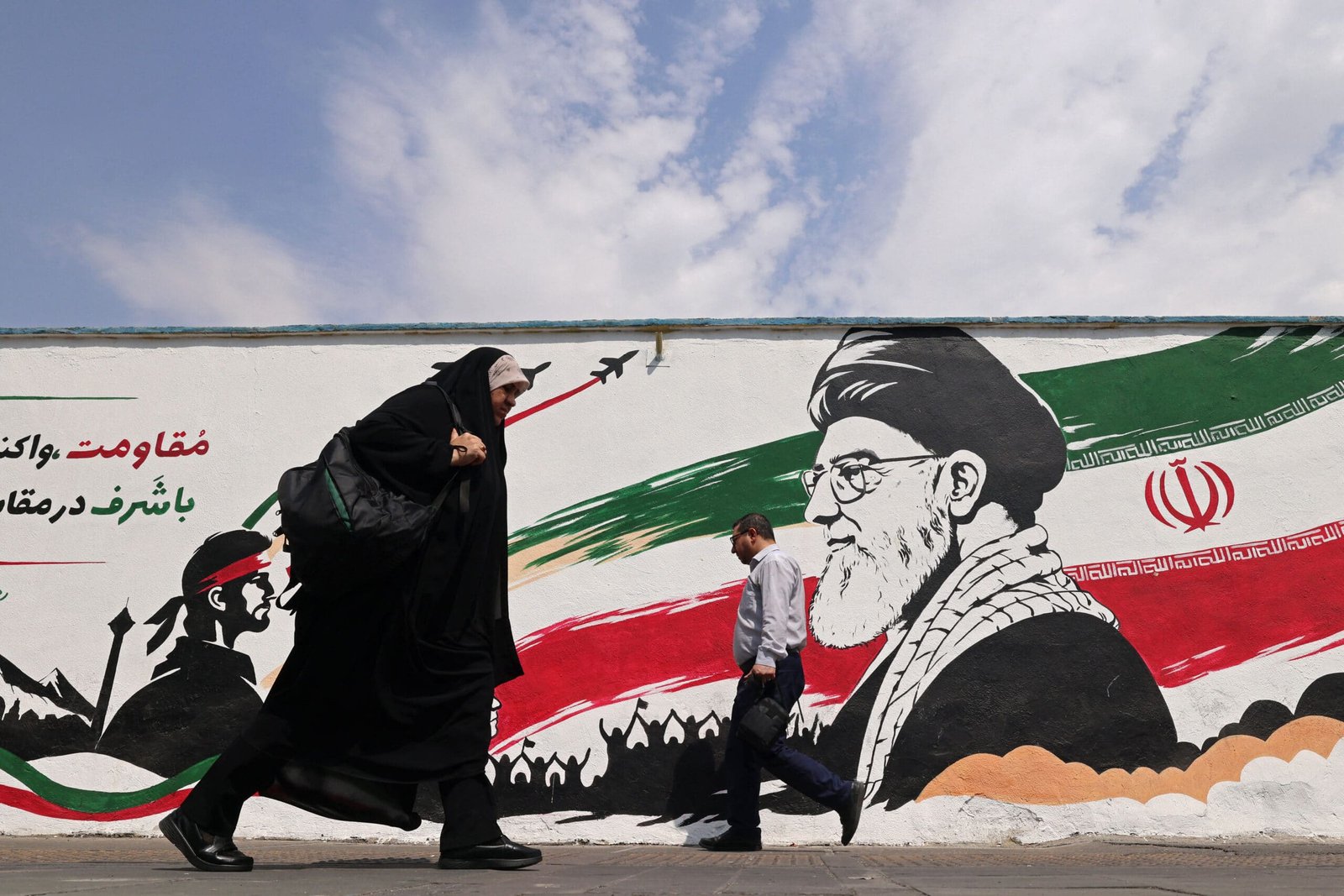
Iran’s regime relies on oil revenue and paid enforcers, not ideology, to survive. U.S. strikes and sanctions imposed costs but avoided destroying oil facilities or seizing uranium, leaving the regime’s payday intact.
The Islamic Republic’s endurance rests less on ideological conviction than on the material capacity to pay enforcers who suppress dissent. Iran Oil Revenue, and the expectation that future sales will resume, underwrites the salaries, weapons, and proxy networks that keep the clerical leadership in power. Limited U.S. strikes and sanctions have imposed costs, but they have not destroyed the oil infrastructure or seized the enriched uranium stockpiles that would threaten the regime’s survival.
Washington has also avoided confronting China and Russia, reinforcing Tehran’s claim that the revolution deters the superpower. As long as security forces believe payment will continue, they are likely to remain loyal through the next protest wave. The mullahs interpret America’s restraint as weakness and bet that electoral pressure will force an early end to the conflict. Breaking this cycle requires either sanctions severe enough to sever the promise of future oil wealth or a military resolve that convinces the enforcers their payday is finished. Iran Oil Revenue remains the central lifeline, and until it is cut, the regime will persist.
Coercion, Not Faith, Sustains Tehran
Iran’s ruling ideologues are murderous and resilient. The Trump administration’s limited military strikes and efforts to “sever every economic lifeline that sustains” the regime are commendable. Yet the thugs in charge won’t abandon their most cherished goals until they fear being unable to suppress the next round of riots by angry Iranians. As long as their hired enforcers believe payment will resume when the government next outwits Washington, Tehran’s negotiators can hew to a hard line.
Coercion, not ideological fervor, buoys the Islamic republic. To sustain an unpopular regime, the core believers recruit thousands of trigger-pullers who brutalize civilians. They also pay regional proxies, in cash and in weapons, to intimidate foes and to spread an image of a hegemonic Iran. The domestic opposition calls them “mercenaries.” They don’t come cheap. Oil — and crucially, the promise of future oil revenue — greases the empire.
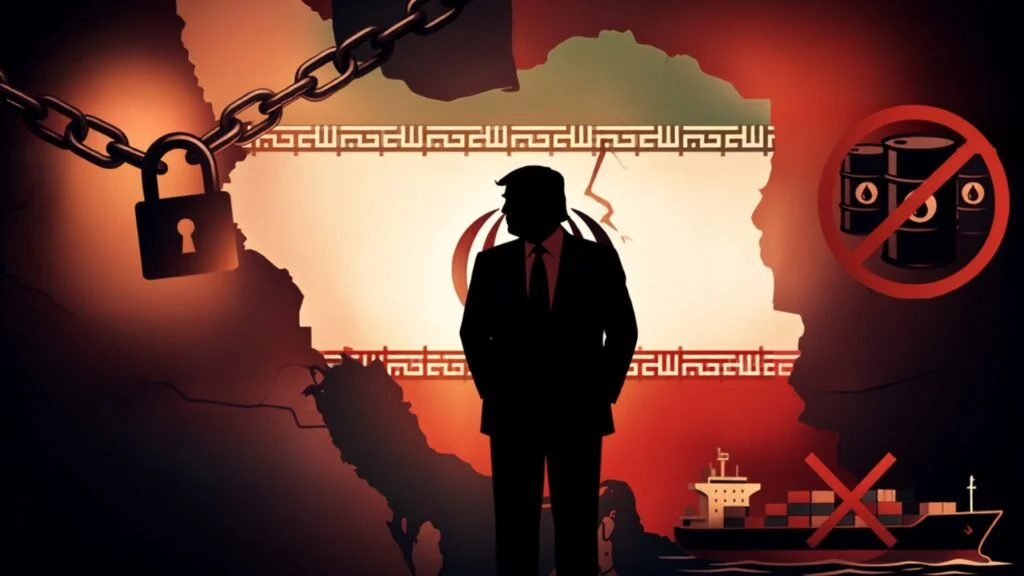
Iran Oil Revenue Greases the Regime
Accumulating economic pain will no doubt swell the public’s distress. So long as the enforcers expect the pressures to pass, however, the ayatollahs can count on most of them to stay and slay. That isn’t a bad bet. The regime has always escaped the American vise. It tells its underlings that regional and domestic electoral pressures will push President Donald Trump to seek an early end to the conflict.
The regime’s supporters are likewise reassured by steps that Washington hasn’t taken. The U.S. military hasn’t destroyed Iran’s major oil production and export facilities, as the Allies did to Germany and Japan in World War II. U.S. sailors have escorted tanker traffic through the Strait of Hormuz, but that effort has been nowhere near the scale of the operation President Ronald Reagan ordered in the 1980s. Ground troops haven’t seized the coastline or the regime’s enriched uranium stockpiles, much as the United States was willing to do in Kuwait and Iraq in the 1990s and early 2000s. America hasn’t bearded Iran’s patrons, China and Russia, either.
Forgoing such measures validates the regime’s boasts that Shiite forces — their vaunted missiles, drones and fervent fighters — scare off Gulf neighbors, Western economies and U.S. soldiers. Be resolute, the clerics maintain, for the Islamic revolution deters the Satanic superpower. They encourage their legions to believe that the regime, if endangered, could simply offer more vague compromises and lies, and that a desperate America would accept them. Again, the oil and cash will flow, and payday would come.
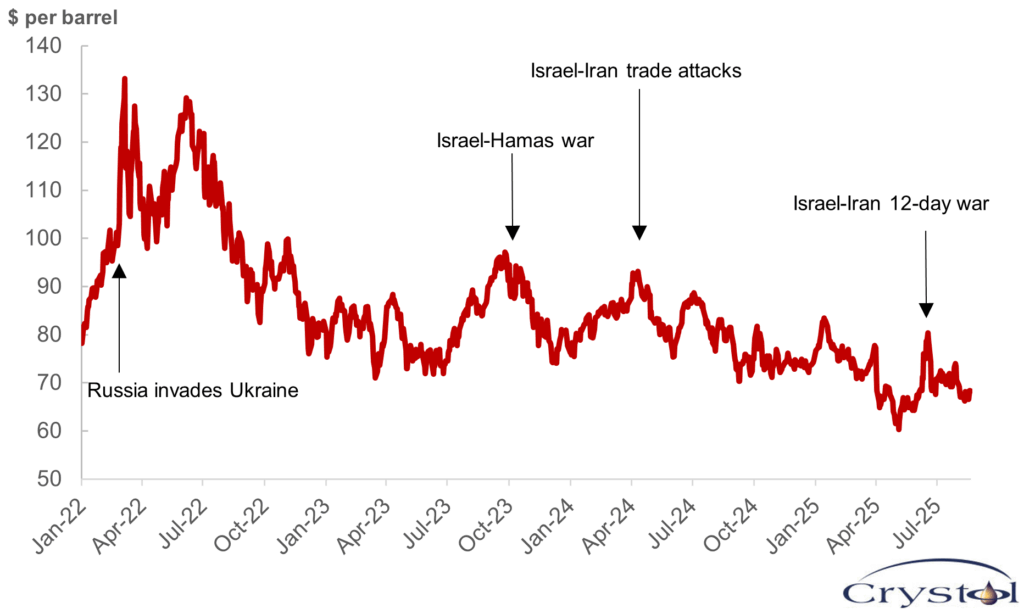
Washington’s Unused Leverage
Waves of U.S. strikes, including the sinking of five Iranian oil tankers last week, beat against this belief but don’t vanquish it. The mullahs flex their muscles, reassuring their mercenaries, and risk the next protest, confident nothing will breach their plush compounds. They remain devoted to wielding nuclear arms, controlling the strait, and raining death on the West.
The U.S., with Israel’s aid, has won some rounds, delaying the regime’s nuclear program, degrading its missiles and forces, and draining its terror-supporting wealth — all at substantial though endurable costs. In a just world, the Iranian regime would have fallen long ago. Years of the U.S. underfunding its military haven’t helped hasten that goal. The current administration’s call for greater and wiser defense spending should be heeded.
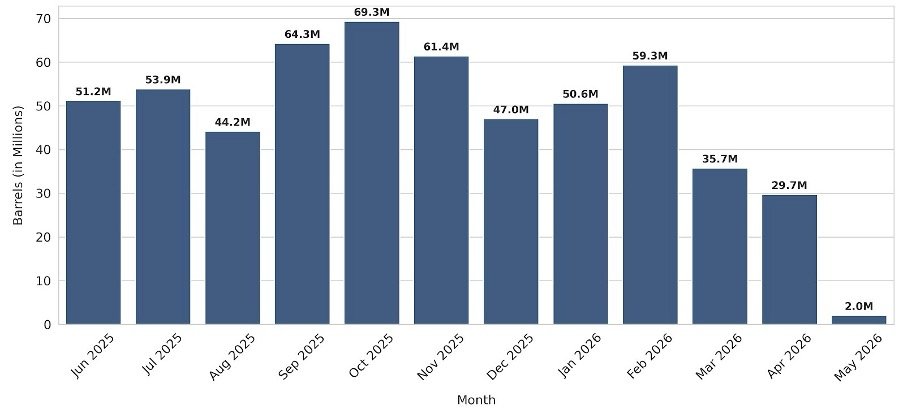
Iran Oil Revenue and Regime Survival
Perhaps the enhanced sanctions, meantime, could prove the final straw. Otherwise, an unfortunate region will continue to writhe — and Western interests will continue to suffer — until the U.S. and its allies develop the resolve and arsenals that can counter Iran’s evolving tools of extortion.
Perhaps the enhanced sanctions, meantime, could prove the final straw. Otherwise, an unfortunate region will continue to writhe — and Western interests will continue to suffer — until the U.S. and its allies develop the resolve and arsenals that can counter Iran’s evolving tools of extortion.