
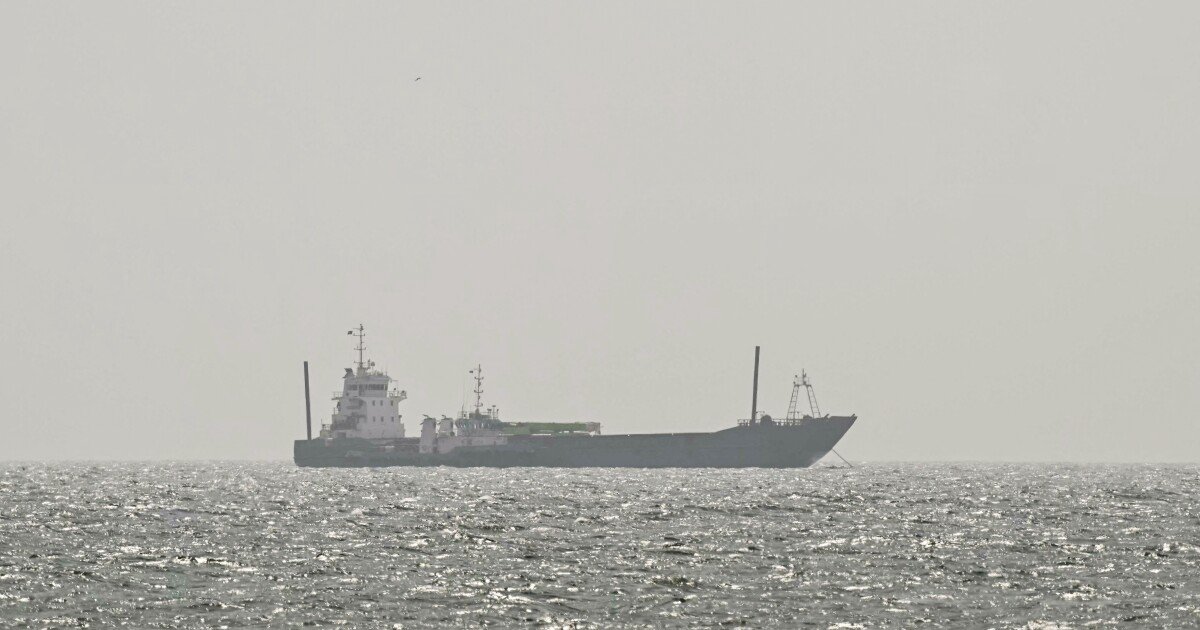
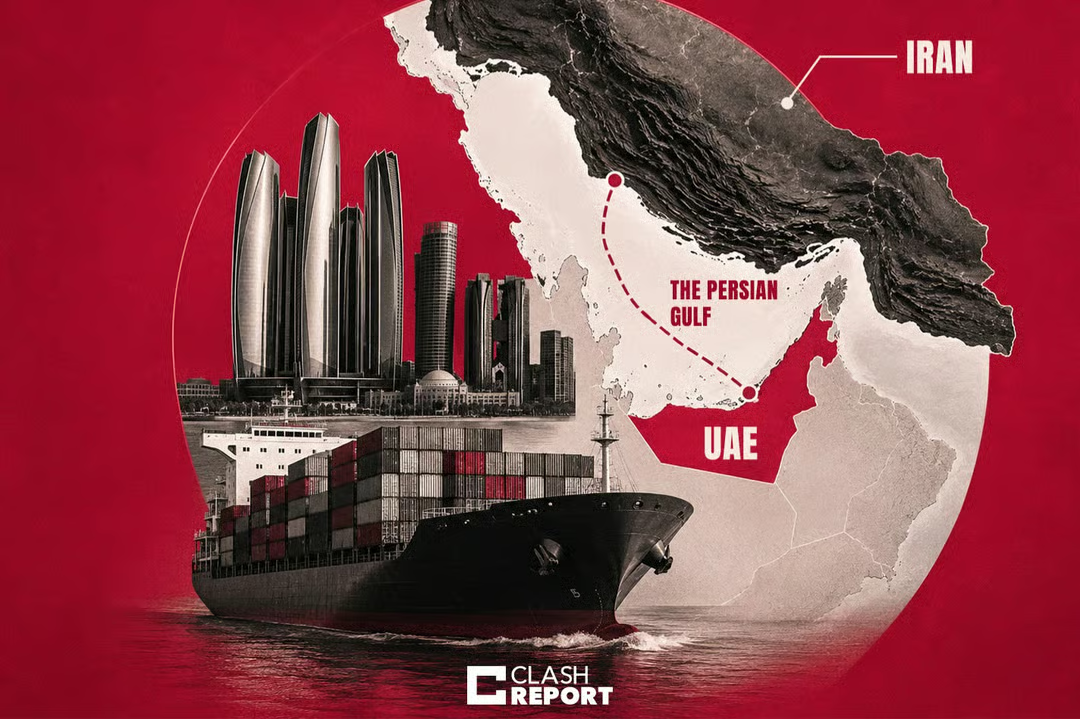
The UAE suspended direct trade and financial transactions with Iran on August 18 after US pressure. Dubai-based shell companies and free zones continue to facilitate Iran sanctions evasion, limiting the ban’s practical impact.
The UAE trade ban announced on August 18 has not ended Iran sanctions evasion; it has merely shifted attention from direct bilateral flows to the dense network of shell companies and intermediaries that Dubai hosts. Because the ban prohibits visible trade and financial transactions with Tehran, it leaves the emirate’s free zones, exchange houses, and opaque corporate registries largely untouched. These structures allow Iranian counterparties to conceal their involvement and move tens of billions through third-country invoicing.
Washington pressed Abu Dhabi to take this step, but the formal suspension of direct trade is not the same as systematic enforcement. Iran sanctions evasion will persist as long as banks fail to identify beneficial owners and trace the true purpose of transactions routed through the UAE. The policy therefore risks becoming a compliance gesture rather than a strategic rupture. Abu Dhabi has announced a ban, but it has not dismantled the shadow architecture that gives it value to Tehran. If Washington wants results, it must now compel Emirati regulators to police indirect networks with the same intensity applied to direct trade.
Why Iran Sanctions Evasion Outlasts Direct Bans
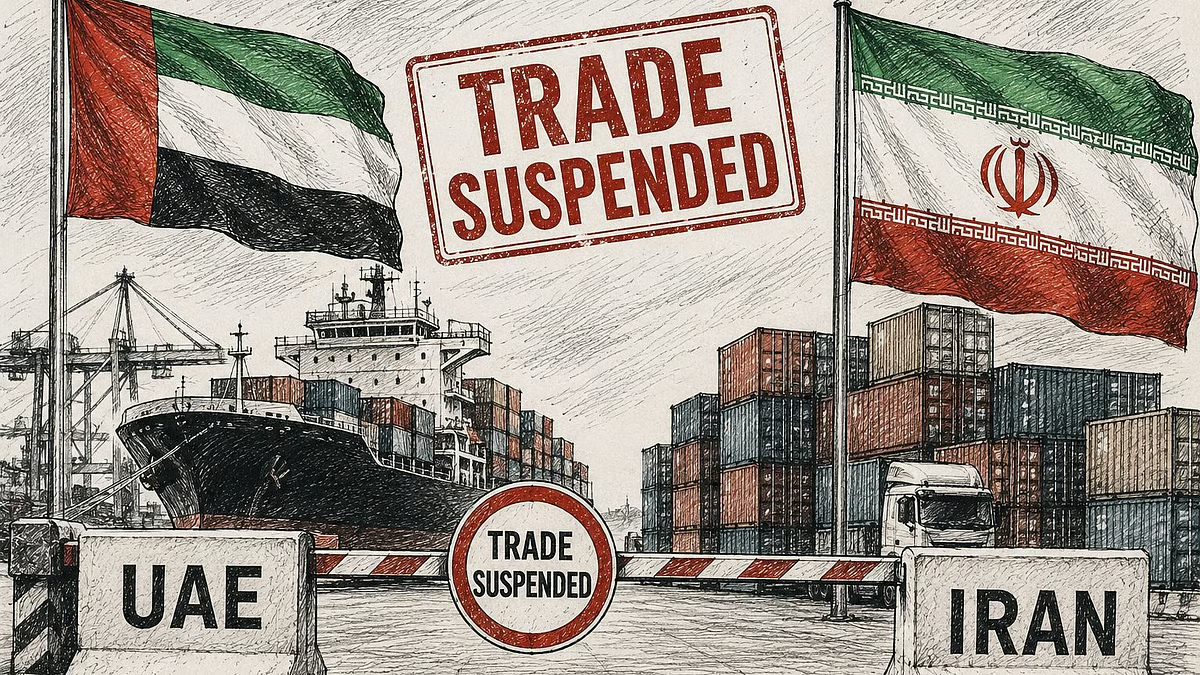
The United Arab Emirates (UAE) is moving to constrain Iran economically — but it is leaving a major source of regime revenue untouched. On August 18, following a series of high-level discussions with the United States, a UAE Ministry of Foreign Affairs official announced the Emirates has halted “all trade, commercial exchanges, and financial transactions with Iran.”
For Iran’s second-largest trade partner, moving to sever direct commercial and financial ties is a significant step towards constraining the Tehran regime’s ability to support its flailing economy. But the UAE’s importance to Iran extends beyond direct dealings. Dubai has long served as a hub for opaque shell companies, trading houses, and other intermediaries that help Tehran obscure sanctioned trade and move tens of billions of dollars through the global financial system every year — all without any direct Iranian touchpoints. Unless the UAE pairs its new restrictions with greater scrutiny of these indirect networks, the policy may curb ordinary commerce while leaving a major channel for Iranian sanctions evasion intact.
UAE Action Follows U.S. Promise of Unprecedented Economic Isolation Aimed at Iran
The UAE announced its policy hours after calls on August 18 between President Donald Trump and UAE President Sheikh Mohamed bin Zayed and between Secretary of State Marco Rubio and UAE National Security Adviser Sheikh Tahnoon bin Zayed. Days earlier, Treasury Secretary Scott Bessent promised the United States would “apply measures like have never been seen in the history of economic isolation on a country.”
Earlier Moves Fell Short Against Tehran
The August 18 action is not the UAE’s first attempt to constrain Iran. Days after the war began, the UAE temporarily suspended direct shipping to the Islamic Republic. It also reportedly considered freezing billions of dollars in Iran-linked funds, though it remains unclear whether any funds were frozen or subsequently released as part of, or alongside, implementation of the U.S.-Iran memorandum of understanding signed in June 2026.
UAE Will Likely Continue as Jurisdiction of Significant Illicit Finance Risk
Following the announcement, The Wall Street Journal reported the UAE “is expected to move step by step, beginning with new restrictions on cargo and potentially expanding to a broader crackdown on Iranian-linked entities if the Revolutionary Guard continues its strikes.” In April, Treasury warned the UAE of potential secondary sanctions against financial institutions enabling Iranian sanctions evasion. China, Hong Kong, and Oman received similar letters.
Shell Companies Mask Iranian Commerce
Recent Treasury actions — including the sanctioning of multiple UAE-based trading companies, exchange houses, and ship management firms — highlight the UAE’s role as a hub for Iranian sanctions evasion. Treasury also identified the UAE in a 2025 report as “the most commonly occurring jurisdiction” within a dataset of Iran-related suspicious activity reports from the year prior, including billions of dollars in opaque transactions tied to UAE- and Hong Kong-based shell companies.
Why Iran Sanctions Evasion Requires Oversight
UAE Must Implement Systematic Changes, Not Half-Measures, To Combat Illicit Finance
Many features that make the UAE a destination for global finance also create a permissive environment for sanctions evasion and money laundering. Treasury’s 2025 report notes that UAE free trade zones “appear to present opportunities for Iranian actors to exploit due to perceived lack of regulation or oversight.” It also noted that shell companies, which obscure their ownership and ties to Iran, “play the largest role in Iranian shadow banking networks.” Unless the UAE calls on its banks to identify the beneficial owners and underlying purpose of ostensibly domestic or third-country transactions, much of this activity may fall outside the UAE’s newly announced restrictions on direct trade and financial dealings with Iran.
Washington Must Move Beyond Trade Bans
The United States should therefore engage UAE regulators, especially in Dubai, to demand that Emirati banks identify and block transactions showing signs of indirect Iranian sanctions evasion. If the UAE does not address this threat on its own, the United States should utilize Section 311 of the USA PATRIOT Act to require that U.S. correspondent banks more heavily scrutinize such transactions and ultimately block indirect dealings with Iranian regime-linked entities.