
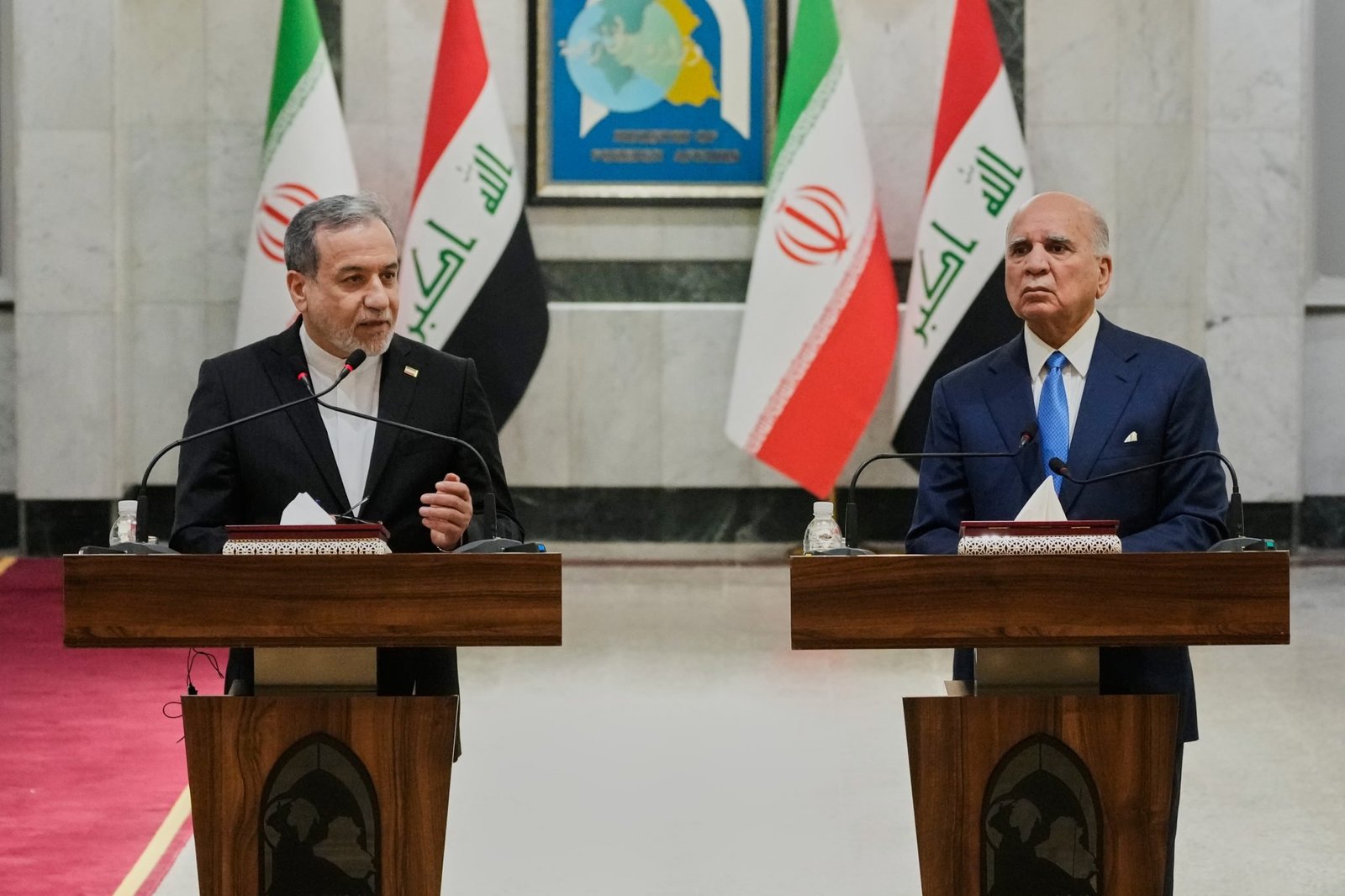
Iraq was absent from Qatar- and Pakistan-mediated US-Iran talks, and Tehran did not raise Iraqi armed factions. Washington’s disarmament pressure is pushing Iranian influence toward political and institutional channels rather than overt military entrenchment.
The absence of Iraq from the newest round of United States–Iran diplomacy has been widely read as a quiet downgrade of Baghdad’s importance to Tehran. That reading mistakes visibility for weight. Iranian influence in Iraq has never depended on a seat at the negotiating table; it is anchored in a dense architecture of geography, clerical networks, commercial ties, and political relationships that external diplomacy cannot easily reprice or remove. Washington’s intensified demand that Iraqi armed factions disarm and dissolve is now forcing a recalibration of that influence, but not its elimination.
The more significant change is operational: Tehran is likely to move away from overt military entanglement and deeper into political and institutional channels that are less exposed to American pressure. That transition leaves Iraq’s formal sovereignty intact while narrowing Baghdad’s room to maneuver. Iranian influence in Iraq is therefore shifting shape rather than receding, a development that will define the next phase of competition between Washington and Tehran. For Baghdad, the central risk is that its relationship with Iran continues to be determined less by its own state institutions than by external powers and local networks embedded within them.
Iranian Influence in Iraq Was Not Negotiated
When the United States and Iran returned to the negotiating table through Qatari and Pakistani mediation, Iraq was notably absent from the process. It was neither a party to the talks nor one of the files over which Tehran bargained. Iran pressed for ceasefire arrangements on multiple fronts, including one in Lebanon, yet it conspicuously declined to raise the question of Iraq’s armed factions, arguably one of the most important arms of its regional network.
A Tempting but False Conclusion
Iraq’s omission invites a tempting conclusion: that Tehran has quietly accepted a reduced role in Baghdad or that the relationship no longer carries the same strategic weight. In reality, Baghdad’s absence from the talks underscores that Tehran’s influence in the country rests on political, geographic, and social ties that negotiations are incapable of altering.
Tehran’s Silence Matters for Iraq
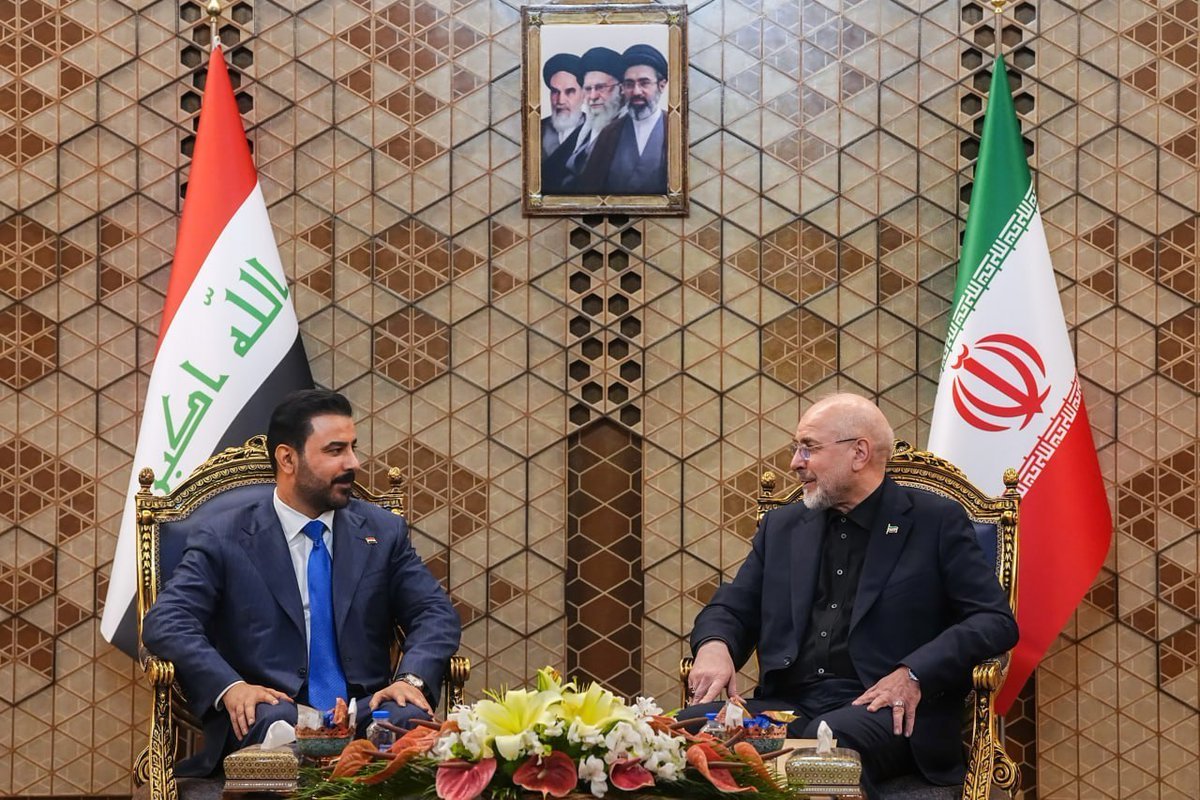
One of the most important implications of Iran’s silence is what it reveals about the evolving nature of its relationship with Iraq. Tehran did not raise the issue of armed factions because its position in Iraq rests on relationships that extend far beyond any single militia or political file. Unlike Lebanon, where Hezbollah can be treated as a distinct military actor, Iran’s influence in Iraq is rooted in a combination of geographic, political, cultural, and religious ties, including a shared border, deep clerical ties, dense tribal and commercial networks, and a political class shaped by decades of proximity.
This distinction is the key to understanding the future of Iranian influence in Iraq. That Iran felt no need to defend its Iraqi factions in the talks does not mean it has abandoned them. Rather, it proves that Tehran’s position in the country extends beyond any single armed group.
Pressure Pushes Tehran Toward Subtlety
Iraq’s absence from the negotiations also reveals how Tehran is likely to respond to growing American pressure. Washington has made the disarmament and dissolution of armed factions a central demand of Iraq’s new government, and American leverage was unmistakable during the deadlock over government formation.
When former Prime Minister Nouri al-Maliki, who has close ties to Tehran, emerged as the Coordination Framework’s initial candidate, U.S. President Donald Trump made clear that all support to Iraq would be cut if al-Maliki returned. That threat changed Iraqi political calculations. Al-Maliki withdrew, and the Framework backed Ali al-Zaidi instead, a businessman and banker with no political party or prior government or military experience. American leverage, therefore, operates less through direct control over Baghdad’s decisions than by influencing who is able to make them.
Iranian Influence in Iraq Turns Political
What matters for the Iraq–Iran relationship is how Tehran responds to that pressure. Iraq remains too important for Iran to risk a direct confrontation it cannot sustain. Instead, Tehran has incentives to avoid actions that invite further pressure from Washington and rely more heavily on political and economic channels that are less exposed to direct U.S. confrontation. The result will be a shift away from overt entrenchment and toward forms of influence that operate within Iraq’s political system.
A New Role for the Factions
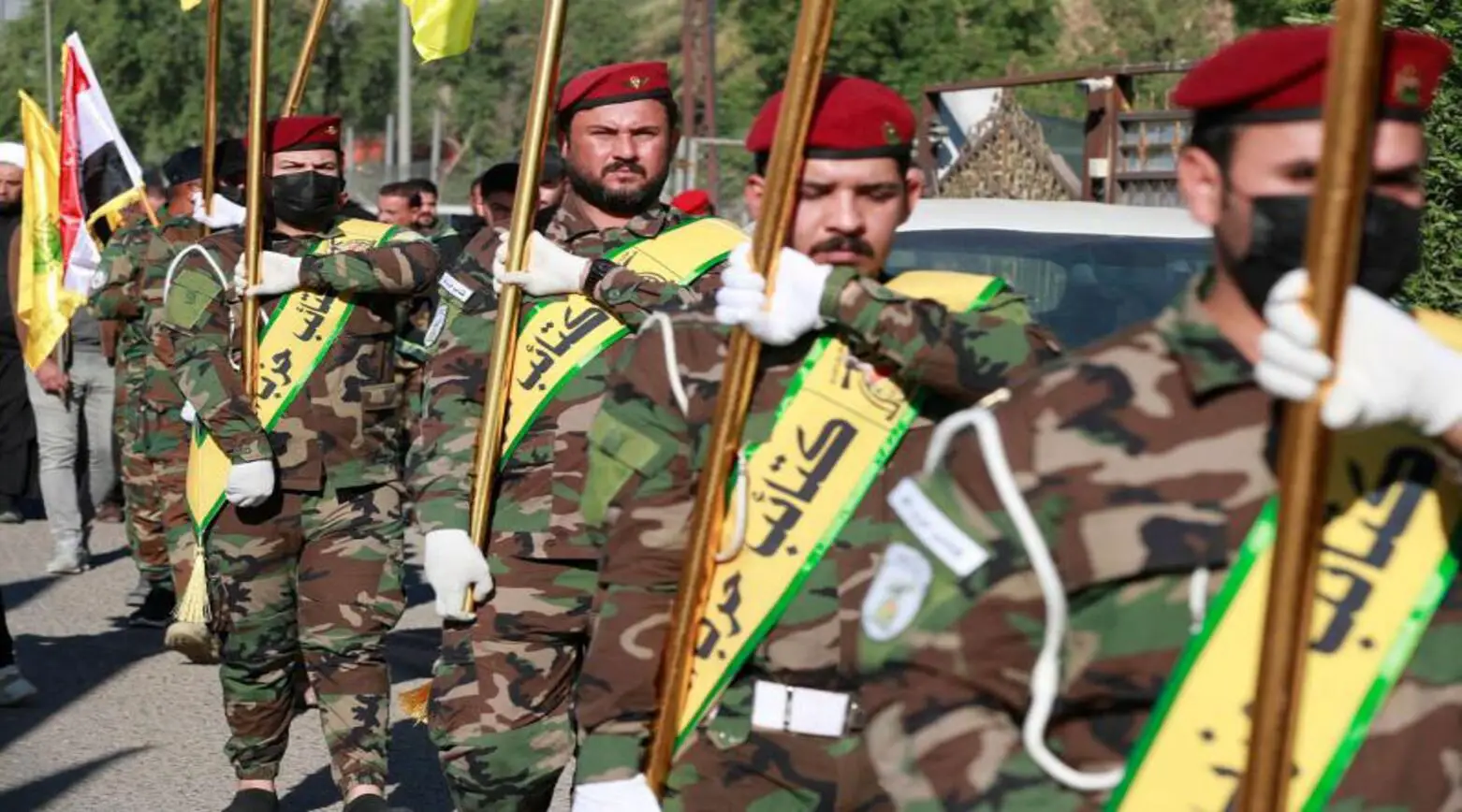
Iraqi armed factions themselves offer another indication of how the Iraq–Iran relationship is changing. Both Tehran and the factions recognize the limits of direct confrontation with Washington, particularly as American pressure on Baghdad has intensified. Recognizing that direct confrontation has become untenable, several factions have moved, at least rhetorically, toward disarmament and dissolution, even as the mechanism remains deliberately undefined.
This should not be mistaken for a weakening of Tehran’s position. Military retrenchment allows the relationship to evolve from one centered on armed activity to one sustained through political organizations and institutional influence. Rather than diminishing Iran’s role, the factions’ retreat may ultimately make that influence more difficult for Washington to challenge.
The Limits of Iraqi Agency
The negotiations ultimately point to a broader reality: Iraq’s relationship with Iran will continue to evolve inside a landscape that Baghdad does not control. Washington retains significant influence over Iraq’s political leadership, while Iran has built networks that extend beyond mere armed factions. Even if these groups alter their behavior or formally dissolve, their political wings will remain part of Iraq’s electoral landscape, preserving a critical channel of Iranian influence within the institutions of the state. Tehran’s influence is now embedded in Iraq’s political institutions, making it far more difficult for Washington to dismantle.
Iraq may ultimately have been absent from the negotiations, but it remains central to their consequences. While this does not signal a fundamental alteration to the Iraqi–Iranian relationship, it does demonstrate an accelerated shift in how Iranian influence in the country will operate. For Baghdad, the danger was never the competition between Washington and Tehran, but more the reality that its relationship with Iran, like its sovereignty, will go on being defined by everyone but itself.