

Kuwait’s post-2026 Iran war acquisitions of NASAMS, Anduril counter-UAS, and naval combat systems signal a layered defensive overhaul driven by exposure to drone saturation, compressed warning times, and the limits of U.S. deterrence.
Kuwait Defense Strategy is undergoing its most fundamental transformation in decades, driven not by doctrinal evolution but by the brutal arithmetic of a war that subjected the country to over 1,300 kinetic strikes in a matter of months. The 2026 Iran conflict exposed the limits of relying on external deterrence and a thin menu of high-cost interceptors when geography offers no buffer. For a state compressed into less than 18,000 square kilometers, with its entire critical infrastructure sitting within minutes of Iranian launch points, survival demands a layered, cost-conscious, and domain-integrated architecture that simply did not exist before the war.
The rapid procurement of NASAMS, Anduril’s reusable Roadrunner-M and Anvil counter-drone systems, electronic warfare suites, and new naval combat capabilities represents a decisive shift from siloed air defense toward a fully joint defensive posture. This reconfiguration is not a reactive shopping spree; it is a calculated absorption of tactical lessons from a conflict where drones accounted for two-thirds of all inbound threats and where Patriot interceptors were consumed faster than they could be produced. Kuwait Defense Strategy now crystallizes around a model of scalable attrition, interceptor cost rationality, and multi-domain resilience, offering an instructive case study for mid-sized powers confronting the same drone-saturated, hypersonic timelines that erased traditional margins of warning and safety.
Why Kuwait Is Rapidly Rearming
Since the outbreak of the Iran war in February 2026, Kuwait has announced a series of major defense acquisitions, including a $1 billion contract for the National Advanced Surface-to-Air Missile System (NASAMS), a U.S.-approved $1.98 billion package centered on Anduril’s Roadrunner-M and Anvil counter-unmanned aerial systems, expanded cooperation with the United Kingdom on drone and counter-drone technologies, and new naval modernization initiatives. These developments point to something larger than routine military procurement; they demonstrate Kuwait’s attempt to adapt its defense posture to lessons emerging from the war.
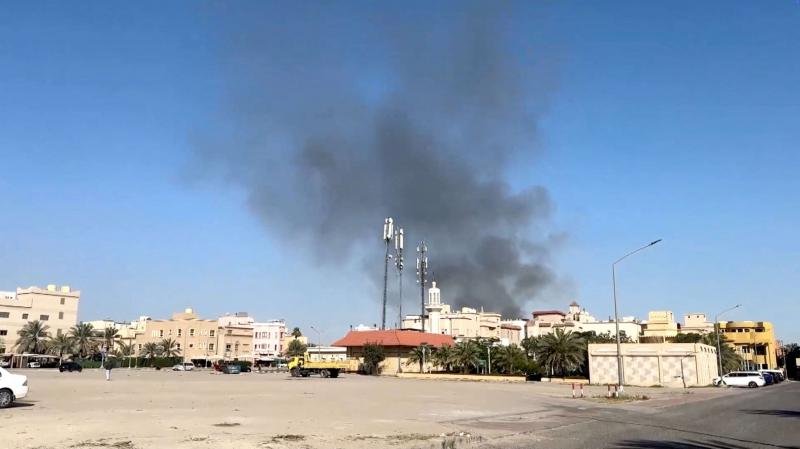
Kuwait Defense Strategy Amid Regional Shifts
The conflict demonstrated that traditional assumptions about deterrence, strategic depth, and external security guarantees are becoming increasingly difficult to sustain in an era defined by drone warfare, missile saturation, and compressed reaction times. While Kuwait continues to rely heavily on its strategic partnership with the United States and hosts some of Washington’s most important military facilities in the region, recent events have underscored the need for stronger national capabilities to protect critical infrastructure against a growing spectrum of aerial threats.
Kuwait’s response reflects a wider reassessment taking place across the Gulf, where governments are increasingly investing in layered defense architectures combining missile defense, counter-drone systems, electronic warfare, and domestic industrial capabilities. In many ways, Kuwait offers one of the clearest examples of this shift.
A Compact State Faces Existential Risks
For decades, Kuwait’s security strategy rested on a combination of close ties with the United States, significant investment in air and missile defense, and a foreign policy that generally favored diplomacy and de-escalation. The presence of major U.S. military installations reinforced the perception that the country enjoyed a robust deterrence umbrella despite its relatively small size.
Yet the recent conflict highlighted a reality that geography has always imposed on Kuwait. Unlike Saudi Arabia, which benefits from vast territorial depth, or even the United Arab Emirates, which can disperse critical infrastructure across a larger territory, Kuwait remains exceptionally compact and exposed. Covering less than 18,000 square kilometers, the country concentrates much of its population, energy infrastructure, military facilities, ports, and government institutions within a relatively small area.
Kuwait’s proximity to Iran further compounds this vulnerability. Kuwait City lies less than 100 kilometers from Iranian territory across the northern Gulf, leaving defenders with extremely limited warning times against certain categories of threats. During the conflict, several regional security assessments pointed to scenarios in which defenders could have little more than a minute between detection and impact.
Missile Saturation Exposes Critical Weaknesses
The scale of the challenge became increasingly apparent throughout the war. By July 9, Kuwaiti authorities reported intercepting 386 ballistic missiles, 16 cruise missiles, and 916 drones launched by Iran and Iran-linked actors, for a total of 1,318 kinetic attacks. This made Kuwait the second most targeted GCC state during the conflict after the UAE. Notably, roughly two-thirds of the threats consisted of one-way attack drones. Although the overwhelming majority were successfully intercepted, the volume itself highlighted the challenge Kuwait faces defending highly concentrated critical infrastructure against a sustained campaign of missile and drone strikes.
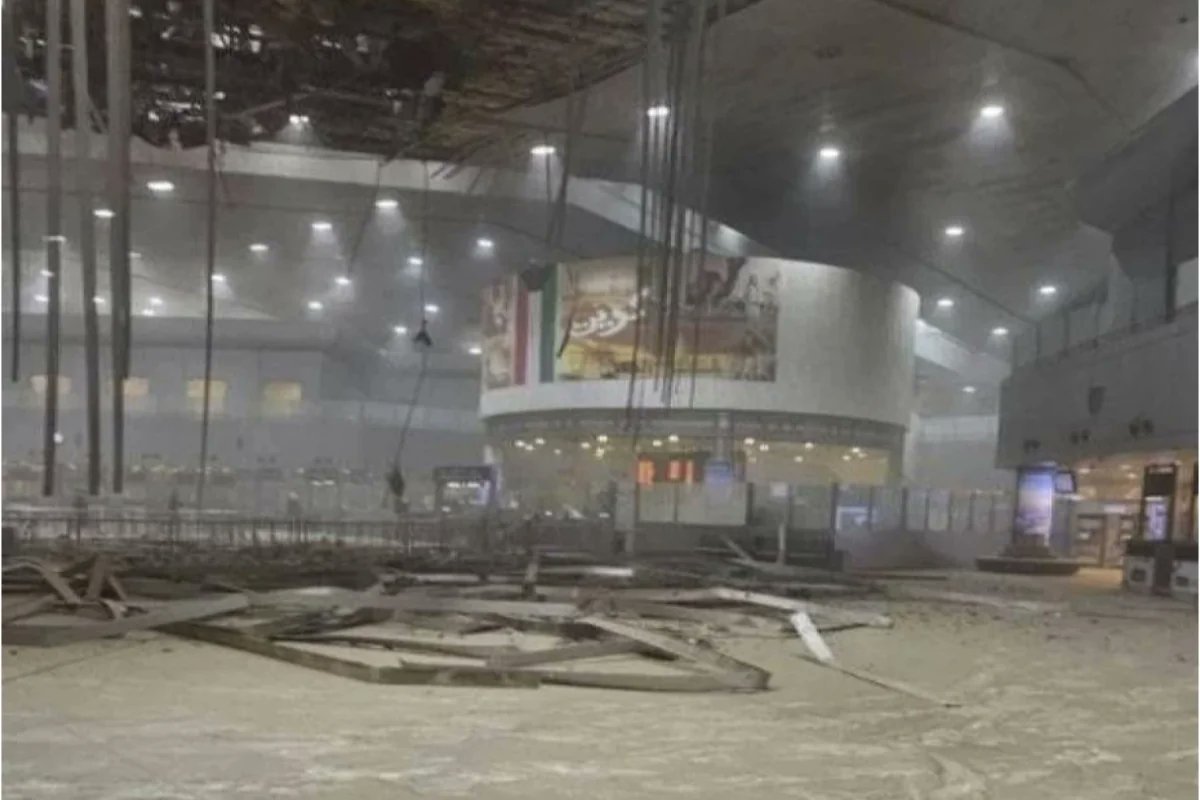
The figures also conceal a number of high-profile incidents that brought the war directly onto Kuwaiti territory. On June 3, Iranian missiles and drones struck Kuwait International Airport, killing one person and injuring 63 others in one of the most consequential attacks on Kuwaiti soil in decades. Further attacks targeting Ali Al Salem and Ahmad Al Jaber air bases followed on June 10 and 11, underscoring the severity of the situation even as the conflict began to de-escalate.
The war also challenged the long-standing assumption that the presence of U.S. forces would automatically shield Kuwait from becoming a target. Despite hosting roughly 13,000 American military personnel and serving as one of Washington’s principal logistical hubs in the Middle East, Kuwait repeatedly found itself exposed to attacks tied directly to its strategic relationship with the United States. In effect, its role within the American regional security architecture strengthened deterrence while simultaneously increasing its attractiveness as a target for Iranian retaliation.
Building a New Defensive Architecture
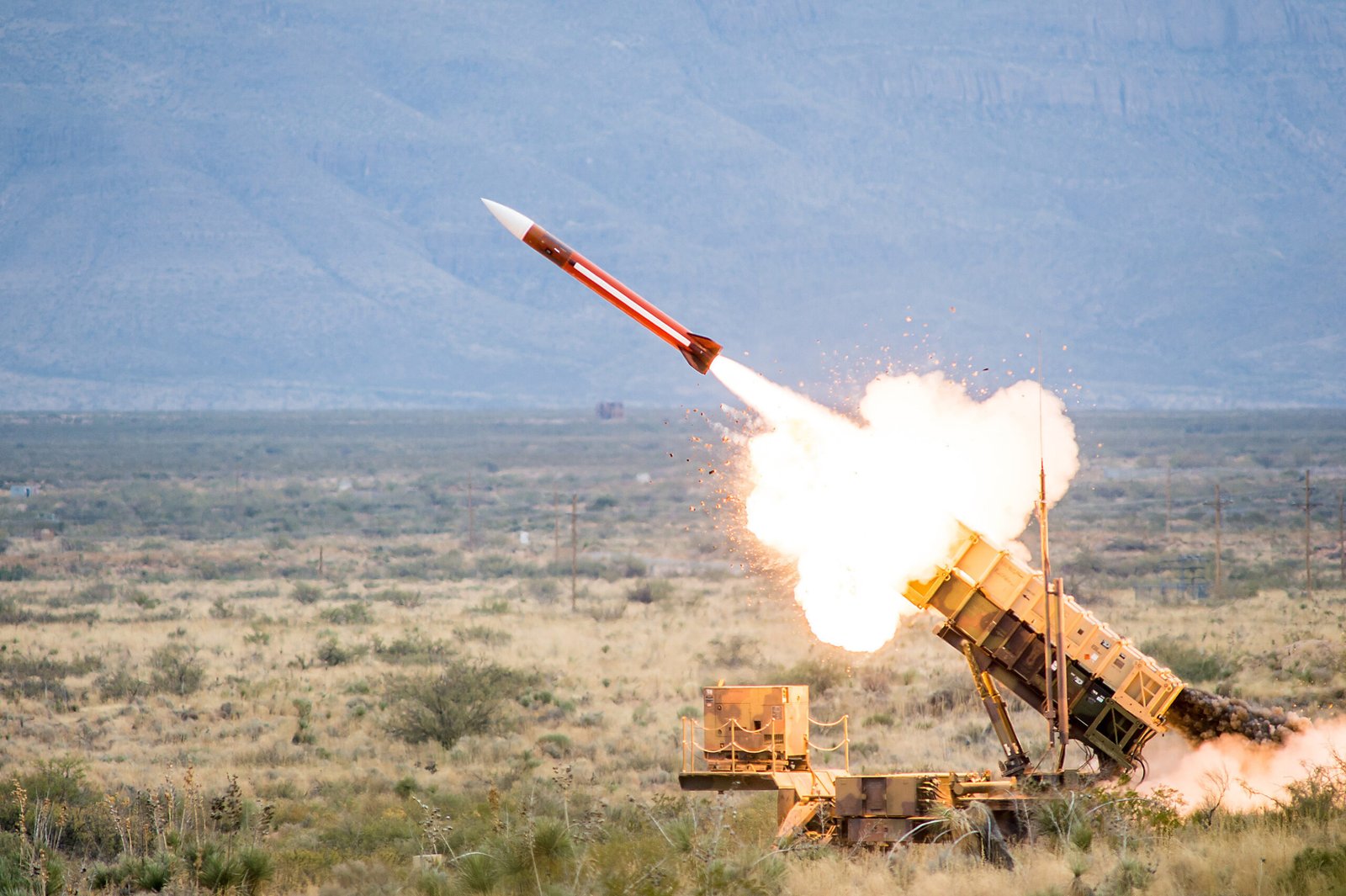
The scale and nature of the attacks experienced during the war have pushed Kuwaiti planners to reassess how threats should be countered. While Kuwait already operates MIM-104 Patriot PAC-3 batteries as the backbone of its long-range air-defense architecture, recent procurement decisions suggest a growing recognition that future conflicts are unlikely to be dominated solely by ballistic missiles.
The country already possesses Swiss-designed Skyguard air-defense systems armed with Italian Aspide 2000 missiles, providing a more cost-effective alternative to Patriot PAC-3 for certain low-altitude threats, with each interceptor costing roughly $100,000. However, their effectiveness against the scale and complexity of the attacks witnessed during the Iran war remains unclear, reinforcing the need for a broader modernization effort.
Instead, the war demonstrated the increasingly integrated nature of modern aerial campaigns, where ballistic missiles, cruise missiles, one-way attack drones, loitering munitions, and low-cost unmanned systems operate simultaneously to overwhelm defensive networks, exhaust interceptor inventories, and exploit gaps in radar coverage. For Gulf states, the challenge is intercepting incoming threats in a sustainable and economically viable manner over prolonged periods of time.
How Drones Reshape Kuwait Defense Strategy
Kuwait’s recent acquisition decisions reflect this reassessment of air-defense systems. On June 5, the United States approved a potential $1.98 billion sale of counter-unmanned aerial systems centered on Anduril’s Roadrunner-M interceptor drone, Anvil kinetic interceptor, Pulsar electronic warfare systems, Sentry surveillance towers, and the Lattice command-and-control architecture. The package is designed to create an integrated counter-UAS ecosystem capable of detecting, tracking, jamming, and destroying hostile drones through both electronic and kinetic means.
The choice of systems is revealing. Unlike traditional surface-to-air missiles, Roadrunner-M is designed as a reusable interceptor capable of vertical take-off and recovery when an engagement is aborted, reducing both operational costs and interceptor wastage. Anvil addresses a different segment of the threat spectrum, autonomously intercepting small drones through kinetic impact while limiting collateral damage around sensitive infrastructure. Combined with Pulsar electronic warfare systems and the Lattice command-and-control architecture, the package reflects a broader shift toward distributed, cost-effective counter-drone defense rather than reliance on missile interceptors alone.
The system addresses an increasingly exposed vulnerability across the Middle East: the difficulty of using high-end missile interceptors against large numbers of relatively inexpensive drones. While Patriot batteries remain indispensable for defending against ballistic missiles and higher-end threats, employing PAC-3 interceptors, now costing up to $10 million each, against drones worth a fraction of that amount creates an increasingly unfavorable cost-exchange ratio.
The issue has become even more acute after a conflict that reportedly consumed more than 1,200 Patriot interceptors across the region—well above annual production levels. Systems such as Roadrunner-M and Anvil are intended to fill precisely this gap, providing a lower-cost defensive layer capable of absorbing routine drone attacks while preserving more advanced assets for strategic threats.
At the same time, Kuwait is moving forward with the acquisition of NASAMS, which will occupy an important intermediate layer within the country’s evolving defensive architecture. Developed by RTX and Norway’s Kongsberg, the NASAMS 3 version combines AIM-120 AMRAAM, AIM-120 AMRAAM-ER, and AIM-9X Sidewinder interceptors with AN/MPQ-64 Sentinel radars and distributed fire-control networks. The system is particularly effective against aircraft, cruise missiles, and certain categories of unmanned systems, helping bridge the gap between Kuwait’s upper-tier Patriot architecture and its emerging counter-drone capabilities.
Kuwait’s emphasis on drones extends beyond defensive systems. In April, the country expanded cooperation with the United Kingdom on joint drone and counter-drone development, building upon decades of military collaboration between the two countries, including the recent deployment of the Rapid Sentry air-defense capability during regional missile-defense operations. Discussions reportedly focused on unmanned systems and emerging military technologies, suggesting that Kuwaiti planners increasingly view drones as both a threat to counter and as a capability to develop.
Taken together, Patriot, NASAMS, and Anduril’s counter-UAS architecture point toward the emergence of a layered defensive model designed to engage threats across different altitudes, ranges, and cost categories. Such an approach reflects lessons drawn from conflicts where drone warfare and saturation attacks have increasingly challenged traditional air-defense concepts.
Building Resilience Across Domains
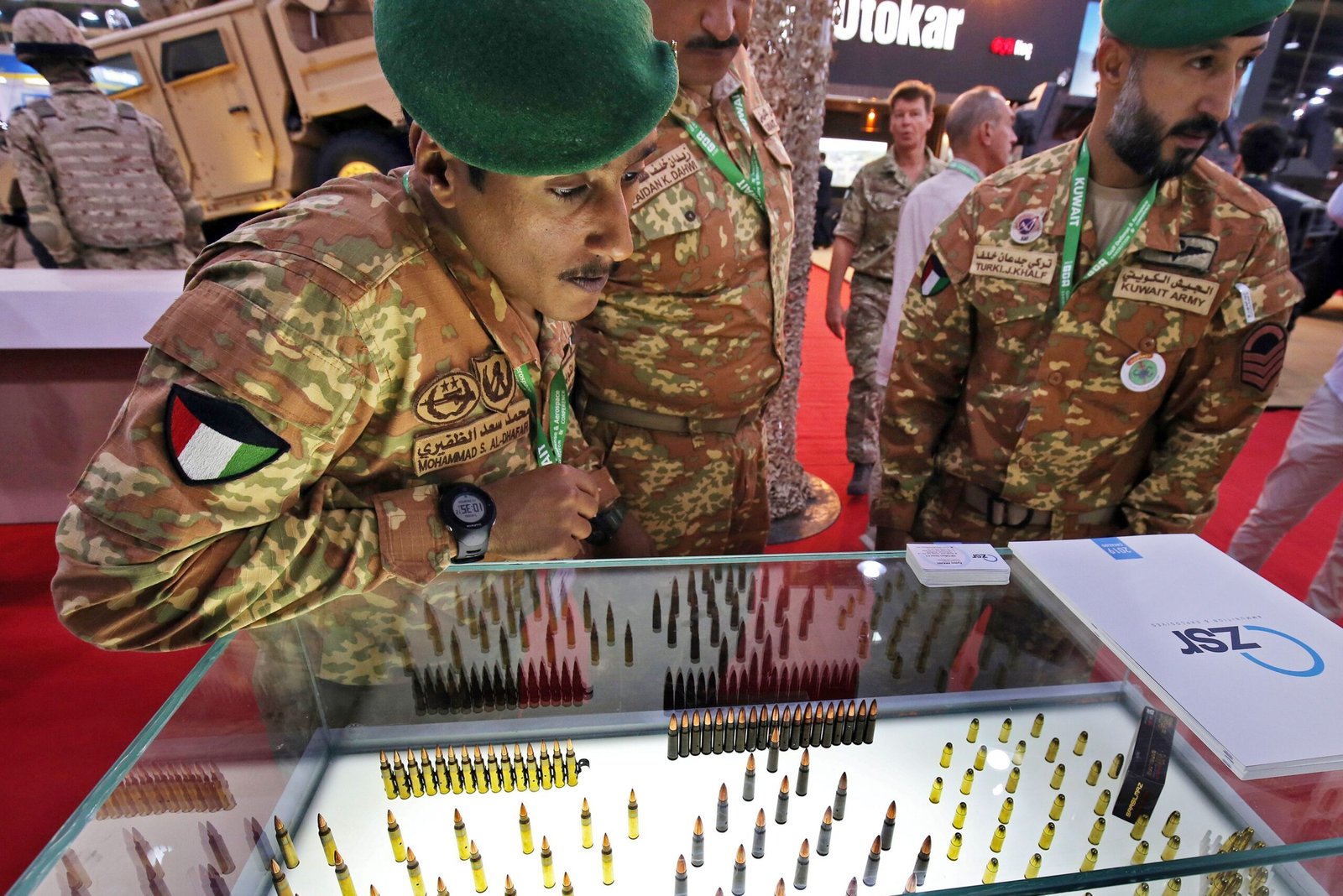
Kuwait’s modernization effort extends beyond the air domain. In May, Italian defense contractor Leonardo secured a $370 million contract to supply and integrate combat systems for the Kuwait Naval Force’s Al Dorra missile boat program, a key component of the country’s broader naval modernization effort. The project is particularly significant given that, unlike the navies of other GCC states, Kuwait’s fleet currently lacks a dedicated shipborne surface-to-air missile capability.
Through the integration of systems such as the 76mm Super Rapid naval gun and remotely operated 30mm weapon stations designed to engage surface and aerial threats, both of which had proven their effectiveness against Houthi drones and missiles in the Red Sea, the Al Dorra program aims to strengthen the protection of maritime approaches, offshore energy infrastructure, and critical shipping routes in the northern Gulf.
The initiative complements Kuwait’s acquisition of missile gunboats developed through cooperation with Singapore’s ST Engineering and points toward a broader effort to improve resilience across multiple domains rather than relying exclusively on external security guarantees. The result is a more diversified security architecture designed to cope with a threat environment in which drones, missiles, and critical infrastructure attacks are increasingly intertwined.