
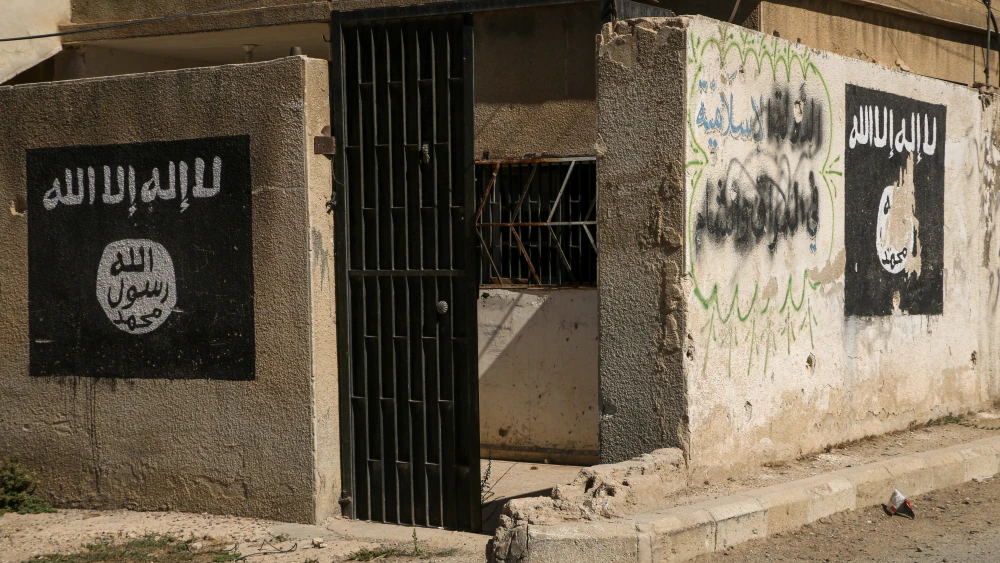
After military defeat, terrorist groups leave behind factories, cash, weapons, and property. Disputes over these assets can create new conflict economies, sustain smuggling, and allow extremism to regrow unless governments verify ownership and recover assets.
Terrorist assets outlive military defeat
The defeat of any terrorist organization raises a question that counter-terrorism policy rarely addresses: What happens to its economic infrastructure after the defeat of its military?
Territorial defeat leads to shifts in power. A factory determines which workers get jobs. A vehicle can show which group controls a smuggling route. Weaponry and cash can help a new group rise. The networks surrounding these assets can keep smuggling routes, trade networks and patronage connections alive. Gaza offers a clear example. When Hamas seized Gaza from Fatah in 2007, it captured security headquarters, American-made weapons, ammunition, military equipment, and vehicles. Hamas, therefore, inherited not only territory but part of Fatah’s military and security infrastructure. It also closed Fatah offices and more than 100 civic associations, charities, and sports clubs, confiscating computers, office equipment and, in some cases, furniture and air conditioners.

Looting Mosul’s assets fueled chaos
When the Islamic State lost Mosul, it left behind farms, factories, vehicles, guns, cash, warehouses, businesses, and personal property. Governments have confiscated some assets, militias have looted others, civilians have occupied abandoned properties, criminals have trafficked in valuable goods, and some Islamic State veterans have hidden assets for future use.
After Iraqi forces recaptured the city, authorities occupied some houses linked to suspected Islamic State members and prevented some families from returning, but Shi‘i militias often looted property before rightful owners could even contest them. Punitive confiscation was also a major problem. Human Rights Watch documented at least 16 cases in which Iraqi security forces occupied homes belonging to relatives of suspected Islamic State members, while five families reported that security forces forced them from their homes.
Seizing an asset is only the first step. Authorities must then establish ownership, settle competing claims, and decide whether to return, compensate, or repurpose it. In Mosul, activists alleged that Popular Mobilization Forces confiscated more than 5,000 private and public properties by manipulating property records to replace registered owners.
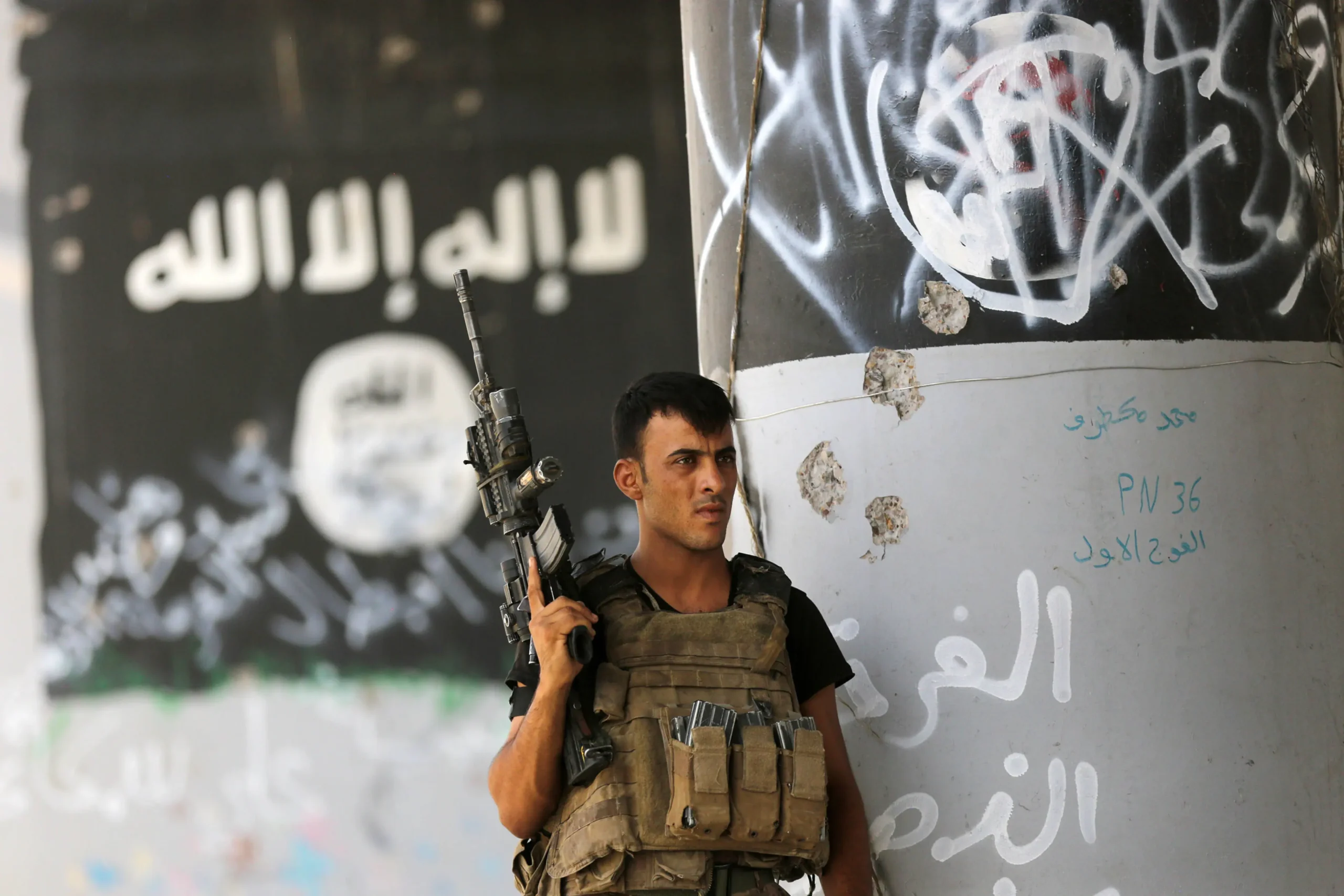
In Somalia, after Somali and African Union Mission in Somalia (AMISOM) forces retook towns from Al-Shabaab, returning residents faced disputes over homes and land the group had occupied. The U.S. State Department later reported that these disputes persisted, while Somalia introduced eviction guidelines to protect displaced people and regulate competing claims. Corruption, however, can compound or slow justice and, in Somalia’s case, lead Somalis to turn back to Al-Shabaab.
A state can defeat a terrorist organization militarily while creating a second conflict economy through its property. Confiscation can create new criminal networks, illegal markets, and financing opportunities for potential insurgents. Criminal networks can exploit such assets for smuggling and other illicit activities. The Islamic State exploited oil smugglers, traders, and transporters to sell oil outside areas under its control. These networks can survive territorial defeat and complicate efforts to dismantle the wider economy. Turkish smugglers—some reportedly connected to the ruling Erdoğan family—even traded in Islamic State oil, perhaps even transferring funds into other radical causes and movements.
Hezbollah’s finances extend beyond territory
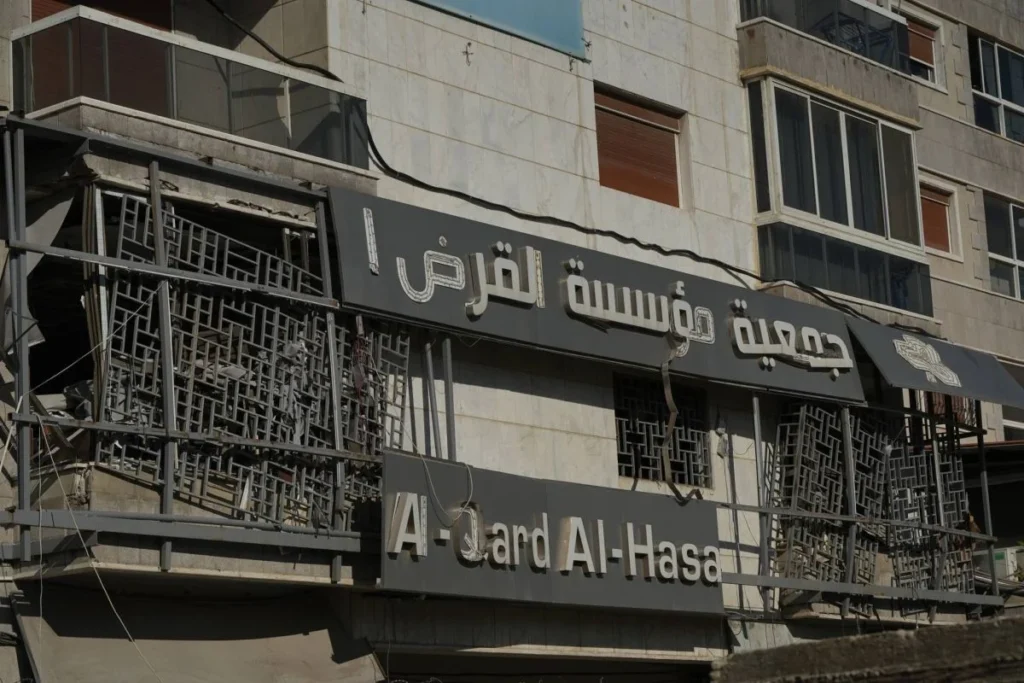
Hezbollah presents a different challenge because its financial infrastructure extends beyond territory into businesses and financial institutions. In July 2025, Lebanon’s central bank banned licensed banks and financial institutions from dealing with Al-Qard Al-Hassan, a Hezbollah-linked financial institution. Lebanon also maintains a national terrorism-financing list that requires freezing of designated assets without delay but allows affected parties to seek delisting or limited access to frozen funds. The lesson is that governments must trace financial networks alongside physical assets, including companies, intermediaries and beneficial owners. Lebanon’s current Finance Action Task Force action plan calls for stronger asset recovery, beneficial-ownership information and terrorist-financing investigations.
Nor is the problem only in the Middle East. Sri Lanka faced a different problem after defeating the Liberation Tigers of Tamil Eelam in 2009. Authorities later seized Tamil Tiger-linked assets worth about US$10 million, including bank accounts, land, a building and printing presses, with some properties slated for public auction. Pakistan, Britain, and Italy use different approaches to terrorist property. Pakistan’s Anti-Terrorism Act allows authorities to freeze or seize terrorist property while giving third parties a procedure to challenge ownership and seek its release. Britain relies on judicial forfeiture, and Italy manages confiscated assets for subsequent reuse.
Terrorist assets demand early recovery
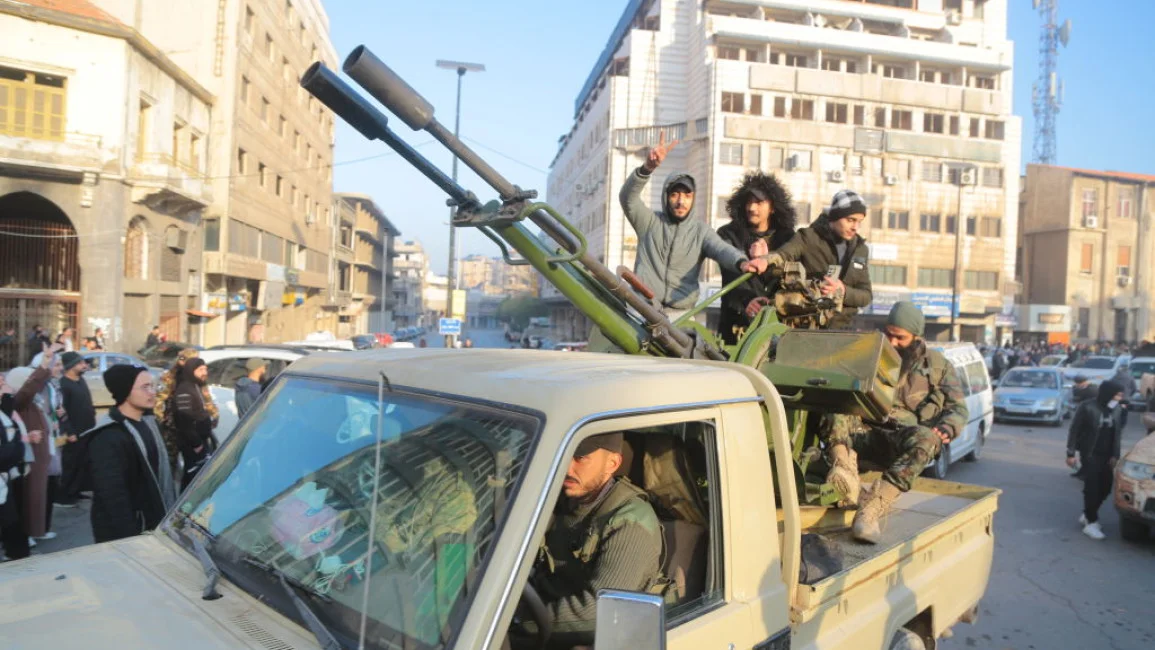
Asset recovery should begin before looters seize assets. While some militias and armies treat seized properties as loot to dispense as patronage, authorities instead should hold military officers personally responsible for the security of property that comes into their possession. Authorities should then inventory companies, land, vehicles and cash, verify ownership, freeze disputed assets, and use courts to determine forfeiture or restitution. Governments also should cross-reference property records with displacement records and distinguish terrorist assets from civilian property.
When counter-terrorism forces treat the defeat of terror leaders as their final goal, they may snatch defeat from the jaws of victory, especially if they leave behind a fertile financial structure and property upon which terror groups can regrow.