
Trump Iran Negotiations risk conceding the Strait of Hormuz after Iran’s proxy network unraveled. A flawed June MOU and inconsistent U.S. posture could turn tactical wins into permanent loss, undermining Gulf allies.
The erosion of Iran’s regional proxy network following the October 2023 Hamas assault has not delivered a clear U.S. victory; instead, the Trump administration’s approach risks turning tactical gains into a strategic capitulation. The Islamic Republic’s ability to choke the Strait of Hormuz remains the central lever in any diplomatic endgame, and the White House’s evident eagerness to conclude Trump Iran Negotiations quickly has shifted the balance of coercion decisively in Tehran’s favor.
Oil markets, naval posture, and the credibility of American security guarantees throughout the Gulf are now tethered to the outcome of these talks. A U.S. administration that once crippled Iran’s nuclear infrastructure through military strikes now contemplates a settlement that could legitimize Iranian tolling of a critical maritime chokepoint, effectively ceding control of the Persian Gulf.
The strategic calculus is stark: if Trump Iran Negotiations produce a memorandum that fails to reaffirm freedom of navigation, Washington will have traded the dismantling of a ring of fire for the construction of an Iranian lake. Historical parallels—from the 2006 Iraq surge decision to contemporary pact-making between Gulf states and extra-regional powers—reveal how domestic political timelines can warp grand strategy.
What appears as deal-making may instead be the architecture of a long-term retreat, dressed in the language of diplomacy. Every concession contemplated in the current negotiating framework rewards a regime that has just violently suppressed its own population, and each day without a firm U.S. red line solidifies an emerging narrative: that the superpower is seeking an exit, not a resolution.
Iran’s Shrinking Ring of Fire
Hamas’s assault on October 7, 2023, was the culmination of years of Iranian efforts to surround Israel with Tehran’s proxies. Hamas and Hezbollah controlled Gaza and Lebanon, Iran-backed Shia militias dominated Iraq, and the Iranian regime worked closely with the Houthis in Yemen and the Bashar al-Assad regime in Syria to encircle Israel. Israel has since torn apart this so-called ring of fire.
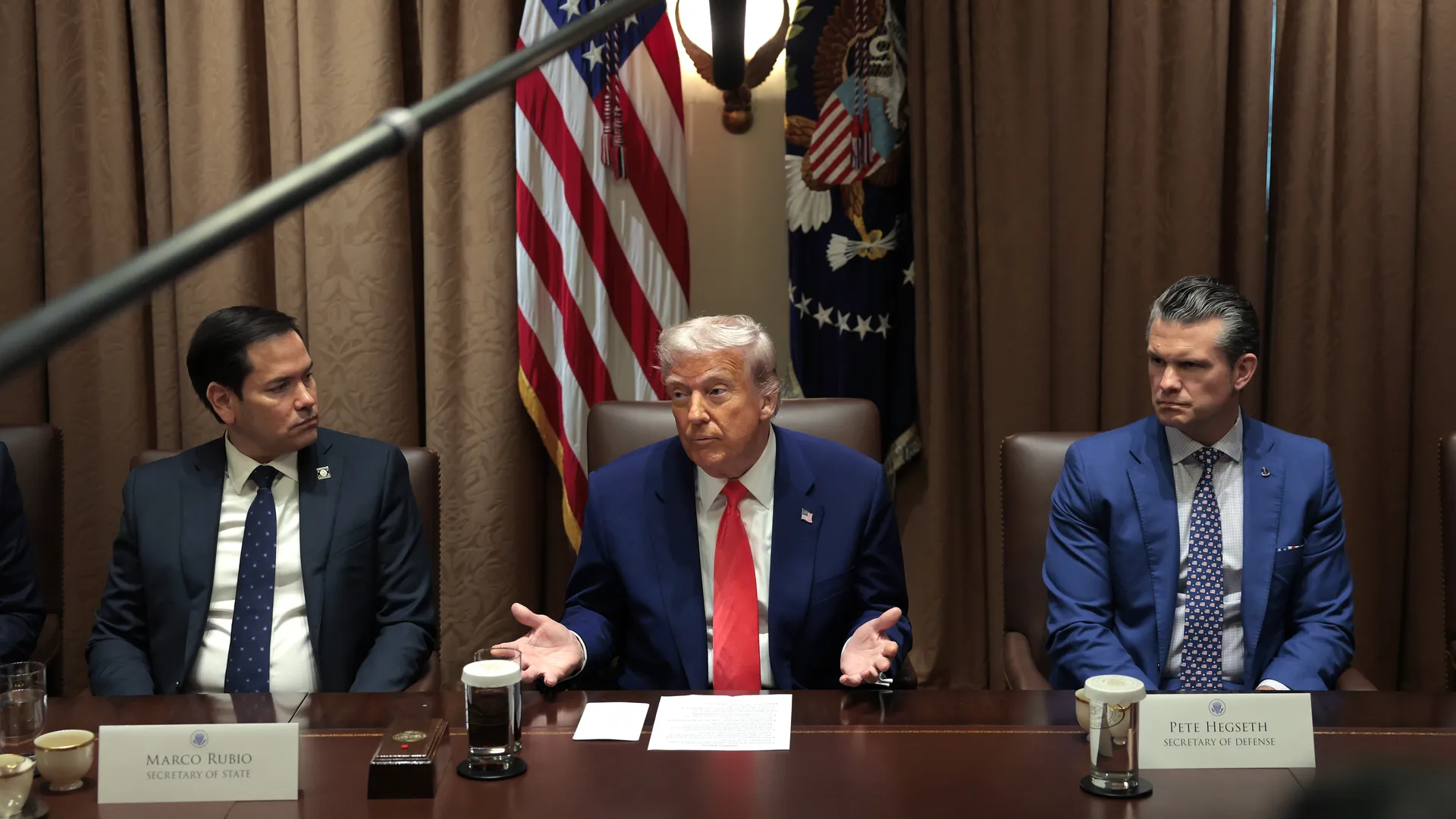
Hamas is badly weakened and Israel has taken control of half of Gaza. Meanwhile, Hezbollah is so disrupted that the Lebanese government and the Lebanese Armed Forces can now contemplate challenging it. The Assad regime fell amid this regional chaos, and in Iraq, the government is pushing back against the Shia militias to bring them under some control. But Iran’s weakness is also domestic: a dramatic uprising took place earlier this year and was put down only through the slaughter of tens of thousands of unarmed civilian protesters, and by every indication, the great majority of Iranians loathe the brutal and repressive theocracy that controls their country.
Will Washington Build on the Weakness?
The question now facing the Trump administration is whether to build on these changes by further weakening the Islamic Republic of Iran or to provide a quick accommodation that rescues the regime.
Trump Iran Negotiations Dilemma
While President Donald Trump fancies himself a great negotiator, his obvious desire for a deal with Iran has weakened his hand. Battering the Iranian economy by continuing the U.S. blockade of Iranian oil exports is eminently possible, but it may not deliver results before the U.S. congressional elections in November. Faced with a similar problem in 2006, President George W. Bush dismissed political considerations and proceeded with the surge of U.S. troops in Iraq. Trump seems disinclined to put national security over politics.
But the president has no bargaining position if he won’t use more military force. He wants to end the confrontation with Iran so that oil quickly resumes flowing and oil prices drop fast—and that urgency puts him in the position of the building owner who needs cash fast and cannot afford to wait for a better price.
The Price of Appeasement in the Gulf
The price Iran is demanding would change the Middle East—and make any future challenge to Iran’s regional dominance far harder. The Iranian regime will be saved financially if it can monetize the Strait of Hormuz and export its own oil freely.
The very fact that Iran had confronted the United States and emerged as the victor—and if Iran controls the Strait of Hormuz, it will be seen as the victor—strengthens the regime and will allow it to demand tribute from oil-rich Gulf Arab states. Gulf oil producers’ reliance on the United States for their security will be replaced by deals with Iran and a search for other protectors, as we have just seen in the new defense pact Saudi Arabia signed with Pakistan and Turkey.
Can the Fifth Fleet Defend the Strait?
This raises the question of whether Gulf allies can rely on the United States in the future. In discussions about the Strait of Hormuz, too little attention is paid to the U.S. Fifth Fleet, which is also known as U.S. Naval Forces Central Command (NAVCENT) and is headquartered in Bahrain.
This naval element of U.S. Central Command (CENTCOM) has been under missile and drone attack from Iran all year, and suffered severe damage. While it may well be sensible for NAVCENT (and for CENTCOM’s local headquarters in Qatar) to relocate farther away from Iran, that is different from relinquishing the Gulf to Iranian control. That move would quickly turn the Gulf into an Iranian lake, with the United States and its naval warships unable to enter. Such a step would, in effect, mean abandoning U.S. allies such as Bahrain, the United Arab Emirates, and Saudi Arabia to the tender mercies of Iran’s Islamic Revolutionary Guard Corps.
Trump Iran Negotiations Flawed MOU
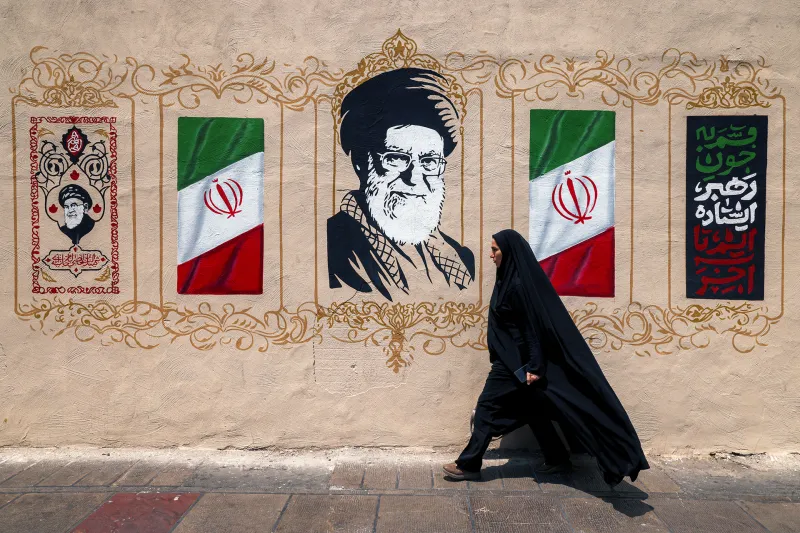
Thus far, the Trump administration appears unable to make a decision. The president clearly does not want more rounds of heavy fighting, and he wants a deal—even a bad one. The memorandum of understanding (MOU) negotiated in June was already a very bad one. It did not clearly state that the Strait of Hormuz is an international waterway open to all nations without tolling, and it legitimized Iran’s intrusions in Lebanon’s internal affairs (which is mentioned five times in the MOU’s first paragraph).
The MOU contained several unacceptable terms that should have elicited a steady Trump administration rejection. But there has been nothing steady about the administration’s or the president’s reactions. These have included threats of total destruction (delivered with crude and foul language) followed by no action, then more threats, then more inaction. It’s impossible for Americans or U.S. allies to judge what Trump’s bottom line is—or whether there actually is a bottom line.
When Diplomacy Becomes Strategic Retreat
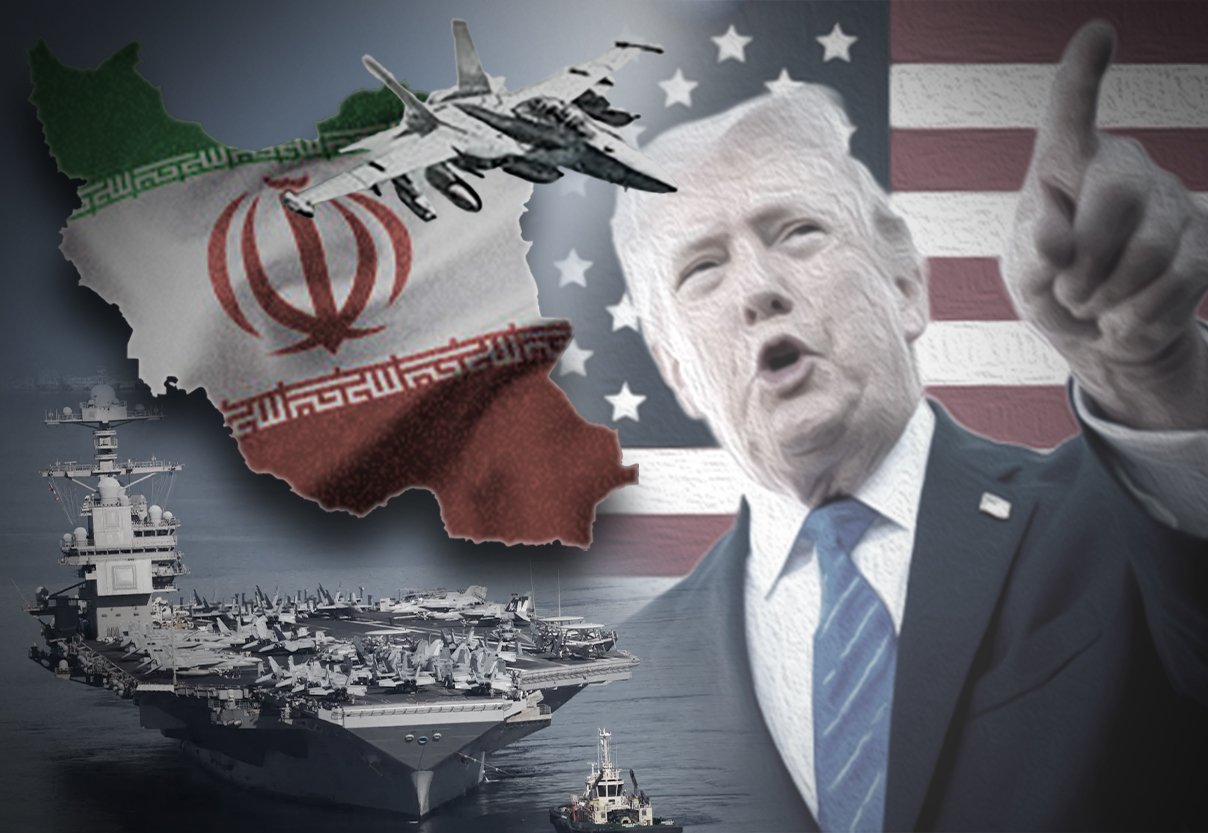
This is a tragic position to be in for an administration that began to address the threat from Iran in June 2025 with Operation Midnight Hammer and then further strikes this year to destroy Iran’s nuclear program and weaken its hold on the Strait of Hormuz. The position of strength that the United States appeared to hold a year ago, and even as this year began, is being eroded and may be abandoned. It has only allowed Tehran to grow more brash in negotiations. Iran is now seeking even more conditions, such as U.S. reparations, that are obvious nonstarters.
Along with potential negotiations over Ukraine, negotiations with Iran are the most serious foreign policy test the Trump administration now faces. In the end, the facts will be impossible to paper over with vague language: Iran will either control the Strait of Hormuz or it will not. If it does, Iran will have effectively driven the United States out of the Persian Gulf, with a huge effect on every Gulf state and the entire Middle East.
Such an outcome will inevitably undermine U.S. commitments in Asia and Europe as well, by suggesting that the United States—at least while the Trump administration remains in power until January 2029—views commitments as temporary and sees negotiations as an exit strategy rather than a way to protect its interests. That’s not the art of the deal, but the use of negotiation to conceal defeat.