
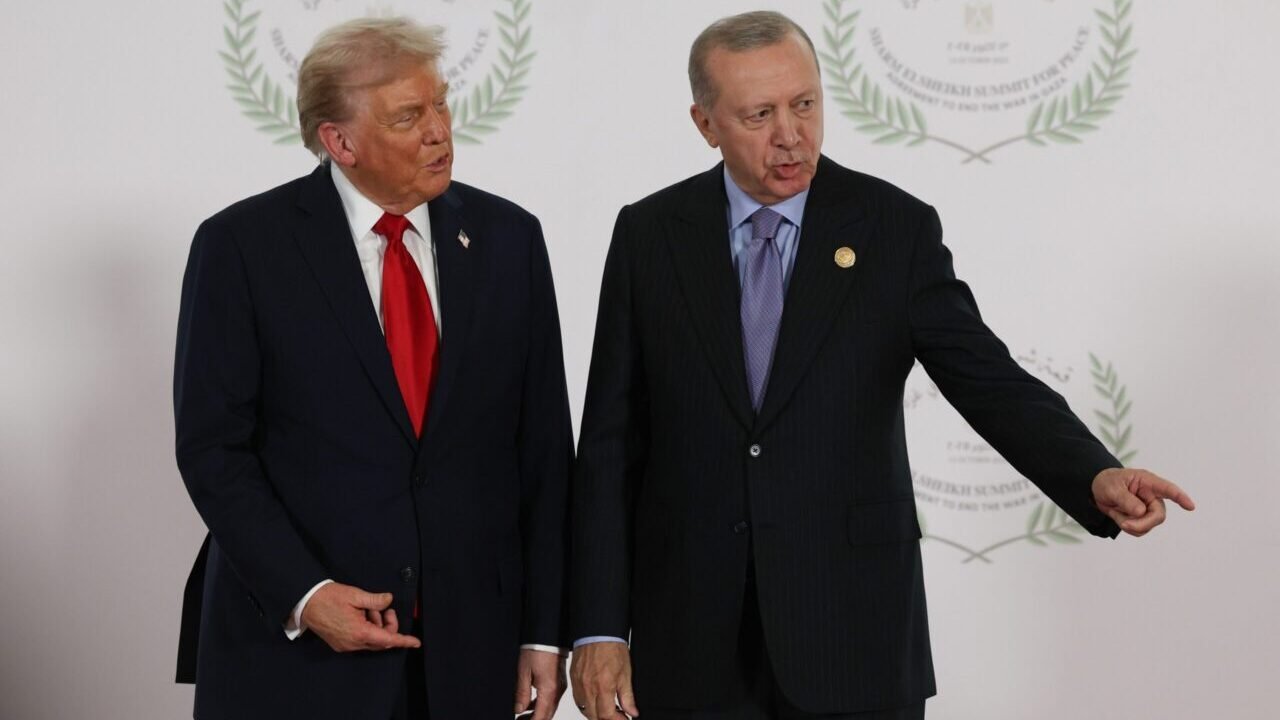
A profound look into Ankara’s shifting foreign policy paradigm, transitioning from ideological isolation to strategic pragmatism in the Eastern Mediterranean and Libya.
Ankara’s dramatic foreign policy pivot reflects a calculated transition from ideological overreach to clear-eyed geopolitical realism. This current regional reset prioritizes long-term economic survival and maritime security over the rigid, decade-long support for transnational Islamist movements that previously left the nation isolated. By systematically mending fractured ties with former adversaries, Turkish strategists are actively safeguarding their Mediterranean energy claims while securing vital avenues for capital influx.
Regional Reset Dictates Fresh Alliances
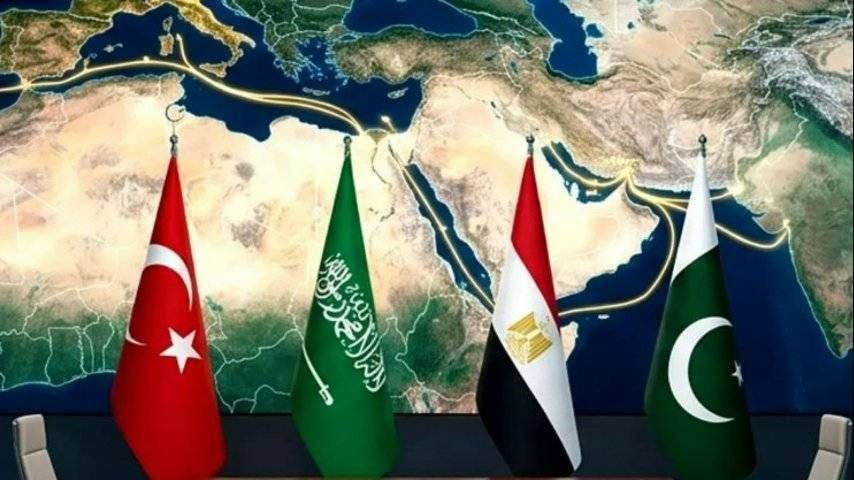
Turkish foreign policy today is almost unrecognizable from what it was only five years ago. Having spent much of the last decade in increasing regional isolation, the Middle East is witnessing a diplomatic sea change for Ankara, which now elevates realism, pragmatism, and engagement more than ever before. The change is most visible in Turkey’s Libya policy. After supporting the Government of National Accord (GNA) based in Tripoli, Ankara now seems to have pivoted to also supporting Gen. Khalifa Haftar’s rival government in Tobruk. Only a few short years after Turkish-made drones helped the GNA break Haftar’s siege of Tripoli, those same drones are being sold directly to Haftar’s forces.
Outstretched hands and diplomatic overtures have not historically been Turkey’s default; Turkish foreign policy ambitions in the 2010s were controversial for the region, leading to continued diplomatic ruptures with neighbors. Turkish President Recep Tayyip Erdoğan found appeal in revitalizing Ottoman-Islamic civilization, and pursued this objective by supporting Islamist parties across the region, including Mohamed Morsi and the Muslim Brotherhood in Egypt and the Ennahda movement in Tunisia. Actors like Egypt, Saudi Arabia, and the UAE became increasingly threatened by Erdoğan’s behavior, which they saw as populist and in defiance of their own interpretations of Sunni Islam. In Syria, Erdoğan’s willingness to arm jihadists only exacerbated those tensions.
Pragmatism Defines the Regional Reset Context
In other arenas, too, Turkey rarely held back for the sake of its diplomatic relationships. Turkey’s escalations in the Eastern Mediterranean in 2019 and 2020 nearly brought it to blows with Greece, Cyprus, and France. Ankara’s backing of the GNA in Libya brought Turkey into indirect but definitive confrontation with Egypt, in addition to Haftar’s many other backers across the region. At the same time, Ankara’s continued and often brutal operations against Kurdish groups in Syria like the People’s Protection Unit (YPG) and Syrian Democratic Forces (SDF)—which Ankara considers to be supporters of terrorism—only further strained tensions between Turkey and its NATO allies.
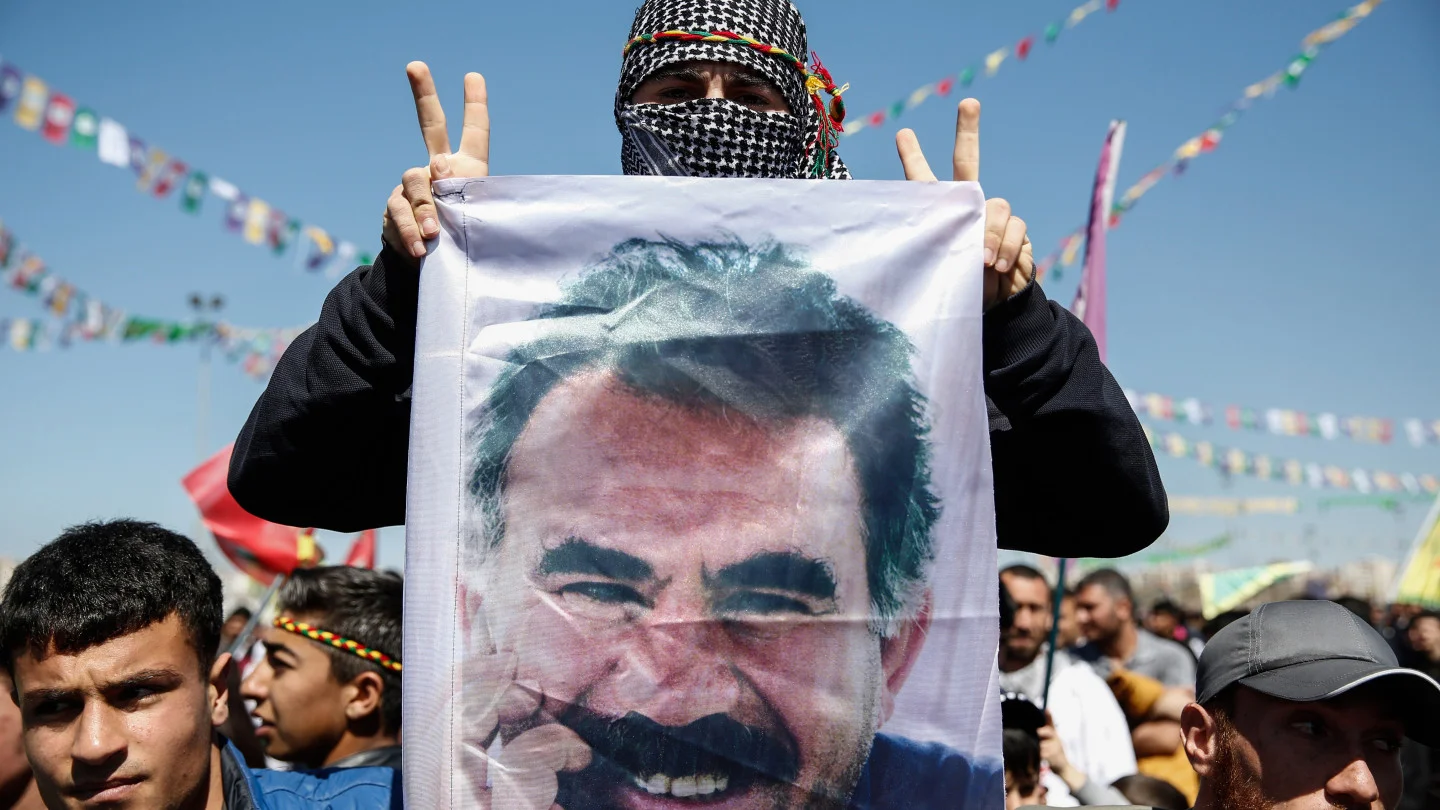
Much of this now seems like a distant memory. For one, Ankara is now in the midst of the most promising and comprehensive peace negotiations with the Kurdistan Workers’ Party (PKK), aimed at easing domestic political constraints and expanding Erdoğan’s coalition as he moves beyond 2028. Broadcast as an attempt to end the long-standing conflict with the PKK, Erdoğan’s real aims go deeper than mere reconciliation, revealing his personal political interests.
To run again, Erdoğan would need to bypass the two-term constitutional limit, likely requiring parliamentary support from the Kurdish Peoples’ Equality and Democracy Party (DEM Party), which holds 64 seats. In return, Erdoğan has promised domestic reforms that will reintegrate Turkish Kurds into political society, including releasing longtime PKK leader Abdullah Öcalan, who is currently serving a life sentence.
Breaking Isolation via Regional Reset
But beyond its borders as well, Ankara is on a major charm offensive. In a diplomatic reversal, Erdoğan has revived Ankara’s relations with Cairo, visiting Egypt four times in two years, following a 12-year freeze. Ankara similarly reopened diplomacy with Riyadh and Abu Dhabi in 2022, which ended the hiatus brought on by the murder of Jamal Khashoggi in 2018. Adding to the obvious symbolism of such high-profile state visits, the talks have included meaningful agreements on economic and security cooperation that would previously have been out of the question.
In Libya, Erdoğan’s posture towards the ongoing civil conflict, which continues to divide and isolate the country, has also taken on a new dimension, despite Ankara’s goals and interests remaining largely unchanged. Turkish involvement in Libya is rooted in historic ties. For nearly four hundred years, the Regency of Tripoli was the hub for Ottoman piracy and maritime power, contributing riches to Constantinople while projecting power across the Mediterranean.
That symbolic legacy has made Libya an essential arena for Erdoğan’s so-called “neo-Ottoman” vision, an effort to restore Turkish cultural, political, and military influence across former Ottoman territories. Through his intervention to save the GNA and defeat the Egyptian- and UAE-backed forces of Khalifa Haftar, Erdoğan masterfully positioned Turkey as a leading player in North Africa, advancing his neo-Ottoman vision while weakening his regional rivals.
Regional Reset Shapes Mediterranean Borders
Libya’s geopolitics offer another glimpse into Ankara’s interest in the once-Ottoman colony. Since 2003, the Eastern Mediterranean has become the theatre of intense maritime disputes among countries eager to control newly discovered oil and gas reserves. With few natural resources of its own, Ankara is as desperate as anyone. Yet, so far, it has been routinely excluded from any meaningful regional hydrocarbon cooperation due to its longstanding conflict with Cyprus.
Meanwhile, Egypt, Israel, Cyprus, and Lebanon have cooperated bilaterally to carve up the map and begin explorations. The discovery of gas reserves off Cyprus in the 2010s raised the stakes, leading to Turkish military action that prevented the Italian energy company ENI from drilling activities in 2018.
How Dynamic Regional Reset Unfolds
Shortly after, in 2019, Ankara continued its escalations by signing a maritime agreement with the GNA establishing an Exclusive Economic Zone (EEZ) that broke Turkey’s isolation. The EEZ established a maritime corridor between Libyan and Turkish waters in direct defiance of both international maritime law and similar deals between Cyprus, Israel, and Greece. But the EEZ’s efficacy was limited; so long as Libya remained divided between East and West, Ankara’s maritime corridor was unlikely to receive necessary buy-in from Khalifa Haftar.
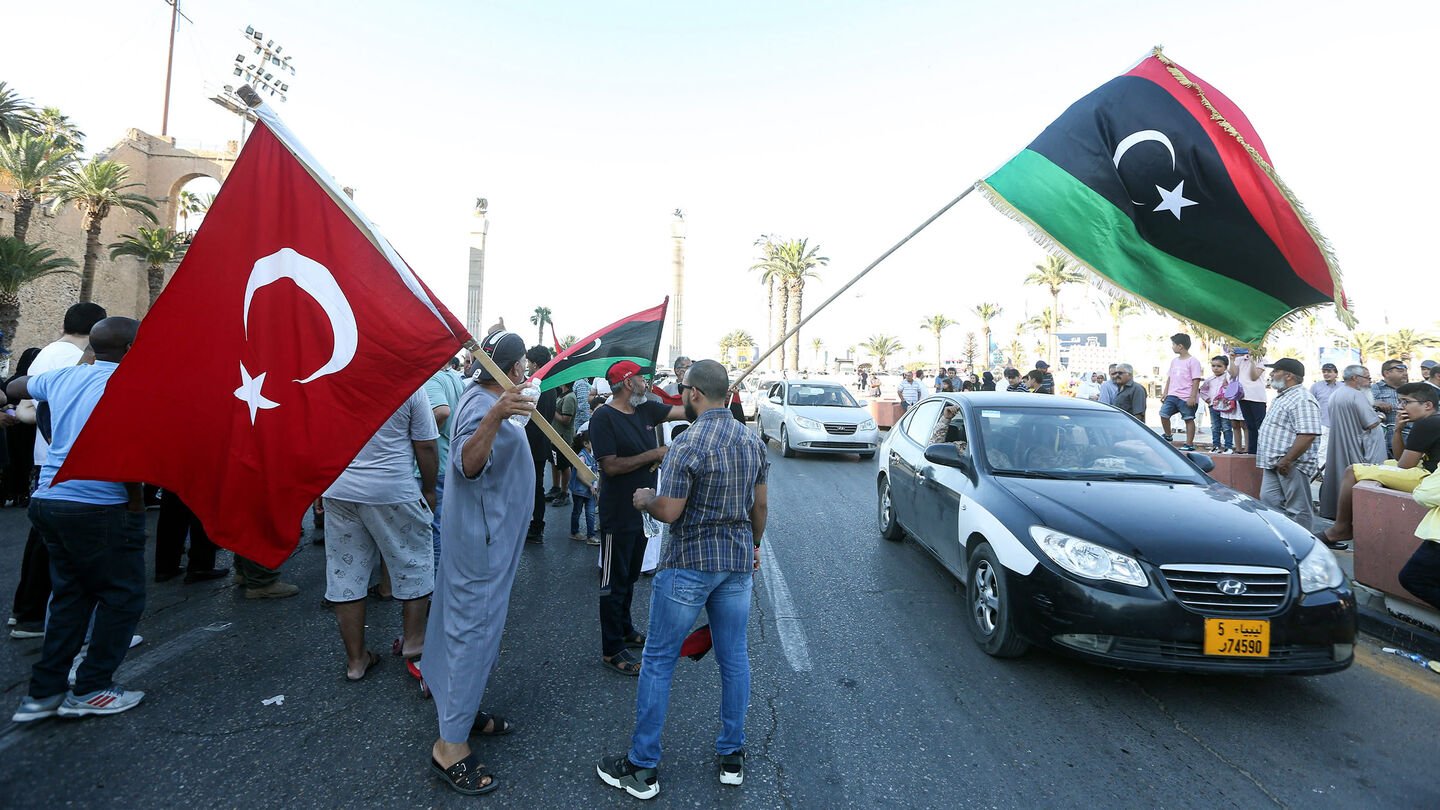
That changed starting in 2023, when Erdoğan receivedAguila Saleh, speaker of Libya’s House of Representatives in the east, signaling a thaw in relations with Haftar. The rapprochement that followed has included bilateral meetings between senior Turkish military officials and Saddam Haftar, the reopening of Turkey’s consulate in Benghazi, joint naval exercises, and, finally, a meeting between İbrahim Kalın, head of Turkey’s National Intelligence Organization, and Khalifa Haftar to discuss the ratification of the 2019 EEZ maritime agreement.
Ankara’s military approach, moreover, signals a readiness to go beyond simple diplomatic leverage over gas fields. From providing Bayktar drones to facilitating joint military exercises for the leader Erdoğan once called a coup plotter, Ankara’s strategic objectives in Libya are shifting from simply breaking its isolation to amplified projections of power. In a few short years, Ankara has grown its footprint in Libya to become a leading player in its possible unification, further cementing Turkish power in Africa.
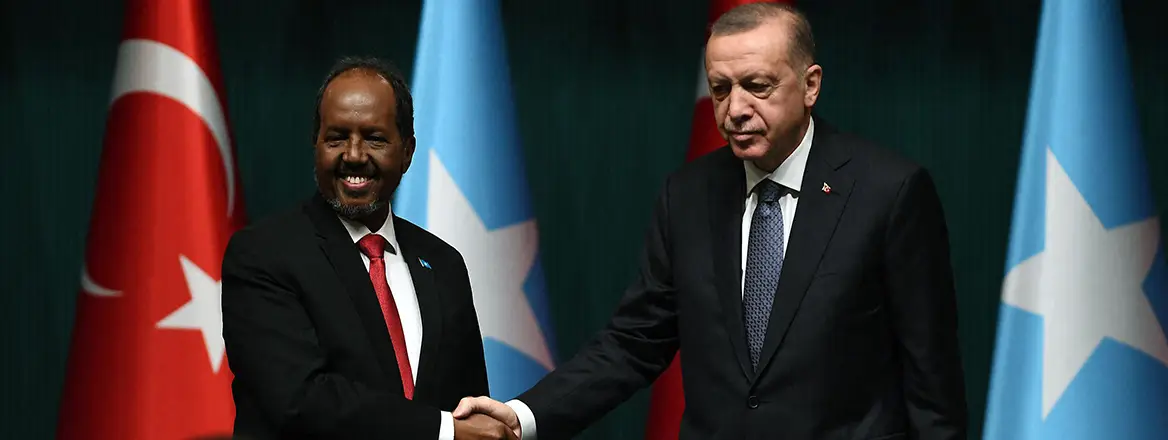
Turkey’s shift towards pragmatism shows Ankara is capable of going beyond simple ideological alliances to embrace former rivals in pursuit of its own interests—a feat other regional powers like Egypt, Qatar, and the UAE routinely fail to achieve. After a decade of backing Islamists across the region, Turkey’s alliances today are not so dependent on an actor’s ideology. Previous rivals across the region, even those with deep historical grievances, such as Khalifa Haftar, Egypt, and Saudi Arabia, are getting a second look.
But Libya, in particular, shows Turkey’s newfound willingness to recalibrate pragmatism with ideology, creatively break down diplomatic barriers, and achieve foreign policy objectives. The successor state of the once-great Ottoman Empire is again on a trajectory of becoming a major regional power with meaningful, not marginal, leverage.