
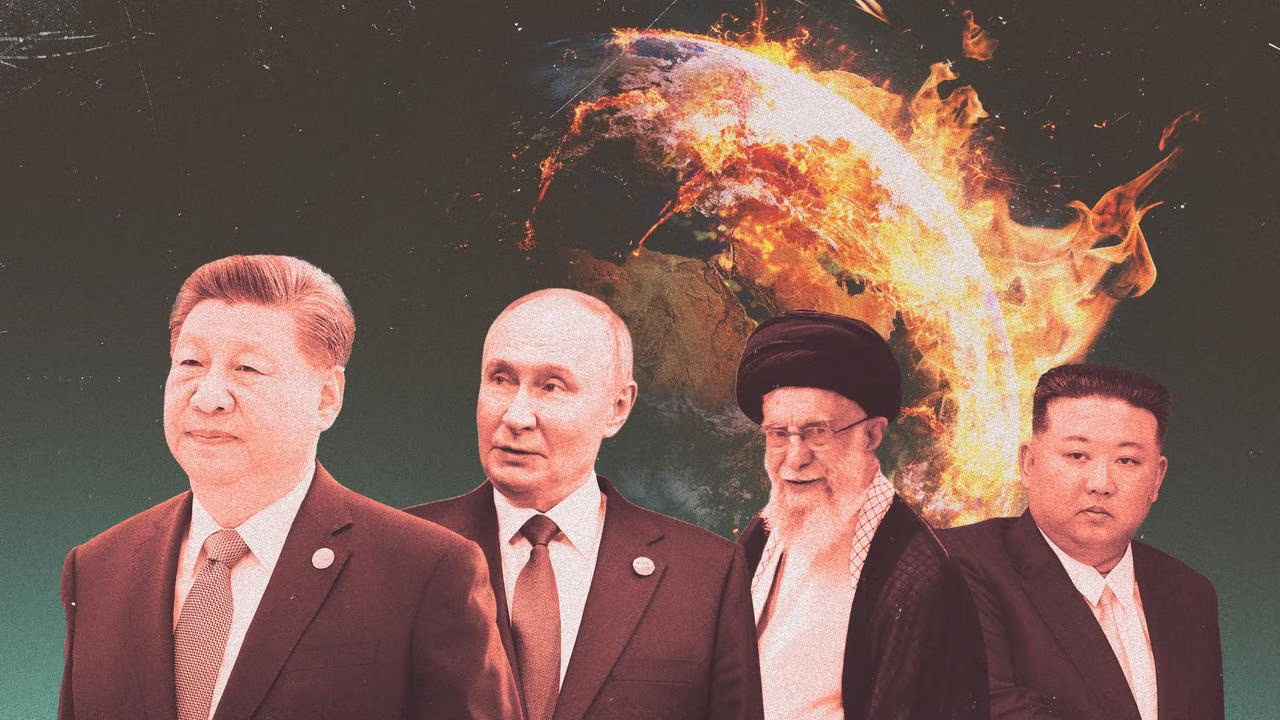
Emerging autocratic alignments among Moscow, Beijing, Tehran, and Pyongyang combine intelligence sharing, arms transfers, and economic support, directly neutralizing Western deterrence and straining American military readiness across multiple contested operational theaters.
Geopolitical alignment among revisionist states represents a structured, transactional challenge to Western hegemony and regional security architectures. The emergence of a coordinated China-Russia-Iran axis alters conventional deterrence by integrating intelligence sharing, defense material transfers, and sanctions-evasion networks across Eurasia and the Middle East. Rather than operating through formal mutual defense treaties, these autocratic actors exploit overlapping strategic objectives to dilute American influence and stretch Western defense resources across multiple theaters.
This systemic collusion enables individual member states to mitigate isolation, secure critical military technologies, and project power with reduced risk of direct Western intervention. Consequently, the operational weight of the China-Russia-Iran axis complicates military planning for Washington and its regional allies, turning localized disputes into interconnected international security crises. As transactional aid flows bidirectionally—exchanging defense equipment, satellite intelligence, and economic safety valves—the capacity of traditional sanctions to enforce compliance diminishes significantly. Understanding this informal coalition requires evaluating how strategic convergence accelerates institutional resilience among autocratic regimes while simultaneously eroding the global rules-based order.
Unpacking the China-Russia-Iran axis
Russia helps Iran target US bases in the Persian Gulf. Ukraine strikes an Iranian ship in the Caspian Sea to disrupt strategic trade between Moscow and Tehran. Rumors abound that China is preparing to sell Iran air defenses and that North Korea may dispatch more troops to support Russia’s war against Ukraine.
Taken separately, these look like isolated incidents. Taken together, they reveal the thickening web of connections among US adversaries—and the contours of a dangerous world full of interlocking rivalries and wars.
Tracing decades of mutual defense ties
Ties between US adversaries go back decades. North Korea and Iran have swapped missile technology since the 1980s. Today’s relationship between Russia and China has been developing since the 1990s. But the trend toward adversary alignment accelerated sharply in 2022, when Russia attacked Ukraine.
That invasion came just after Russian President Vladimir Putin and Chinese leader Xi Jinping signed their “no limits” strategic partnership. And once Putin’s aggression backfired, exposing Russia to international isolation and the risk of outright defeat, it catalyzed new cooperation among autocratic friends.
China became Putin’s foremost accomplice, by absorbing trade banned from Western markets and delivering technology that underpins Russia’s defense industry. Iran provided drones and expertise in using them. North Korea sent ammunition, missiles and even troops to bolster Moscow’s beleaguered forces.
Exchanging military assets and intelligence
Putin’s war has been underwritten by an entire autocratic coalition. But these relationships are nothing if not transactional, and payment has come in the form of aid that flows the other way.
Russia has backed Iran against the US, giving Tehran precise coordinates for American facilities and lessons on how to make drone and missile attacks—of the sort it has been ruthlessly mounting against Ukraine—more damaging. Moscow also aided the Houthis, an Iranian proxy, when they were ravaging Red Sea shipping in 2024.
Putin has delivered sensitive technology for North Korea’s military industry while shielding Pyongyang from sanctions. Beijing is reaping benefits in Russian high-end military goods, such as advanced air defense and submarine-quieting technology. Add in other burgeoning relationships—such as Chinese help for Iran’s missile industry—and you have a complex network of connections among the world’s revisionist powers.
Are these informal alliances durable
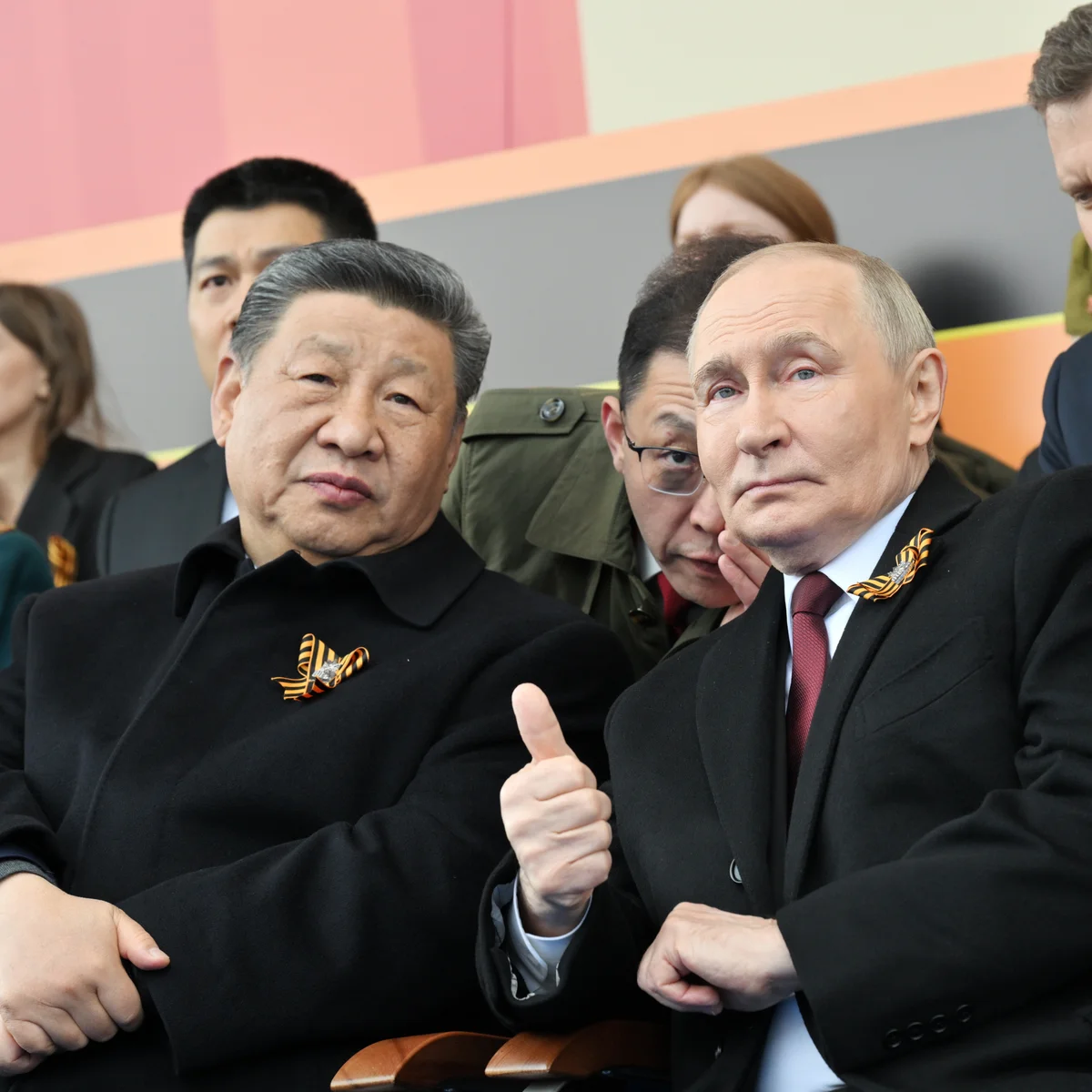
Most of these relationships aren’t formal alliances: They lack the security guarantees the US has long offered its friends in Europe and Asia. Tensions are rife even within productive relationships: Russian nationalists resent their country’s economic and strategic dependence on Beijing, as well as the perception that Moscow has become China’s junior partner.
But this axis of revisionists is welded together by shared hostility to American power and the US-led alliances that constrain their visions of aggrandizement. And whatever one calls these relationships, they make many of America’s strategic problems worse.
Stretching American military resources globally
The West struggles to force Russia to accept a cease-fire or otherwise stop battering Ukraine so long as Putin has succor from other autocrats. Challenges to freedom of navigation in the narrow waterways around the Arabian Peninsula are made more lethal by Russian aid to Iran and the Houthis—strategic payback, perhaps, for America’s assistance to Ukraine.
Chinese and Russian patronage shields North Korea as it continually upgrades its increasingly threatening missile and nuclear arsenals. Meanwhile, the gravest threat the Pentagon faces—China’s intensifying challenge to the balance of power in the western Pacific—is magnified by the sensitive military technology Putin provides to Beijing.
Strategic consequences of the China-Russia-Iran axis
The revisionist states also help each other less directly by scattering America’s attention and resources. Predations by Moscow and Tehran keep the US from focusing on the Pacific. If war breaks out in that region, China will reap huge benefits from the degradation of US munition stockpiles and military readiness caused by America’s serial conflicts in the Middle East.
Beijing and Moscow also try, through cooperative military exercises in places from the East China Sea to the Arctic, to signal something even more ominous: That they might work together in the next great-power crisis or war.
Reinforcing capabilities against democratic cohesion
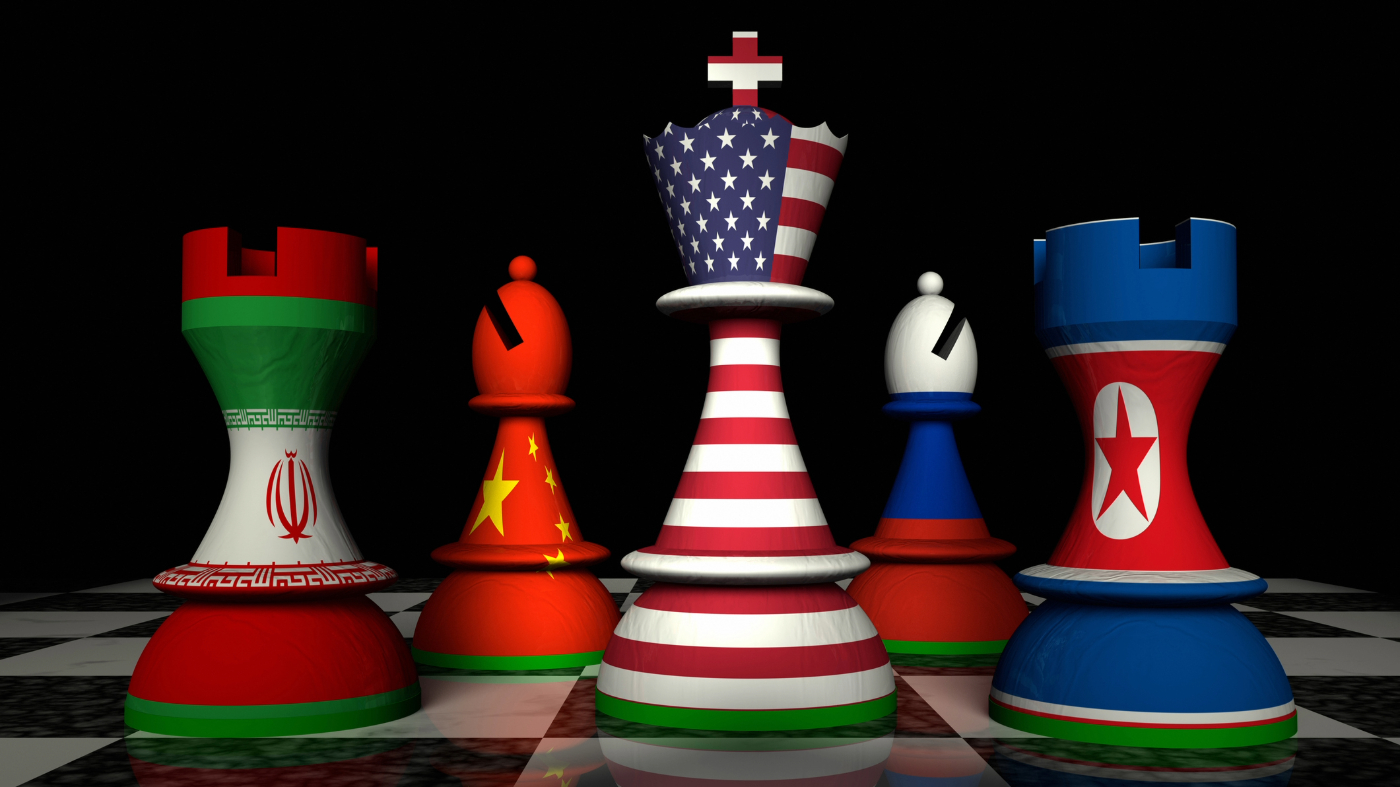
Armchair strategists argue that the US can pirouette out of this problem by executing a “reverse Kissinger”—reducing tensions with Russia to concentrate on Beijing. But there’s no easy response to the adversary alignment problem: Even if these relationships are transactional and mistrustful, the basic convergence of interests is profound. And when autocratic leaders observe Iran’s ability to fight the US to a stalemate, Russia’s stamina in the Ukraine war and China’s growing strength and confidence, they may well conclude that the geopolitical momentum is on their side.
The best the US and its allies can do is fortify military capabilities and bonds of cooperation. Yet while military spending is rising throughout the democratic world, strategic cohesion is plummeting—along with faith in American competence and leadership. The costs of that decline only rise as autocratic convergence becomes more pronounced.
We aren’t, yet, living through an all-consuming maelstrom of the sort that tormented humanity in World War II. But the US and its allies are confronting something only moderately less sinister and challenging: an age of colluding revisionists and converging conflicts around the globe.