
Pentagon operations against Iran cost $67.7 billion, with munitions replenishment over $25 billion. Continuing resolutions block production increases, cutting $1.7 billion in daily buying power and delaying THAAD and PAC-3 MSE restocking.
The US defense funding crisis has moved from accounting dispute to immediate operational threat. Six months of conflict with Iran have consumed $67.7 billion in incremental costs, yet Congress has not approved the $67.1 billion supplemental request needed to restore what was spent. Missile interceptors and offensive munitions account for over $25 billion of that replenishment burden, and every week of delay prevents production increases. The problem is not simply fiscal.
It is also strategic: shallow magazines and missed Navy maintenance windows erode deterrence against China while the Pentagon waits for stable funding. A continuing resolution would lock in $153 billion in cuts from 2026 levels and strip $1.7 billion in daily buying power. That constraint falls hardest on the very capabilities consumed in active combat, from THAAD interceptors to carrier battle groups.
The US defense funding crisis therefore forces a direct choice between replenishing readiness now or accepting a wider missile gap later. Congress cannot separate the supplemental from the 2027 budget without compounding a problem its own underfunding of munitions accounts helped produce. The military has already incurred these costs; refusing to pay them only borrows against future modernization.
US Defense Funding Crisis Hits Pentagon
After six months of off-and-on conflict with the regime of the Islamic Republic of Iran, another deadline for a deal has come and gone. As the President mulls his options, whatever step he takes next will likely involve continued activity of some kind by the United States military. This means expenses, which means necessary Congressional support.
Munitions Replenishment Costs Surge
According to our estimates, which started tracking the incremental costs for Epic Fury in late December 2025 with the movement of military capability, operations in the Middle East and the Caribbean have cost the Department of War $67.7 billion this fiscal year. In June, the White House requested $67.1 billion in supplemental funding to cover unbudgeted expenses. These are costs already incurred by the military as it carries out orders. Replenishment of money spent has direct bearing on military readiness and modernization momentum, now and in the future.
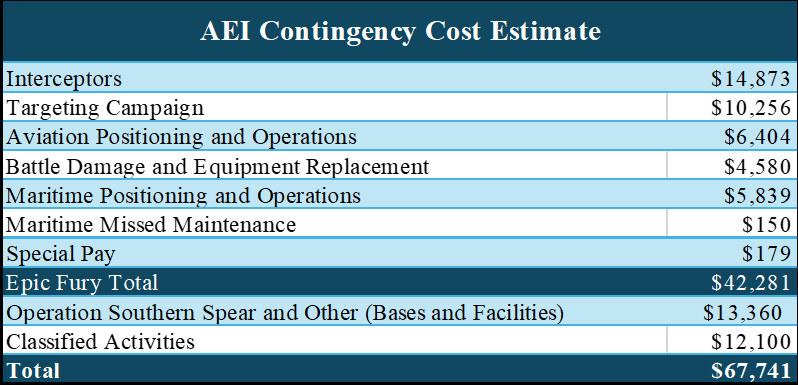
Offensive munitions and missile defense interceptors (interceptors and targeting above) are the primary cost drivers for the conflict in the Middle East. We estimate that the cost to replenish expenditures on a one-for-one basis is over $25 billion. Although the health and manufacturing capacity of the arsenal is already a priority in the 2026 budget, replacing these missiles will take years and requires sustained momentum with money in the supplemental and 2027 budget requests.
Missile Gap With China Widens
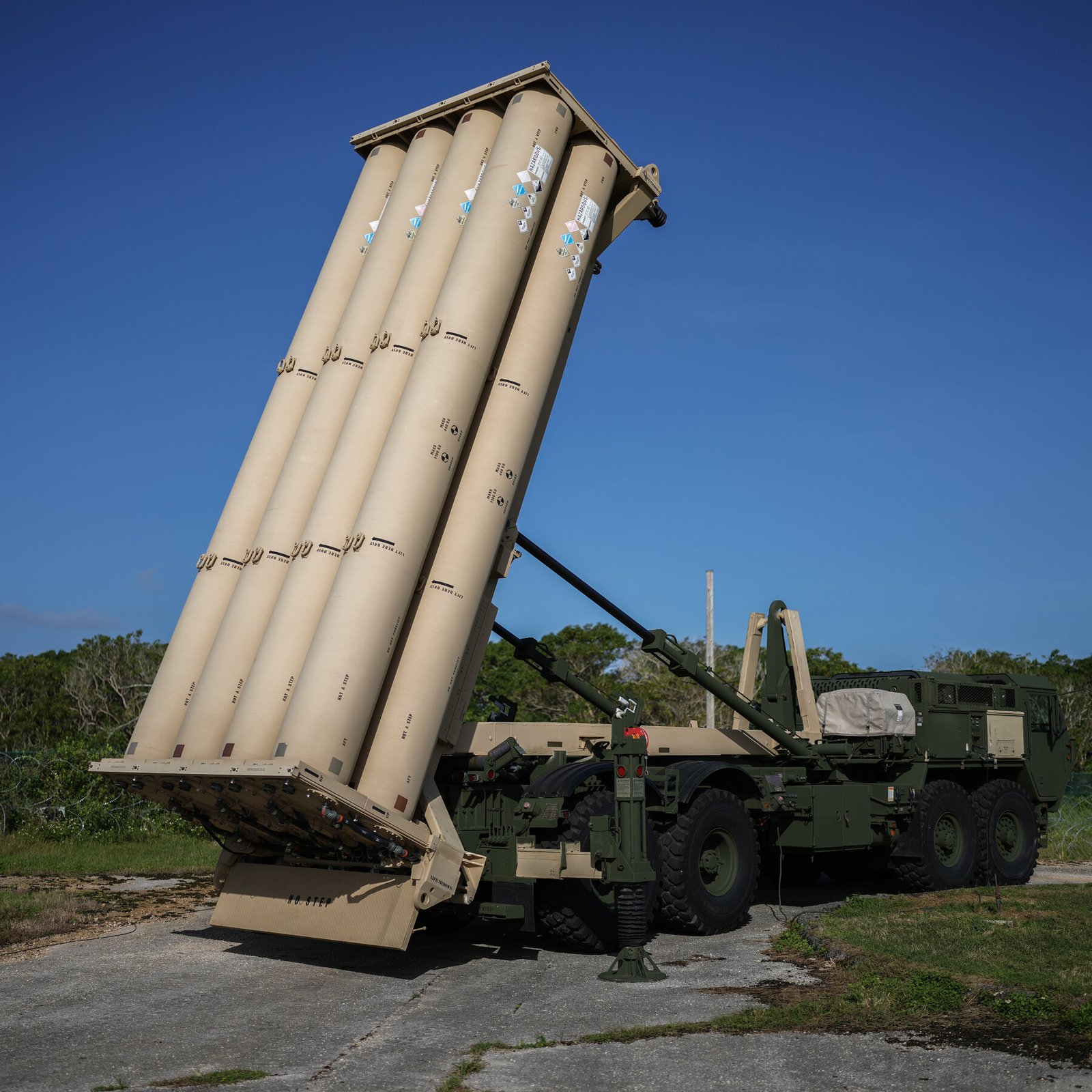
Members of Congress often note that the global threat environment is more dangerous now than at any time since World War II. Our recent analysis shows the current gap between United States and Chinese hard power in the Pacific, including missile forces. The longer Congress waits to act, the wider and larger the missile gap grows. Congress must act with urgency to replace the diminishing stockpiles of THAAD, PAC-3 MSE interceptors and the nearly 2 dozen types of munitions used during the conflict.
Battle Damage Adds Billions
The next largest category of costs is measured in damage to United States bases and equipment in the Middle East. Though comprehensive official data on which to base an estimate in facility damage remains a work in progress, when combined with equipment repair and replacement, these costs could top $15 billion (battle damage and equipment replacement and $10 billion for facilities). Which facilities get rebuilt remains unclear, but some rebuilding is certain, as are repairs and replacements for damaged and destroyed equipment.
Navy Maintenance Slips Further
Though coming in at third place as a cost driver, replenishment of operational and pay accounts are the most time sensitive. Sustaining equipment, including carrier battle groups, a HIMARS system, and manned and unmanned aircraft fleets, means costs grow daily. While the operating costs of these systems are not cheap ($12.5 billion), the greater costs are to the future of Navy readiness.
Extended deployments of multiple carrier groups and missed maintenance windows for other surface ships demonstrate the fragility of the Navy in comparison to the expansive mission sets it is called upon to undertake. Congress must pass the supplemental to ensure equipment maintenance and repairs are not deferred and that choices required to cash flow operational costs do not sacrifice readiness and future modernization momentum. It should also focus on finding creative solutions to increase the availability of ships to meet the missions assigned to the Navy.
Classified Programs Strain Budget
The last main cost driver is a new category we used to capture the cost of incremental classified activities. The June supplemental request included $12.1 billion for classified programs. We have included that estimate in our total. We also included $3.4 billion for costs incurred throughout Operation Southern Spear. Though the operational drain is modest by comparison, it adds to the overall shortfall the Pentagon is juggling this fiscal year.
Continuing Resolution Blocks Production
Congress has apparently already accepted failure in passing the 2027 budget on time, as each chamber approved differing continuing resolutions that punt deciding final appropriations until after the mid-term elections.
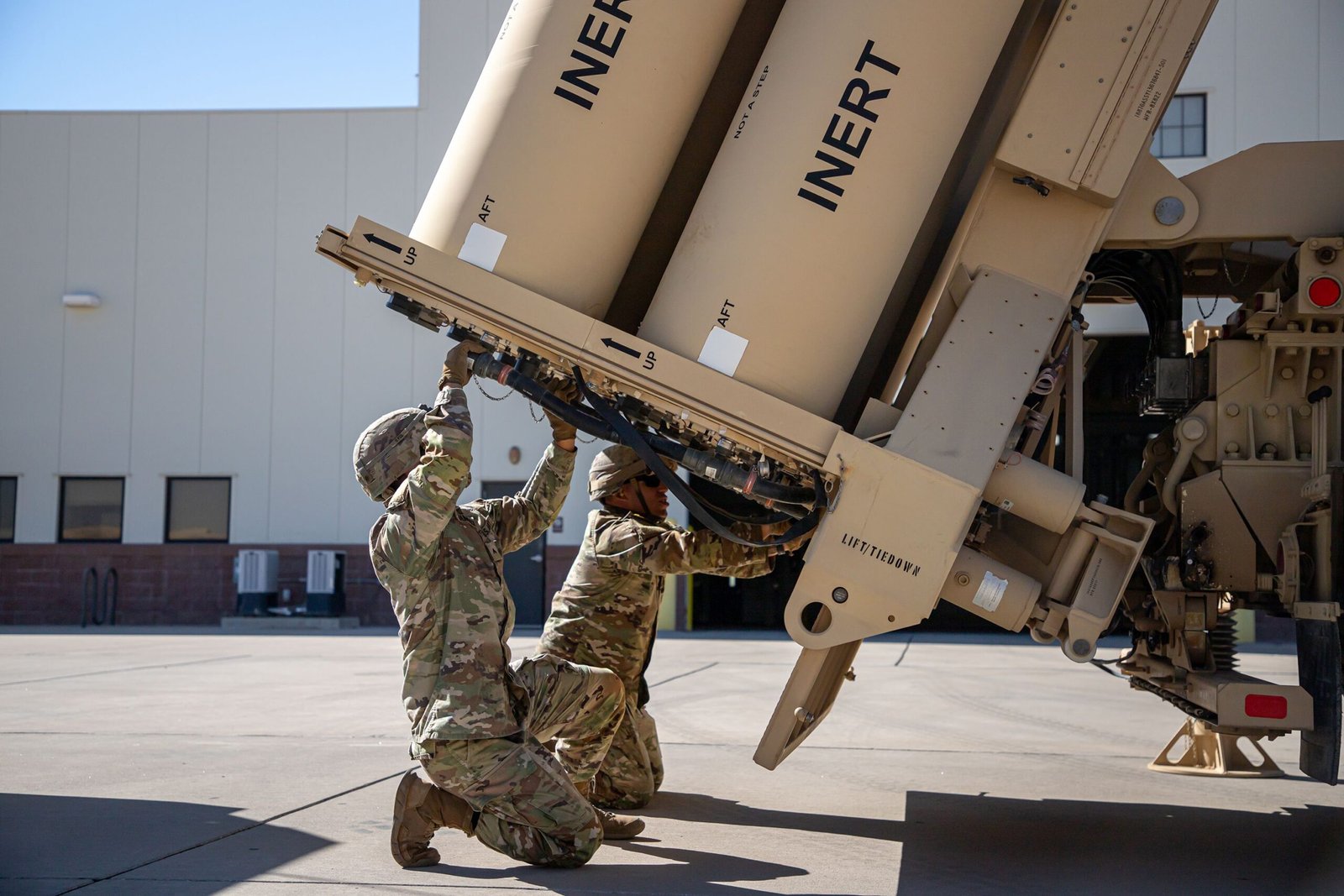
The impending continuing resolution makes the urgency for supplemental funding to cover contingency operations even more vital. Under the continuing resolution no production increases or program accelerations are possible, so there will be little to no progress on refilling dwindling munitions stockpiles. Equipment replacement and operations budgets will be further constrained, because the Pentagon would be forced to operate under an almost $153 billion cut from total 2026 funding, and with $633 billion less than requested. This amounts to $1.7 billion in lost buying power each day.
End the US Defense Funding Crisis
Congress should not play political brinkmanship with a problem its own choices in large part produced. Shallow magazines are a product of years of underfunding munitions accounts and the compounding costs of continuing resolutions and government shutdowns which bar new production and quantity increases. Instead, Congress must put the policy question of the Iran war aside and pass the defense supplemental, immediately followed by the full 2027 budget.