
US removal of Syria from the SST list and HTS from the SDGT list opens access to global finance and technology. BIS regulatory changes are expected, while unresolved FSIA judgments and China’s trade expansion shape the next phase.
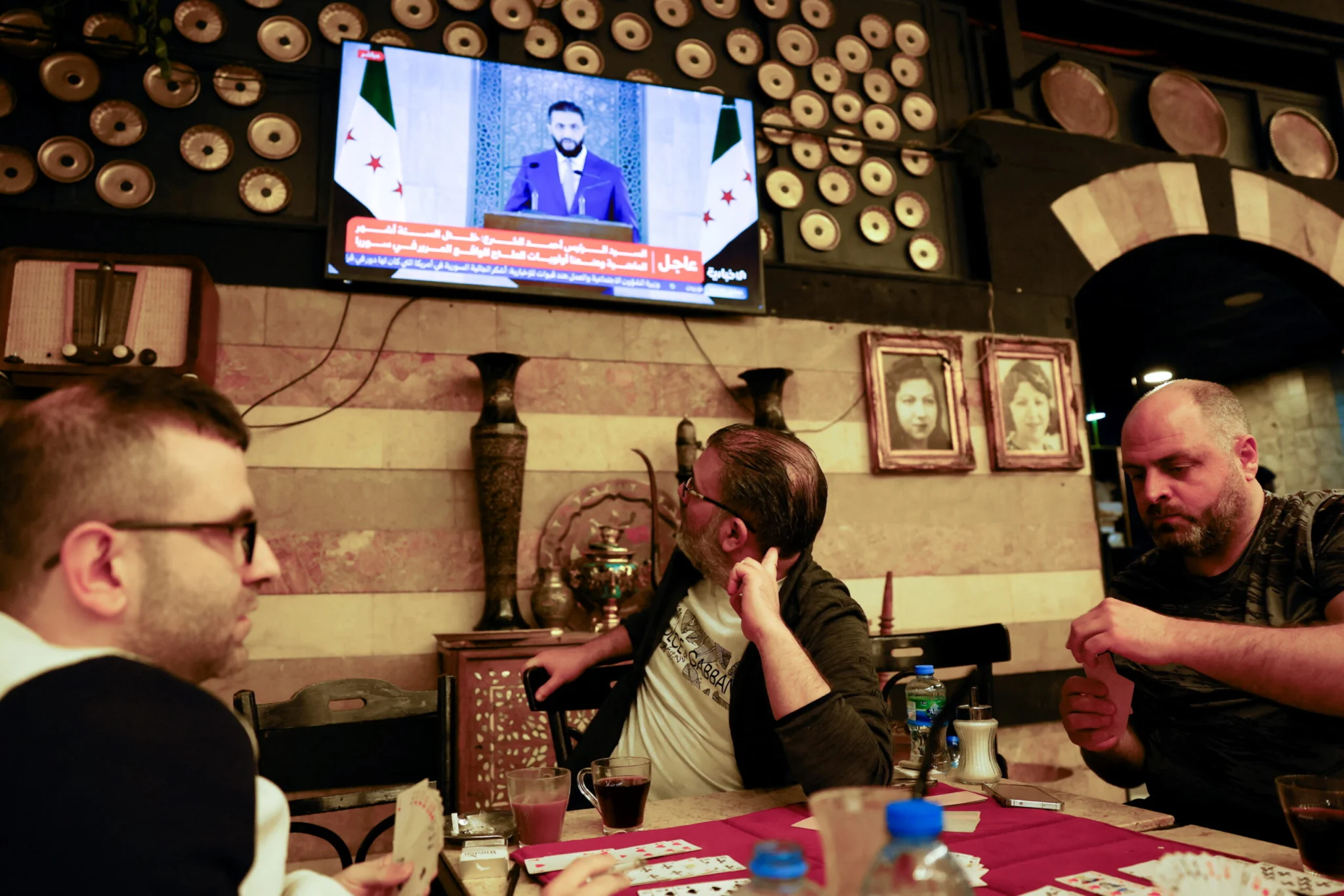
Syria sanctions relief has moved from incremental policy easing to a structural opening of the Syrian economy. The routine act of Ahmed al-Sharaa paying for coffee with a credit card in Damascus on Wednesday would have been legally impossible just days earlier. It became possible because the US Department of State removed Syria from the State Sponsor of Terrorism list and revoked the designation of Hay’at Tahrir al-Sham as a Specially Designated Global Terrorist organization. These actions eliminate a major impediment to Syria’s desired integration into the global economy.
The significance extends beyond symbolism. Removal from the SST list unlocks access to the US-dominated financial system, clears the path for dual-use technology sales, and reduces the unofficial deterrent effect that kept foreign investors away. Yet Syria sanctions relief is not automatic. The Bureau of Industry and Security must still adjust export regulations. Syria must confront more than $31 billion in outstanding court judgments under the terrorism exception to the Foreign Sovereign Immunities Act. And China’s rapidly expanding trade relationship with Damascus—exports rose over 300 percent in a year—creates urgency for Washington to facilitate Western business entry. The coffee purchase is a small transaction, but it signals a strategic shift with profound economic and geopolitical consequences.
What Is the SST List
The act itself is routine for millions around the world each day. But Syrian leader Ahmed al-Sharaa made international headlines on Wednesday by using a credit card to pay for coffee in a Damascus restaurant. This method of payment would have been impossible just days earlier.
The purchase was made possible by Monday’s announcement that the US Department of State removed Syria from the State Sponsor of Terrorism (SST) list and revoked the designation of al-Nusrah Front, also known as Hay’at Tahrir al-Sham (HTS), as a Specially Designated Global Terrorist (SDGT) organization. While US President Donald Trump has gradually eased sanctions on Syria since the ouster of dictator Bashar al-Assad in December 2024, the removal of Syria from the SST list and revocation of the designation on HTS eliminated a major impediment to Syria’s desired integration into the global economy. And this allowed the coffee purchase—a transaction involving a US financial corporation that would have been prohibited by the previous sanctions regime.
How SST Designation Harms Economies
The US secretary of state has the power to formally designate a foreign government as an SST if it has “repeatedly provided support for acts of international terrorism” pursuant to the Export Administration Act of 1979, the Foreign Assistance Act of 1961, the Arms Export Control Act, or any other relevant provision of law.
The list of designated state sponsors of terrorism is published every year on April 30. As of now, three countries are on the list: Cuba, Iran, and North Korea. Syria’s designation had been in place since 1979—longer than any other country currently on the list.
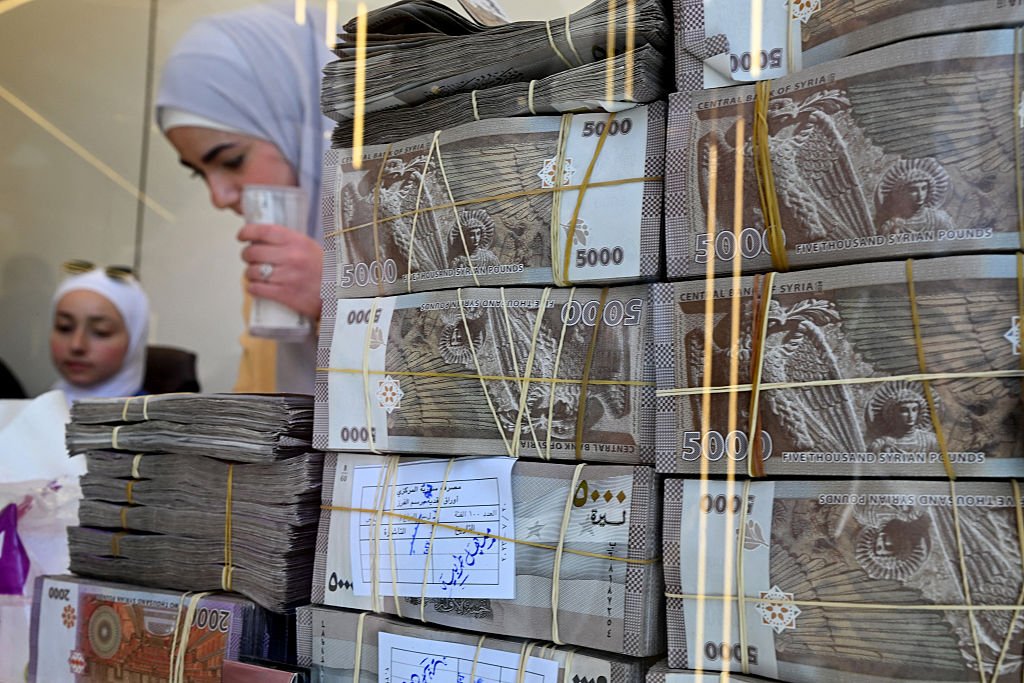
The effects of an SST designation are vast and can hobble the economy of a designated country. These include bans or limitations on trade, aid, and access to the US-dominated global financial system. Obvious restrictions apply to any military or defense items, but bans can also extend to the sale of technology and communications items that have both civilian and military uses. And while financial backing from Saudi Arabia and Qatar allowed Syria to become eligible for World Bank loans, countries on the SST list often face hurdles in accessing aid money from the World Bank, the International Monetary Fund, and other institutions.
Indeed, concerns from the US State Department that an SST designation would disrupt delivery of humanitarian aid to occupied areas in Ukraine was one publicly stated reason that Russia was not placed on the SST list when the idea was proposed after Russian forces launched their full-scale invasion of Ukraine.
What Changed on Monday
The process that led to the US State Department’s announcement on Monday began earlier this summer. On July 8, the department announced that Trump had notified Congress of his administration’s intent to remove Syria from the SST list. This kicked off a forty-five-day congressional review, resulting in Monday’s announcement.
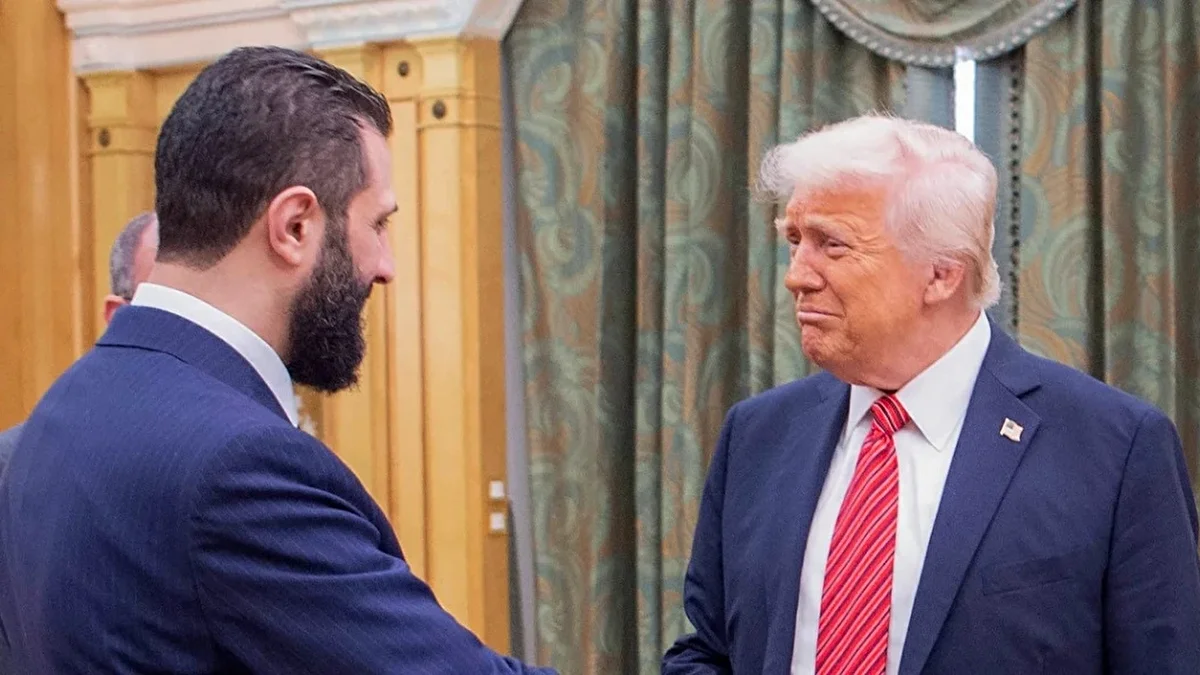
The removal from the SST list was the next logical step in the warming relations between Trump and al-Sharaa. The two first met in Riyadh in May 2025, and al-Sharaa subsequently visited the White House in November 2025. Sanctions relief and security discussions have been at the core of US-Syria talks throughout the past year.
Additionally, the removal of HTS from the SDGT list was important for the legitimacy of Syria’s new government, since al-Sharaa and many in his cabinet were part of HTS. This allowed the US Department of the Treasury’s Office of Foreign Assets Control (OFAC) to then remove HTS from the Specially Designated Nationals and Blocked Persons List (known as the “SDN List”). Back in July 2025, the US secretary of state revoked the Foreign Terrorist Organization designation for HTS—a separate terrorism designation by the US government—so the SDGT listing was the last hurdle to US engagement with the organization and its members.
All these moves combined mean that Syria is now open for business—certain transactions previously prohibited by the sanctions no longer need special licenses or general licenses from OFAC.
Why Did This Happen Now
One potential reason the Trump administration made this move now is China, which is expanding trade with Syria. According to data from the Observatory of Economic Complexity, exports from China to Syria increased by more than 300 percent, from $33.3 million to $150 million, between June 2025 and June 2026. This outpaced US exports to Syria in the same period and is largely driven by the sale of technology.
As long as Syria remained on the SST list, sales by US and allied companies of electronics, computers, telecommunications, and other products considered “dual-use” would continue to be subject to lengthy delays for licensing exceptions. All SST countries are in country group E within the US Export Administration Regulations set by the Bureau of Industry and Security (BIS)—which bans these exports from the US unless waivers are obtained.
BIS can now remove Syria from that list. Earlier this year, Syria’s Ministry of Communication and Information Technology said that US restrictions on trade “hinder the availability of many American technologies and services in the Syrian market,” and that it would welcome US business once conditions allowed.
US concerns about Syria turning to Chinese technology also involve national security, not just sales numbers. From a US national security perspective, the sale of US and European technologies to Syria is preferred.
One example of how the SST designation proved a hindrance to this cooperation was in Syria’s dealings with the Finnish telecom company Nokia. In August 2025, the Syrian Ministry of Communication and Information Technology announced the return of Nokia to the Syrian market. However, the finalization of a $30,000 deal for Nokia to sell telecommunications equipment to the Syrian parliament was delayed for months until Nokia finally obtained a US license in June. The delay risked forcing Syria to turn to other sources for the telecommunications support, such as China’s Huawei.
What Syria Sanctions Relief Unlocks Next
There are several important developments for Syria’s reintegration into the global economy that are enabled by the country’s removal from the SST list, but they are not automatic.
The first step is for BIS to remove Syria from country group E, reserved for SSTs. BIS could take this step within a few weeks, or wait for months. An updated advisory issued jointly by the US Departments of Commerce, State, and Treasury indicates that “further regulatory adjustments to the Export Administration Regulations (EAR) are expected”—but they did not give a timeline.
Another question is whether Syria will be added to country group B, which is subject to less stringent license review policies. The countries neighboring Syria in group B include Jordan, Lebanon, Turkey, and Israel. However, Iraq—despite not being an SST—is in country group D, which has far more restrictions. Following the US Department of State’s removal of Sudan from the SST list in December 2020, Sudan was added to country group B a month later. Adding Syria to country group B at a similar pace would hasten the ability of Western companies to enter the Syrian market.
The $31 Billion Legal Question
The second development to look out for is whether Syria’s government will negotiate a settlement with the US government to address the more than $31 billion in outstanding court judgments against Syria under Section 1605A of the United States Code, or what is commonly referred to as the “terrorism exception” to the Foreign Sovereign Immunities Act (FSIA). The FSIA grants foreign states immunity from suit in the United States, subject to limited exceptions, one of which concerns terrorism-related activities by an SST-designated state.
This has resulted in multiple suits in US courts against Assad’s Syria. Plaintiffs include a Syrian-American doctor subjected to torture, the sister of an award-winning journalist who was killed in Syria, and hundreds of people alleging that they were harmed by Assad providing material support to Hamas and other militant groups. Suits are still being filed even following Syria’s removal from the SST list, and more than a hundred additional cases remain pending with the possibility of an additional $100 billion or more in damages.
Compare that to Syria’s projected gross domestic product this year of $60–65 billion and it is easy to see that the math will not add up.
Can Syria Settle Its Legal Debts
Given these cases, Syria’s government is likely looking to retain legal counsel in Washington, DC that is well-versed in FSIA litigation and enforcement. Syria’s leaders and the state’s legal representatives can draw on precedents set by countries previously removed from the SST list. For example, after the overthrow of Iraqi President Saddam Hussein, Congress passed legislation that permitted the US president to make the terrorism exception to immunity inapplicable to Iraq, depriving the courts of jurisdiction over then-pending actions.
Then the Libyan Claims Resolution Act, signed by President George W. Bush in August 2008, required Libya to pay money into a settlement fund to compensate American victims of terrorism, after which Libya’s immunity to suit in US courts for injuries resulting from terrorist acts would be restored. This arrangement was unsuccessfully challenged in court by some plaintiffs. Similarly, Congress passed the Sudan Claims Resolution Act in December 2020 to restore immunity to Sudan from terrorism exception lawsuits. Sudan agreed to pay hundreds of millions out to claimants with existing judgments, and did indeed deliver on the payments.
A New Economic Era Begins
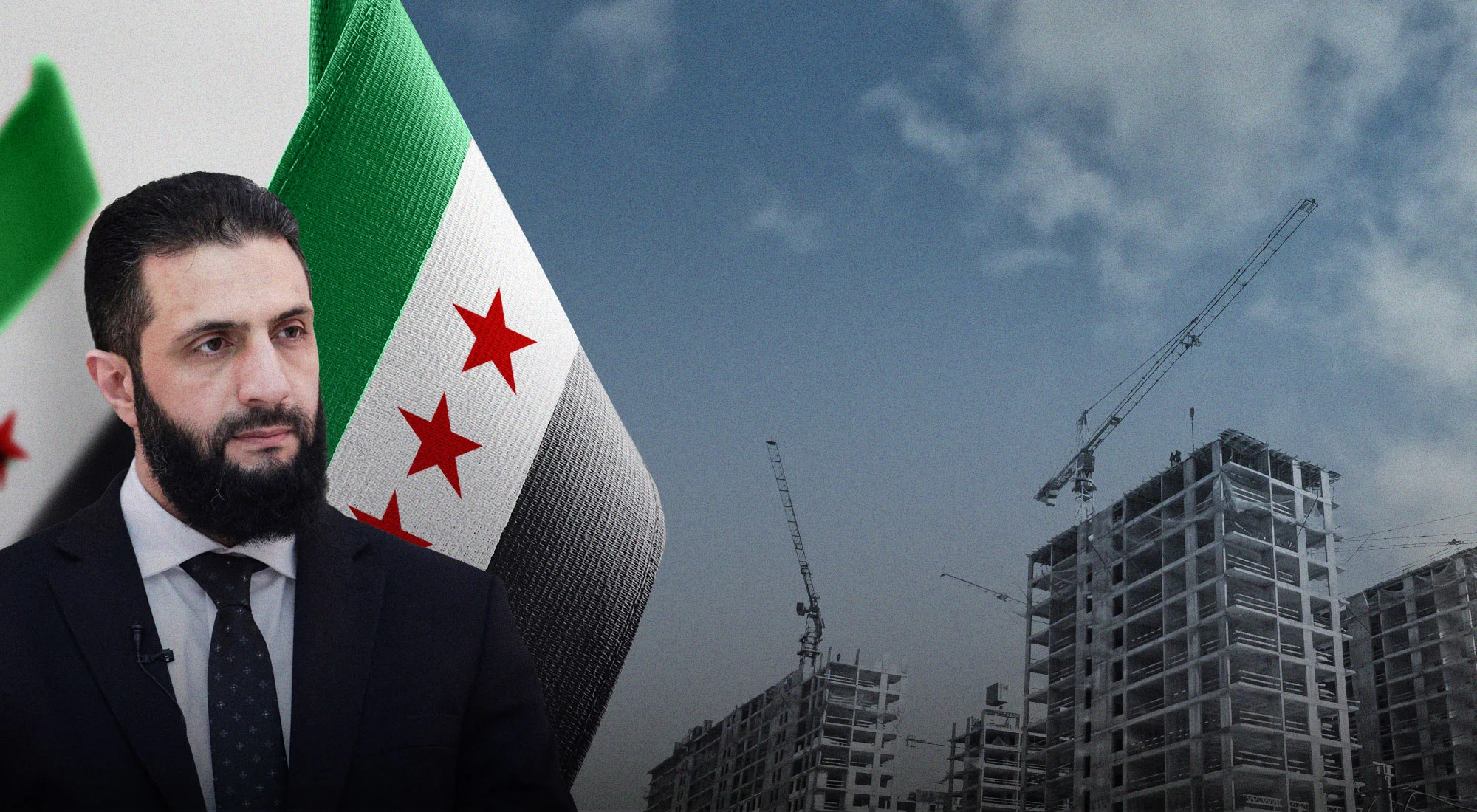
The removal of Syria from the SST list is yet another step toward Syria’s integration into the global economy. With much work ahead and Syria’s post-conflict reconstruction costs estimated at $216 billion, the country and its leaders will need all the help they can get in this post-Assad era.