
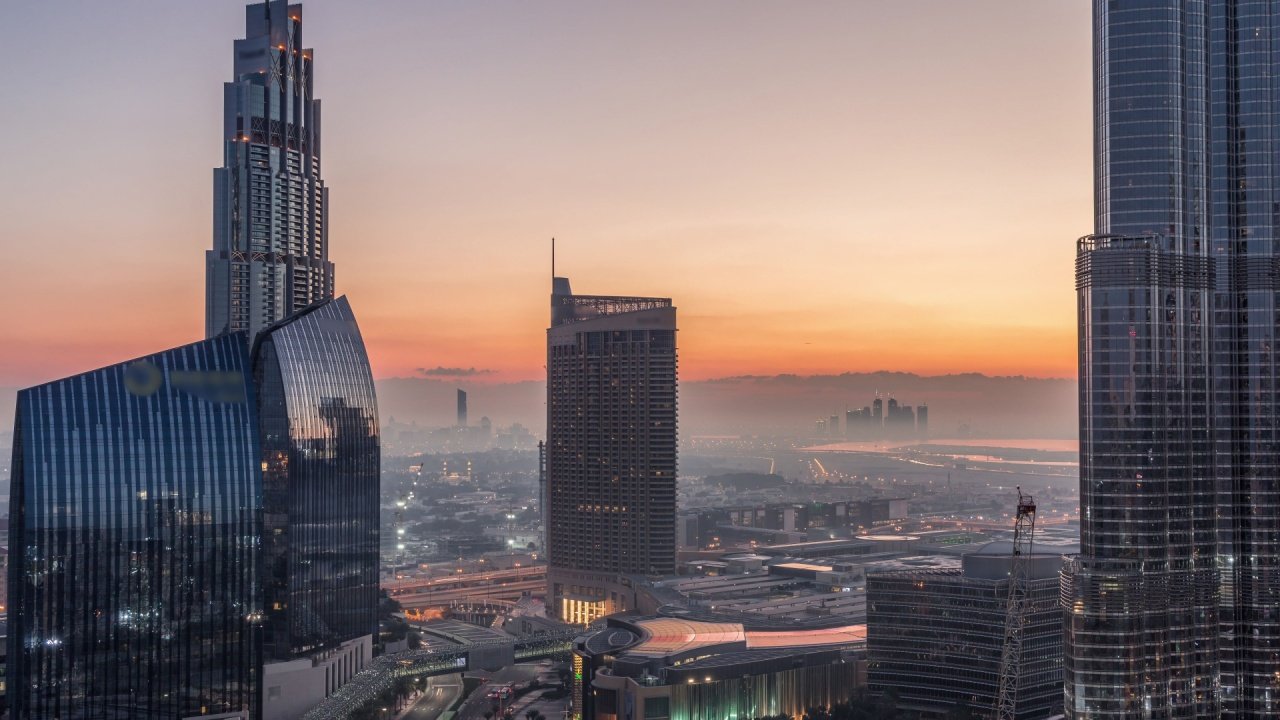
Iran’s direct strikes on the UAE catalyzed a collapse of the illicit “Sarraf” and hawala networks previously used to bypass sanctions. This joint U.S.-Emirati pressure targeted $45 billion in annual revenue, directly undermining Hezbollah’s operational budget and raising the cost of Iranian military procurement and regional destabilization efforts.
Iran’s attacks on the Gulf state have created an opportunity to starve Iran’s proxy network of funds.
After Iran unleashed more than 3,000 missiles and drones against the United Arab Emirates (UAE), over five weeks of the Iran War, the Gulf state’s patience snapped. The “bullying neighbor,” as Anwar Gargash, the diplomatic advisor to the UAE’s president, called Iran, had crossed a line. In response, the UAE doubled its efforts against illicit Iranian money networks.
By early April, Emirati authorities had detained dozens of Tehran-linked money changers, shuttered their exchange houses, and closed their offices, targeting especially the Sarraf networks that once funneled billions to the Islamic Revolutionary Guard Corps (IRGC), which Washington designates a Foreign Terrorist Organization (FTO).
The Emirati crackdown was more than a local security measure. It was a strategic pivot that now offers the United States a decisive new advantage in its maximum-pressure campaign against Iran’s shadow banking system. If Washington was looking for a bigger counterterrorism role among its partners, this is it.
The October 2025 report by the US Department of the Treasury’s Financial Crimes Enforcement Network (FinCEN) documented roughly $9 billion in suspicious transactions in 2024 routed through US correspondent accounts, much of it via more informal hawala exchange houses. These flows let Iran sell sanctioned oil and petrochemicals, procure military technology, and bankroll the IRGC and its proxies like Lebanon’s Hezbollah. The UAE’s new aggression against those same networks changes the game.
By acting on the ground, with arrests, asset freezes, and visa revocations, Abu Dhabi flexed the local intelligence and enforcement muscle that US regulators lacked. The US Treasury’s FinCEN can now marry its Suspicious Activity Reports with real-time UAE actions, freezing accounts more precisely and layering secondary sanctions on remaining facilitators.
The cost of Iranian evasion has thus risen sharply. The speed and volume of dollar flows have dropped substantially. Analysts estimate that a sustained crackdown could deprive Iran of tens of billions of dollars annually in hard-currency access.
In 2025, Iran’s illicit revenue was estimated at $45.7 billion. By cutting Iran’s already slim income, America and the UAE can exert real leverage in any post-war settlement and serve as a force multiplier for American sanctions policy.
The benefits reach beyond general pressure on Tehran. They strike directly at Iran’s most potent regional proxy: Hezbollah in Lebanon. The IRGC Quds Force moved hundreds of millions to Hezbollah, through trusted exchange houses and hawala-style arrangements. Those funds pay fighter salaries, buy rockets, dig tunnels, and sustain the group’s parallel state in Beirut. When the pipelines seize up, Hezbollah will certainly feel the pain immediately.
The April 2026 operation compounds earlier UAE moves, including the March dismantling of a Hezbollah- and Iran-funded terrorist network operating under commercial cover.
Trusted money-changer relationships built over decades are not easily rebuilt. Re-supplying missiles after costly launches against Israel and the Gulf states becomes exponentially harder.
With less money, IRGC recruitment across the region slows, political leverage in Lebanon erodes, and the group’s ability to project power on Iran’s behalf diminishes. Starving Hezbollah’s finances does not merely weaken a terrorist organization; it undercuts one of the IRGC’s most effective tools for destabilizing the Levant and threatening US interests from the Mediterranean to the Gulf.
Hezbollah has been active in Gulf countries like Kuwait, which has, since the outbreak of the Iran War, busted several of the Iranian proxy’s sleeper cells.
Critics may note that Iran has adapted to sanctions before. Adaptation, however, now carries higher costs and fewer reliable partners. The UAE’s shift signals to other Gulf states that tolerance for Iranian financial networks is a national-security liability rather than a commercial convenience. As Gargash made clear, the region cannot return to the pre-war status quo of unchecked missile and drone programs financed by shadow banking. The old model of managed economic ties is over.
The timing could not be more consequential. As the Iran war moves toward resolution, the UAE is translating its demand for a “different” post-war reality into concrete policy. By doubling down on enforcement in Dubai, the UAE is not only protecting itself; it is giving the United States a powerful lever to degrade Iran’s war machine and its forward operating base in Lebanon.
The shadow banking system that sustained Tehran’s aggression for years is beginning to collapse under joint pressure. Hezbollah, long the crown jewel of Iran’s “Axis of Resistance,” will feel that collapse most acutely.
In the end, Iran’s own aggression during the war proved to be the catalyst. By attacking the UAE so brazenly, Tehran prompted Abu Dhabi to double its efforts in cracking down on illicit Iranian networks. The result will likely be a stronger American sanctions effort and a noticeably weaker Hezbollah. That is a brilliant alignment of interests, one that Washington should certainly seize.