
Iraq’s incomplete 14-minister cabinet formation avoids a direct diplomatic rupture between the US and Iran over paramilitary governance integration, leaving deep structural vulnerabilities and sanctions exposure across critical economic sectors.
The sudden formation of the new administration in Baghdad exposes the deep systemic fractures undercutting the state’s sovereign framework, driven largely by the destabilizing influence of Iran-backed militias. Prime Minister Ali al-Zaidi faces an immediate geopolitical balancing act, attempting to manage intense counter-influence pressure from Washington while negotiating with entrenched domestic political networks. Ultimately, leaving the cabinet incomplete highlights a fragile strategy of evasion, ensuring that the integration of Iran-backed militias remains the primary fault line in Iraqi governance.
Iran-backed militias Restructure Baghdad Power
After six months of internal discord against the background of competing foreign interests, Iraq has formed its new government, ending the stasis that followed the November 2025 election.
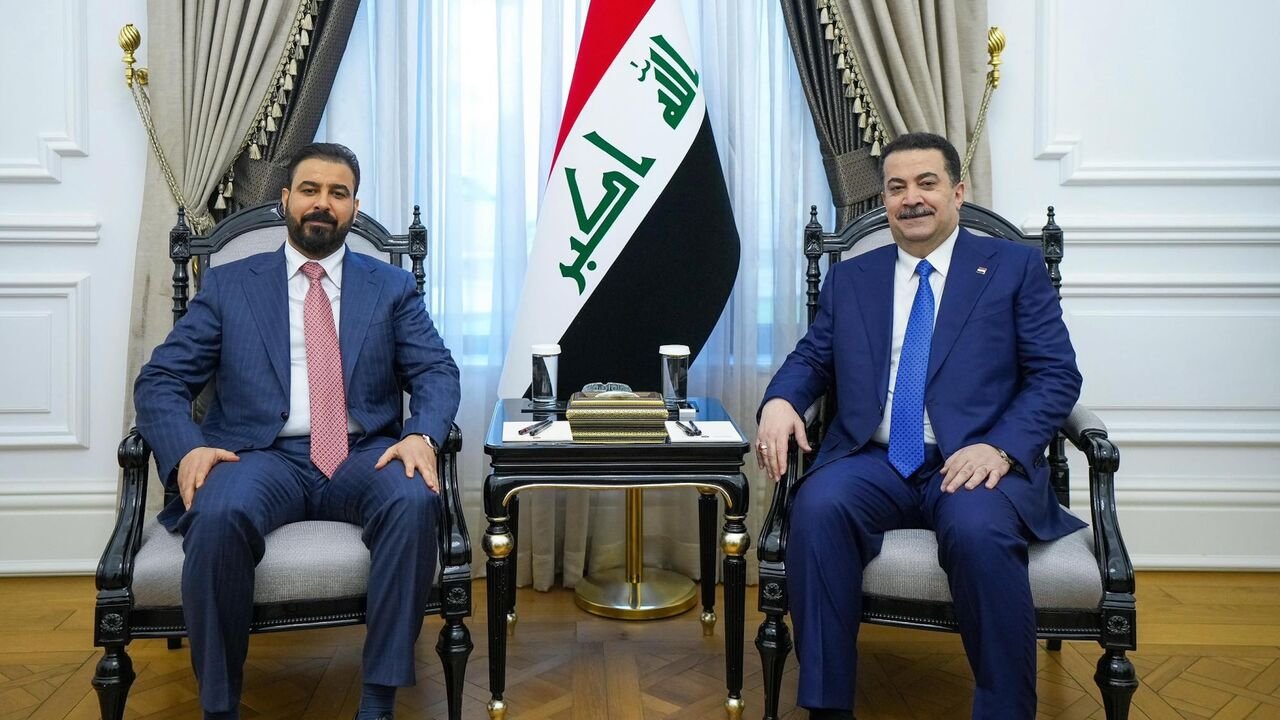
Prime Minister Ali al-Zaidi was sworn into office after the Council of Representatives approved a partial cabinet of 14 ministers. Zaidi intends to submit candidates for the remaining nine posts to the Council for a vote after Eid al-Adha at the end of May. By leaving the cabinet incomplete, the government dodged the issue of whether it would allow political parties affiliated with Iran-backed militias to fill cabinet posts. Since letting in the militias is a red line for Washington but a priority for the militias and their backers in Tehran, political tensions remain high.
Representatives of both Washington and Tehran have expressed their support for Zaidi’s new government. Yet the backgrounds of certain new ministers and vacancies at key ministries do not bode well for Baghdad’s cooperation with Washington’s goal of countering Iranian influence.
Political Wings of Iran-backed militias Eye Cabinet
No Cabinet Posts So Far for Political Arms of Terror Groups Washington informed Baghdad that the new government could not allow affiliates of Iran-backed militias to occupy cabinet roles. This effort seems focused on preventing the appointment of ministers from the political wings of six U.S.-designated foreign terrorist organizations (FTOs) in Iraq. The undesignated Badr Organization, which has both an Iran-backed militia and a political party, did receive cabinet posts, including the Ministries of Transportation and Water Resources.
Iran-backed militias have sought influence in other ministries, including Agriculture and Communications. The new Minister of Communications is reportedly linked to Kataib Hezbollah, a designated FTO, and to other militia leaders, including U.S.-designated terrorist Qais Khazali, head of Asaib Ahl al-Haq (AAH). Yet none of these ministries is led by an individual formally affiliated with the six designated militias.
Sadiqoun, the political wing of AAH and a member of the Committee Framework, did not receive a ministry despite a strong performance in the election. The party said on May 13 that it would consider participation in the government after the new government addresses the issue of militia disarmament. Disarmament of Iran-backed militias in Iraq has been a priority for the Trump administration, but militias — including AAH — are likely hoping to resolve the issue cosmetically by putting weapons under nominal Iraqi government control without ceding to it real authority over militias. AAH’s position on government participation is reportedly supported by Iran.
Pro-Tehran Alliances Shield Iran-backed militias
Iranian Partners Secure Influence Members of the Coordination Framework — the Iran-aligned coalition of Shiite political parties that comprises the largest bloc in parliament — will run the Oil Ministry and Finance Ministry. The Reconstruction and Development Coalition, outgoing Prime Minister Mohammad Shia al-Sudani’s party, nominated the new oil minister, Bassem Khudair. Parliament also approved a second term for Foreign Affairs Minister Fuad Hussein from the Kurdistan Democratic Party.
In the case of Khudair, his experience in the country’s oil sector could be important as the country navigates limited oil export options amid Iran’s closure of the Strait of Hormuz. However, unnamed Iraqi and Western sources have alleged that Khudair has been “Iran’s key interlocutor” while serving as deputy minister, a serious concern as Washington attempts to curtail Iranian exploitation of Iraq’s oil sector.
Iran-backed militias Test American Sanctions
Washington Cannot Abandon Red Lines in Iraq Iraq’s current government, under the leadership of the Coordination Framework, was never going to block all Tehran and militia sympathizers, though Washington expects direct affiliates to be barred from the cabinet.
As recent sanctions have demonstrated, officials at levels below minister, especially deputy ministers and director generals, can also enable illicit Iranian activity. The Trump administration should inform the new government that it should prioritize removing any individuals using their post to benefit Tehran or these officials and their departments will be at risk to American designation for violating sanctions. Washington should also reevaluate its assessment of the Badr organization, particularly its eligibility for sanctions or FTO status, which would preclude it from cabinet positions.