
A coalition airstrike on Sanaa airport halted an Iranian flight, sparking Houthi missile strikes and unraveling a four-year ceasefire over airspace sovereignty and direct Tehran flight routes.
The sudden breakdown of regional stability following military strikes at Sanaa international airport highlights the profound fragility governing the modern Arabian Peninsula security architecture. For four years, a de facto Saudi-Houthi truce prevented major cross-border hostilities, granting both parties crucial operational space to recalibrate strategic priorities amidst complex domestic and external demands.
However, escalating disputes over sovereign airspace access and uncoordinated international flight routes between Tehran and insurgent-controlled territories have placed this informal ceasefire under unprecedented strain. Coalition forces view unauthorized aerial corridors as an existential threat to state legitimacy and legal airspace governance, fearing expanded Iranian logistical access across the Southern Red Sea corridor. Conversely, insurgent leadership interprets restrictive aviation measures as an illegal blockade, utilizing direct military retaliations to project deterrence and assert territorial autonomy. Consequently, the collapsing Saudi-Houthi truce risks reigniting full-scale armed conflict across key trade arteries, complicating diplomatic mediation efforts and entangling localized disputes into a wider Middle Eastern confrontation between sovereign coalitions and non-state armed movements.
Saudi-Houthi truce faces immediate collapse
On 13 July, warplanes from Saudi Arabia struck the international airport in the Yemeni capital Sanaa. Their attack threatened a return to wider hostilities between the Houthi rebels who have held much of Yemen since 2014 and a Saudi-led coalition that backs Yemen’s internationally recognised government based in Aden. A de facto truce has held between the coalition (including the Yemeni forces it supports) and the Houthis since April 2022. The truce was already under strain, but it is now at greater risk than at any time in the past four years.
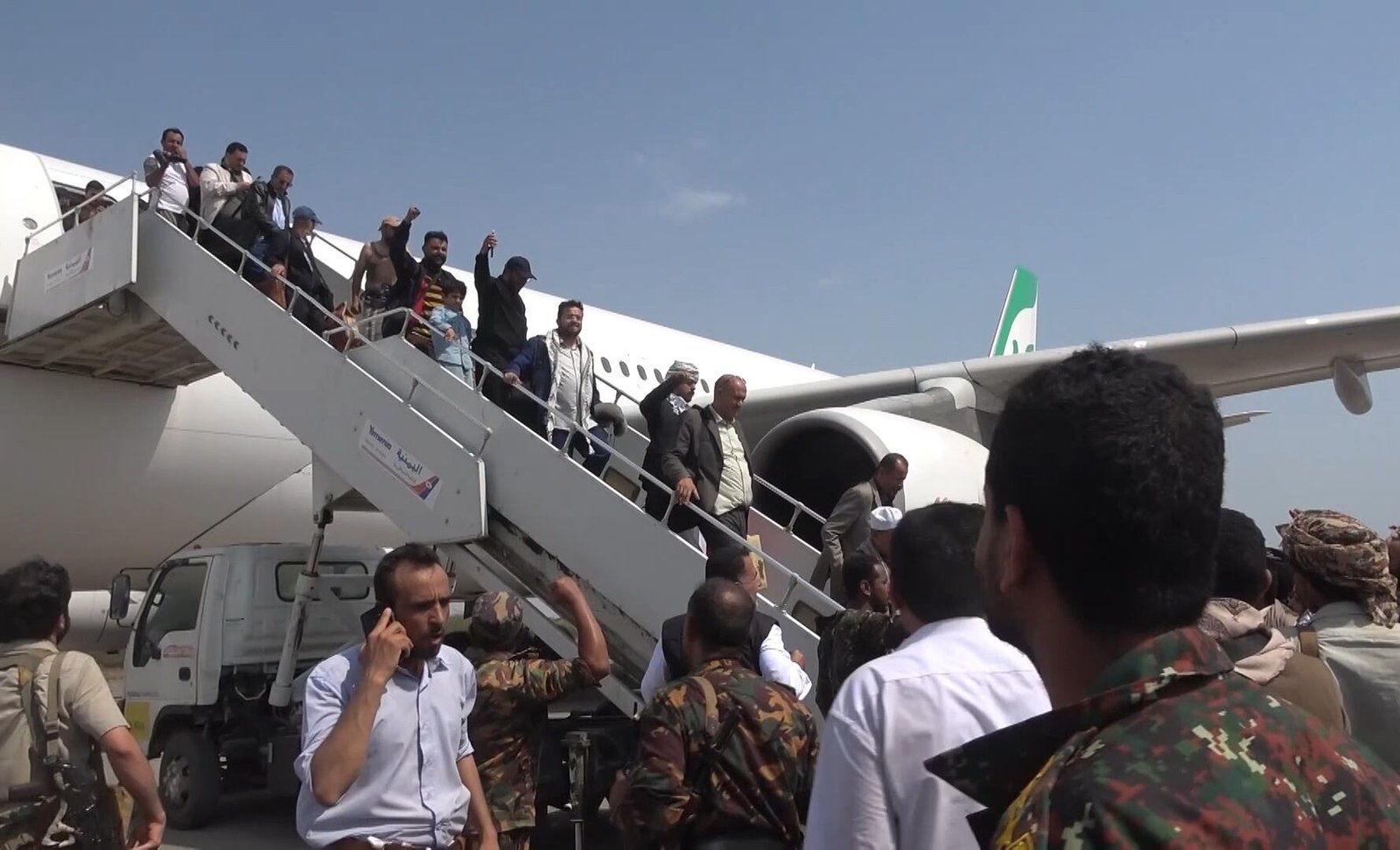
The immediate aim of the airstrikes was to prevent an Iranian aircraft carrying a senior Houthi delegation that had visited Tehran from returning to Sanaa. The rebels have close ties to Iran as part of the alliance it assembled in the Middle East known as the “axis of resistance”. More broadly, the Saudi-led coalition appears intent on shutting down direct air travel between Sanaa and Tehran. Both the coalition and Yemen’s government had publicly warned the Houthis not to attempt to land in the capital. As the plane approached, the coalition jets bombed the airport, forcing the pilot to divert and land at Hodeida on Yemen’s Red Sea coast instead.
Several Houthi leaders declared that the ceasefire with the coalition was over, warning that the strikes “would not pass without a response”. Soon thereafter, the Houthis fired missiles across the border into southern Saudi Arabia. The Yemeni government, meanwhile, claimed it had been necessary to stop the Iranian aircraft from landing in the capital but that the coalition had nonetheless allowed the plane to proceed to Hodeida in order to avoid provoking a broader confrontation.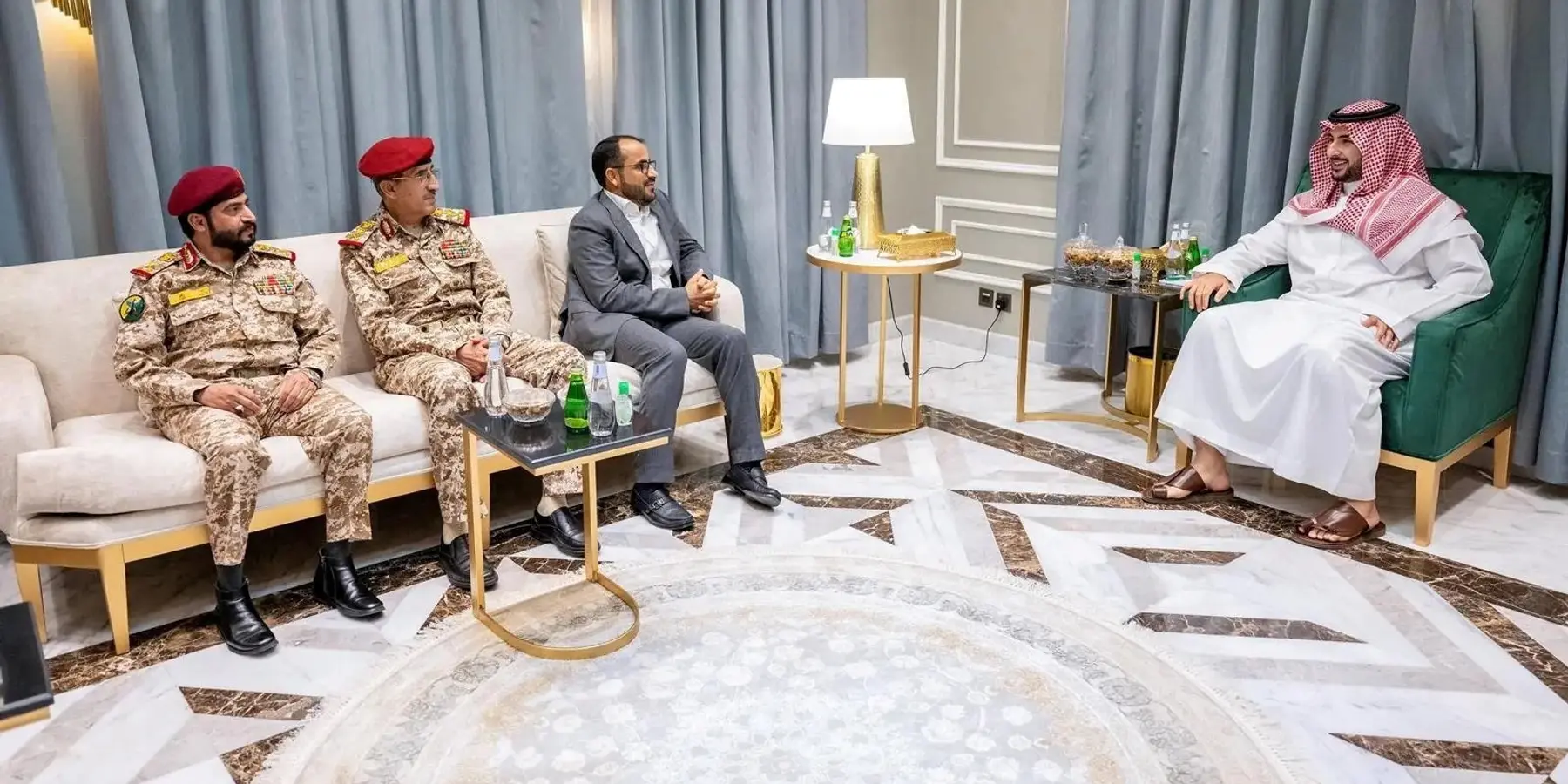
Tehran flights strain the Saudi-Houthi truce
The 13 July escalation did not come out of the blue. On 3 July, another Iranian aircraft had landed in Sanaa, making the first direct flight from Tehran since 2015, when the Saudi-led coalition imposed its restrictions on use of the airport. The Houthis did not identify the passengers coming from Tehran, but the Yemeni government claimed that the flight was carrying Iranian military experts and weapons. On its return trip to Tehran, the Iranian plane took along dozens of wounded Houthi fighters for medical treatment, as well as high-ranking Houthi political, military, religious and media figures planning to attend the funeral of Iran’s former Supreme Leader, Ali Khamenei, who was killed in U.S.-Israeli strikes on 28 February.
In subsequent days, Houthi leaders announced that direct flights between Sanaa and Tehran would continue – regardless of Saudi or other objections – and cautioned that any attempt to block them would trigger attacks on airports and other sites in Saudi Arabia. They portrayed reopening the Tehran-Sanaa route as the first step toward ending what they describe as the “air blockade” on Yemen, arguing that flights to and from Sanaa no longer require anyone else’s approval.
Will the Saudi-Houthi truce survive
What does the escalation mean for the de facto truce in Yemen?
The crisis over flights between Sanaa and Tehran threatens to unravel the de facto truce between the Houthis and the Saudi-led coalition, ushering in a new phase of conflict. For the coalition, the issue extends well beyond the question of civil aviation. Allowing the Houthis to operate direct international flights without its approval would undermine its authority over Yemeni airspace, which it exercises at the Yemeni government’s request; strengthen the Houthis’ de facto autonomy; deepen their cooperation with Iran; and erode the Aden-based government’s position in future negotiations by removing a source of leverage that is in short supply. The Houthis, in turn, would have less incentive to compromise.
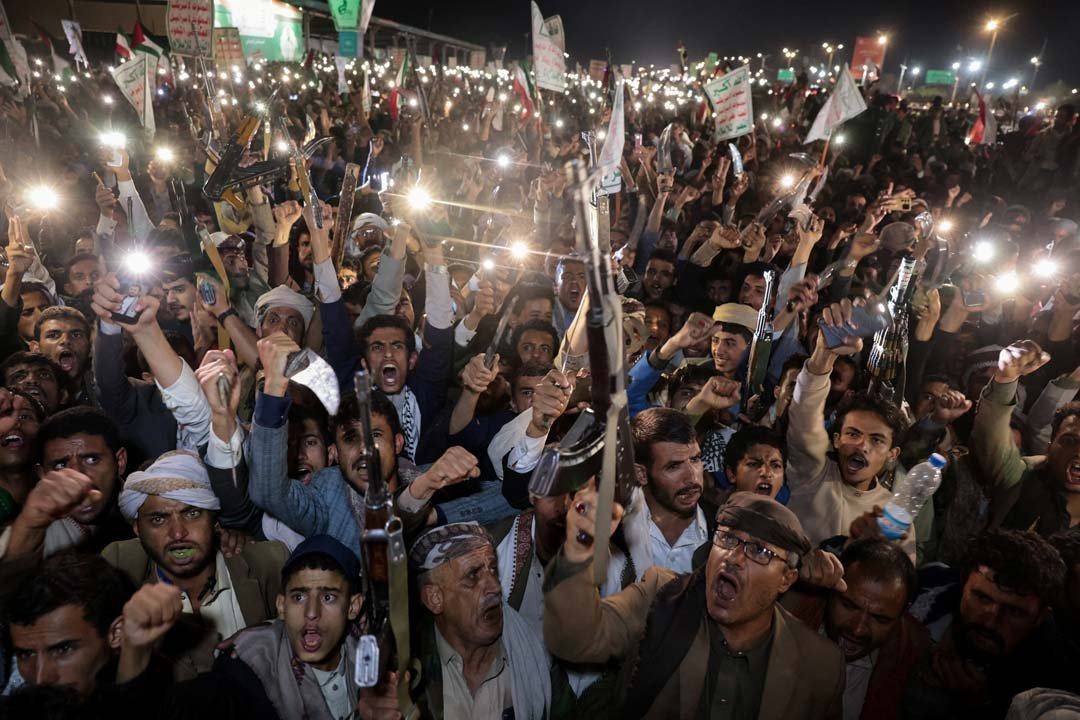
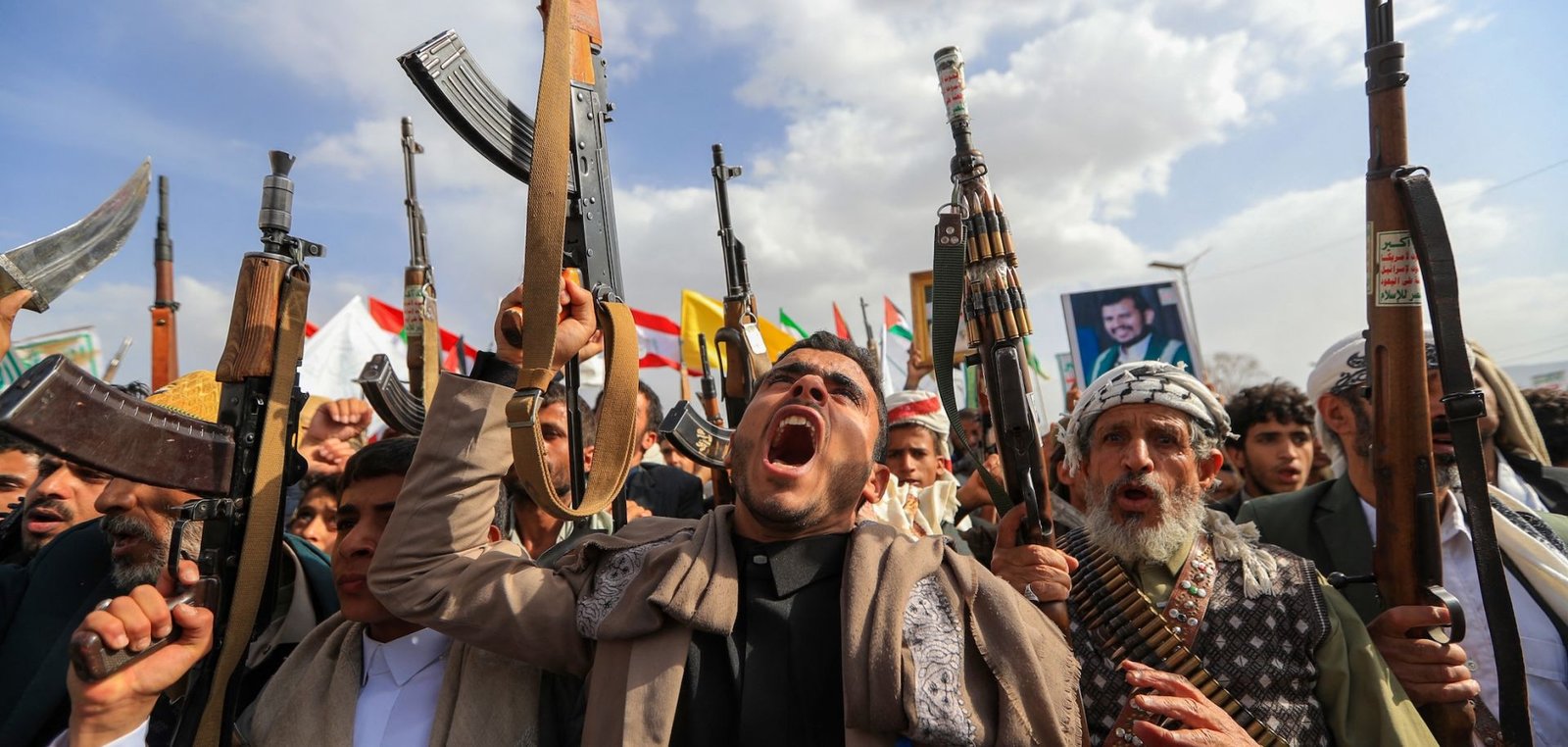
The events also signal a potential shift on both sides from restraint to confrontation. Indeed, within hours of the coalition airstrikes, the Houthis launched several attacks on the airport in Abha, Saudi Arabia. They also organized demonstrations in Sanaa and Hodeida, during which they warned that hostilities might spread to all fronts, thereby suggesting that their retaliation would not be confined to the kingdom but could rebound into Yemen, where the government still controls large areas, mainly in the south and east. Unless quickly contained by diplomacy, the dispute could undo four years of calm between the coalition and the Houthis and pave the way for a broader escalation.
Unilateral actions threaten the Saudi-Houthi truce
Why are the Houthis insisting on renewing direct flights to Tehran?
The Houthis’ insistence on establishing direct flights between Sanaa and Tehran without Saudi approval represents more than mere restoration of a civilian air route. First, it signals that the movement is prepared to assert itself through direct action – creating facts on the ground in defiance of the coalition – rather than relying on stalled negotiations with Saudi Arabia or the UN-led peace process to restart and alter the status quo.
Secondly, given Tehran’s highly visible role in the escalation, the July events may also mark a new phase in Iranian-Houthi relations in which Tehran no longer acts chiefly as a political patron or covert military supporter. Instead, it increasingly seems to be a full-fledged partner in attempts to challenge restrictions on Houthi-controlled territory (see below).
Finally, the events reflect a broader shift in Houthi priorities – from attempting to extract confidence-building measures, such as payment of salaries to civil servants in Houthi-controlled areas, to clearly casting the conflict as being about Yemen’s sovereignty over its airspace, ports and territorial waters. In the Houthis’ telling, it is their movement and not the internationally recognised government that is defending Yemeni sovereignty. By taking direct action to reassert this view, the Houthis have raised the political stakes and made future compromise considerably more difficult.
Saudi-Houthi truce faces severe regional pressure
But the Houthis may be playing with fire. While the group can damage vital infrastructure in Saudi Arabia, as it did at Abha, further such attacks would almost certainly provoke a much stronger response from Riyadh. Since January, the Houthis’ Saudi-backed Yemeni opponents have become more unified, increasing Riyadh’s capacity to coordinate military action against the rebels on the ground in Yemen. The U.S. could also support Saudi retaliation, as reports suggest may have already been the case, or perhaps provide Riyadh with advanced weapons in any such renewed hostilities.
This episode also comes at a time when the Houthis are facing mounting internal pressures. Areas under their control are experiencing severe economic hardship, particularly as a result of U.S. sanctions on the group, while dissatisfaction with Houthi rule is growing among several tribal communities. A prolonged confrontation could allow Saudi Arabia and its allies to exploit these divisions, increasing both political and military costs for the Houthis.
Why are the Houthis asserting themselves in this way now?
The timing is a function of shifting domestic and regional dynamics. Throughout June, the Houthis conducted a political and media campaign centred on ending the “blockade” they decry and, in so doing, ostensibly restoring Yemen’s sovereign rights and rejecting externally imposed restrictions. Abdel Malik al-Houthi, the movement’s leader, along with senior political officials, parliamentarians, religious authorities, tribal figures and members of state institutions, consistently promoted these themes, preparing Yemenis for a more confrontational approach. After weeks of mobilising public opinion in this vein, the Houthis sought to present direct flights to and from Tehran as a tangible political achievement, reinforcing their narrative that resistance, rather than negotiation, will secure greater sovereignty and freedom of movement for their followers.
Regionally, the Houthis appear to believe that the fallout of the U.S.-Israeli war with Iran has both boosted their own fortunes and made Tehran more willing to provide them with political and logistical support.
Senior Houthi officials increasingly portray themselves as negotiating from a position of strength, arguing that Middle East developments have bolstered the “axis of resistance”, which for all the blows dealt it has survived and, in the Houthis’ eyes, even enjoys enhanced deterrence capabilities (a perception that may be buoyed by Iran’s success in thwarting U.S. efforts to reopen the Strait of Hormuz).
They also appear to calculate that the Saudi-led coalition will be reluctant to return to costly military confrontation after years of attempting to disengage from Yemen and given the persistent crisis with Iran.
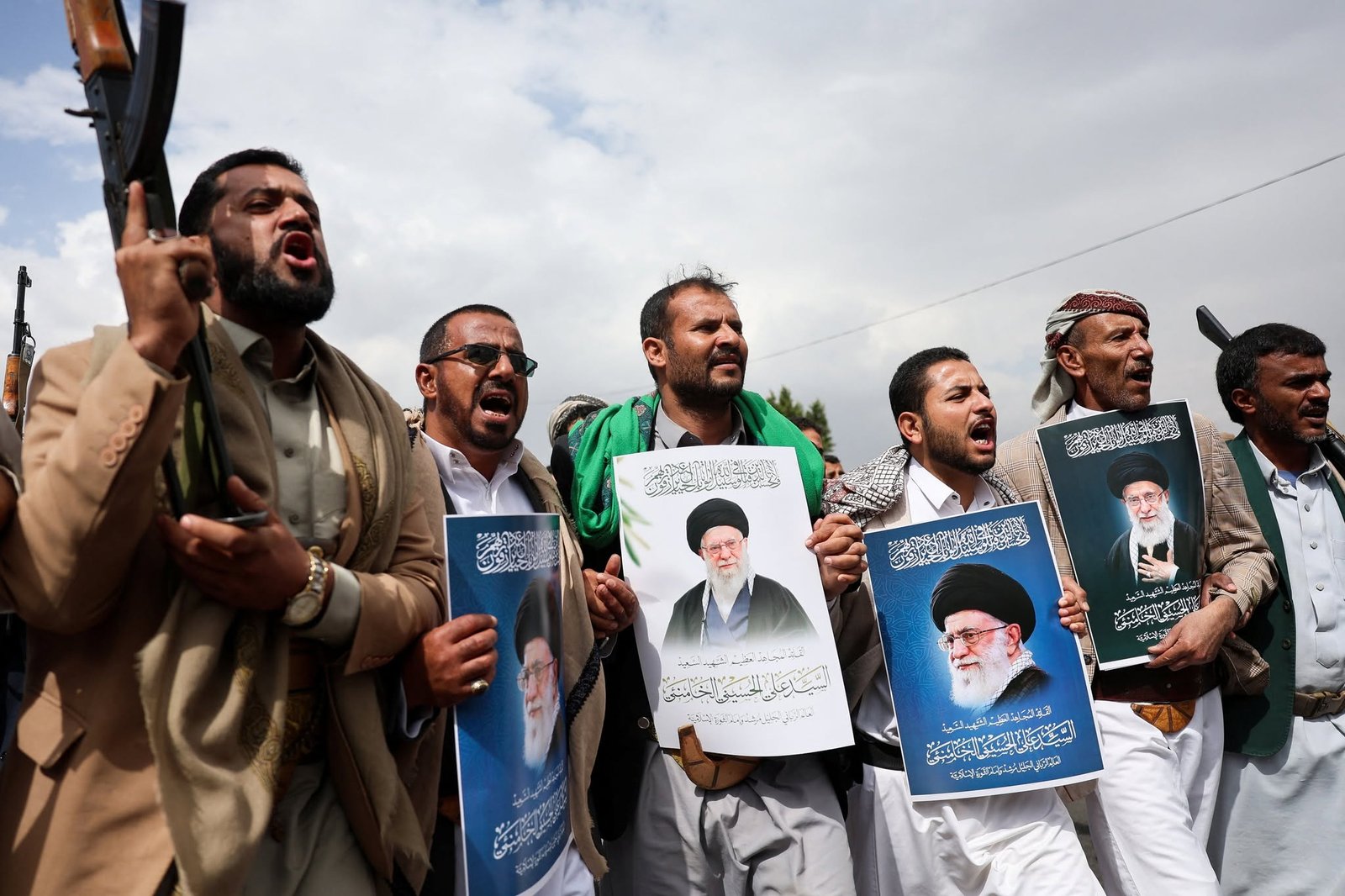
Iranian support impacts the Saudi-Houthi truce
To what extent is Iran involved in this episode, and how does the regional dimension shape Houthi decision-making?
What the Houthis are doing to defy the coalition and Aden-based government should not be viewed as being entirely driven by Iranian interests. The movement has its own reasons for asserting itself – namely to bolster its narrative of resistance to outside pressure and of defending Yemen’s sovereignty at a time of growing domestic challenges.
That said, the regional dimension of the escalation ought not to be ignored. Without Iranian backing, the Houthis would have been unable to undertake their series of escalatory measures in July. The aircraft that prompted the 13 July confrontation in Sanaa is Iranian; Tehran has publicly endorsed the Houthis’ actions; and Iranian officials have repeatedly voiced support for attempts to break what they, too, describe as a blockade. Tehran has also begun more openly publicising the Iranian ambassador in Sanaa’s engagement with the Houthis, thereby signalling greater backing for the group. For their part, the Houthis thanked Iran for its efforts on their behalf.
Together, these developments appear to mark a change in Iran’s approach. Over the past three years, particularly after the China-brokered Saudi-Iranian agreement in March 2023, Tehran has generally supported efforts to reduce tensions between the Houthis and the Saudi-led coalition. Now, however, Iran appears more willing to back Houthi attempts to challenge the status quo. This shift likely is tied to its confrontation with the U.S. and Israel.
In March, during an earlier phase of that contest, the Houthis briefly weighed in on Tehran’s side by firing missiles at Israel. But they did not resume attacks on international shipping in the Red Sea – which they had mounted, on and off, from 2023 to 2025 during Israel’s war in Gaza – or in Bab al-Mandab, the strait connecting the sea to the Gulf of Oman.
They have announced no such plans at present, either. That said, senior Houthi officials have hinted that these options remain on the table if the conflict intensifies. Any such escalation would almost certainly be coordinated with Tehran and be tied to U.S.-Iranian dynamics.
Indeed, should the U.S. continue to intensify economic pressure and military strikes on Iran, Tehran might well seek to activate the Houthi front, including by encouraging attacks in the Red Sea or around Bab al-Mandab. Choking off commerce there at the same time as Iran keeps blocking the Strait of Hormuz would intensify global trade disruptions and magnify the security and economic crisis created by the U.S.-Israeli war with Iran.
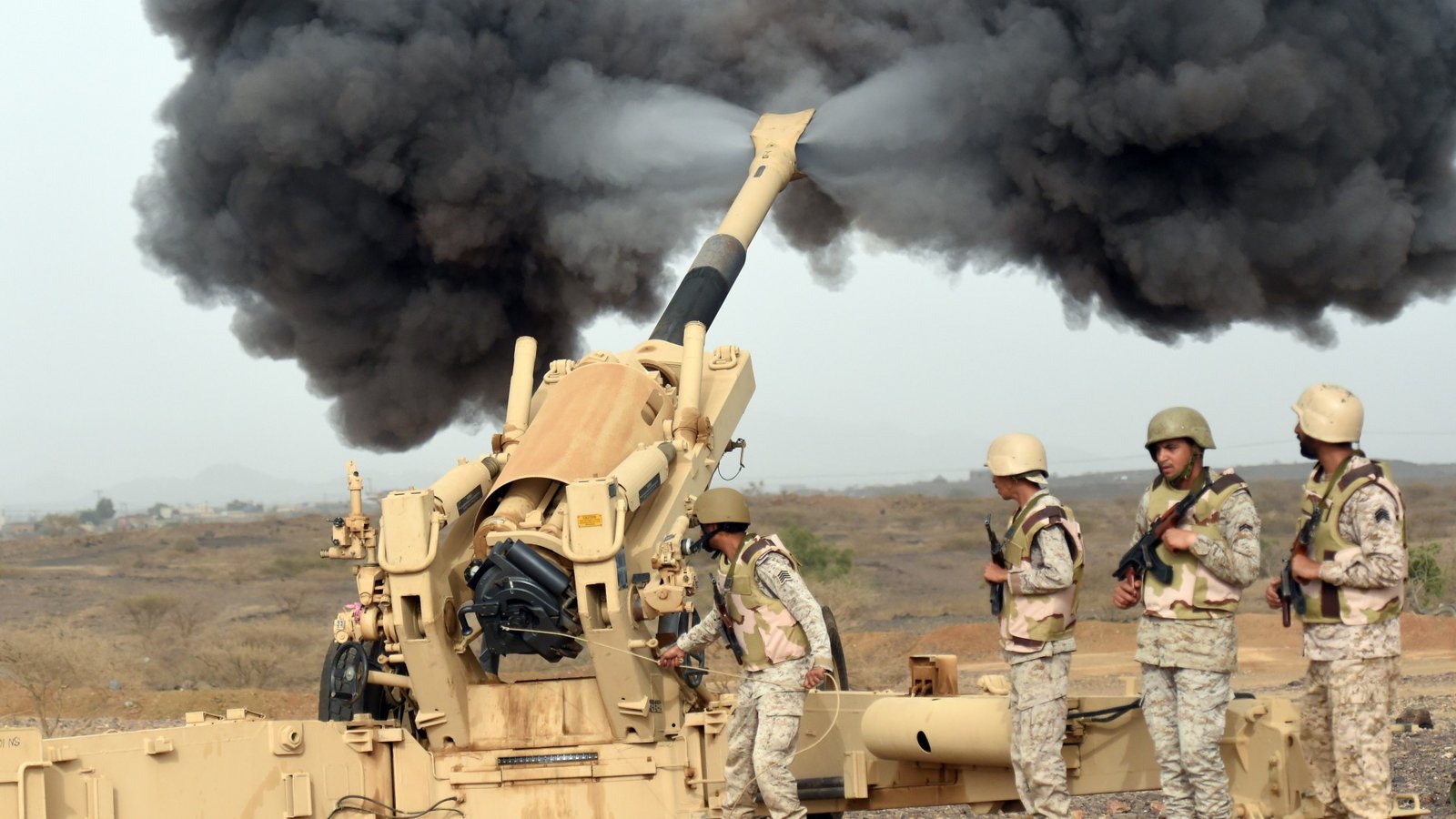
Diplomacy must restore the Saudi-Houthi truce
What should be done to restore the de facto truce?
The immediate priority is to prevent the current crisis from escalating into a broader military confrontation, which Yemen simply cannot afford after more than a decade of war that has left the country in dire economic and humanitarian straits.
The most effective way to contain the crisis would be to reactivate the direct political track between the Saudi-led coalition and the Houthis. The two sides could return to the broad understandings reached prior to the Gaza war that began in October 2023; in the past, these understandings helped de-escalate tensions. Greater bilateral communication would provide a mechanism for managing disputes before they turn violent and help rebuild confidence between the parties.
As for Sanaa’s airport, its use would be best managed through coordination rather than unilateral action. The Saudi-led coalition – working together with the UN and regional partners – ought to support gradual normalisation of civilian traffic in and out of the airport. The Houthis, for their part, should refrain from opening new international routes, including to Tehran, without first reaching an understanding with the internationally recognised government.
The result would be a win for both sides: enabling civilian access to Sanaa airport, and thus easing frustration with Houthi rule, without blatantly challenging the status quo and thus undermining the internationally recognised government’s authority. Most importantly, the outcome would avert renewed hostilities whose outbreak would present significant risks for both Saudi Arabia (in light of its other priorities) and the Houthis (given their growing domestic troubles).
More broadly, of course, for any sustainable calm, it is imperative to bring a halt to the latest U.S.-Iranian clashes, lest they engulf Yemen and plunge the region back into another years-long conflict to the detriment of all concerned.