
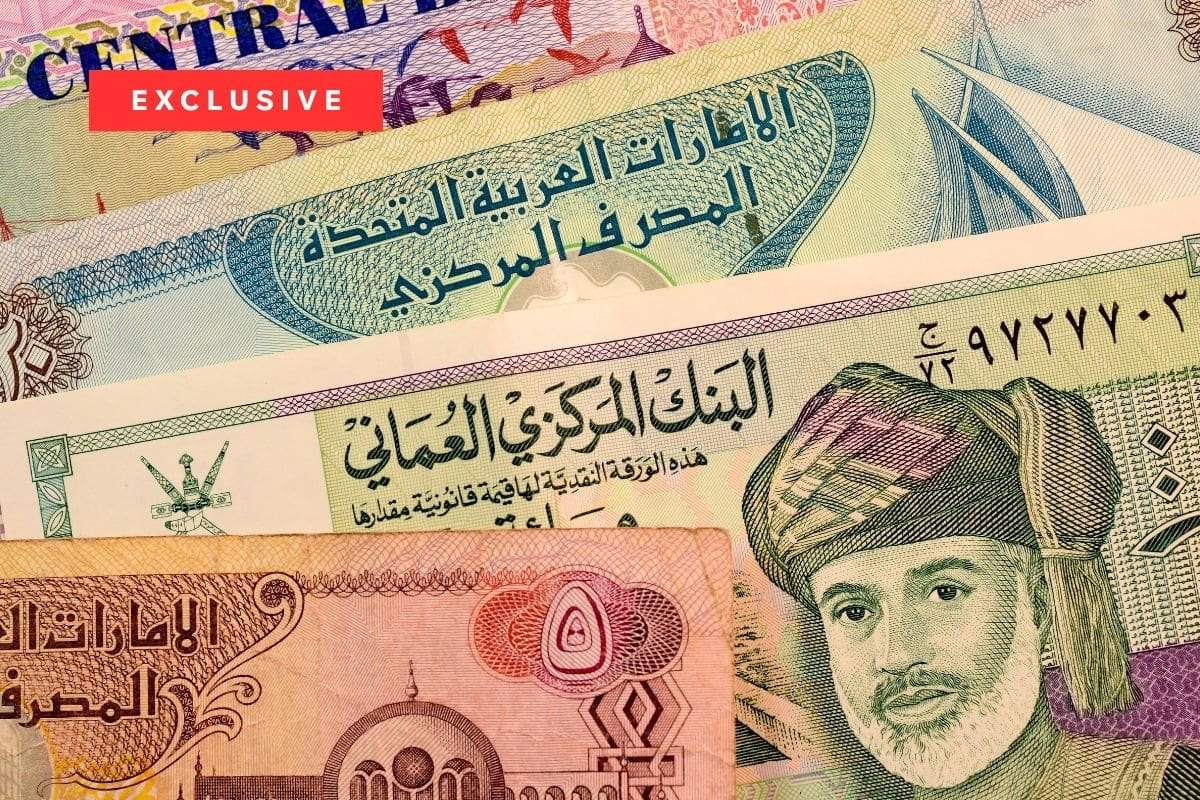
Oman’s 2025 personal income tax law breaks the GCC’s zero-salary-tax tradition, sparking strategic debate on whether hydrocarbon-dependent economies can sustain tax-free salaries while pursuing fiscal diversification and maintaining expatriate appeal.
The Gulf Cooperation Council’s unique pact—zero taxation on employment earnings—has functioned for decades as a structural engine of economic magnetism, turning cities like Dubai, Doha, and Riyadh into gravitational centres for global talent and capital. The allure of tax-free Gulf salaries has consistently overridden the region’s other costs, from high rents to extreme summer heat, by delivering a simple value proposition: full retention of gross income.
This uncompromising model, underwritten by hydrocarbon wealth, insulated governments from the need to extract personal revenues and allowed them to invest directly in infrastructure, healthcare, and education. Oman’s landmark 2025 law, however, disrupts that consensus. By enacting a 5 percent tax on incomes exceeding OMR42,000 starting in 2028, Muscat has introduced a precedent that tests the resilience of the broader tax-free Gulf salaries framework.
The move is calibrated—affecting only the highest earners—but its symbolic weight far exceeds its immediate fiscal impact. It exposes the fault line between the region’s ambition to diversify revenue away from oil and the imperative to preserve the tax-free identity that fuels its competitive advantage. As Saudi Arabia and the UAE accelerate non-oil economic transformation, the strategic question is no longer whether income tax is technically feasible, but whether governments can evolve their fiscal architectures without fracturing the psychological contract that has defined Gulf expatriate life for generations.
Oman Breaks the Tax-Free Gulf Salaries Pact
For generations of expatriates, one promise has defined life in the Gulf: your salary is yours to keep.
It is one of the region’s greatest competitive advantages.
A banker relocating from London, a technology executive leaving Silicon Valley or an entrepreneur moving from Singapore can often increase their disposable income overnight simply by swapping a high-tax jurisdiction for Dubai, Doha or Riyadh.
That unwritten contract has helped transform the Gulf into one of the world’s biggest magnets for international talent.
Yet, for the first time, that model is showing signs of change.
In June 2025, Oman became the first Gulf Cooperation Council nation to legislate for a personal income tax. The law, which comes into force on January 1, 2028, will introduce a 5 per cent tax on annual income above OMR42,000 (around $109,000), affecting an estimated one per cent of the population.
“For as long as most of us can remember, the Gulf has been synonymous with one thing when it comes to personal tax: zero,” says Shamma Al Falahi, Partner and Head of Tax at BSA LAW. “No income tax on salaries. No tax on savings. It was the deal that drew millions of professionals from every corner of the world to build their careers here.”
Her point illustrates why Oman’s announcement resonated far beyond Muscat. The number of people affected may be small, but the symbolism is enormous. It has inevitably raised the question investors, executives and expatriates across the region are asking: if Oman has crossed the line, could others eventually follow?
The World’s Last Tax-Free Gulf Salaries
Contrary to popular belief, the Gulf is no longer a tax-free region.
VAT has become firmly established across much of the GCC. Corporate taxation has expanded rapidly. Excise duties now apply to products ranging from tobacco to sugary drinks. Governments have strengthened compliance rules, introduced international reporting standards and aligned themselves more closely with global tax frameworks.
The UAE introduced a 9 per cent federal corporate tax in 2023. Saudi Arabia doubled its VAT rate from 5 per cent to 15 per cent during the pandemic. Bahrain, Oman and the UAE have all modernised their tax administrations at remarkable speed.
Yet one area has remained almost untouched. Employment income.
Today, the UAE, Saudi Arabia, Qatar, Kuwait and Bahrain still levy no broad personal income tax on salaries.
In Europe, top earners often surrender 40 to 50 per cent of their salaries through income tax and social security contributions. In North America, federal and state taxes can reduce disposable income dramatically. Even financial centres such as Singapore and Hong Kong levy personal income tax.
The Gulf stands almost alone. “It has been a deliberate economic strategy,” says Pranav Shah, Director of People and Regulatory Services at KPMG Middle East.
“Hydrocarbon revenues let governments fund budgets without dipping into residents’ salaries.”
The absence of income tax is no longer simply a legacy of abundant natural resources. It has become one of the region’s most powerful economic development tools.
Tax-free salaries encourage companies to establish regional headquarters. They attract entrepreneurs launching businesses. They persuade multinational executives to relocate their families. They encourage wealth managers, hedge funds and family offices to establish regional operations.

Oil Wealth Sustains Tax-Free Gulf Salaries
A different social contract
Unlike Western economies, GCC governments historically never needed to rely on taxing individuals to fund public services.
Instead, revenues flowed directly from oil and gas exports, state-owned enterprises and, later, sovereign wealth funds that invested resource wealth around the world.
Rather than collecting taxes before redistributing them through public services, governments generated income independently and invested it back into society through infrastructure, healthcare, education and generous public spending.
That fundamentally changed the relationship between governments and citizens.
In much of Europe, taxpayers expect direct accountability because public services are funded from their salaries.
The Gulf developed differently. Instead of income tax, governments financed roads, airports, schools, hospitals and public-sector employment through resource revenues.
“The Gulf’s ability to avoid personal income tax has historically rested on one thing: oil and gas revenues,” says Al Falahi. “But it is becoming harder to answer that question today. Governments recognise they cannot rely indefinitely on hydrocarbons alone.”
That recognition has driven almost every major economic reform introduced across the region during the past decade.
Why Oman Taxed Tax-Free Gulf Salaries First
Of all six GCC countries, Oman has long faced the greatest fiscal challenge.
Its oil reserves are considerably smaller than those of Saudi Arabia, the UAE, Kuwait or Qatar, while fluctuating energy prices have placed greater pressure on government finances.
Rather than waiting for circumstances to worsen, Oman has steadily broadened its revenue base.
VAT arrived in 2021. Subsidies were restructured. Public finances were strengthened. Now comes personal income tax.
Scott Cairns, Founder and Managing Director of Creation Business Consultants, believes the reform should be viewed within the wider context of Oman Vision 2040.
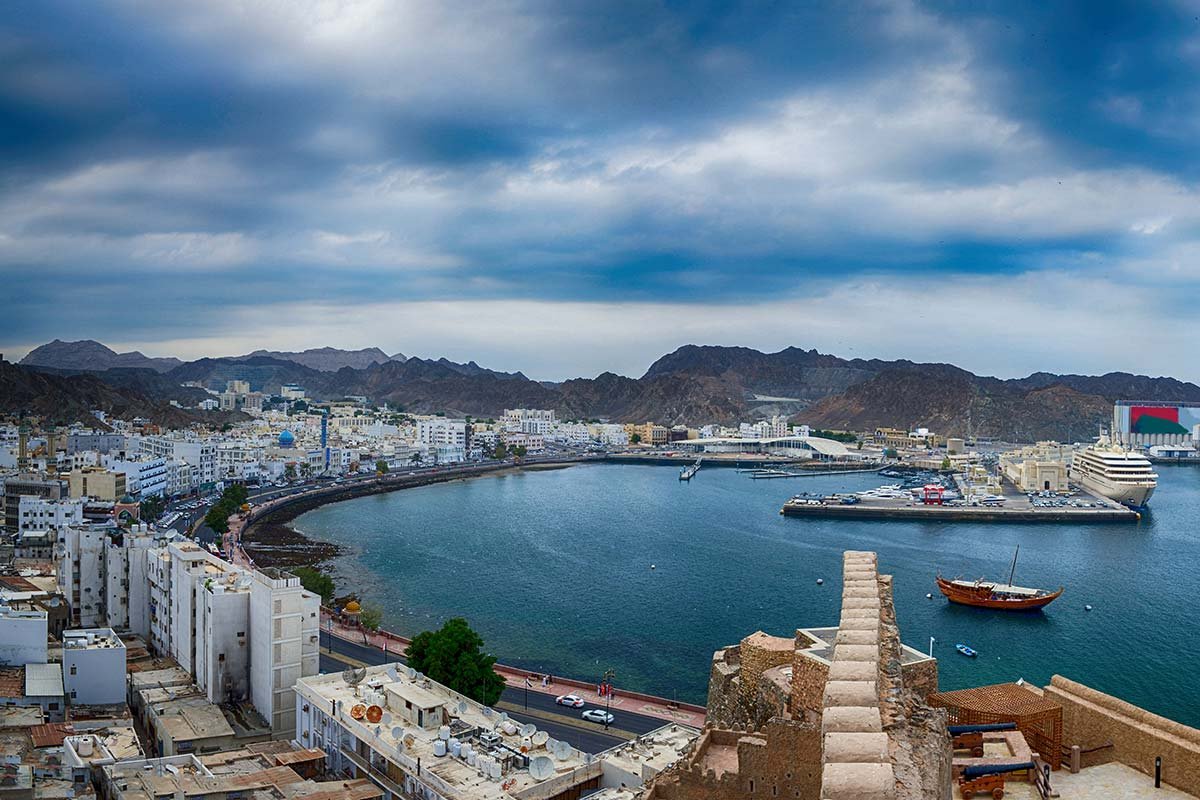
“The government has been focusing on diversifying its revenue sources, particularly following the economic challenges experienced after Covid-19,” he says.
“Out of the GCC countries, Oman has one of the smaller oil and gas reserves. Like its neighbours, it is looking to diversify away from oil and gas dependency.”
Importantly, Oman has introduced the tax cautiously. Only annual income above OMR42,000 will be taxed. The rate is just 5 per cent.
“It is less of a revenue grab and more of a structural signal,” says Peter Ivantsov, Founder and Managing Partner of GCG Structuring.
“Oman is establishing the infrastructure required to administer personal income tax while protecting the vast majority of residents.”
In many respects, Oman appears to be testing the concept rather than abandoning the Gulf’s low-tax philosophy altogether.
Tax-Free Gulf Salaries Amid a Quiet Revolution
Ironically, while headlines have focused on income tax, the GCC has already experienced one of the biggest fiscal transformations in its modern history.
Ten years ago, VAT simply did not exist in the Gulf. International reporting standards were relatively light.
Today the picture looks entirely different.
“The greater momentum is in the expansion of tax frameworks rather than tax rates,” says Shah.
“The GCC is aligning with global tax standards while doing so on its own terms through gradual implementation, targeted thresholds and a continued focus on maintaining competitiveness.”
The UAE illustrates that evolution particularly well.
According to the Federal Tax Authority (FTA), VAT and excise tax revenues reached AED46 billion in 2025, while corporate tax registrations accelerated sharply following the introduction of the country’s federal corporate tax regime.
Rather than relying solely on hydrocarbons, governments are increasingly generating revenue through consumption taxes, corporate profits, investment income, licensing fees and rapidly expanding private-sector economies.
Cairns believes this diversification is precisely why most GCC governments remain under little pressure to tax salaries.
“Countries like the UAE and Saudi Arabia have focused on attracting businesses, investments and regional headquarters through tax and business incentives,” he says.
“With increased foreign investment, governments have been rewarded with increased spending on visa fees, licence fees, VAT, schooling and wider domestic expenditure.”
That creates a virtuous economic cycle. The more businesses relocate to the Gulf, the more governments earn without touching individual salaries.
Can Tax-Free Gulf Salaries Survive Fiscal Reality?
For many economists, the obvious question is not whether income tax is possible, but whether it is ultimately inevitable.
Oil still underpins Gulf economies, but governments know better than anyone that hydrocarbons cannot shoulder the burden forever. Prices fluctuate dramatically, the global energy transition is accelerating and populations continue to grow, placing greater demands on healthcare, education and infrastructure.
Yet none of the experts interviewed believes the region is facing an immediate fiscal cliff.
Instead, they argue that governments have spent the past decade preparing precisely for this moment.
“The 2014 oil price downturn accelerated much of the fiscal reform agenda we see today,” says Shah. “VAT, corporate tax, stronger tax administration and a sustained push to diversify economies beyond hydrocarbons were all designed to prepare governments for an evolving landscape rather than react to it.”
Saudi Arabia is investing hundreds of billions of dollars through Vision 2030 into tourism, entertainment, mining, logistics and advanced manufacturing.
The UAE has positioned itself as a global centre for artificial intelligence, financial services, digital assets and advanced technology.
Qatar continues expanding its financial services and aviation sectors while Bahrain has developed a strong fintech ecosystem.
In every case, the objective is the same: create economies that generate tax revenues through business activity rather than resource extraction.
Shah believes that is why the absence of income tax should not simply be viewed as a historical legacy.
“It is now part of the economic model,” he says. “Diversification strengthens government revenues, which in turn helps preserve the low-tax environment that attracted investment in the first place.”
Scott Cairns agrees that governments are increasingly benefiting from economic activity rather than salaries.
“Over the past few years, however, countries like the UAE and Saudi Arabia have focused on attracting businesses, investments and regional headquarters through various tax and business incentives.
“With increased foreign investment, governments have been rewarded with increased spending on visa fees, licence fees, VAT, schooling and wider local expenditure.”
Rather than introducing politically sensitive income taxes, governments are broadening their tax base through corporate profits, consumption and the wider economic ecosystem that accompanies rapid growth.
Tax-Free Gulf Salaries: The Ultimate Competitive Edge
Tax policy has become one of the Gulf’s most effective economic weapons.
The UAE is no longer simply competing with neighbouring countries for investment.
It is competing directly with London, Singapore, New York, Hong Kong and Zurich.
Someone earning £250,000 in Britain could lose close to half their income once tax and national insurance are deducted.
A similar executive in Dubai currently retains almost their entire salary.
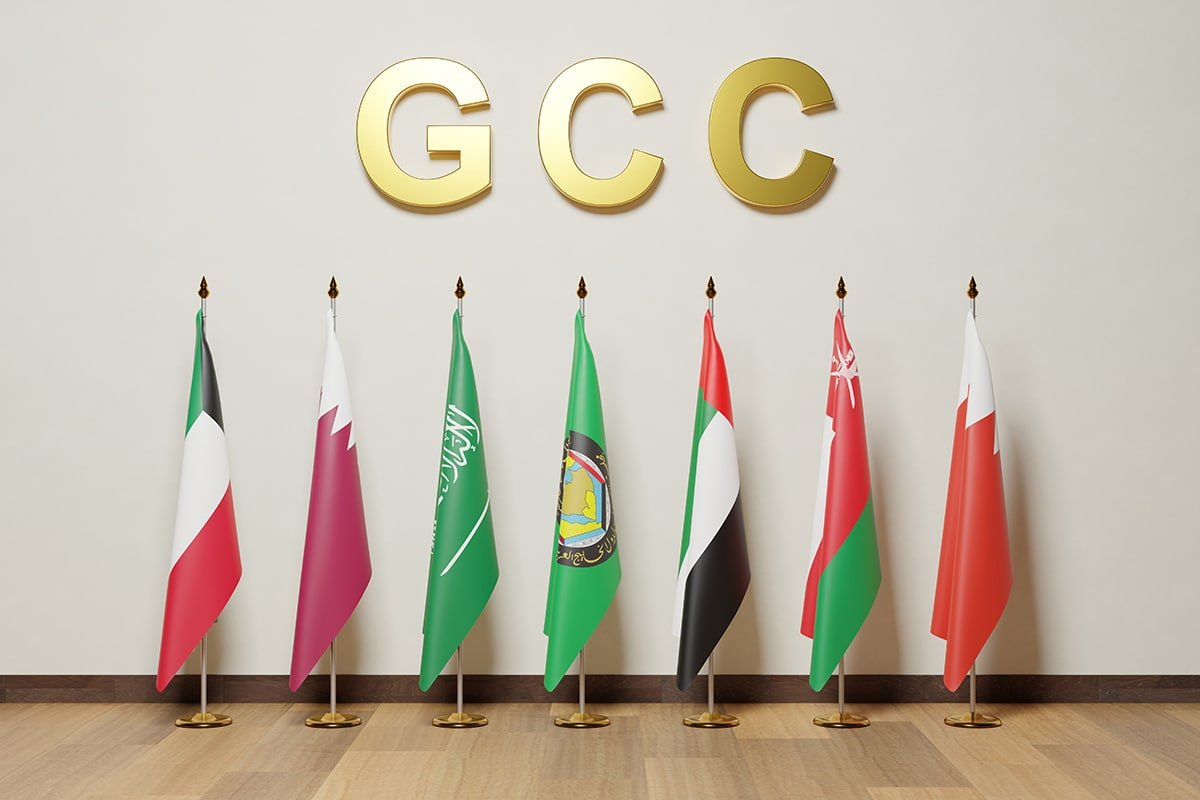
That difference changes recruitment decisions, investment decisions and even where companies choose to establish regional headquarters.
“It plays an important role in attracting international talent and capital,” says Peter Ivantsov.
“The UAE, Qatar and Kuwait have much stronger balance sheets and consider the absence of personal income tax a central part of their competitive identity.”
He believes that identity has become increasingly valuable as governments compete for entrepreneurs, family offices and highly mobile professionals.
“The competitive cost of losing that advantage could exceed the revenue it would generate,” he says.
Will the UAE or Saudi Arabia follow?
Nobody is prepared to say never.
Equally, none of the experts believes personal income tax is imminent in either the UAE or Saudi Arabia.
“There are no official indications that other GCC countries are planning to introduce one,” says Cairns. “If it were ever introduced elsewhere, implementation would probably not occur before 2030 and would likely mirror Oman’s cautious approach.”
Pranav Shah reaches a similar conclusion.
“Oman’s personal income tax provides an important reference point for the region,” he says. “But whether others follow will depend on the fiscal and policy objectives of individual governments rather than any regional trend.”
Would people actually leave?
Perhaps surprisingly, most experts believe the answer is no – provided any tax remains modest.
Oman’s design appears carefully calibrated. A 5 percent rate on only the highest earners means most residents will never encounter it.
Even those who do would still face significantly lower taxation than in Europe, North America or Australia.
“It is too early to draw that conclusion,” says Shah. “Career opportunities, quality of life, political stability, infrastructure and the overall business environment all play important roles.”
Cairns agrees. A 5 per cent income tax would remain dramatically below rates commonly seen elsewhere, meaning the Gulf would probably continue attracting skilled professionals. However, he notes that residents might increasingly ask what additional public benefits accompany new taxation, particularly in areas such as healthcare or education.