
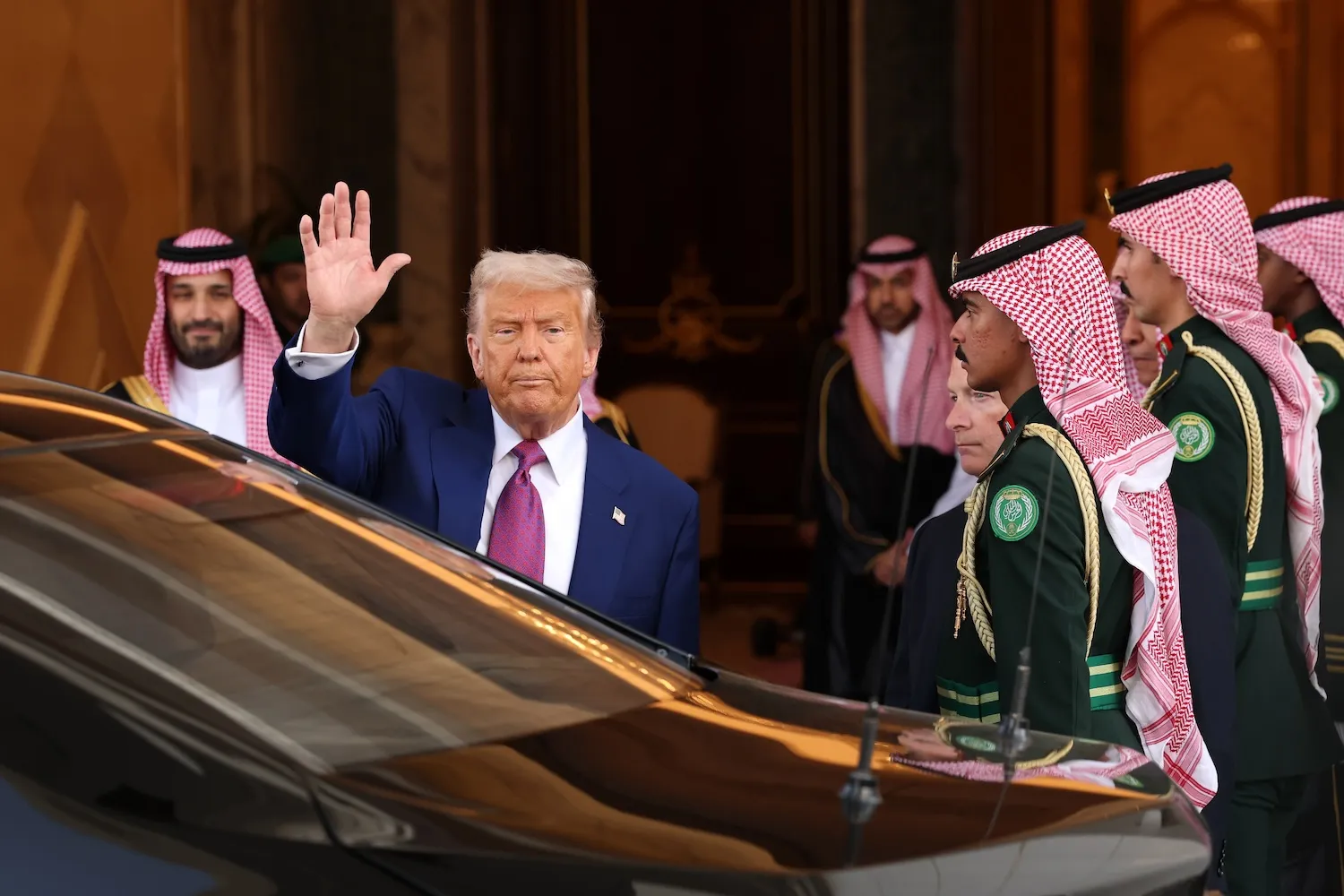
Military supremacy in the Strait of Hormosis does not translate into political victory. Empty ambassador posts across the Levant prove a hard truth: US Can’t Win the Middle East without diplomats who build ground-level trust and read local dynamics firsthand.
Conventional military superiority in the Strait of Hormuz creates a dangerous illusion: that firepower alone decides outcomes. Yet US Can’t Win the Middle East without the quiet, persistent work of diplomats on contested ground. The hard truth is that US Can’t Win the Middle East when ambassador posts sit empty from Cairo to Riyadh.
US Can’t Win the Middle East by bombs alone
The world’s attention today is fixed on the Strait of Hormuz. Americans are watching carrier strike groups, air defense systems, and other deployments intended to preserve freedom of navigation. The core work of reckoning with Tehran’s nuclear ambitions and a durable solution to reopening the Strait falls to diplomatic channels.
Meanwhile, something as fundamental is unfolding across the Levant. Quietly.
In Syria, a post-Assad government is coming into focus. The United States has completed the transfer of its remaining major military installations to the Syrian interim government, concluding a decade-long counter-terrorism mission. For the first time in years, the American flag again flies over the ambassador’s residence in Damascus, and the administration has notified Congress of plans for a phased diplomatic reopening.
Almost 18 months after the fall of the Assad regime, it is time to get on with it.
These developments underscore an enduring lesson of American statecraft: military power alone cannot secure American interests abroad. Political understanding, trusted local relationships, and diplomatic presence matter just as much—sometimes more.
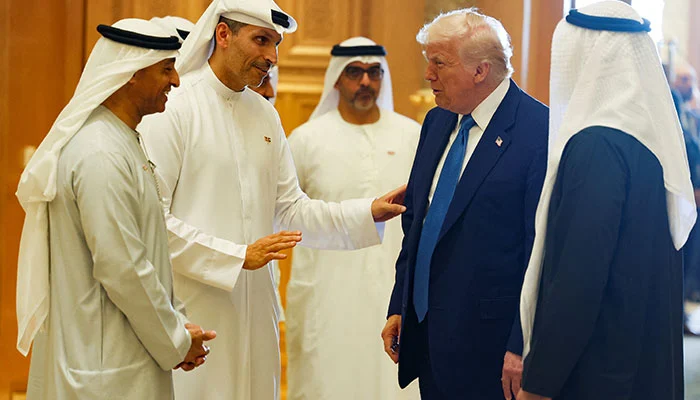
Why the US Can’t Win the Middle East
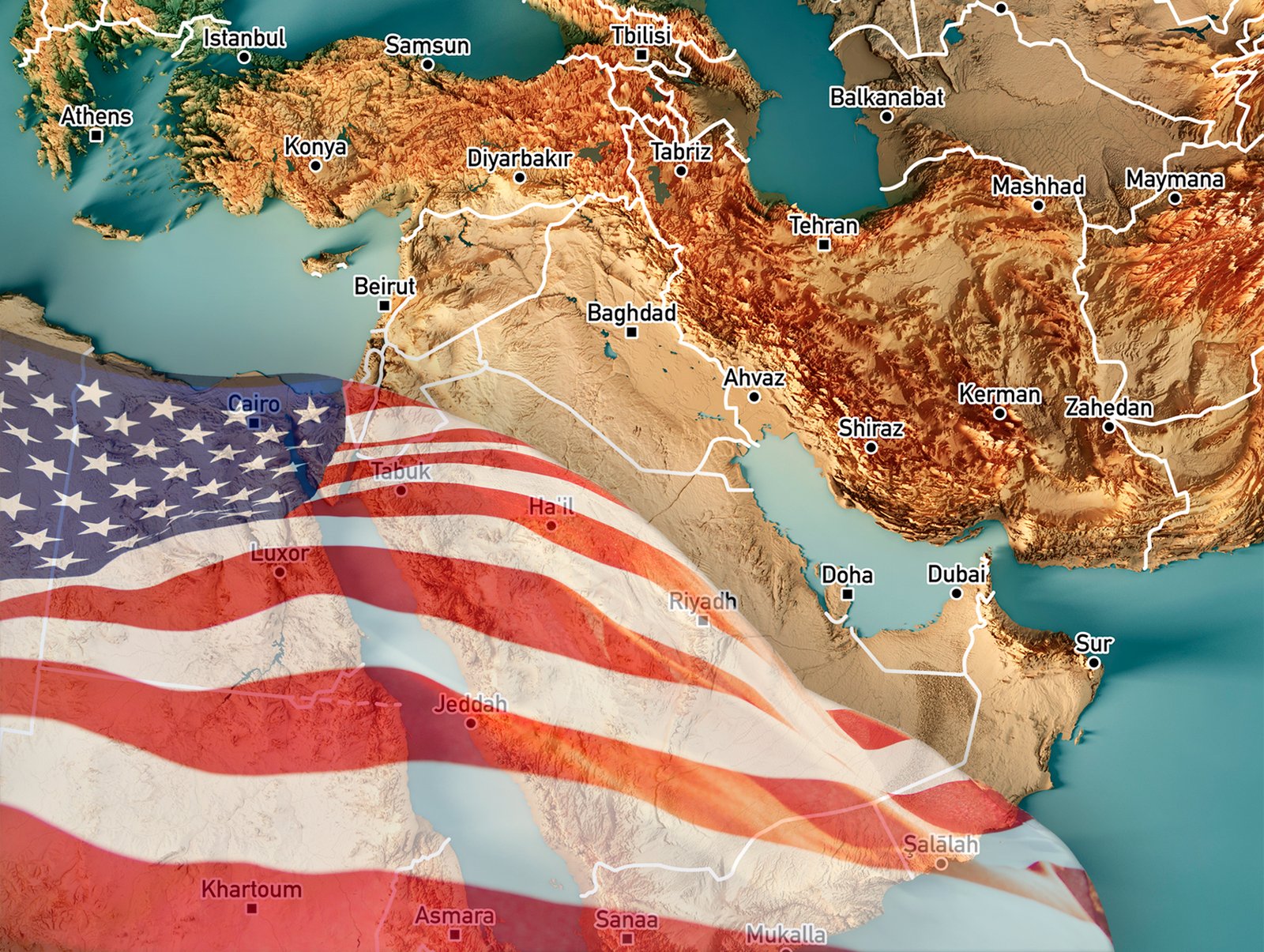
As military operations evolve or recede, the need for capable American diplomacy is even more important. There is no substitute for ground truth. To practice diplomacy, you need diplomats. At this critical time in the Middle East, we have no American ambassadors in Egypt, Saudi Arabia, the United Arab Emirates, Iraq, Kuwait, Qatar, and Algeria. Pakistan, the center of diplomatic activity in the current crisis, has been without an ambassador since January 2025.
In Washington, there is no Assistant Secretary of State for Near East Affairs. The Administration needs to send up qualified nominees and the Senate needs to confirm them.
Technology, artificial intelligence, satellite imagery, and remote monitoring can support decision-making. But they cannot replace diplomats physically present in foreign societies, building relationships, understanding local dynamics, and reporting what is actually happening on the ground.
Durable policy depends on human understanding. That is particularly true in volatile and high-risk environments where political transitions, fragile governments, terrorist threats, and regional competition often unfold simultaneously.
Without diplomats, US Can’t Win the Middle East
The risks associated with this work are real. The 1983 bombing of the U.S. Embassy in Beirut, the 1998 bombings of the U.S. embassies in Nairobi and Dar es Salaam, the murder of Ambassador Christopher Stevens in Benghazi, and more recent concerns surrounding suspected Havana Syndrome-related incidents are enduring reminders that American diplomatic personnel operating overseas remain vulnerable to asymmetric attacks, terrorism, and rapidly deteriorating security conditions.
Security will always remain essential. But diplomacy conducted entirely from behind hardened compounds risks losing touch with the very populations and political realities the United States seeks to understand.
The challenge is not eliminating risk. The challenge is managing risk intelligently while preserving mission effectiveness. That is why Congress is considering important reforms to modernize the Foreign Service Act and strengthen America’s expeditionary diplomatic capabilities.
US Can’t Win the Middle East without reserve surge
Among the proposals under consideration by the House Foreign Affairs Committee are authorities to establish a pilot Diplomatic Reserve Corps capable of surging trained personnel into foreign affairs contingencies, and reforms designed to strengthen expeditionary diplomacy in elevated-risk environments.
The proposed Diplomatic Reserve Corps would help provide the State Department with capabilities long recognized as essential within the military: surge staffing, specialized expertise, and operational flexibility during crises. Wars, evacuations, sanctions enforcement operations, cyber incidents, and political collapses rarely unfold on predictable timelines. Yet the Department of State is often forced to respond by pulling personnel from other critical missions or relying on ad hoc staffing arrangements.
A reserve capability would help address that gap while broadening the expertise available to American diplomacy, including individuals with backgrounds in logistics, cybersecurity, humanitarian coordination, governance, and regional affairs.
The expeditionary diplomacy reforms under consideration recognize a second reality: authorities alone are insufficient without institutional expectations that encourage meaningful engagement beyond embassy walls. The legislation appropriately emphasizes risk management rather than risk avoidance and reinforces the responsibility of Chiefs of Mission to ensure coherent and effective engagement in complex operating environments.
Why America finally learns US Can’t Win the Middle East
Congress cannot legislate institutional culture into existence. But it can provide the authorities, resources, incentives, and expectations necessary to strengthen it.
Ultimately, expeditionary diplomacy is not about expanding bureaucracy. It is about preserving America’s ability to project effective statecraft alongside military power in a more dangerous and fragmented world.
The United States military remains the finest fighting force on Earth. But military power alone cannot secure durable political outcomes. Lasting American influence depends on diplomats capable of operating in difficult places, building trusted local relationships, maintaining visibility into rapidly evolving conditions, and helping policymakers avoid strategic surprise. Those lessons were learned over decades at significant cost in Iraq and Afghanistan.
While America’s ability to surge military power remains unmatched, our ability to surge diplomatic capability and political understanding must keep pace.