
A high-level strategic assessment examining the geopolitical motives and risks underlying Islamabad’s deployment of 8,000 personnel to Riyadh, parsing the severe strain it places on Pakistan’s delicate neutrality matrix between Saudi Arabia, Iran, and the US.
The shifting dynamics of Middle Eastern security demand an immediate reassessment of traditional balancing acts, as structural regional rivalries push non-aligned powers toward a breaking point. Islamabad’s recent maneuvers highlight the immense difficulty of insulating localized defense commitments from systemic theater escalations.
The decision regarding why Pakistan Deployed Troops in Saudi Arabia reflects a calculated effort to preserve vital economic patron-client relationships without triggering a fatal collapse in neighboring diplomatic ties. Ultimately, whether Pakistan Deployed Troops in Saudi Arabia to signal a hard alignment or merely to fulfill historic institutional obligations remains the central friction point for a fragile regional architecture.
Why Pakistan Deployed Troops in Saudi Arabia
Pakistan’s regional position between South Asia, Central Asia, and the Middle East means that it must perpetually balance competing external pressures. Nowhere is this balancing act more visible than in its relations with Iran and Saudi Arabia. The key question is: how can Islamabad preserve close strategic ties with Riyadh while simultaneously maintaining a workable relationship with Tehran and presenting itself as a mediator between Tehran and Washington?
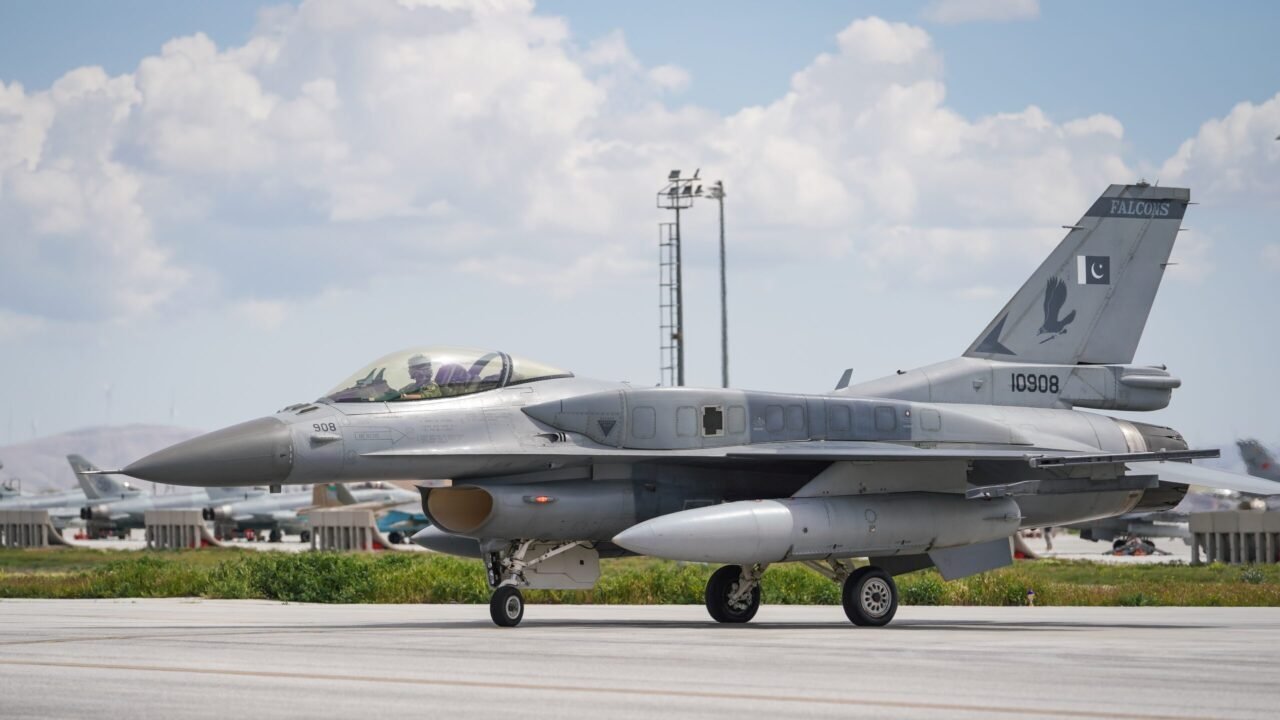
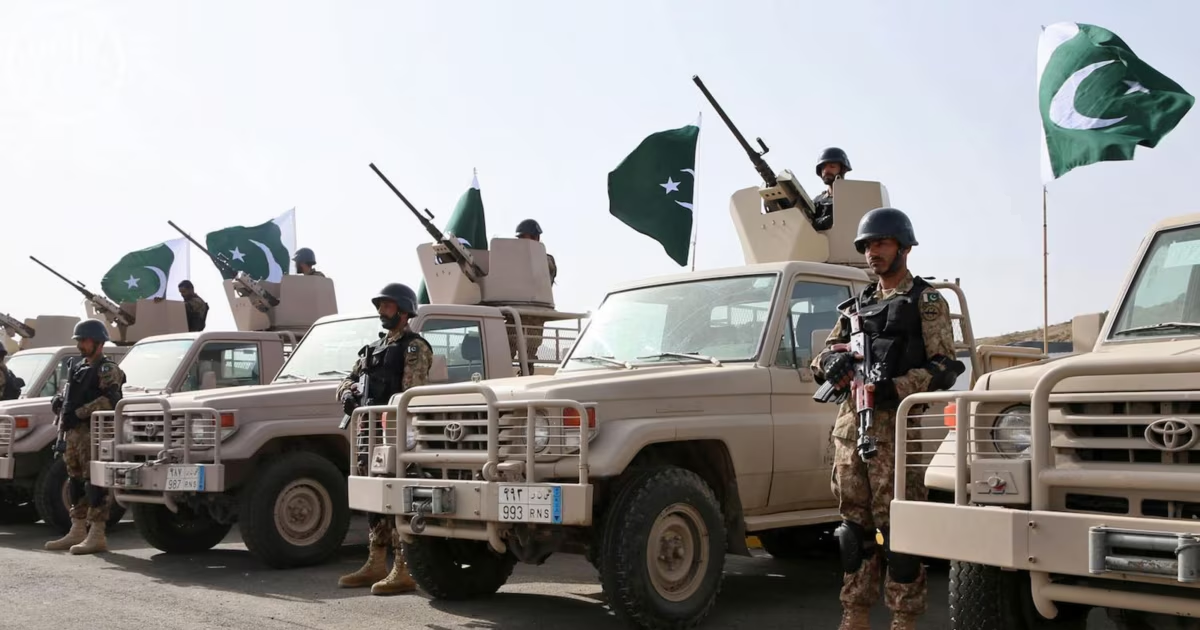
Recent reports regarding Pakistan’s deployment of 8,000 troops, fighter aircraft, and air-defense assets to Saudi Arabia under a bilateral defense arrangement have revived longstanding questions regarding Islamabad’s regional orientation. Some observers immediately interpreted these moves as evidence that Pakistan has finally chosen Riyadh over Tehran. Yet such conclusions seem premature. Pakistan’s conduct reflects less a straightforward alliance commitment than a carefully calibrated attempt to avoid being drawn into a regional binary.
Historical Friction Behind Pakistan Deployed Troops
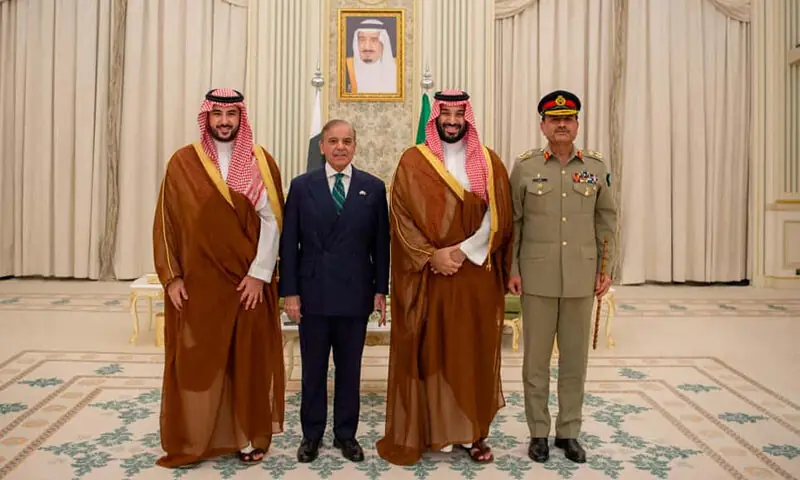
Pakistan’s dilemma is hardly new. Since the Iranian Revolution of 1979, successive governments in Islamabad have had to navigate between two important but competing relationships. Saudi Arabia has historically been Pakistan’s principal economic benefactor. Iran, meanwhile, is not merely another regional state but a direct neighbor.
The Saudi-Pakistani relationship rests on several pillars. Economic connections form the first pillar. Millions of Pakistani workers are employed in Saudi Arabia and other Gulf monarchies. Their remittances constitute a significant source of foreign exchange for an economy frequently struggling with debt and balance-of-payments crises. Saudi financial support has repeatedly acted as a stabilizing mechanism during Pakistan’s oft-repeated economic emergencies. Military cooperation forms the second pillar.
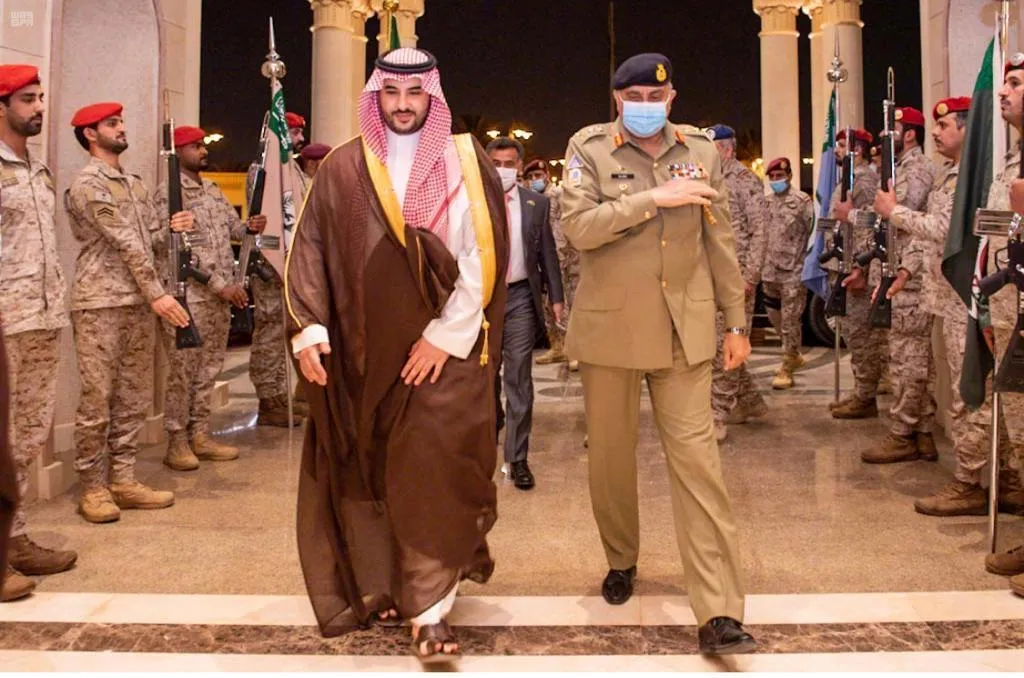
Pakistani military personnel have trained Saudi forces for decades, and military collaboration between the two countries predates the recent defense agreement. Saudi Arabia has traditionally regarded Pakistan as having a large and capable military establishment that can supplement its own and the security requirements of its Gulf allies. Pakistan is also the only Muslim-majority state with nuclear weapons capabilities.
Consequently, Riyadh views Islamabad as a useful strategic partner amid uncertainty about long-term American security commitments in the Gulf. If Saudi Arabia represents economic and strategic necessity, Iran represents geopolitical inevitability. Pakistan simply cannot ignore its western neighbor with whom it shares a 1,000-kilometer (621-mile) border. The two countries also share overlapping security concerns. Instability in Balochistan affects both states. Cross-border militant activities and sectarian tensions have periodically complicated relations, yet both governments recognize the dangers posed by sustained confrontation and have backed away from open conflict.
Internal Stability Risks of Pakistan Deployed Troops
There is also a domestic dimension. Pakistan possesses a substantial Shia population (roughly 15 percent of the population), and overt alignment against Tehran risks inflaming sectarian divisions inside Pakistan itself. Successive Pakistani governments have therefore sought to avoid becoming participants in larger Sunni-Shia rivalries, which Saudi Arabia has often stoked to advance its own regional goals.
This explains Pakistan’s repeated reluctance to become militarily involved in Saudi-led regional campaigns. During the Yemen conflict, for example, Pakistan’s parliament resisted participation despite strong Saudi expectations. Islamabad’s objective was not to distance itself from Riyadh but to avoid creating an irreparable rupture with Tehran. The latest troop deployment, therefore, should not necessarily be interpreted as a fundamental strategic shift. It builds on an existing military relationship between Riyadh and Islamabad going back decades. Pakistan appears to be trying to separate defense obligations toward Saudi Arabia from broader regional confrontations involving Iran.
Why Pakistan Deployed Troops for Defensive Contingencies
Such distinctions, however, become difficult to sustain when regional crises intensify. Troops deployed for defensive and training purposes may eventually become entangled in wider military campaigns beyond Islamabad’s control. This contingency may arise sooner rather than later since reports indicate that Saudi Arabia launched covert strikes on Iran in late March. If fighting resumes, Saudi Arabia may get directly involved in the war against Iran.
The challenge becomes even more complex because Pakistan has simultaneously attempted to project itself as a mediator between Iran and the United States, transmitting proposals and facilitating dialogue between Tehran and Washington. There are practical reasons behind this diplomatic initiative.
First, Pakistan has a direct economic interest in preventing a prolonged confrontation involving Iran. Escalation threatens energy supplies and shipping routes upon which Pakistan depends. Disruptions in the Gulf immediately affect Pakistan’s already fragile economy through rising energy prices, increased import costs, and reduced remittances from Pakistani expatriates in the energy-rich Gulf countries. Second, mediation enhances Pakistan’s international standing. Islamabad has spent much of the past decade confronting diplomatic isolation and economic difficulties. Serving as a diplomatic intermediary offers an opportunity to project itself as a responsible regional actor rather than merely a recipient of external largesse.
Geopolitical Complications Limiting Pakistan Deployed Troops
Third, mediation allows Pakistan to avoid making stark choices. By positioning itself as a bridge between opposing actors, Islamabad seeks to transform strategic ambiguity into diplomatic utility.
Yet mediation itself carries risks. Neutrality becomes difficult when one simultaneously serves as a security partner of one side. Tehran may eventually question whether Pakistan can genuinely act as an impartial intermediary while cozying up to the United States and expanding military cooperation with Saudi Arabia. Washington, meanwhile, may value Pakistan’s channels to Tehran but is uncertain about Islamabad’s broader strategic intentions precisely because of Islamabad’s efforts to remain on Tehran’s right side.
The danger is that Pakistan’s multiple roles could become mutually contradictory. The country seeks to be Saudi Arabia’s military partner, Iran’s good neighbor, and Washington’s diplomatic intermediary simultaneously. Each role individually is manageable. Pursuing all three together becomes increasingly difficult during a period of regional turbulence. Whether such a delicate balancing act succeeds will depend largely on developments beyond Pakistan’s control. If Saudi-Iranian competition remains manageable and US-Iranian tensions de-escalate, Islamabad’s strategy may continue to function successfully. However, if confrontations on both fronts intensify, Pakistan may discover that geography and alliances impose limits on strategic ambiguity and such high-wire balancing acts.