
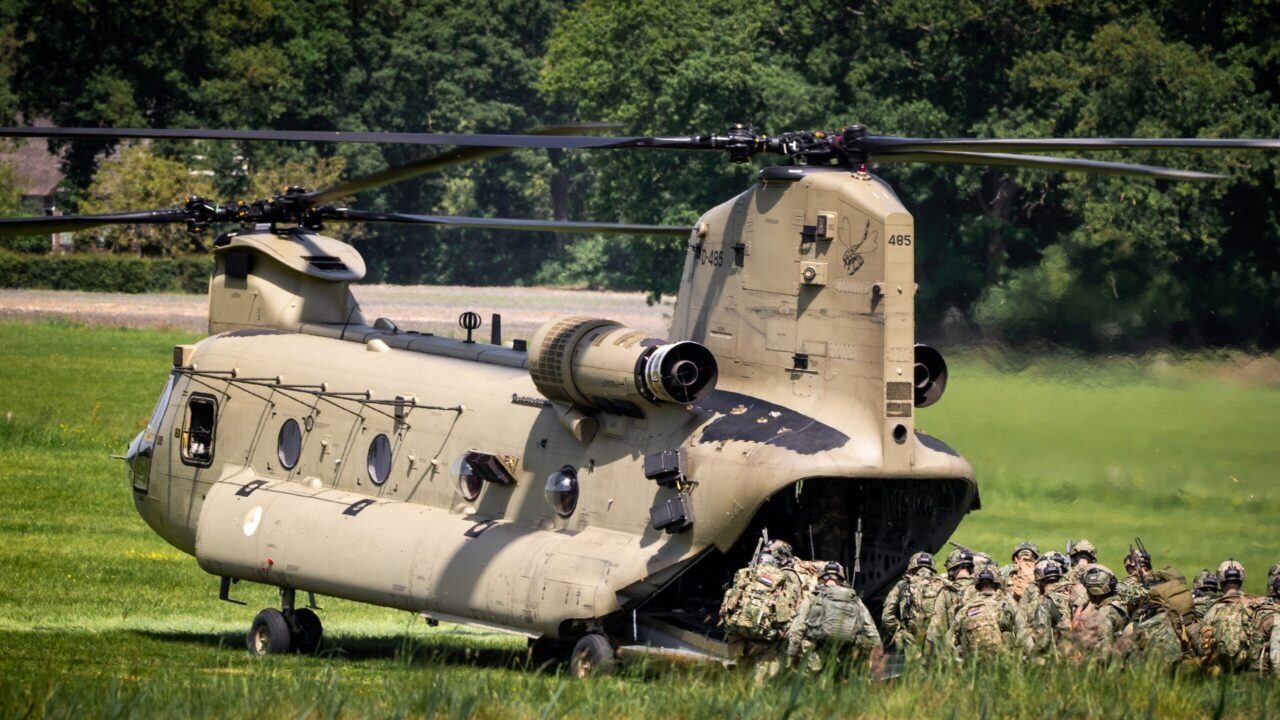
A profound evaluation of the Transatlantic alliance, detailing how structural shifts are driven by European concerns over the consistency and predictability of American power, transitioning the alliance from traditional burden-sharing to systemic risk mitigation.
The Transatlantic alliance is facing an internal reckoning that hinges entirely on the preservation of American power. While policymakers traditionally obsess over defense spending metrics, the true erosion is occurring within the bedrock of strategic trust. If European allies conclude that American power has become too volatile or transactional to rely upon during a major crisis, they will structurally hedge their security dependencies. This shift does not signal a sudden, dramatic rupture, but rather a quiet, procedural degradation that ultimately weakens the global reach and systemic deterrence of American power.
American Power Initiates Global Shifts
For decades, American policymakers have debated how much more the United States should ask of its allies. Today, a more consequential shift is underway: allies are beginning to ask how much uncertainty they can afford to absorb from the United States itself. This distinction matters because the Transatlantic alliance is changing—not dramatically, but procedurally. The structure of the alliance remains intact, its summits continue, its communiqués are issued, and its military exercises proceed. Yet beneath that continuity, governments across Europe are adapting to the possibility that American decision-making may become less predictable, less consultative, or more conditional over time.
What appears at first glance to be a debate about burden sharing is increasingly becoming a debate about risk—specifically, whether allies continue to trust American judgment in moments of uncertainty, whether they retain confidence in the continuity of American leadership over time, and what happens to American reputation when those assumptions begin to weaken simultaneously. In Washington, Europe’s recent moves toward higher defense spending, industrial diversification, and greater strategic autonomy are often interpreted primarily as overdue burden-sharing or, in some cases, as evidence of latent anti-Americanism. Neither explanation fully captures what is occurring.
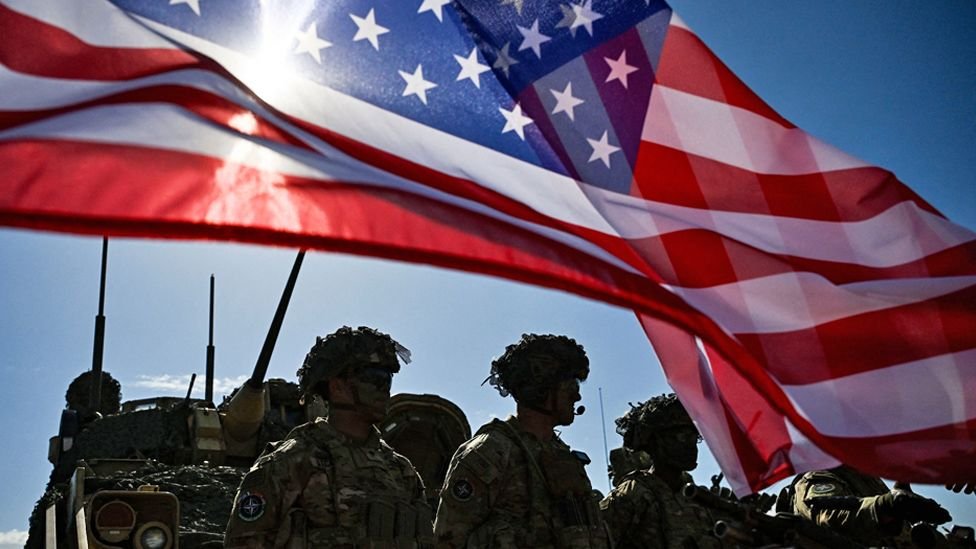
Navigating Uncertainty Around American Power Efficiently
Most European governments are not preparing for a world without American power, nor are they seeking rupture with the United States. They are instead adjusting to uncertainty about how American power may be exercised in moments of crisis and whether long-standing assumptions about consultation, continuity, and alliance management will remain reliable under political pressure.
That distinction should concern Washington far more than it currently does. Alliances rarely weaken dramatically at first. More often, they weaken procedurally, through slower coordination, narrower information sharing, growing political caution, and a gradual tendency for governments to hedge against risks they no longer feel confident they can collectively manage. Diplomacy tends to remain outwardly polite long after strategic confidence has begun to erode, and governments rarely announce publicly that they are becoming less certain about a partner’s judgment.
Instead, they adapt quietly through procurement decisions, industrial policy, institutional reforms, and the diversification of strategic dependencies. This pattern is now visible across Europe. Debates over defense industrial independence, supply-chain resilience, and strategic autonomy are often less about separation from the United States than about reducing exposure to political volatility there. These are not emotional reactions. They are rational calculations by governments responsible for managing risk under conditions of uncertainty.
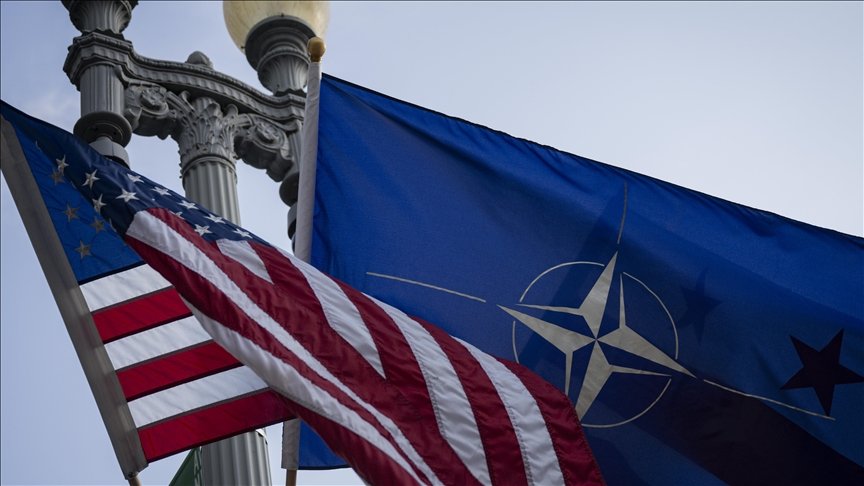
Eroding Continental Trust In American Power
More concerning still is the growing perception among some European officials that the institutional continuity which historically sustained the alliance through periods of political strain can no longer be relied upon with the same confidence as before. For decades, one of NATO’s greatest strengths was the assumption that durable institutional habits of consultation, professionalism, and strategic continuity would ultimately moderate temporary political turbulence.
Increasingly, some allies question whether those assumptions still hold as firmly as they once did. Increasingly, some European governments appear to be preparing for a future in which American support during crises may remain highly valuable, but can no longer be assumed automatically under all conditions. Even where trust in individual American officials remains strong, confidence in institutional continuity itself has begun to fray. Anyone who has worked inside alliances during periods of crisis understands how consequential these adjustments can become once events accelerate.
The moments that matter most in international politics rarely arrive with complete information or unlimited time. Decisions must often be made before the full picture exists, and governments are forced to weigh risks before outcomes can be known with confidence. Under those conditions, trust becomes a strategic capability—not trust in the abstract, but the operational confidence that allies will continue moving together despite uncertainty, disagreement, or political pressure.
American Power Redefines Transactional Alliances
During periods of crisis inside NATO, the decisive question is rarely whether every ally agrees perfectly. Alliances rarely function that way. The more important question is whether governments trust one another enough to move forward together despite uncertainty. When that confidence exists, alliances move quickly.
Intelligence flows more freely, political leaders accept risks they would not otherwise take, and governments are willing to absorb disagreement without losing confidence in the broader direction of the partnership. When that confidence weakens, however, governments adapt accordingly. Cooperation becomes more selective, information-sharing narrows, and coordination slows precisely when speed matters most. None of these shifts produces immediate headlines, but over time, they alter how coalitions function and how power itself operates within alliances. American policymakers sometimes assume that treating alliances more transactionally will discipline partners into carrying greater burdens.
But many European governments increasingly believe that the United States has already moved beyond conditionality into a more openly transactional approach to alliance management—one in which support, consultation, and long-standing commitments are viewed less as enduring strategic obligations than as negotiable instruments subject to shifting political calculations. The practical consequence is often strategic caution. Governments become more selective about the risks they are willing to absorb alongside the United States and more determined to preserve greater independent capacity should American political assumptions shift further in the future.
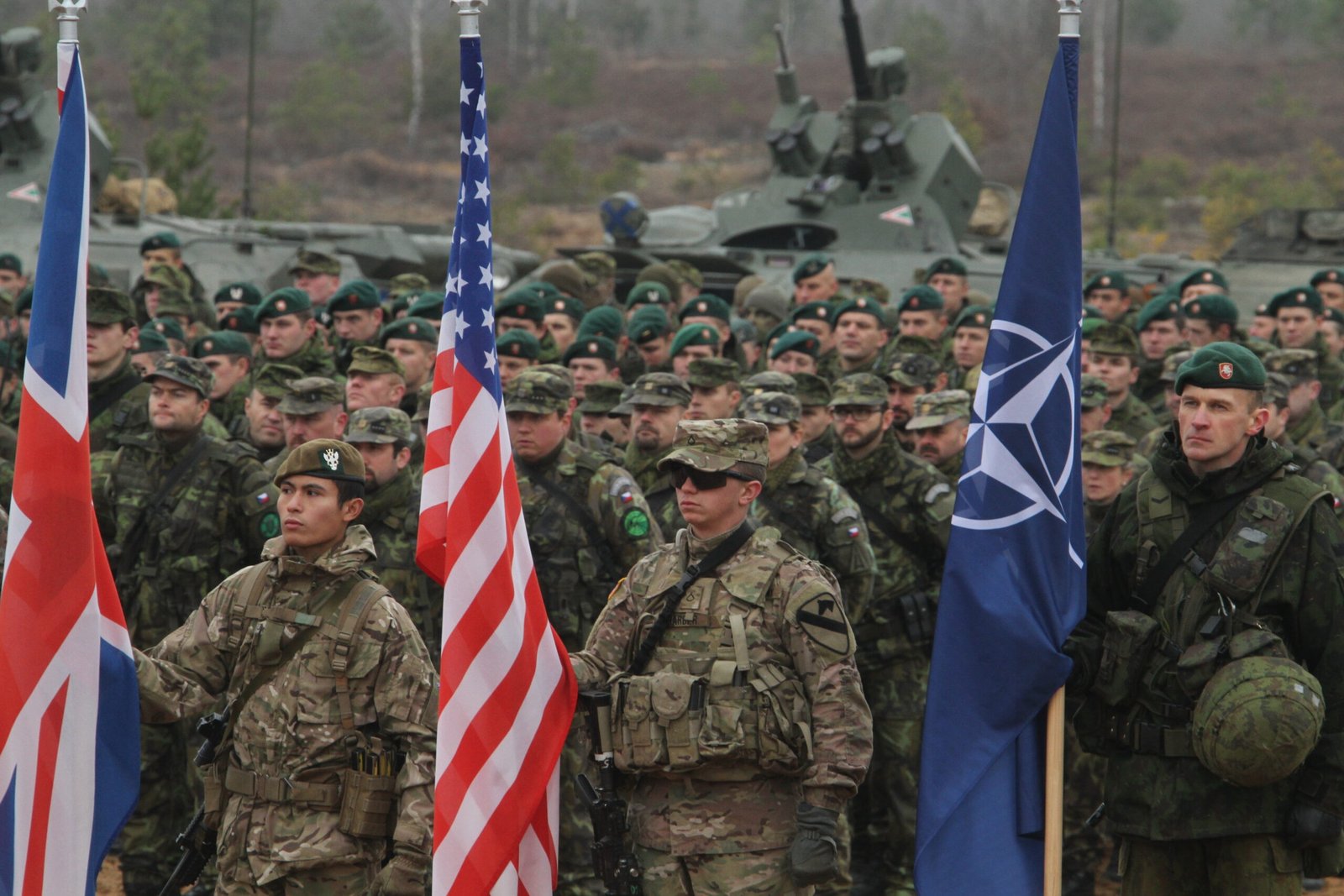
Future Projections For American Power
This is why alliances should not be understood as diplomatic accessories or temporary conveniences. They are strategic infrastructure. Like any infrastructure, they are easy to take for granted when functioning well and extraordinarily difficult to rebuild once confidence in them erodes. The United States remains extraordinarily powerful, but many of the defining challenges of the coming decades—from pandemics and technological disruption to regional conflict and strategic competition—are unlikely to be managed effectively by any major power acting alone. One of the greatest strategic advantages the United States has possessed since World War II has been its unmatched ability to organize voluntary coalitions of capable allies and partners around shared objectives.
No rival power has successfully replicated that network at a comparable scale or depth. Trust inside alliances eventually matures into something broader: confidence that political transitions, temporary disputes, and periods of domestic turbulence will not fundamentally alter the strategic reliability of the relationship itself. For decades, American leadership depended not only on national capability but on the widespread expectation that cooperation with the United States would remain strategically worthwhile even during periods of disagreement or uncertainty.
“America First” was never historically intended to mean “America Alone,” and the erosion of alliance confidence would ultimately diminish one of the greatest force multipliers American power has ever possessed. For much of the post-war era, the United States benefited from a form of strategic capital that is difficult to quantify but enormously important: the widespread belief that American power, while imperfect, would generally be exercised with enough consistency, restraint, and strategic discipline that others could organize around it with confidence. That confidence was never based on sentiment alone.
It emerged from repeated patterns of behavior over time—consultation before action, predictability during crises, discipline in managing disagreement, and a reputation for considering second-order consequences alongside immediate advantage. Allies did not expect the United States to be flawless, but they did expect it to be serious. That seriousness mattered because alliances are not sustained by interests alone. The Transatlantic relationship emerged from something deeper than convenience or temporary strategic alignment.
It grew from a shared political inheritance shaped by constitutional government, democratic accountability, habits of consultation, and the belief that power carries obligations as well as privileges. Those traditions did more than create solidarity. They created the political space in which democratic societies could disagree without rupture and accept compromise without losing legitimacy at home.
Seriousness in alliances also requires a degree of discipline in how partners speak about one another, particularly during periods of disagreement. Democratic alliances have historically survived policy disputes not because tensions disappeared, but because governments understood that public derision and performative hostility carry strategic consequences of their own. Trust erodes not only through decisions but also through accumulated impressions of respect, reliability, and shared purpose.
John Winant understood that this kind of confidence represented more than temporary diplomatic alignment. As the US ambassador to the United Kingdom during World War II, he saw that democratic alliances endure only when societies develop long-term confidence not merely in one another’s capabilities, but in the judgment and restraint behind the exercise of power itself. For Winant, democratic alliances were never merely transactional arrangements. They were political and moral commitments sustained through consultation, restraint, credibility, and shared sacrifice.
That understanding shaped some of the most successful periods of Transatlantic statecraft in the 20th century, and it helps explain why alliance deterioration rarely begins with formal rupture. Long before treaties weaken, trust begins to thin. Governments become more careful. Cooperation becomes narrower.
Political leaders spend more time managing uncertainty within the alliance itself. None of this appears dramatic in isolation, but over time, it changes the practical functioning of power. History offers repeated reminders that power endures only when others are willing to organize around it. Military capability matters enormously, of course, but capability alone rarely sustains durable coalitions.
What ultimately determines whether others align themselves with a great power is confidence in how that power will be exercised when conditions become difficult and uncertainty is high. Over time, these accumulated judgments become something larger than trust in a particular decision or confidence in a particular administration.
They become reputation: the long-term belief that American power will generally be exercised with seriousness, discipline, and strategic restraint even under pressure. Reputation accumulates slowly and dissipates quickly. Once weakened, it cannot be restored through declarations alone. American diplomacy has long understood this reality, even if Washington occasionally forgets it. John Adams recognized during the American Revolution that securing French support required more than converging interests. France needed confidence that the leadership of the fragile new republic possessed the judgment necessary to justify strategic investment and risk.
History also suggests that once allies begin adapting structurally to uncertainty, relationships rarely return fully to earlier assumptions of confidence and dependence. Strategic habits change slowly, but once changed, they often persist for generations, shaping procurement decisions, institutional behavior, and political expectations long after the immediate crisis that triggered them has passed.
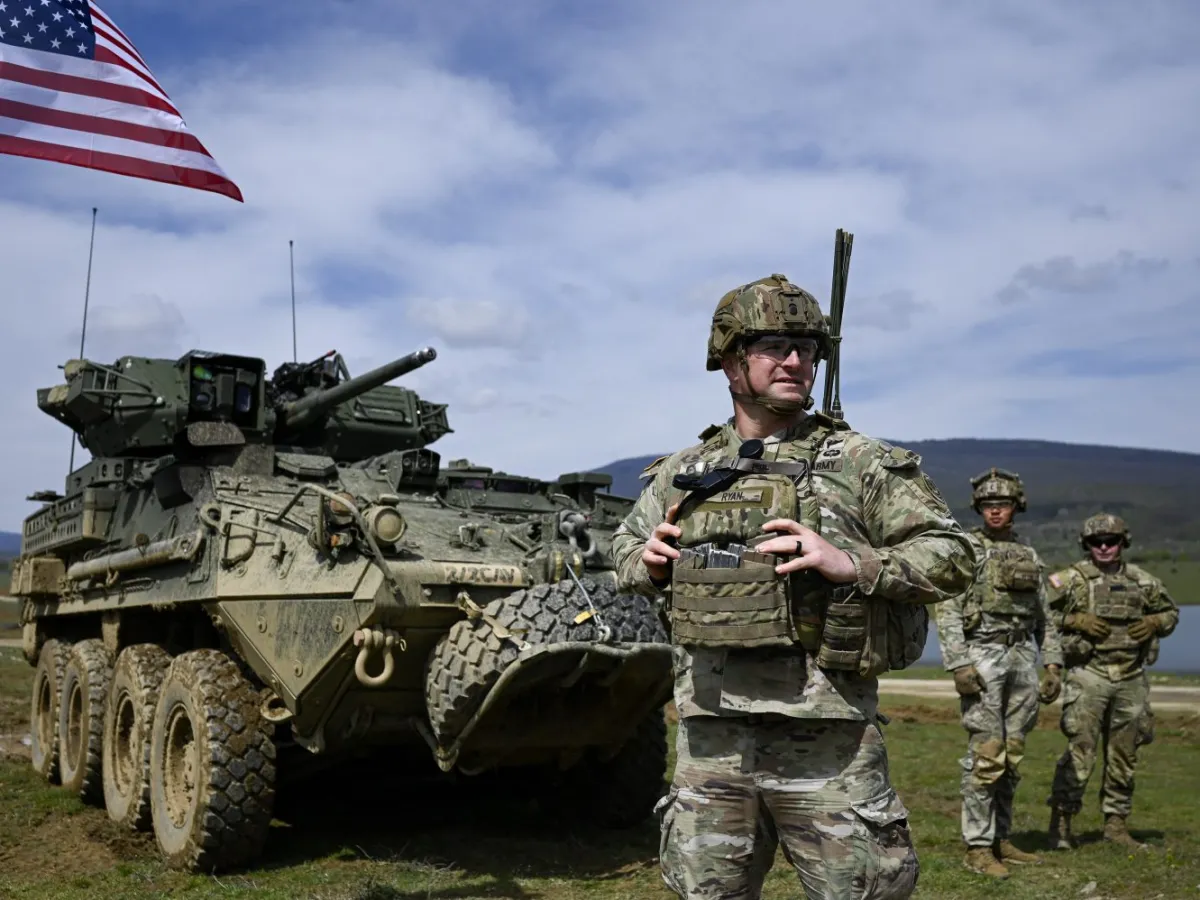
That insight remains relevant today. The greatest strategic advantage of the United States has never been military power alone, but the ability to build coalitions of countries willing to accept risk alongside it because they trusted the judgment behind the exercise of American power. Today, that trust is no longer assumed as automatically as it once was.
This does not mean the alliance system is failing, nor does it mean the United States is in irreversible decline. But it does mean that allies are increasingly adjusting their behavior in ways that carry long-term consequences for American influence and coalition effectiveness. The danger is not sudden rupture. It is gradual procedural erosion that weakens alliances’ operational effectiveness while preserving the outward appearance of continuity. That process is far more difficult to reverse once it matures because habits of confidence, once weakened, are extraordinarily hard to restore quickly under pressure.
The central strategic question facing the United States is therefore not simply whether allies should contribute more. They should. The more important question is whether American leadership continues to generate the confidence necessary for allies to accept risk alongside us when uncertainty is highest. Because in the end, power cannot sustain alliances alone. They endure because others remain willing to trust the judgment, restraint, and seriousness behind the exercise of American power when the stakes are highest.