
A profound examination of the Iran War’s cascading effects through the Strait of Hormuz, outlining how overlapping energy, commodity, and financial shocks collapse standard macroeconomic policy options and create an unprecedented global structural crisis.
The closure of the Strait of Hormuz has transformed a localized military confrontation into a sweeping global emergency, exposing how vulnerable interconnected trade networks are to systemic paralysis. This escalating conflict demonstrates that treating energy markets in isolation fails to capture how the modern economic polycrisis compounds pre-existing industrial, fiscal, and technological strains simultaneously.
Economic Polycrisis Threatens Global Industrial Supplies
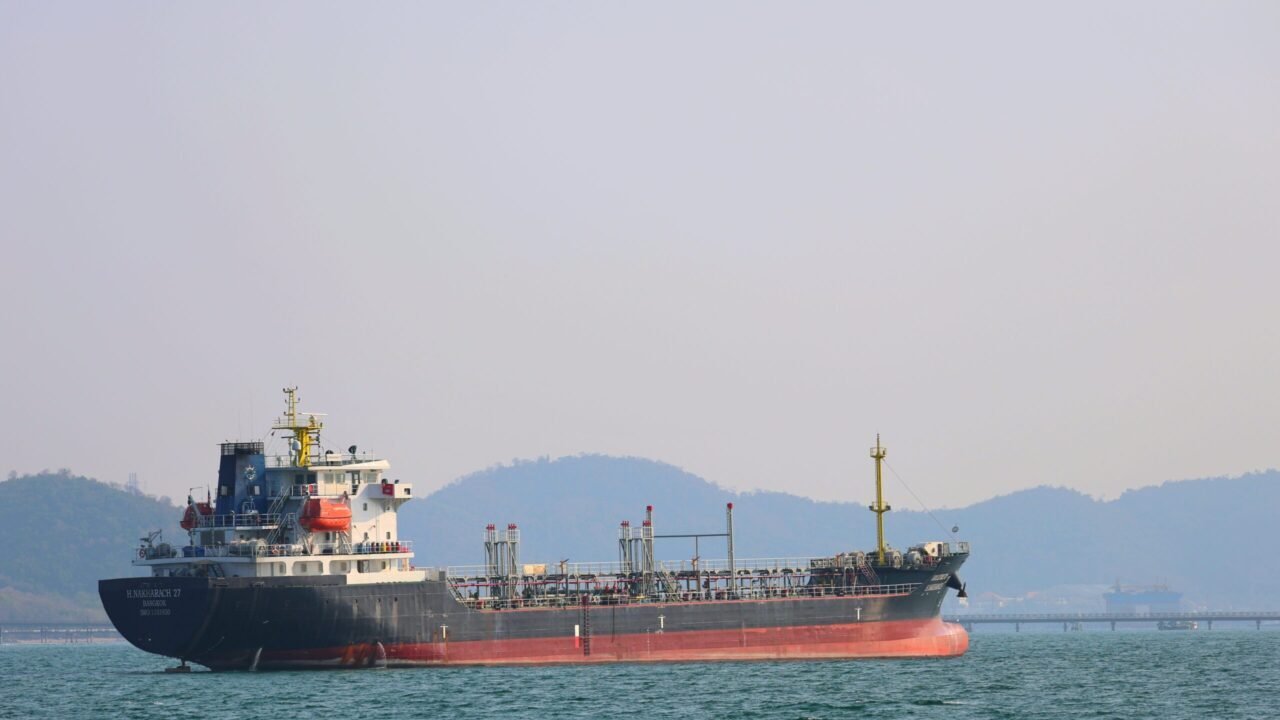
Over two and a half months into the Iran War, the economic ramifications of the conflict are still spreading worldwide. Understandably, analytical frameworks on the economic impact largely focus on oil and gas metrics. The Strait of Hormuz normally carries roughly 20 percent of global oil and gas supply , and its effective closure since early March has produced what the International Energy Agency has called the largest supply disruption in the history of the global oil market. The IMF’s most recent World Economic Outlook modeled three scenarios for global growth, each calibrated primarily to the magnitude and duration of energy price increases. Goldman Sachs, the OECD, and most finance ministries have followed the same approach.
Where this analysis falls somewhat short is in capturing the range of economic systems that Hormuz connects and the way their simultaneous disruption is narrowing the policy options available to governments and central banks. Rather than producing a single shock, the Iran War has produced several overlapping shocks, an economic polycrisis, whose interactions are reducing the capacity of standard tools to address any one of them effectively. While the geopolitical episodes that produced previous oil shocks had also created other disruptions, usually involving shipping and trade patterns, this particular event goes far beyond those historic examples in how it draws in key global inputs and interacts with pre-existing challenges.
Beyond Energy Markets Lies an Economic Polycrisis
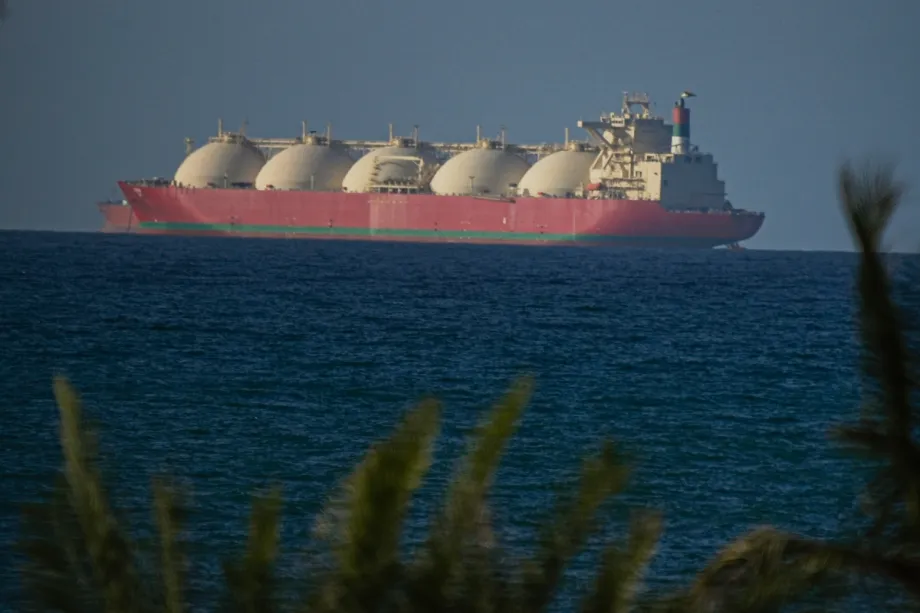
While Brent and WTI crude prices seem to be the prism through which many are judging the economic impact of the war, other commodities receive less attention. Roughly 30 percent of globally traded urea, the most widely used nitrogen fertilizer, transits the Strait of Hormuz. Fertilizer prices have increased, threatening agricultural yields and raising concerns among WTO officials.
Nearly a third of the world’s high-quality helium, vital to semiconductor manufacturing, comes from the Persian Gulf. The lack of access is drawing concerns among chip manufacturing hubs in Asia, with potentially broad ramifications for contested global technology markets. Disruptions in petrochemical supply chains are already leading to significant price increases for chemicals and materials vital to industrial processes and packaging.
Pre-Existing Vulnerabilities Amplify the Impending Economic Polycrisis
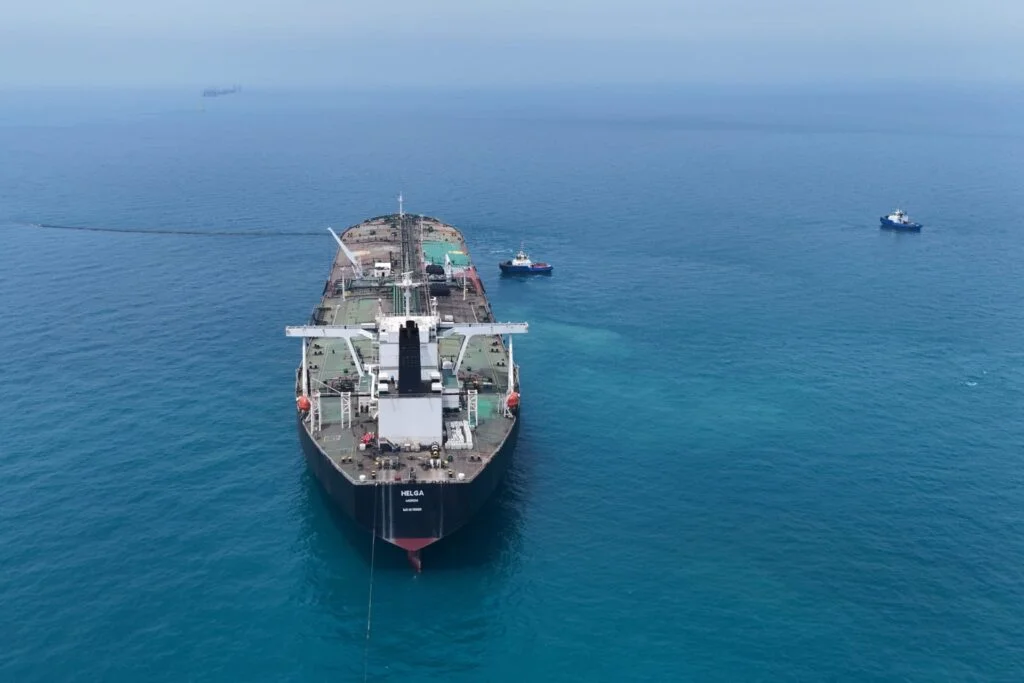
This compounding becomes more consequential when these disruptions interact with pressures that preceded the war. The US tariff regime, in place since mid-2025, was already raising input costs for European and Asian manufacturers. European defense spending was already rising in response to the Ukraine War and broader alliance commitments. Previous crises in the last six years, the COVID-19 Pandemic, and Russia’s invasion of Ukraine have exhausted corporate adaptation strategies and resulted in elevated levels of global sovereign debt.
In theory, each of these problems would be manageable on its own terms. European economies weathered the tariff shock, adjusted to higher defense budgets, and absorbed rising borrowing costs through 2025. Under normal conditions, each of these shocks would be addressed using conventional, tested strategies. The difficulty arises when the Iran War layers an acute energy and commodity shock on top of all three simultaneously, because each pressure forecloses the policy responses that would normally address the others.
An economy facing a terms-of-trade shock from tariffs can compensate by boosting exports, but the energy shock is raising production costs and eroding competitiveness. An economy absorbing higher defense spending can offset the fiscal drag through growth, but growth is weakening under the combined weight of energy costs and trade friction. An economy needing to invest heavily in renewable energy to reduce its structural dependence on imported fossil fuels can finance that investment through capital markets. Still, pressure on capital is raising the cost of long-term borrowing.
Economic Polycrisis Limits Central Bank Policy Maneuverability
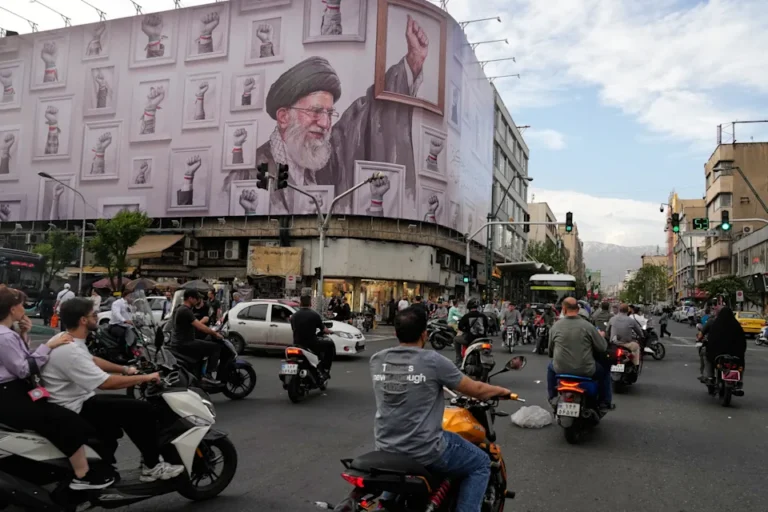
Governments entered this crisis with considerably less fiscal space than they had during previous energy shocks. Debt-to-GDP ratios across advanced economies remain elevated from the pandemic era, and higher long-term borrowing costs make deficit-financed relief programs more expensive to sustain. In Europe, energy subsidies and fuel tax suspensions are competing for budgetary room with recently expanded defense spending commitments. Central banks, meanwhile, face reduced policy flexibility. The conventional response to slowing production and rising unemployment would be to cut rates, but doing so as oil and commodity prices drift upward risks exacerbating existing inflation concerns.
At the firm level, the problem is compounding fatigue as companies that restructured their supply chains during COVID-19 and again after the Russia-Ukraine energy shock are being asked to adapt a third time in six years. Each round of restructuring consumes capital and management attention that would have otherwise been directed toward innovation and investment. The aggregate effect is a global economy in which the public sector has less room to spend, the monetary authorities have less room to ease, and the private sector has less capacity to adjust, all at the moment when the shock demands all three.
Regional Asymmetry Inside the Structural Economic Polycrisis Landscape
Looking ahead, the AI bubble, a major factor in US economic growth over the last year, shows signs of fraying. Cracks are emerging in the $3 trillion global private credit market. These issues are mostly unrelated to the war. However, a retrenchment of global investment by Gulf Cooperation Council (GCC) sovereign wealth funds and investment vehicles amid wartime uncertainty could exacerbate them. Either way, these issues also require governance policy options and capital injections, both of which will be in short supply.
The scope of these interaction effects varies across regions because commodity shocks are sequential and asymmetrical. The United States, as a major energy producer with deeper fiscal capacity and lower dependence on Gulf LNG, faces a less severe version of the compound problem. Asia’s exposure is more acute. Over 80 percent of LNG transiting the Strait of Hormuz is bound for Asian markets, and several Southeast Asian economies have already begun energy rationing and implemented emergency work-from-home mandates.
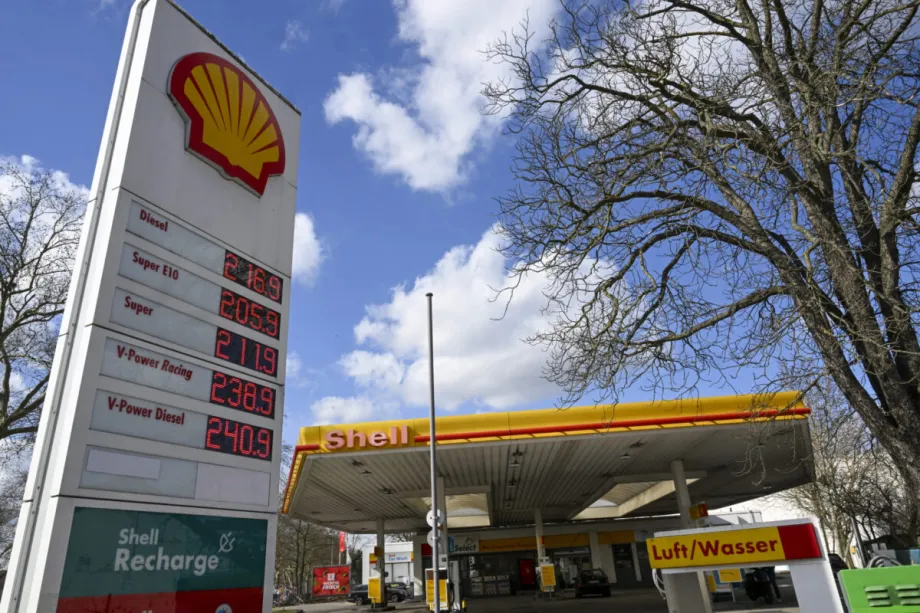
Energy-poor Europe lacks indigenous resources like those of the United States, but is less dependent on Persian Gulf trade than Asian states are. While electricity and natural gas prices have already risen, much of its access to refined oil products is only now being affected as sellers turn to hungry Asian buyers and buffer stocks run low. Industry leaders are warning of further supply-driven price jumps in May for middle distillates such as jet fuel, diesel, and kerosene, which are crucial to transportation and industrial production.
The distributional unevenness matters because it complicates the international coordination that polycrisis demands. The incentive structures for resolving the Hormuz disruption differ substantially between Washington, which can tolerate elevated oil prices more easily than most, and Tokyo or New Delhi, for whom the disruption poses a near-term economic emergency.
That being said, there are still myriad tools governments can tap into to manage the current situation. Central banks have decades of experience navigating supply shocks. International institutions are actively coordinating. Strategic reserves exist for oil, even if not for fertilizer or helium. The point is that the tools were designed for a world in which economic disruptions arrive in separable categories, and this war has produced a situation in which the categories overlap, interact, and constrain the effectiveness of each other’s remedies.
Of course, Hormuz is not the only geographic node through which multiple critical economic systems pass simultaneously. The Strait of Malacca, the Taiwan Strait, and the semiconductor fabrication complex in Hsinchu are all examples of extreme concentrations of diverse economic dependencies in a single location, making it vulnerable to geopolitical disruption. The Iran War is documenting how compound shocks propagate and why standard policy instruments struggle to contain them. Whether that record is studied before the next such event or only after may determine how much of what we are seeing now will have to be relearned.